
The American Physiological Society (APS), ADInstruments, and InsideScientific are pleased to announce a 1-hour Translational Science Panel featuring three incredible researchers from all over the world.
This program includes presentations, panel discussions, and live Q&A sessions that address important topics for researchers who are looking to progress their pre-clinical research models into the translational and clinical sectors.
Key Topics Include:
- Experimental Concepts & Design: Planning basic science protocols for translational and clinical relevance
- Translational Measurements & Techniques: Bridging the gap between pre-clinical and clinical parameters
- Clinical Engagement & “Reverse Translation”: The importance of relationship building and connecting with the right clinical researchers
- Understanding the System: Grant funding, commercialization, and navigating ethical considerations
Presenters
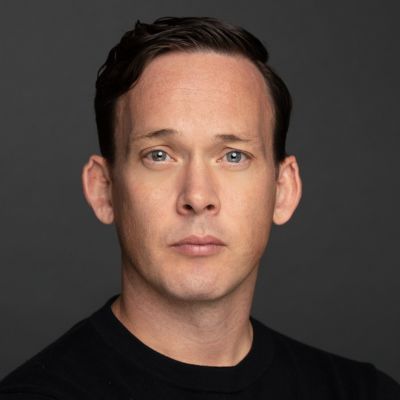
Associate Professor
Physiology and Pharmacology
University of Calgary
Dr. Aaron Phillips was trained in biosciences and mathematics. His appreciation of the elegant interactions between the nervous and cardiovascular systems, and how these interactions are disrupted in clinical conditions, has driven his research into the development of novel therapeutics for people with neurological health issues.
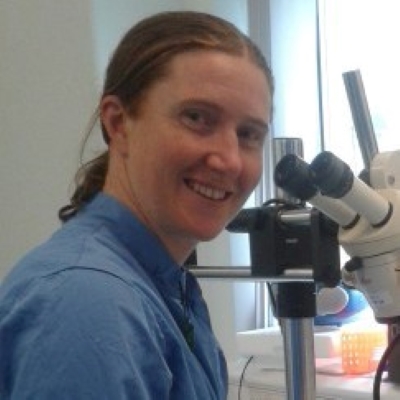
Senior Lecturer
Physiology
University of Auckland
Dr. Fiona McBryde is an integrative cardiovascular physiologist, with a particular focus in the relationships between autonomic activity, blood pressure and organ blood flow. Her recent research interests include static and dynamic pressure-flow relationships in the brain in hypertension and stroke, and the regulation of venous tone and compliance.
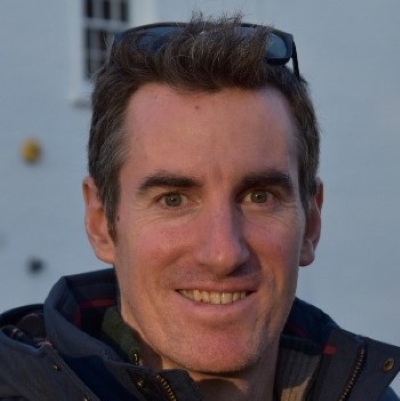
Clinical Research Fellow and Interventional Cardiology Registrar
School of Cardiovascular Medicine
King's College London
Dr. Kevin O'Gallagher is a cardiologist and clinical researcher, having undergone medical training at the University of Oxford and Imperial College London. He has recently completed a PhD in Cardiovascular Medicine on the subject of nitric oxide signaling in the cardiovascular system.
Production Partner
ADInstruments
Established in 1988, ADInstruments develops high performance digital data acquisition and analysis solutions for biomedical research and life science education.
Additional Content From ADInstruments
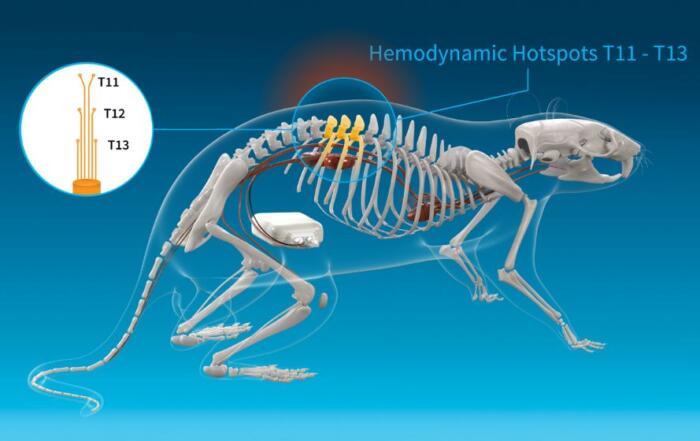
Engineering Neuromodulation for Cardiovascular Instability
Dr. Aaron Phillips traces the translational journey of a discovery that began in a foundational laboratory and is now advancing through pivotal clinical trials aimed at stabilizing cardiovascular function.
Animal Welfare in Surgery: Then and Now
In this presentation, Dr. René Remie transports you back five decades to explore the foundational principles of surgery that have evolved into what we now recognize as Good Surgical Practice (GSP).
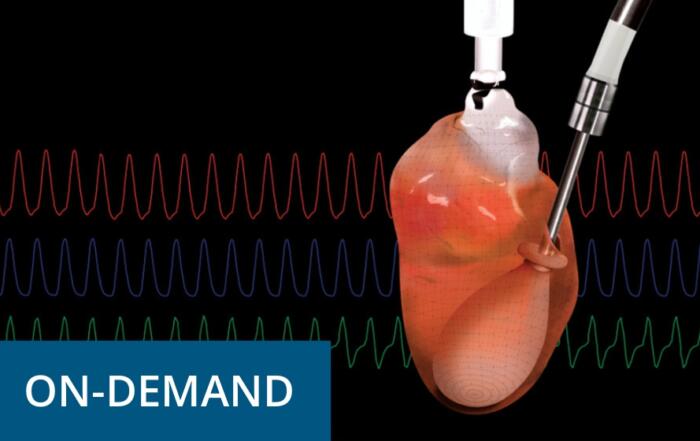
Getting to the Heart of Cardiovascular Research: From Yesterday to Today and Looking Towards Tomorrow
Dr. Melanie White presents the various methods for assessing cardiac function in the context of pathology, spanning from in vitro to in vivo techniques, and how she integrates these with cutting-edge mass spectrometry in her research on cardiovascular disease pathogenesis.
Additional Content From American Physiological Society
Skeletal Muscle Circadian Clocks: Keeping Time for Systemic Health
Dr. Karyn Esser presents the critical role of skeletal muscle circadian clocks in maintaining muscle strength, metabolic health, and systemic adaptations to endurance exercise.
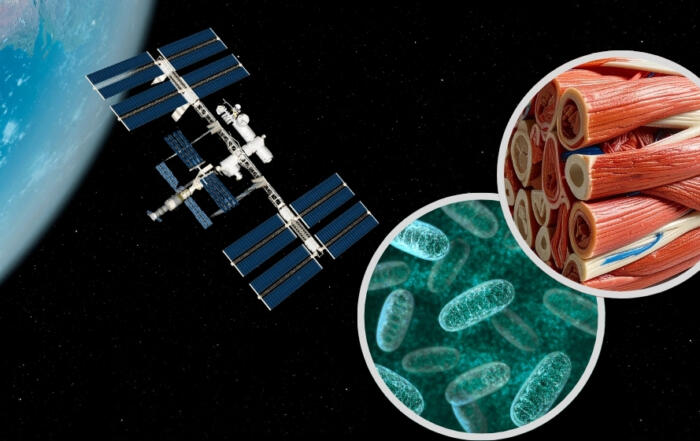
Redox Regulation of Skeletal Muscle: A Journey from Liverpool to the International Space Station
Dr. Anne McArdle and Dr. Malcolm Jackson explore groundbreaking research from the Muscle Laboratories at the University of Liverpool. They examine how redox regulation influences the adaptive responses of skeletal muscle during physical activity and how these processes evolve with age.
The Trainer’s Toolkit for Osmotic Pumps: Supporting Researchers in Infusion Studies
Explore how osmotic pumps can revolutionize in vivo research by enhancing drug delivery effectiveness. Learn about the preparation, implantation, and integration of these devices into research protocols, and gain practical insights for training investigators and lab personnel.