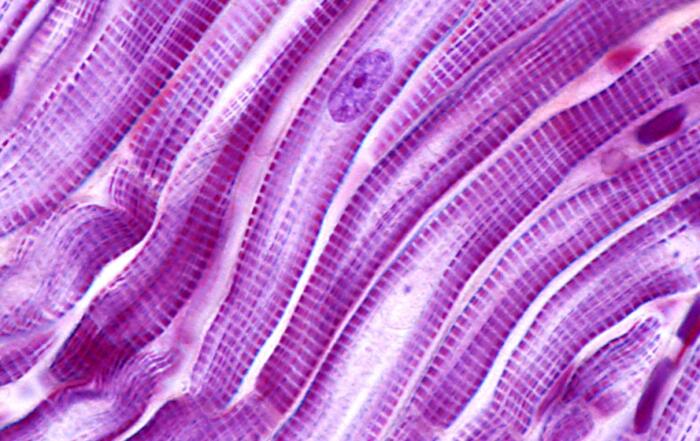
Dr. Anne McArdle and Dr. Malcolm Jackson explore groundbreaking research from the Muscle Laboratories at the University of Liverpool. They examine how redox regulation influences the adaptive responses of skeletal muscle during physical activity and how these processes evolve with age.

This webinar covers the development of cutting-edge methodologies to study reactive oxygen species (ROS) in muscle cells and uncover their specific functions. They also discuss how age-related disruptions in redox balance can affect muscle responses, particularly in the production of heat shock proteins (HSPs). The webinar presents findings demonstrating that restoring HSP levels in older mice can enhance muscle mass and function. Additionally, they draw parallels between muscle responses in ageing and the rapid muscle loss observed during space flight. This is studied using 3D human muscle constructs on the International Space Station (ISS). Research indicates that microgravity impacts muscle contractions, and they show how HSP overexpression offers partial protection, mirroring the ageing process on Earth.

This session is ideal for anyone interested in the intersection of muscle biology, the ageing process, and space research.

Key Topics Include:

  • Innovative methodologies for studying reactive oxygen species (ROS) in muscle cells and their functions.
  • Insights into how disrupted redox balance with age affects muscle response, especially the production of heat shock proteins (HSPs).
  • Discoveries showing that restoring HSP levels in older mice improves muscle mass and function.
  • Parallels between muscle response in ageing and rapid muscle loss during space flight, studied using 3D human muscle constructs on the International Space Station (ISS).
  • Findings on how microgravity affects muscle contractions and how HSP overexpression provides partial protection, similar to the ageing process on Earth.
Click to watch the webinar recording. To view the presentation full screen simply click the square icon located in the bottom-right corner of the video-viewer.

Resources

Presenters

Professor of Musculoskeletal Ageing
Musculoskeletal and Ageing Science
University of Liverpool
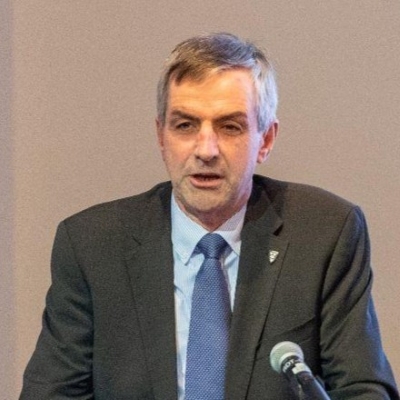
Dr. Anne McArdle is a physiologist/biochemist examining the basic mechanisms of muscle dysfunction in ageing. Her work also encompasses altered muscle function in other illnesses such as Chronic fatigue/post-COVID syndrome, with focus on muscle as an inflammatory organ. Her work on the MicroAge mission helped establish microgravity as a model for accelerated muscle ageing.

Professor of Cell Pathophysiology
Musculoskeletal and Ageing Science
University of Liverpool

Malcolm Jackson, PhD, is a professor whose research investigates the roles of reactive oxygen and nitrogen species in skeletal muscle, with a primary focus on aging and the mechanisms driving sarcopenia. Recent studies have examined redox-regulated pathways involved in mitochondrial function, contractile activity, and denervation in aging muscle

Production Partner

Aurora Scientific, Inc.
Aurora Scientific supports the scientific community in its goal of research and discovery by providing precision instrumentation of the highest quality design, construction and functionality for Muscle Physiology, Material Science and Neuroscience applications.

Additional Content From Aurora Scientific, Inc.

Additional Content From American Physiological Society

Animal Welfare in Surgery: Then and Now

Animal Welfare in Surgery: Then and Now

In this presentation, Dr. René Remie transports you back five decades to explore the foundational principles of surgery that have evolved into what we now recognize as Good Surgical Practice (GSP).

Related Content

Cut and Paste of Myosin Binding Protein-C in Striated Muscles

Cut and Paste of Myosin Binding Protein-C in Striated Muscles

Dr. Samantha Harris discusses the development of three new mouse models in her lab, engineered to target and replace specific myosin binding protein-C paralogs in muscle fibers and impact of their mutations on skeletal and cardiac muscle diseases.
Integrating Patient Engagement and Trainee Development in Pre-Clinical Research

Integrating Patient Engagement and Trainee Development in Pre-Clinical Research

Christopher Perry, PhD discusses how his laboratory aims to discover mechanisms by which metabolic dysfunction causes muscle weakness and apply these findings to develop new therapies for muscle disorders. Homira Osman, PhD provides a particular focus on leveraging scientific findings for practice and policy and linking trainees with patient communities.