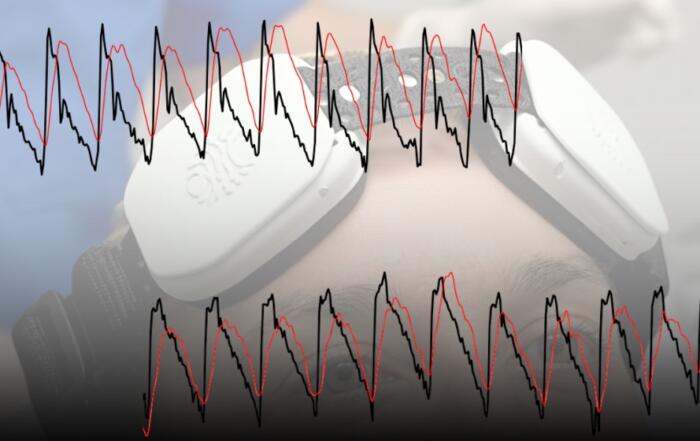
In this webinar, Dr. John Allen introduces how low-intensity transcranial focused ultrasound (litFUS), a non-invasive, high-precision neuromodulation technique, has the potential to modulate Default Mode Network (DMN) activity.
Repetitive Negative Thinking (RNT)—including rumination and worry—is a transdiagnostic cognitive process central to major depressive disorder (MDD), generalized anxiety disorder (GAD), and obsessive-compulsive disorder (OCD). Elevated RNT is linked to increased connectivity within the brain’s Default Mode Network (DMN), which supports self-referential thought and is often hyperactive in these conditions. Emerging evidence suggests that low-intensity transcranial focused ultrasound (litFUS) may reduce Repetitive Negative Thinking (RNT) and mood-related symptoms in clinical populations, and also promote emotional wellness in nonclinical groups.
Attendees will learn about the neural basis of RNT, how litFUS targets key network dynamics, and recent findings on its therapeutic and wellness-promoting applications. Implications for integrating neuromodulation with psychotherapy to enhance psychological outcomes will be discussed.
Key Topics Include:
- Repetitive Negative Thinking (RNT) is a thinking pattern associated with depression and anxiety, linked to activity in a brain region called the Default Mode Network (DMN).
- A non-invasive technique, low-intensity transcranial focused ultrasound (litFUS), is being explored for its ability to modulate the DMN.
- Early research shows litFUS may reduce RNT and improve mood, with potential to be used alongside traditional therapy.
Presenters

Distinguished Professor
Psychology, Cognitive Science, and Neuroscience
University of Arizona
Production Partner
Openwater