Seeing White Matter Aging Through the Visual System
Dr. Janos Groh from the Technical University of Munich explores how the visual system can be used to uncover the cellular, molecular, and neuroinflammatory mechanisms driving white matter aging.
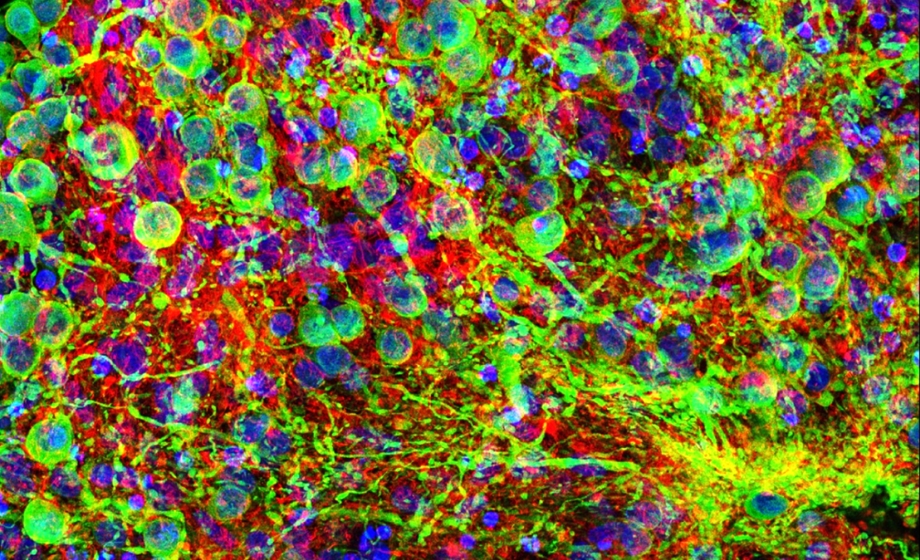
Detecting Early Synaptic Failure in Prion Disease Using Organoid Models
Join our webinar to see how early synaptic dysfunction can be captured with long-term organoid electrophysiology using Mesh MEA.
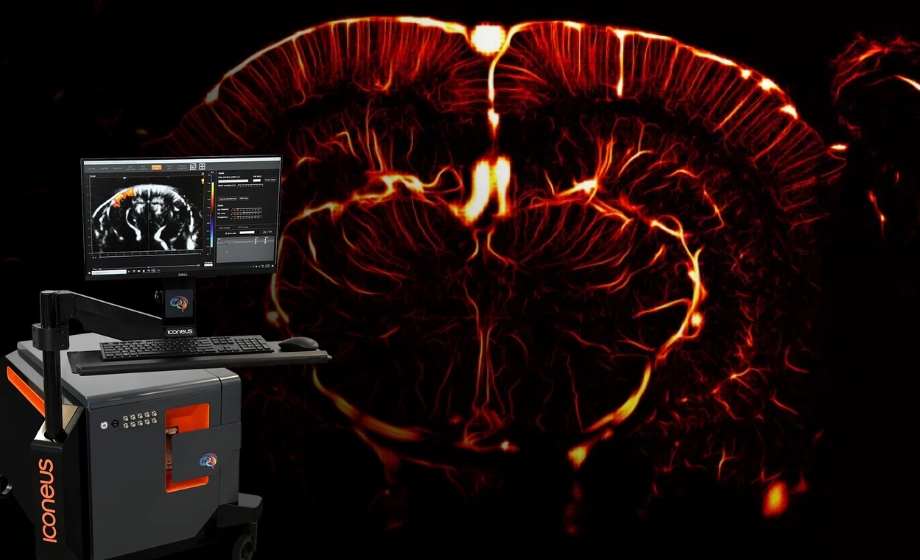
Functional Ultrasound Demonstration and Live Q&A: Iconeus One, a Pioneer in Real-Time Whole-Brain Imaging
Join us for an online session to discover the capabilities of functional ultrasound (fUS) with the Iconeus One system.
Opening a New Window: Stable Long-Term Imaging of Dura Mater–Transplanted Pancreatic Islets in Awake Mice
Dr. Philip Tröster, Dr. Martin Köhler, and the Neurotar team provide answers to questions from their webinar on long-term imaging of dura mater–transplanted pancreatic islets in awake mice.
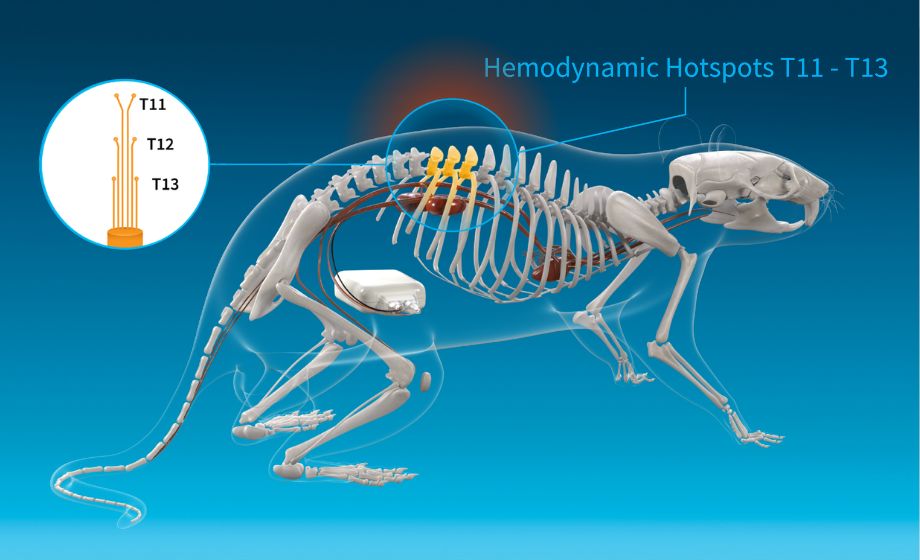
Engineering Neuromodulation for Cardiovascular Instability
Dr. Aaron Phillips traces the translational journey of a discovery that began in a foundational laboratory and is now advancing through pivotal clinical trials aimed at stabilizing cardiovascular function.
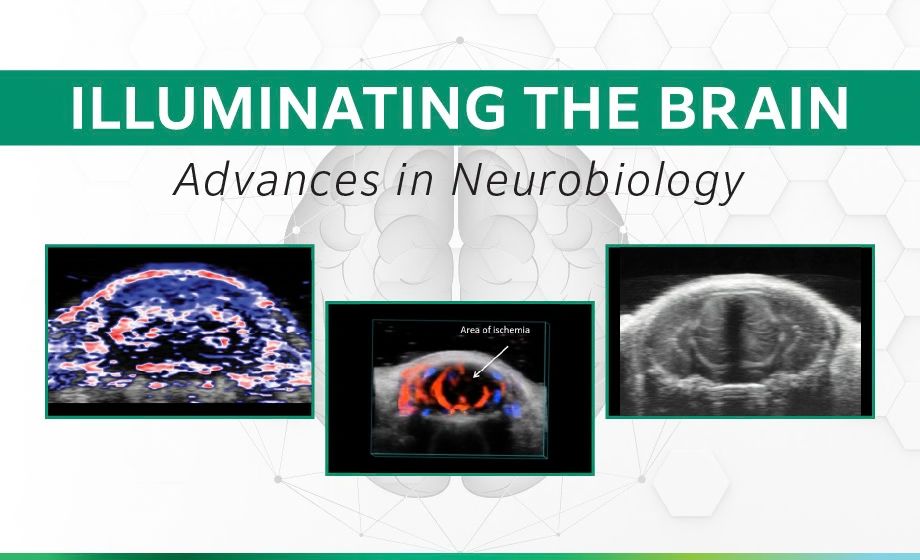
Illuminating the Brain: Advances in Neurobiology
Watch leading experts in neurobiology imaging in a virtual symposium exploring cutting-edge multi-modal approaches using ultra-high frequency ultrasound and photoacoustics.
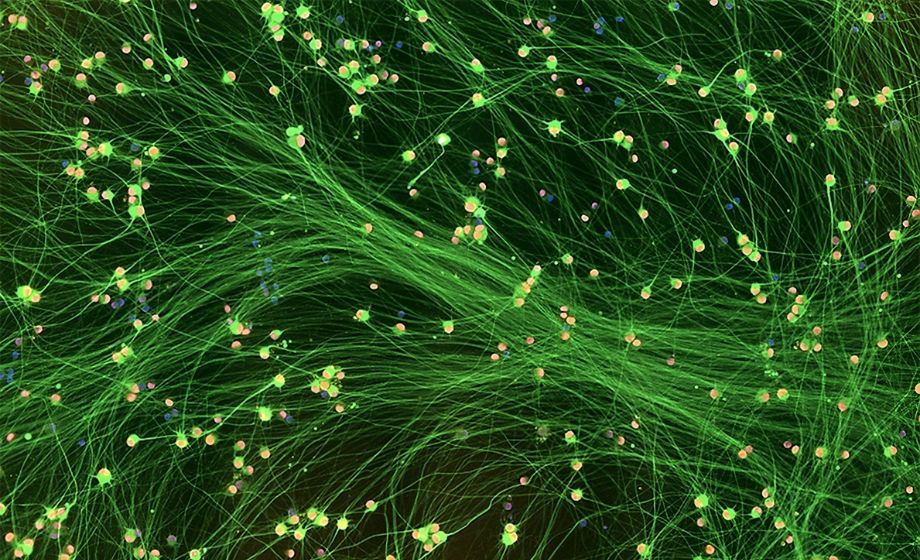
Human iPSC-Derived Sensory Neurons for Functional Sensory Biology and Pharmacology Research
Get an exclusive first look at BrainXell’s newly launched human iPSC-derived sensory neurons and learn how they enable reproducible, human-relevant models for sensory transduction, pharmacology, and ion channel research.

Precision in Human Biological Samples: Leveraging Regulatory Rigor and Deep Data for Advanced Disease Research
In this webinar, experts explore how high-quality biospecimens, longitudinal data, and regulatory rigor drive the future of biomarker discovery and clinical diagnostics.
Using ALS Patient-Derived Motor Neurons to Study TDP-43 Mislocalization
This Q&A Report answers questions from a webinar with Dr. Vera Evanson on iPSC-derived ALS models reproducing hallmark disease phenotypes and their use in evaluating drug responses.
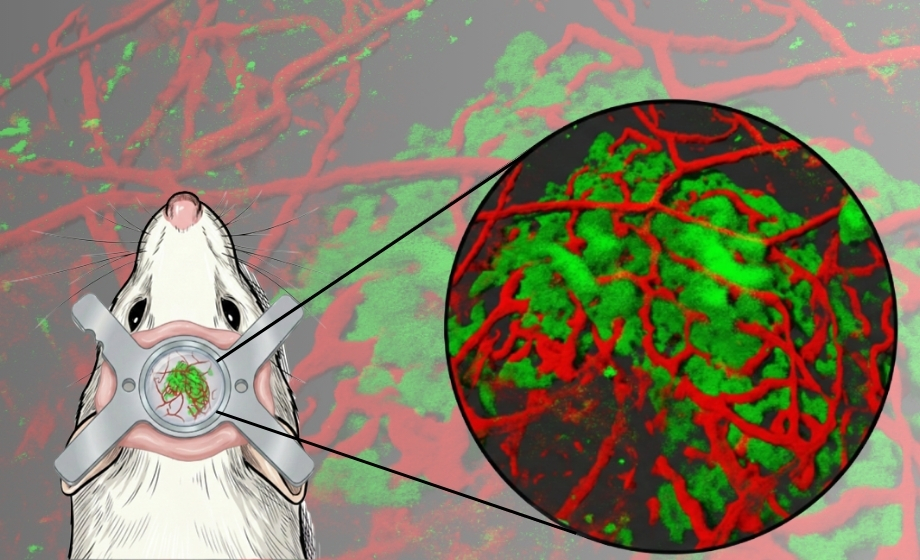
Opening a New Window: Stable Long-Term Imaging of Dura Mater–Transplanted Pancreatic Islets in Awake Mice
Join Drs. Tröster and Köhler as they present a novel dura mater transplantation platform for long-term, anesthesia-free imaging of pancreatic islets in awake mice.
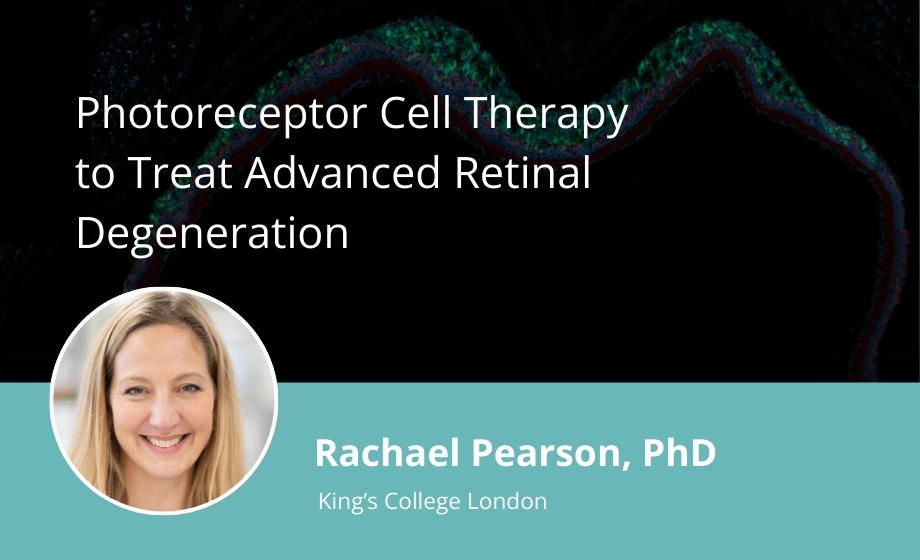
Photoreceptor Cell Therapy to Treat Advanced Retinal Degeneration
Dr. Rachael Pearson explores how transplanting human stem cell-derived cone photoreceptors can functionally restore vision and light-evoked behavior in cases of advanced retinal degeneration.
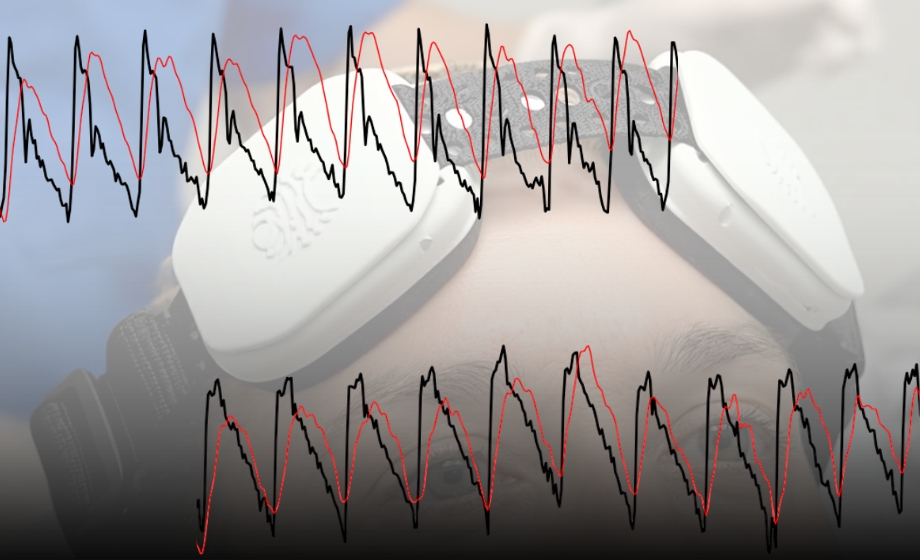
Clinical Applications of Optical Cerebral Blood Flow Imaging
Join Dr. Chris Favilla as he discusses non-invasive measurement of cerebral blood flow and potential applications.
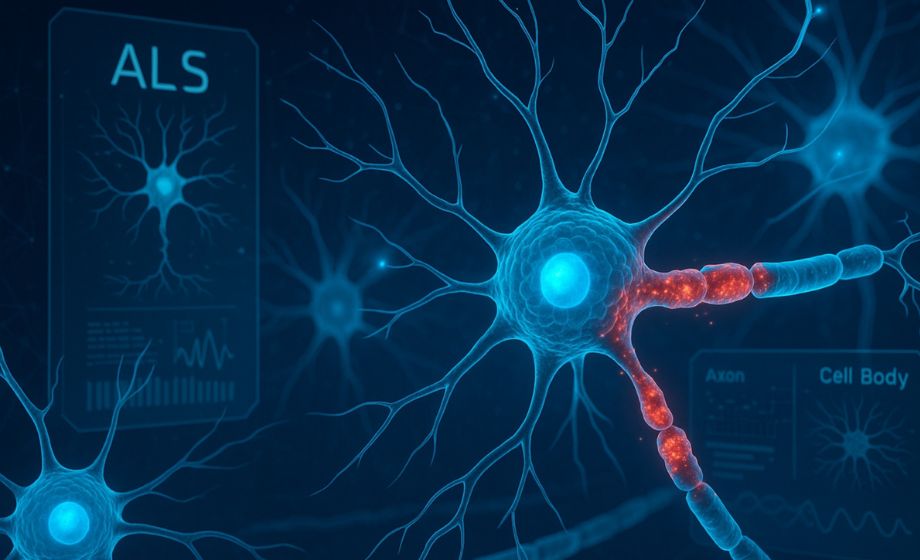
Using ALS Patient-Derived Motor Neurons to Study TDP-43 Mislocalization
In this webinar, Vera Evanson, PhD presents how iPSC-derived ALS models reproduce hallmark disease phenotypes and their use in evaluating drug responses.
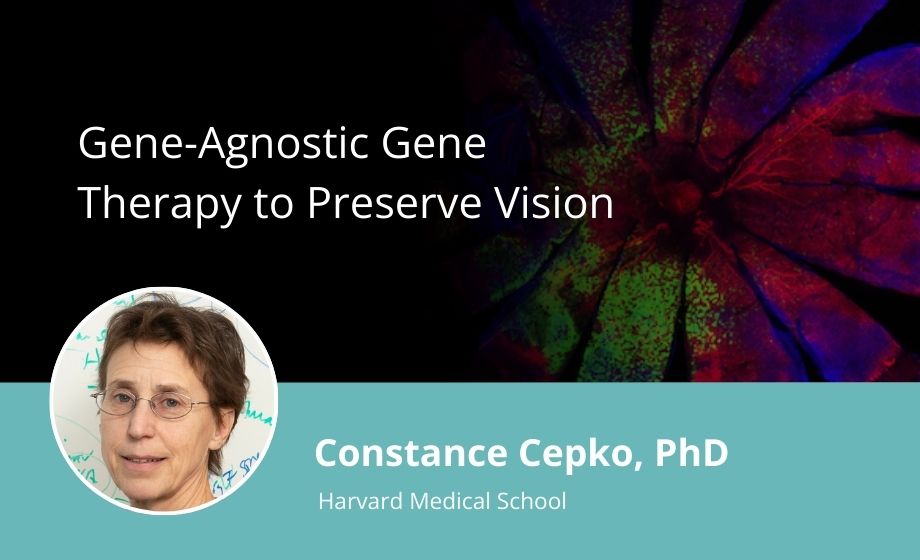
Gene-Agnostic Gene Therapy to Preserve Vision
Watch this Striatech Journal Club to explore a gene therapy approach targeting common oxidative stress and metabolic issues across multiple forms of blindness.
Transcranial Focused Ultrasound Neuromodulation of the Default Mode Network in the Treatment of Depression and Promotion of Wellness
In this webinar, Dr. John Allen will introduce how low-intensity transcranial focused ultrasound (litFUS), a non-invasive, high-precision neuromodulation technique, has the potential to modulate Default Mode Network (DMN) activity. Emerging evidence suggests that litFUS may reduce Repetitive Negative Thinking (RNT) and mood-related symptoms in clinical populations, and also promote emotional wellness in nonclinical groups.
Link Between Skin Problems and Severe Mental Health Outcomes Identified in Psychosis Patients
New research reveals that individuals experiencing their first episode of psychosis and skin problems face a higher risk of depression and suicidal thoughts. Learn how this link could help doctors improve mental health care and patient outcomes. Presented at the ECNP meeting in Amsterdam.
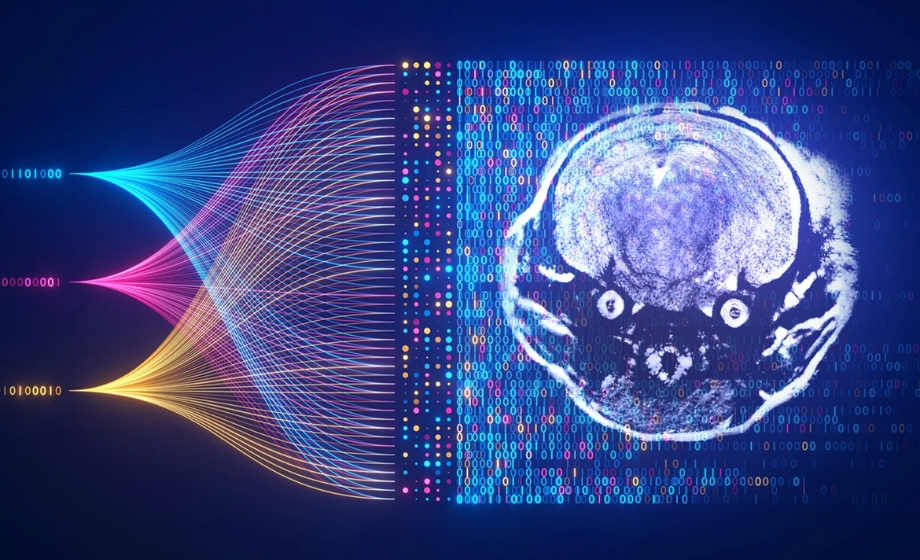
Combination Therapy for Glioblastoma: A Personalized, AI-Driven Approach
Discover how AI-driven models and patient-derived xenografts are advancing personalized combination therapies for glioblastoma.
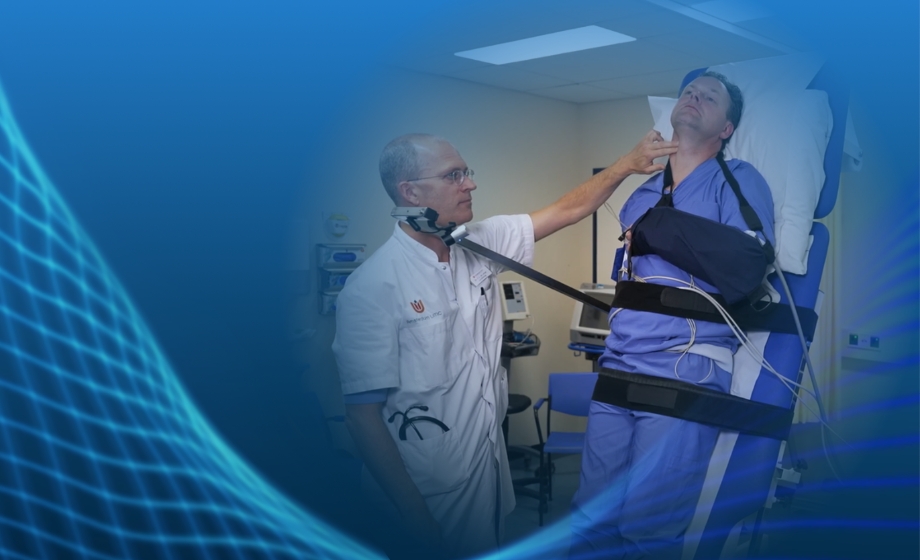
Recent Advances in Diagnosis of Autonomic Syncope
Join Dr. Michele Brignole and Dr. Jelle de Jong as they highlight the efficacy of the 2STEPS protocol and the six-step carotid sinus massage technique in diagnosing and managing autonomic syncope.
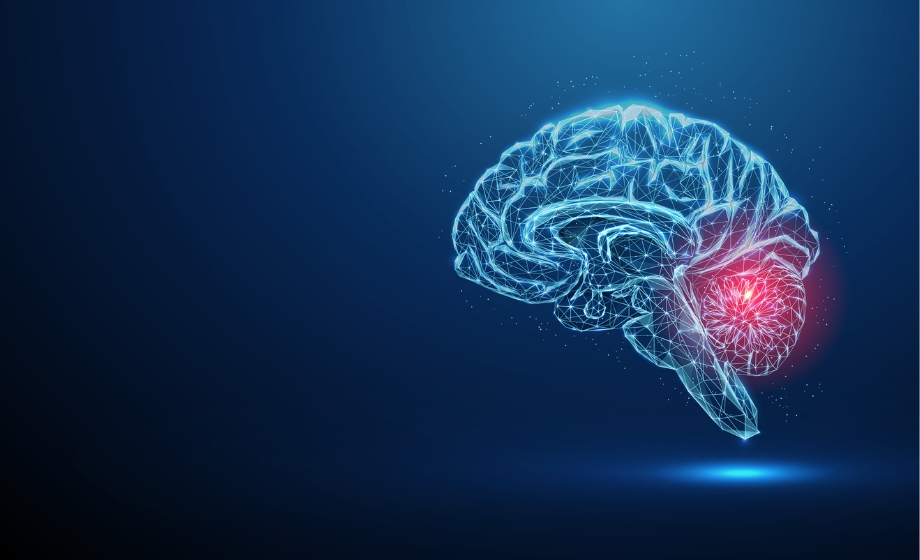
Uniting biology and digital drug discovery to identify new therapeutic opportunities in neurodegeneration
As the FDA and NIH encourage a shift away from animal testing, there’s growing momentum behind New Approach Methodologies (NAMs) — from advanced in vitro models to computational platforms. In this webinar, Concept Life Sciences and Delta4 present a powerful example of what this future looks like in practice.
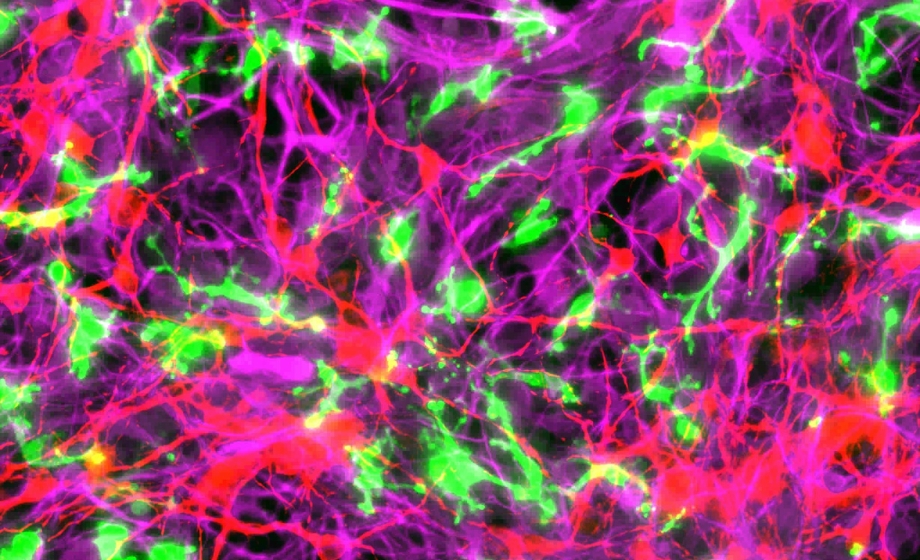
Exploring the iPSC-Derived Neuronal-Glia Co-culture System: A Powerful Drug Discovery Platform for Studying Neurodegenerative Diseases
Learn how FUJIFILM’s iPSC-derived neuron-glia co-culture system supports drug discovery and disease modeling for neurodegenerative disorders.

Centaur: A Controversial Leap Towards Simulating Human Cognition
Read about the debate surrounding Centaur, an AI model claimed to simulate human behavior, as experts weigh its potential and limitations in advancing cognitive science.
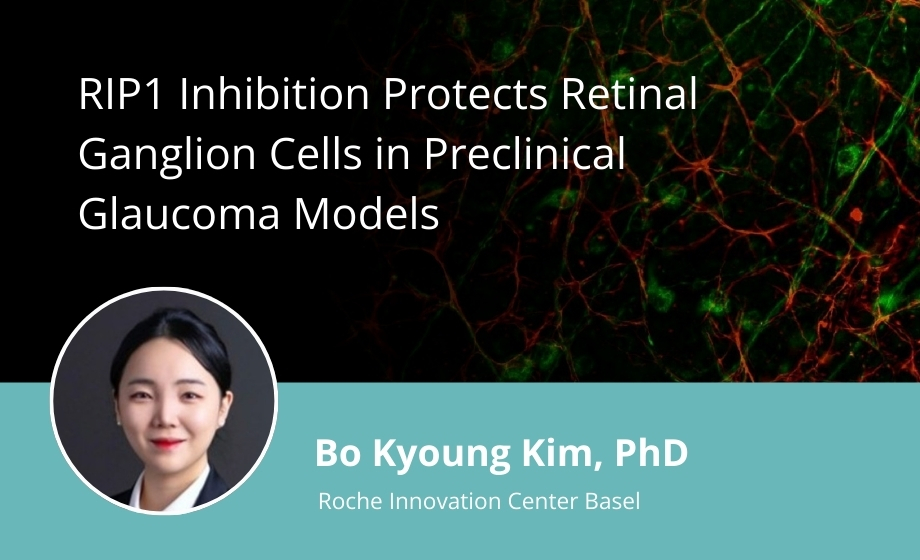
RIP1 Inhibition Protects Retinal Ganglion Cells in Preclinical Glaucoma Models
In this webinar, Bo Kyoung Kim, PhD discusses RIP1 kinase's role in glaucoma and its potential as a therapeutic target to preserve vision.

When Smoke Gets in Your Brain: Wildfires and the Lung-Brain Axis
Learn how combustion products from wildfires penetrate the brain, disrupt the blood-brain barrier, and cause persistent inflammation, with researchers also examining the reproductive toxicity and epigenetic risks associated with smoke exposure.
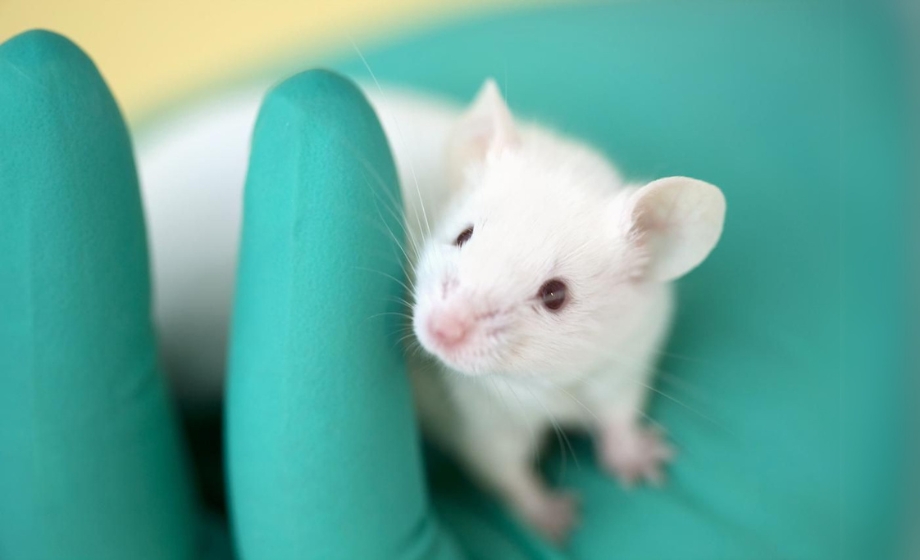
Animal Welfare in Surgery: Then and Now
In this presentation, Dr. René Remie transports you back five decades to explore the foundational principles of surgery that have evolved into what we now recognize as Good Surgical Practice (GSP).