
In this webinar, Stella Goulopoulou, PhD, discusses her research on pattern recognition receptors and the role of circulating cell-free mitochondrial DNA in preeclampsia pathogenesis and the related outcomes.
Preeclampsia is a multisystem hypertensive disorder of pregnancy that affects 5-8% of all pregnancies and significantly increases risk of long-term cardiovascular disease-related maternal mortality and morbidity. Preeclampsia was first described by Hippocrates in Ancient Greece. Despite advancements in biology and medicine since 400 BC, the etiology of preeclampsia remains unknown, and it is still a leading cause of maternal deaths.
This webinar will discuss Dr. Stella Goulopoulou’s research on the contribution of the placenta to circulating cell-free mitochondrial DNA in preeclampsia and the resulting vasoactive and inflammatory effects.
Key Topics Include:
- Define theoretical models of preeclampsia pathogenesis
- Describe the contribution of the placenta to circulating cell-free mitochondrial DNA in preeclampsia
- Define the inflammatory and vasoactive effects of circulating cell-free mitochondrial DNA in preeclampsia
Click to watch the webinar recording. To view the presentation full screen simply click the square icon located in the bottom-right corner of the video-viewer.
Resources

Presenters

Associate Professor
Lawrence Longo Center for Perinatal Biology
Loma Linda University
Dr. Goulopoulou is an Associate Professor in the Lawrence Longo Center for Perinatal Biology at Loma Linda University, Loma Linda, California. Her research program focuses on vascular physiology, with emphasis on immune and inflammatory underpinnings of female vascular dysfunction in obstetric and gynecologic disorders.
Additional Content From American Physiological Society
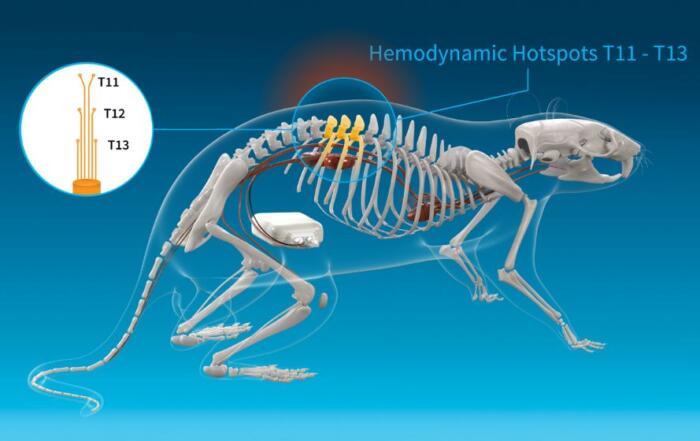
Engineering Neuromodulation for Cardiovascular Instability
Dr. Aaron Phillips traces the translational journey of a discovery that began in a foundational laboratory and is now advancing through pivotal clinical trials aimed at stabilizing cardiovascular function.

Skeletal Muscle Circadian Clocks: Keeping Time for Systemic Health
Dr. Karyn Esser presents the critical role of skeletal muscle circadian clocks in maintaining muscle strength, metabolic health, and systemic adaptations to endurance exercise.

Redox Regulation of Skeletal Muscle: A Journey from Liverpool to the International Space Station
Dr. Anne McArdle and Dr. Malcolm Jackson explore groundbreaking research from the Muscle Laboratories at the University of Liverpool. They examine how redox regulation influences the adaptive responses of skeletal muscle during physical activity and how these processes evolve with age.
Additional Content From Scientist.com
How to Avoid Expensive Redesign Cycles in Antibody Discovery
Learn how integrated antibody discovery and engineering strategies can accelerate the path from hit to optimized lead in less than 12 months while minimizing costly redesign cycles.

Beyond Exposure: Integrating PK/PD for Translational Predictive Power
Learn to integrate PK/PD modeling and strategic biomarkers to bridge the translational gap. Improve clinical predictability for NCEs, ADCs, and large molecules in this technical webinar.
Advancing the Manufacture of Mesenchymal Stromal Cells and Derived Extracellular Vesicles in Stirred-Tank Bioreactors Through Enhanced Bioprocess Control
Learn how to scale the production of MSCs and extracellular vesicles using bioreactor control and real-time monitoring for more consistent therapies.
Additional Content From Society for Women’s Health Research

Hypertension and Hypothalamic Changes in a Mouse Model of Menopause
Dr. Teresa Milner presents research using a mouse model of accelerated ovarian failure to explore estrogen's role in menopausal hypertension, highlighting the therapeutic potential of estrogen receptor beta agonists during menopause transition.
New Treatments for Vasomotor Symptoms Due to Menopause
Dr. JoAnn Pinkerton delves into the vasomotor symptoms associated with menopause, the current understanding of the physiological mechanisms involved, and the pharmacotherapies and treatments available.
Challenges and Opportunities for Treatment of Metastatic Breast Cancer
Join Dr. Marsha Rosner as she explores innovative strategies and novel approaches to tackle the challenges of metastatic triple-negative breast cancer, a particularly aggressive form of cancer affecting a diverse group of women.
Related Content
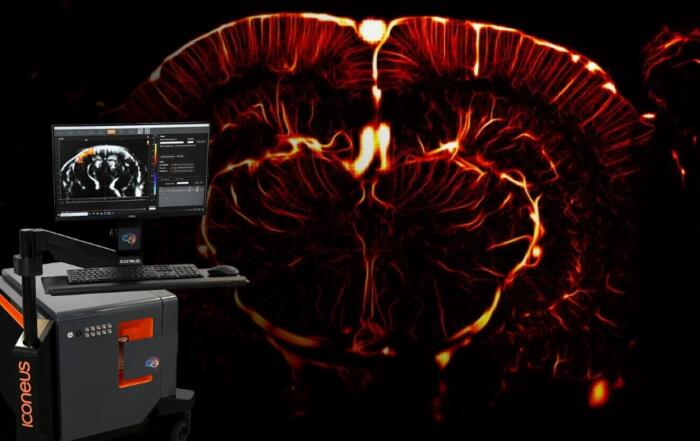
Functional Ultrasound Demonstration and Live Q&A: Iconeus One, a Pioneer in Real-Time Whole-Brain Imaging
Join us for an online session to discover the capabilities of functional ultrasound (fUS) with the Iconeus One system.
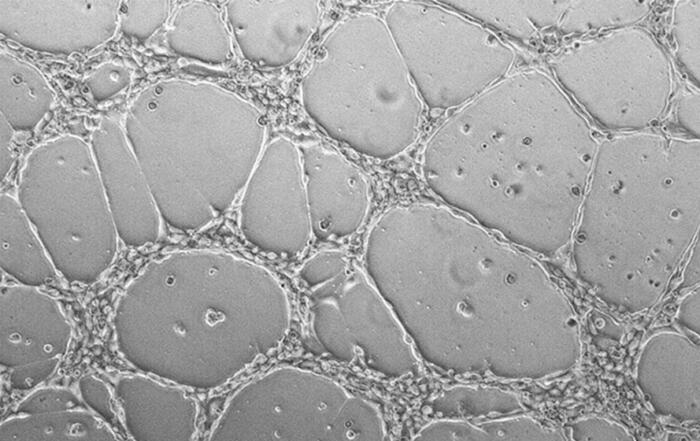
Building New Approach Methodologies for Angiogenesis and Vascularized Models
Join us for an insightful webinar exploring Lonza’s comprehensive portfolio of primary human cells and optimized media systems.

Transcranial Focused Ultrasound Neuromodulation of the Default Mode Network in the Treatment of Depression and Promotion of Wellness
In this webinar, Dr. John Allen will introduce how low-intensity transcranial focused ultrasound (litFUS), a non-invasive, high-precision neuromodulation technique, has the potential to modulate Default Mode Network (DMN) activity. Emerging evidence suggests that litFUS may reduce Repetitive Negative Thinking (RNT) and mood-related symptoms in clinical populations, and also promote emotional wellness in nonclinical groups.