
In this webinar, Dr. Conor McCartin discusses how phage display can be used for human antibody development.
While Phage Display panning on naïve libraries combined with costly affinity maturation strategies have allowed the successful development of neutralizing antibodies, it also leads to failures and aborted projects. One reason for this is the immune tolerance of a naïve library that is sometimes ineffective at identifying binders against important and/or highly expressed human targets. An efficient way to access high-affinity, fully human antibodies against such targets is thus essential for human cancer therapy.
In this webinar, Dr. Conor McCartin discusses innovative technologies to develop such antibodies using human phage display. These strategies include:
- A cross-panning protocol for a successful identification of neutralizing binders.
- Phage display libraries to allow an efficient identification of neutralizing binders through competitive ELISA.
- A new human cancer library constructed from the PBMCs of cancer patients as an efficient solution to counter immune tolerance.
Key Topics Include:
- Efficient identification of neutralizing antibodies
- Strategic development of human phage libraries to break immune tolerance
- Strategies to augment phage display-based discovery
Click to watch the webinar recording. To view the presentation full screen simply click the square icon located in the bottom-right corner of the video-viewer.
Resources


Presenters

Account Manager
Monoclonal Antibody Development
ProteoGenix
A Biotechnology graduate from the University of Galway, Ireland, Conor’s studies widened into the domain of Chemical Biology when he moved country to study for his master’s degree in the renowned Chemistry Faculty of the University of Strasbourg, France. From here, he continued to apply his interdisciplinary knowledge from these studies, as well as from several internships in fundamental cancer research, to his Ph.D. focused on developing and studying the mechanisms of new metal-based anti-cancer stem cell chemotherapeutics. This thesis partially revealed the mechanisms of interesting anti-cancer stem cell candidate molecules (described through four publications) and has been honored by prizes from both the Biological Society of Strasbourg and the University of Strasbourg. Since the conclusion of this Ph.D., Conor has since given leave to bench work in order to join ProteoGenix as an Account Manager focused on research and development of monoclonal antibodies.
Production Partner
ProteoGenix
Founded in 2003, ProteoGenix has evolved from its roots in developing diagnostic assays and biotherapeutics to become a leading contract research organization and a trusted partner in the biopharma industry. With a focus on high-quality antibodies and proteins, the company plays a pivotal role in advancing biomolecules from early discovery to clinical applications. Offering comprehensive services in six key areas—antibody engineering, bioprocess development, monoclonal and polyclonal antibody development, recombinant protein and antibody production, gene synthesis, and peptide synthesis—ProteoGenix is a one-stop solution for researchers and developers. With over 15 years of experience, innovative R&D contributions like the XtenCHO™ cell line, and an extensive catalog of over 200,000 products, ProteoGenix stands as a cornerstone in the life sciences community, dedicated to improving the success rate of clinical applications in biopharma.
Additional Content From ProteoGenix

Advancing Your Innovation: Navigating the Complexity of Stable Cell Line Development
Join experts from ProteoGenix and Eurofins as they share strategies and solutions to streamline stable cell line development, ensuring high yields, clonal homogeneity, and seamless GMP transitions for biopharmaceutical success.
Additional Content From Scientist.com
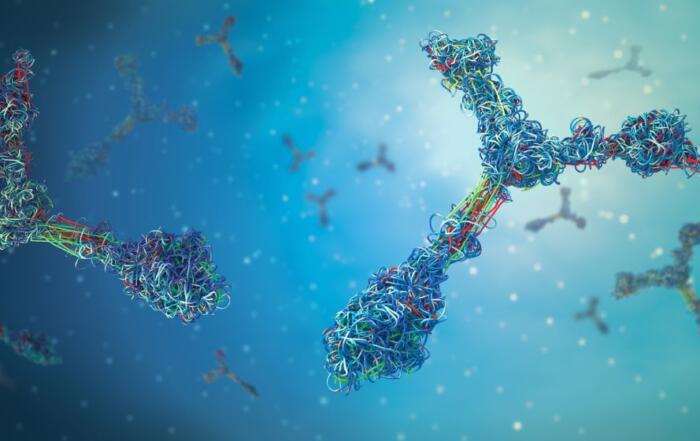
How to Avoid Expensive Redesign Cycles in Antibody Discovery
Learn how integrated antibody discovery and engineering strategies can accelerate the path from hit to optimized lead in less than 12 months while minimizing costly redesign cycles.
Beyond Exposure: Integrating PK/PD for Translational Predictive Power
Learn to integrate PK/PD modeling and strategic biomarkers to bridge the translational gap. Improve clinical predictability for NCEs, ADCs, and large molecules in this technical webinar.
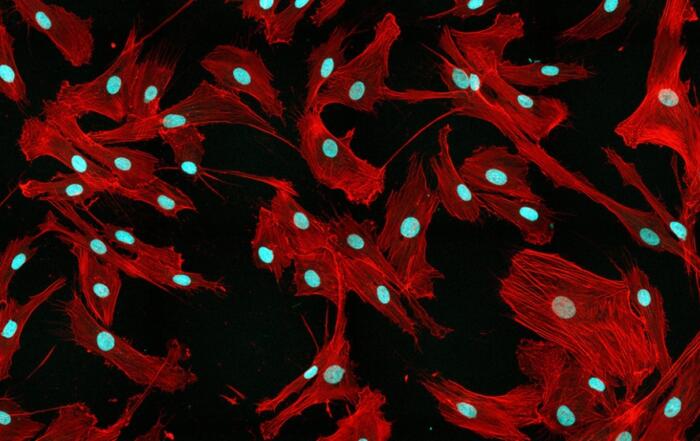
Advancing the Manufacture of Mesenchymal Stromal Cells and Derived Extracellular Vesicles in Stirred-Tank Bioreactors Through Enhanced Bioprocess Control
Learn how to scale the production of MSCs and extracellular vesicles using bioreactor control and real-time monitoring for more consistent therapies.