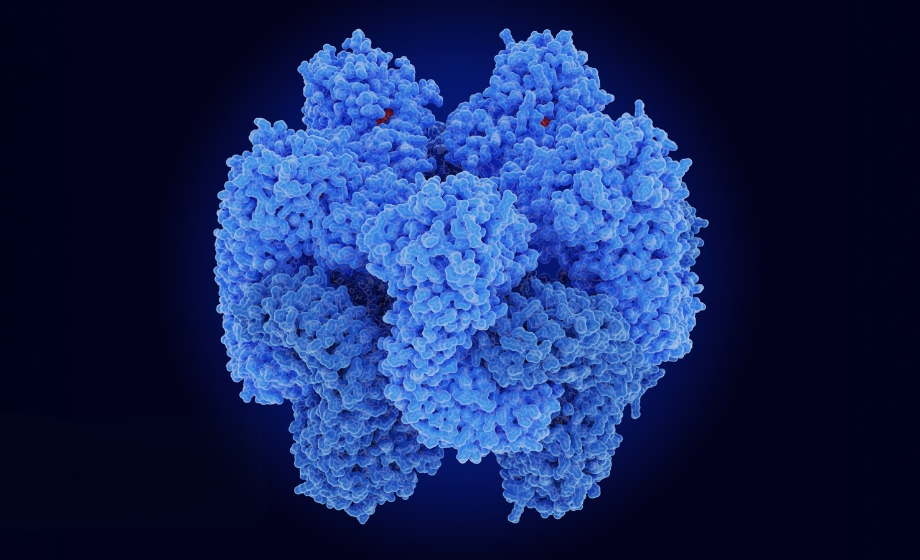
Translational Success in Inflammasome Drug Discovery: How Advanced Models and Integrated Assays Can Reduce Attrition
Join Professor Luke O’Neill (Trinity College Dublin) and Dr Elise Malavasi ( Associate Director of Neurosciences Concept Life Sciences) for this webinar that explores recent advances in inflammasome science, and highlights how selecting appropriate in vitro models and meaningful readouts is essential for accurately assessing therapeutic potential.
De-Risking Immunotherapy Targets with Next-Gen HLA Discovery Platforms
Dr. Rico Buchli and the HLA Protein Technologies team provide answers to questions from their webinar on next-generation soluble HLA peptide discovery platforms to strengthen early immunotherapy R&D.
Bridging Mouse Models and Human Inflammatory Bowel Disease: in vivo Pharmacology, Histology and Biomarkers
Three experts from Novalix present optimized T cell transfer-induced colitis models for IBD drug validation, utilizing AI-enhanced histology and flow cytometry to evaluate therapeutic efficacy.
How to Avoid Expensive Redesign Cycles in Antibody Discovery
Learn how integrated antibody discovery and engineering strategies can accelerate the path from hit to optimized lead in less than 12 months while minimizing costly redesign cycles.

Fulfilling the Gap: Innovative Critical Reagents for Non-Human Primate Preclinical Studies
Watch to learn the tools that can support more accurate immune profiling and biomarker analysis in NHP-based preclinical research.
Next-Generation TCR-Like Antibodies With Improved Specificity Profiles
Discover how YUMAB’s pHLA display library identifies highly specific TCR-like antibodies to target undruggable cancer epitopes with improved safety profiles.
De-Risking Immunotherapy Targets with Next-Gen HLA Discovery Platforms
In this webinar, Rico Buchli, PhD, shares how next-generation soluble HLA peptide discovery platforms can strengthen early immunotherapy R&D - from target identification and confirmation to receptor/drug validation and translational decision-making.
In Vivo panCAR™ Therapy Using Circular RNA for the Treatment of Autoimmune Disease
Learn how in vivo panCAR™ therapy, based on circular RNA and lipid nanoparticles, enables transient CAR expression and B cell depletion in preclinical models of autoimmune disease.
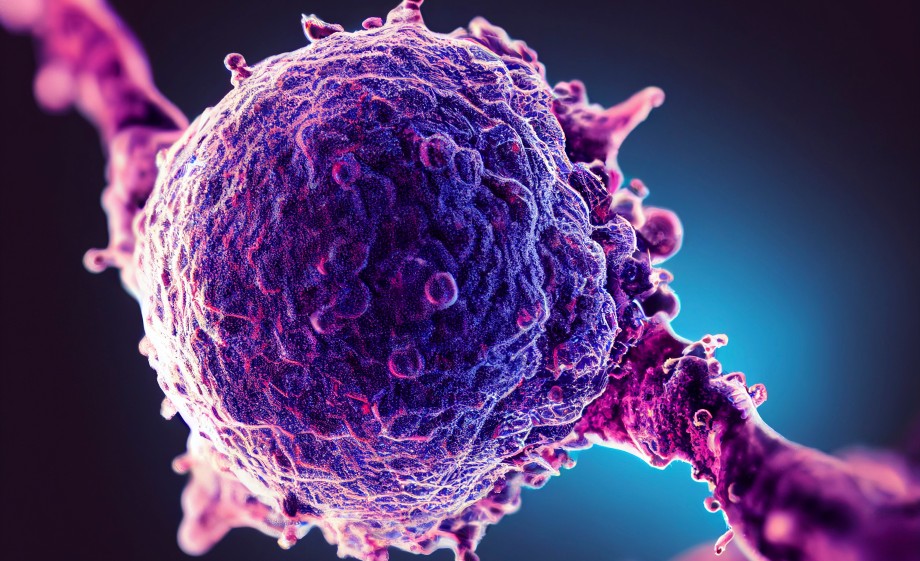
Beyond Checkpoints: Strategic Use of CDX Models in Emerging IO Therapies
Learn how enhanced CDX models with humanized immune systems improve preclinical-to-clinical success in emerging immuno-oncology therapies.
Optimizing Macrophage Polarization and Phagocytosis Assays
In this technical note, Lonza introduces a flexible, high-throughput workflow for generating and characterizing macrophage subtypes from cryopreserved PBMCs or CD14⁺ monocytes.
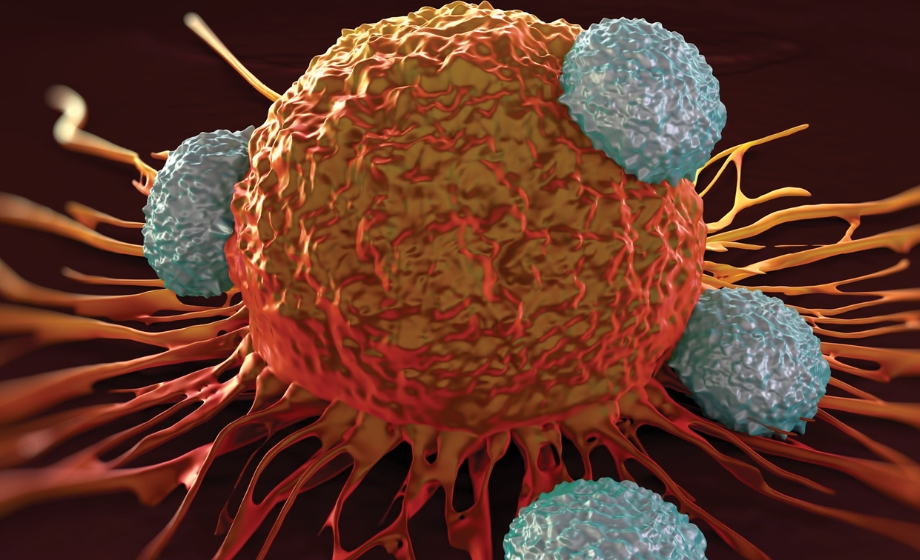
Vaccine-Boosting CAR T Cells Against Solid Tumors
Learn how a novel amphiphilic ligand boosts CAR T cells in vivo, enhances tumor targeting, and activates endogenous immunity—offering a promising new strategy for treating solid tumors.
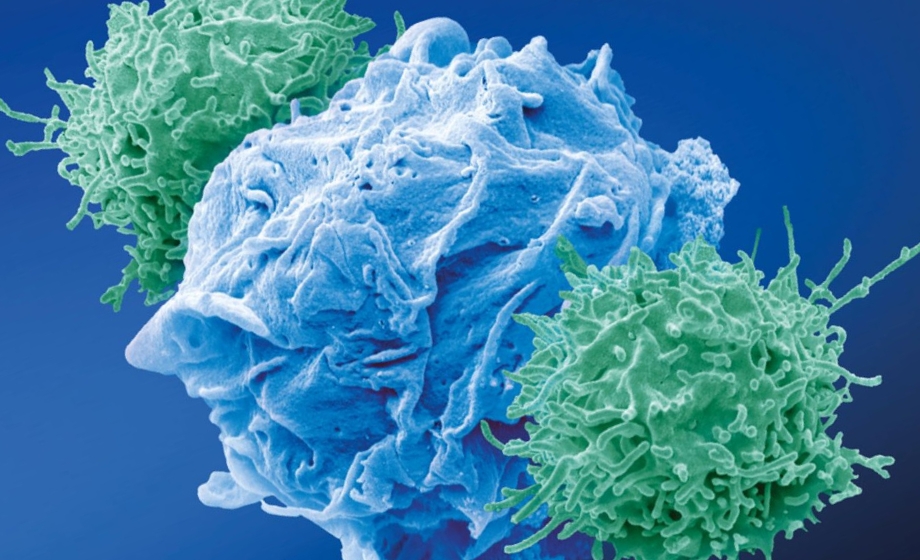
Advances in Preclinical Research using Human Co-culture Models: Applications in Immunology, Infectious Disease, and Oncology
Join Dr. Ethan Shelkey as he discusses human primary co-culture models with immune cells that are used in infectious disease studies and cancer therapeutic testing.
Cell-Based Assays for Immuno-oncology
Join Lonza scientist Ethan Shelkey as he explores how cell-based assays can assess immune activation and support immunotherapy development.
CAR Finder – A Platform for Rapid CAR T Cell Screening
Dr. Sandy Tretbar introduces CAR Finder Technology and shares practical strategies to improve mRNA-based CAR T cell screening and selection.
CRISPR Gene Editing in Primary T Cells: A Case Study in the Fight Against HIV
Get practical insight into CRISPR-Cas9 gene editing in primary immune cells and how it can be applied to study drug action in a physiologically relevant model.
Fresh or Cryopreserved Leukopaks? Assessing the Impact of Different Storage Conditions on Leukopak Stability
Join Dr. Wassim Basheer from Charles River Laboratories as he shares impactful data looking at stability of fresh and cryopreserved leukopaks.
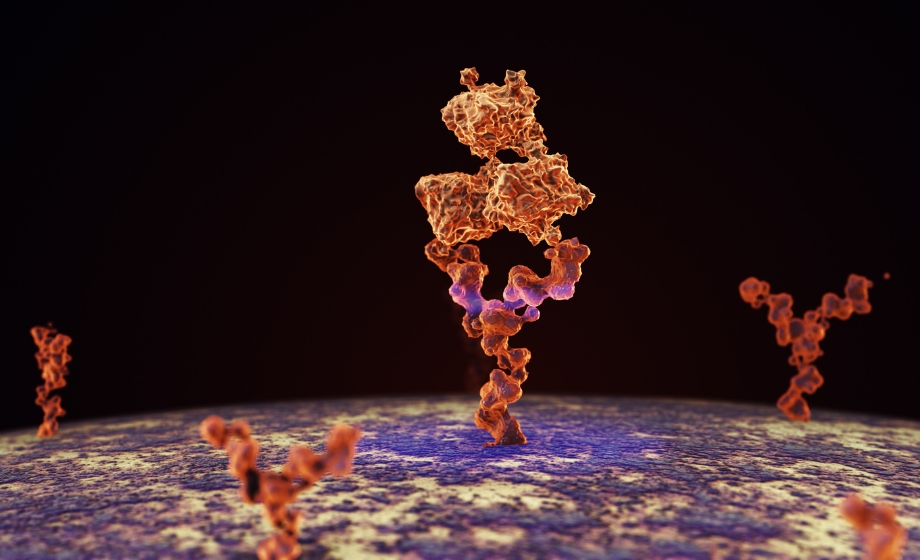
Discovery and Engineering of High-Affinity Soluble T Cell Receptors via a High-Throughput Yeast-Based Platform
Join Dr. Garrett Rappazzo as he presents his team’s research on the discovery and engineering of soluble T cell receptors for peptide-HLA targeting therapeutics.
Advancing Your Innovation: Navigating the Complexity of Stable Cell Line Development
Join experts from ProteoGenix and Eurofins as they share strategies and solutions to streamline stable cell line development, ensuring high yields, clonal homogeneity, and seamless GMP transitions for biopharmaceutical success.
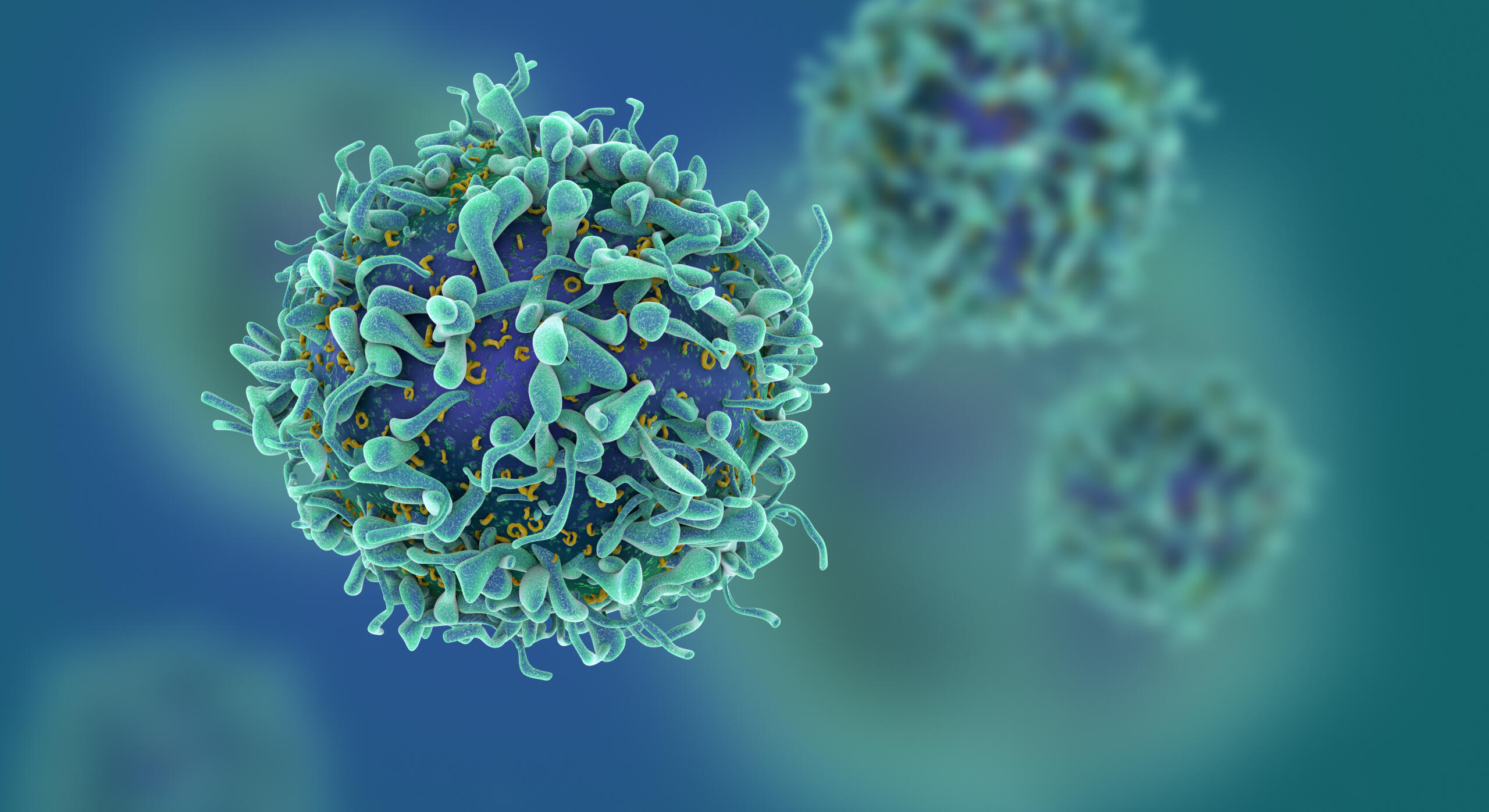
The Impact of Nutrition on T Cell Fate and Exhaustion
Researchers at the Salk Institute have discovered that a switch from acetate to citrate as a nutritional source significantly influences T cell identity, particularly transforming active effector T cells into exhausted ones in chronic infections like cancer and HIV.
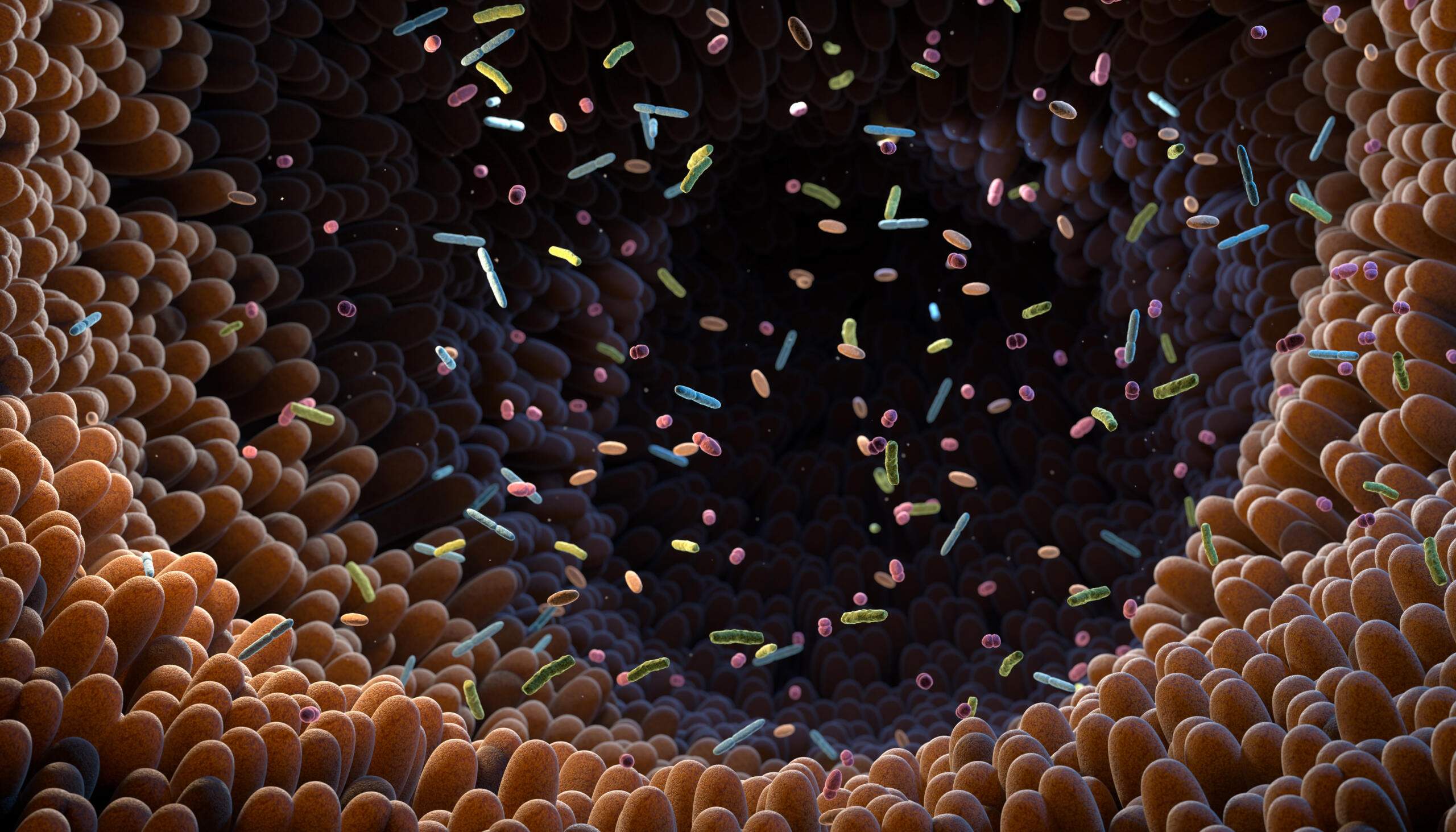
The Complexities and Risks of Microbiome Interventions for Children
Probiotics, touted for their health benefits, are raising FDA safety warnings and concerns about their use in infants, while regulatory challenges similarly impact fecal microbiota transplants (FMT). Consequently, medical professionals urge caution with probiotics and FMT in vulnerable groups, emphasizing potential risks over benefits.
How to Optimize Your T Cell Therapy Workflow—Without the Use of Serum or Feeder Cells
Optimize T cell therapy with serum-free solutions using GMP ImmunoCult™ and expert tips in this Q&A Report.
Reprogramming the Brain Tumor Microenvironment to Enhance Anti-Tumor Immunity
This Q&A report covers essential topics in reprogramming the brain tumor microenvironment, including macrophage roles, cytokine expression, and approaches to overcoming tumor immunosuppression.
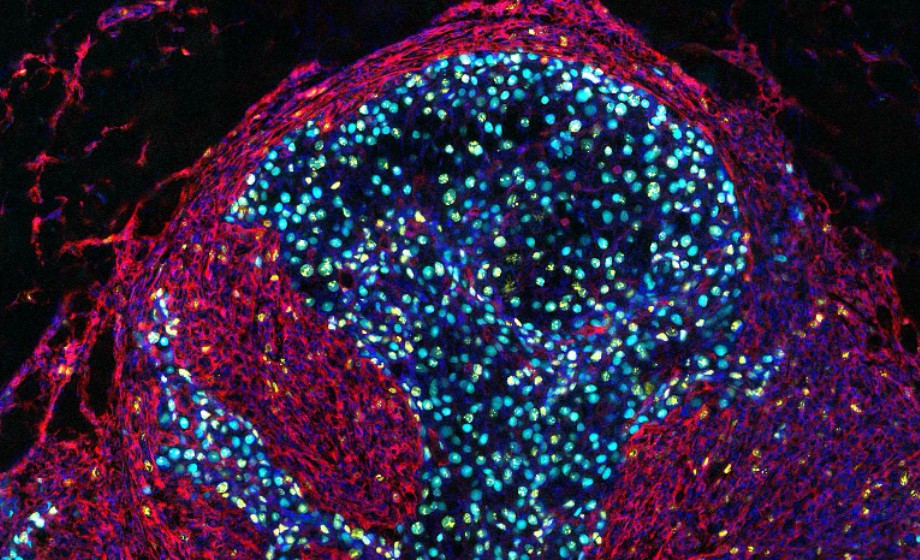
Unraveling Immunotherapy Resistance in Advanced Melanoma: Novel Insights from Longitudinal Spatial Multiomics Studies
Explore immunotherapy resistance in melanoma with Dr. Camelia Quek through advanced spatial multiomics and single-cell analysis insights.
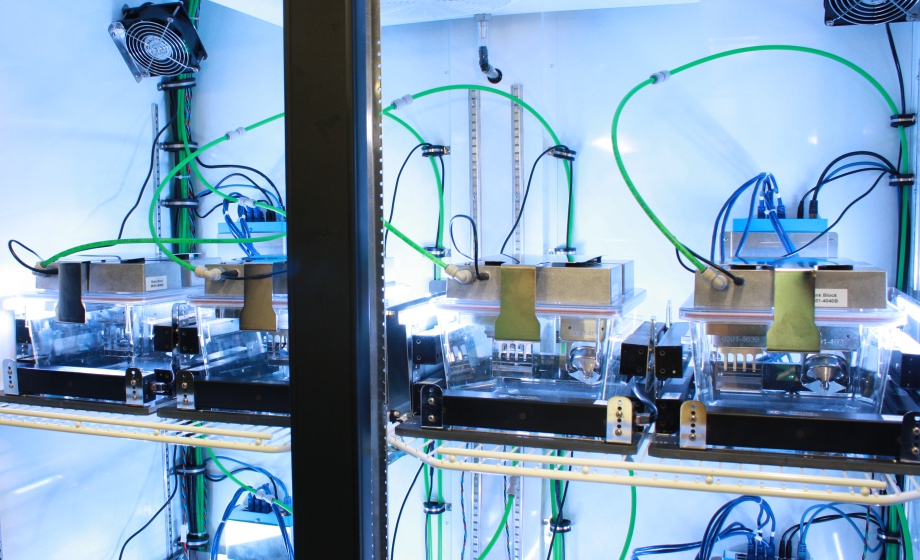
Deconstructing the Effects of Dietary Fat on Intestinal Cellular Networks
Join Semir Beyaz, PhD as he discusses the effects of dietary fat on the intestinal epithelium, immune cells, and the gut microbiome.