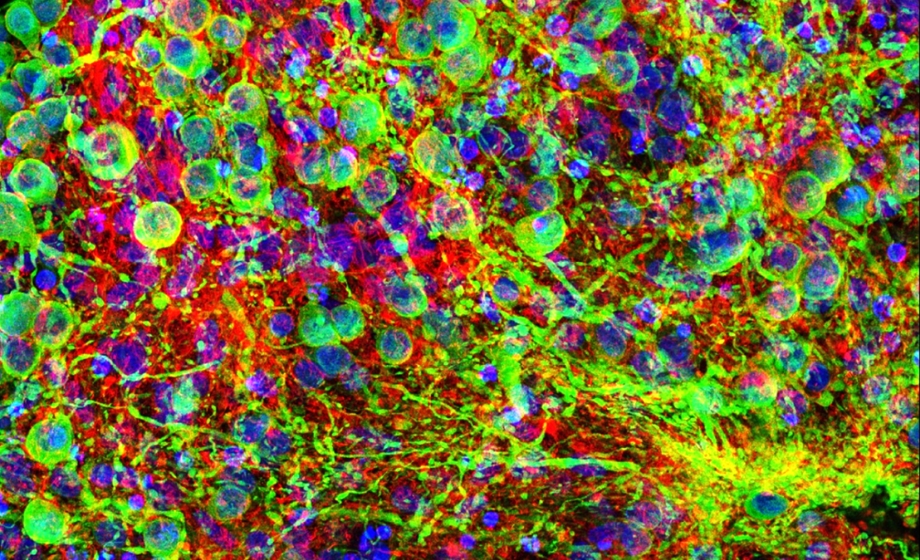
Detecting Early Synaptic Failure in Prion Disease Using Organoid Models
Join our webinar to see how early synaptic dysfunction can be captured with long-term organoid electrophysiology using Mesh MEA.
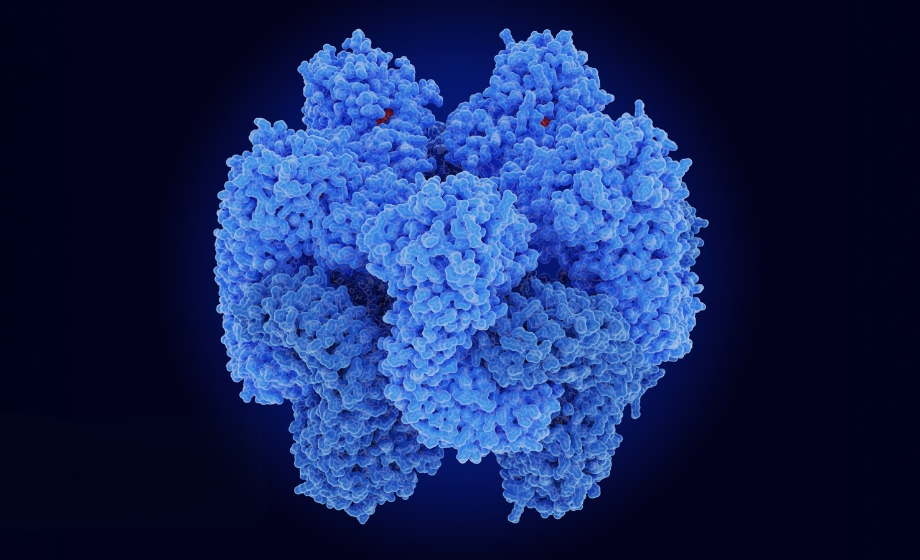
Translational Success in Inflammasome Drug Discovery: How Advanced Models and Integrated Assays Can Reduce Attrition
Join Professor Luke O’Neill (Trinity College Dublin) and Dr Elise Malavasi ( Associate Director of Neurosciences Concept Life Sciences) for this webinar that explores recent advances in inflammasome science, and highlights how selecting appropriate in vitro models and meaningful readouts is essential for accurately assessing therapeutic potential.
Epigenomics at 360° in Liquid Biopsy: Approaches and Case Studies for Biomarker Discovery and Drug Development
Dr. Matteo Tosolini and Dr. Jessica Apulei from Hologic Diagenode answer questions from their webinar on epigenomics as a dynamic regulatory layer beyond genetics and liquid biopsies as a means of obtaining multimodal biomarker readouts.
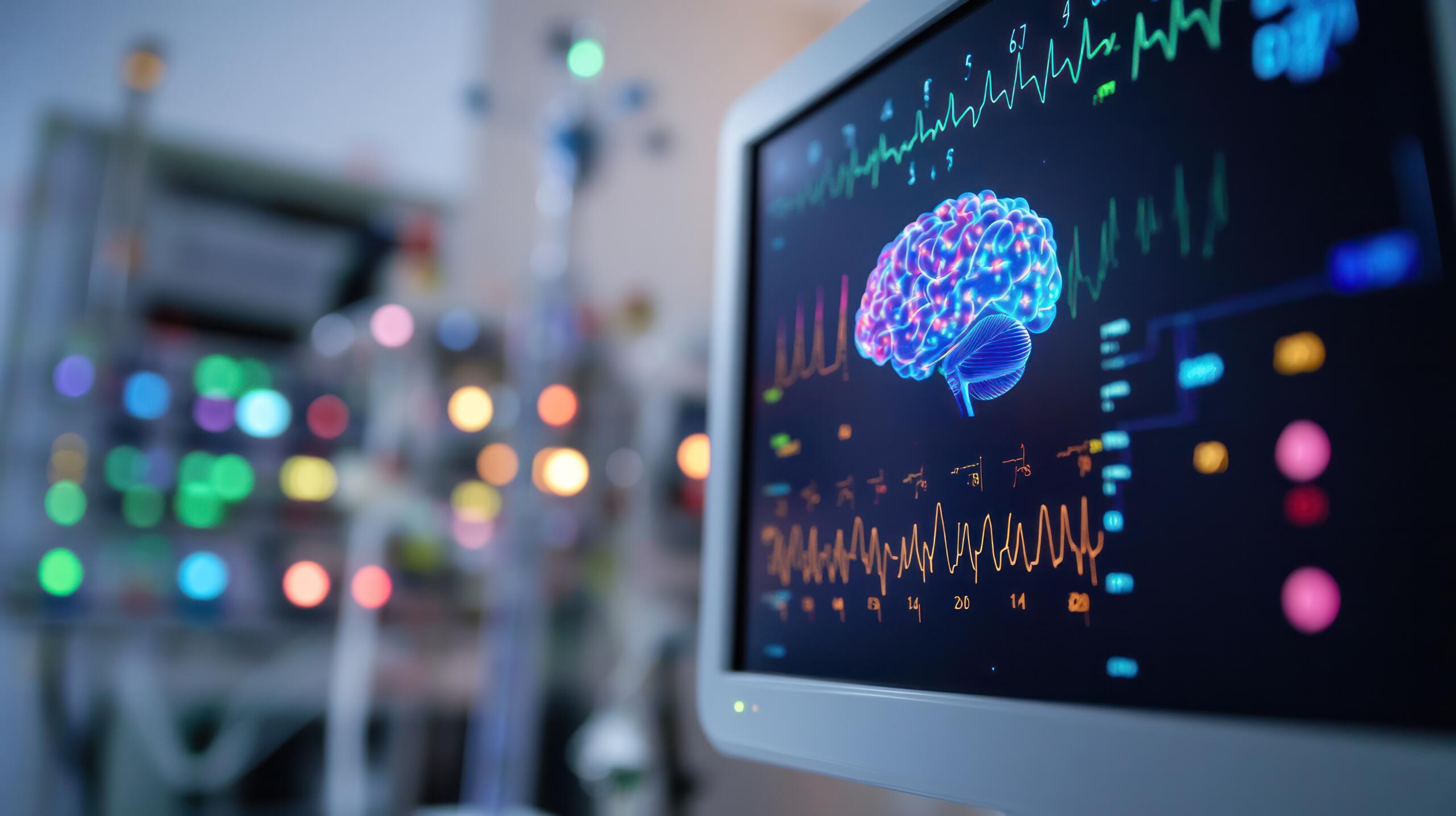
Improving Preclinical Decision-Making in Obesity and CKD with Translational In Vivo Phenotyping
Join us to learn how in-depth in vivo phenotyping using patient-relevant models can improve preclinical decision-making.
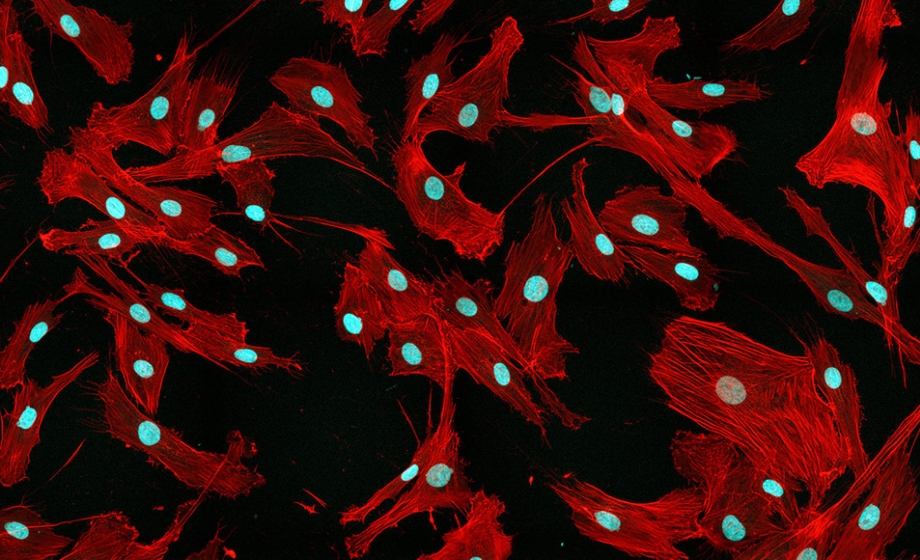
Advancing the Manufacture of Mesenchymal Stromal Cells and Derived Extracellular Vesicles in Stirred-Tank Bioreactors Through Enhanced Bioprocess Control
Learn how to scale the production of MSCs and extracellular vesicles using bioreactor control and real-time monitoring for more consistent therapies.
De-Risking Immunotherapy Targets with Next-Gen HLA Discovery Platforms
Dr. Rico Buchli and the HLA Protein Technologies team provide answers to questions from their webinar on next-generation soluble HLA peptide discovery platforms to strengthen early immunotherapy R&D.
Opening a New Window: Stable Long-Term Imaging of Dura Mater–Transplanted Pancreatic Islets in Awake Mice
Dr. Philip Tröster, Dr. Martin Köhler, and the Neurotar team provide answers to questions from their webinar on long-term imaging of dura mater–transplanted pancreatic islets in awake mice.
Bridging Mouse Models and Human Inflammatory Bowel Disease: in vivo Pharmacology, Histology and Biomarkers
Three experts from Novalix present optimized T cell transfer-induced colitis models for IBD drug validation, utilizing AI-enhanced histology and flow cytometry to evaluate therapeutic efficacy.
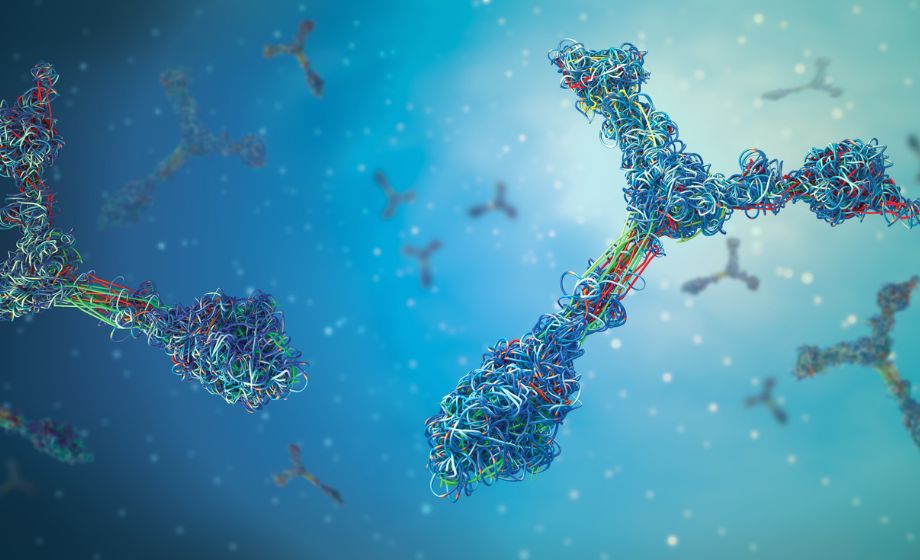
How to Avoid Expensive Redesign Cycles in Antibody Discovery
Learn how integrated antibody discovery and engineering strategies can accelerate the path from hit to optimized lead in less than 12 months while minimizing costly redesign cycles.
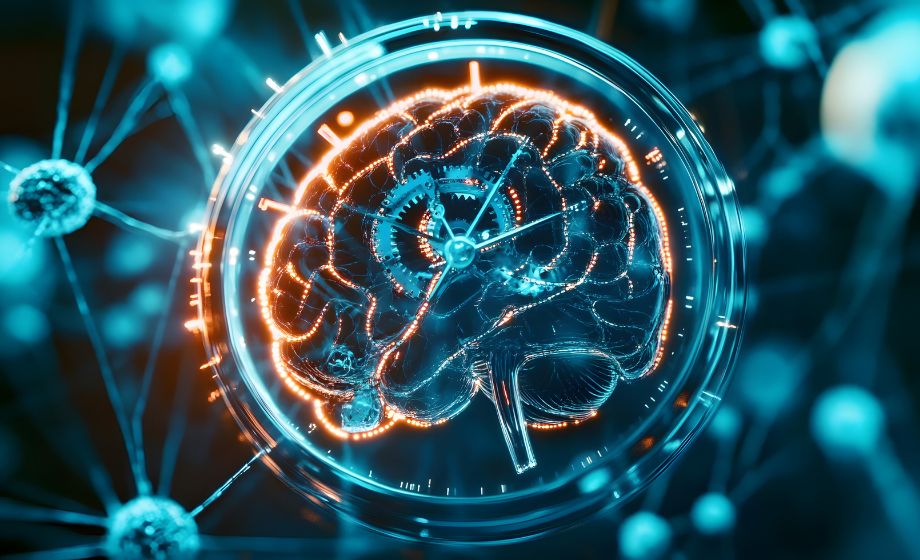
Skeletal Muscle Circadian Clocks: Keeping Time for Systemic Health
Dr. Karyn Esser presents the critical role of skeletal muscle circadian clocks in maintaining muscle strength, metabolic health, and systemic adaptations to endurance exercise.
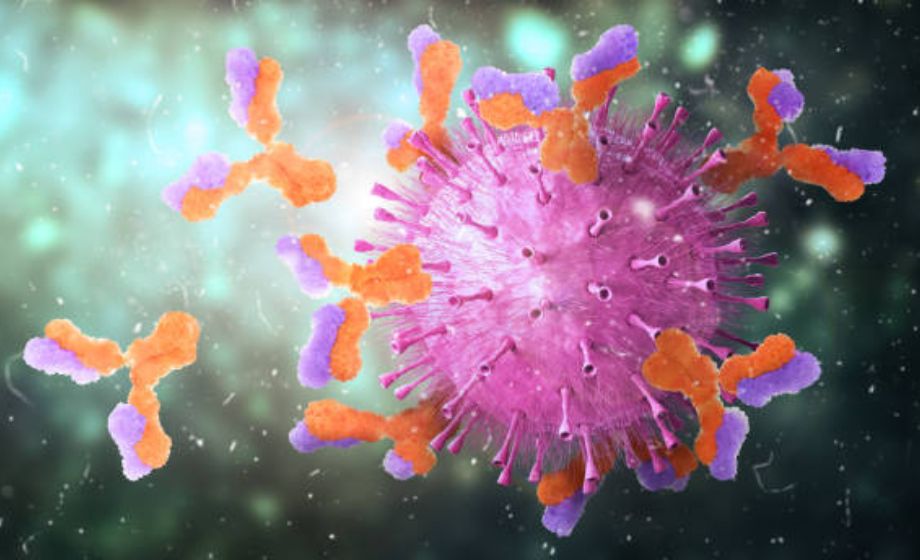
Accelerating Antibody Discovery: Integrating Microfluidics, HT Expression, and Early Developability Platform
In this webinar, Dr. Lei Shi introduces Biointron's antibody discovery platform and applications.
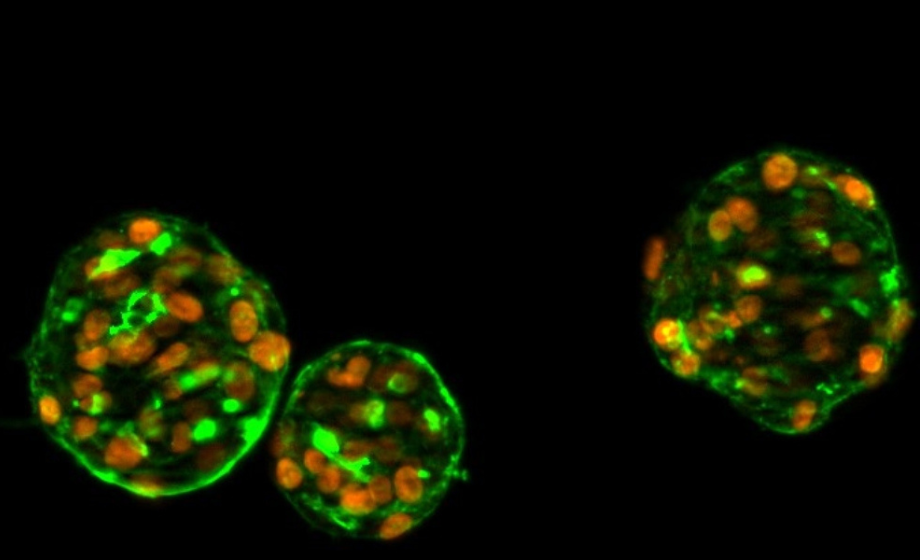
Improving Confidence in Thyroid Hormone Disruption Assessment Using a Novel Human-Relevant In Vitro Model
Learn how an emerging NAM is helping advance more efficient, human-relevant strategies for assessing thyroid hormone disruption while reducing reliance on animal testing.
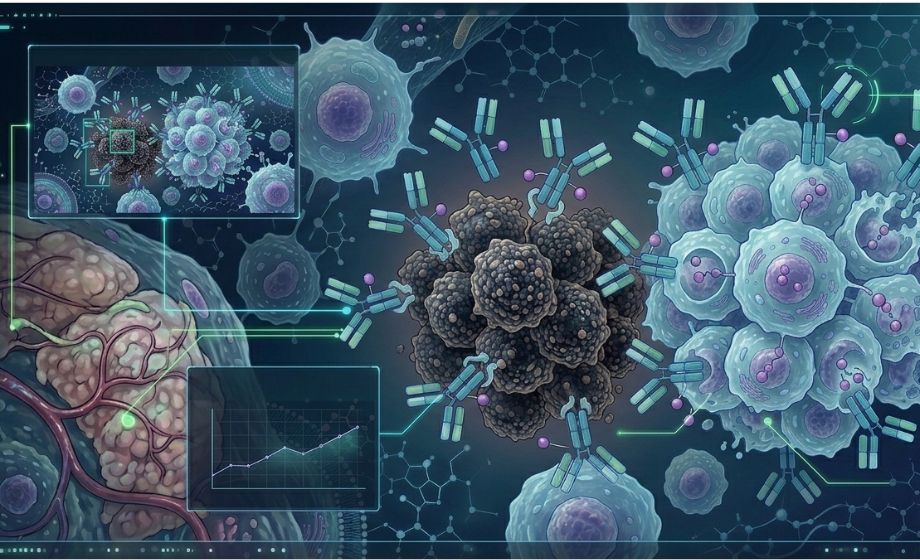
Advancing ADC Development: Leveraging AI and Translational Preclinical Models to Improve Clinical Predictability
Join our webinar to discover how to de-risk ADC development through the integration of AI-driven analytics, mouse clinical trials and specialized translational models.

Fulfilling the Gap: Innovative Critical Reagents for Non-Human Primate Preclinical Studies
Watch to learn the tools that can support more accurate immune profiling and biomarker analysis in NHP-based preclinical research.
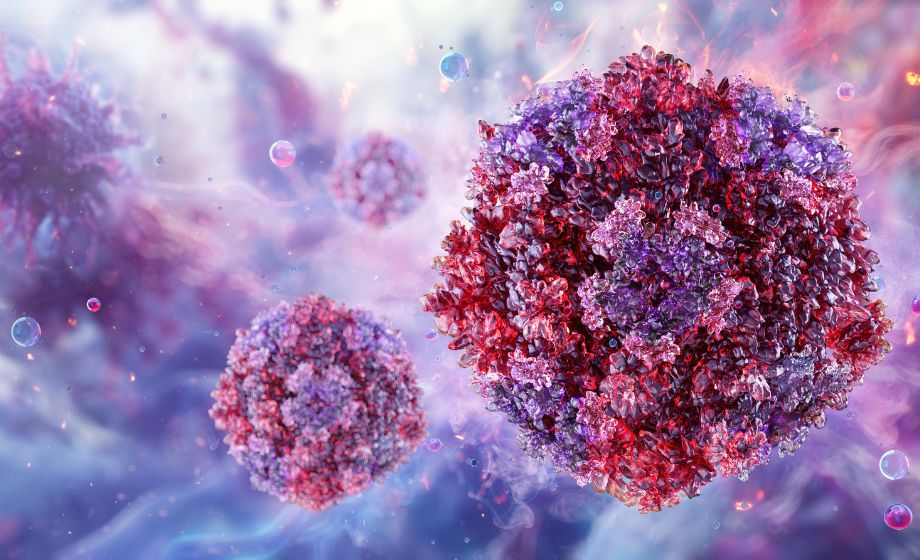
Scaling AAV9 Manufacturing: A Blueprint for Clinical-Grade Gene Therapy Production
Learn how to overcome AAV9 bottlenecks with an open-source, high-yield manufacturing blueprint designed to accelerate clinical-grade gene therapy production.
From Biopsy to Better Decisions: Patient-Derived Organoids Predict Treatment Response in Metastatic Colorectal Cancer
Learn how patient-derived organoids predict treatment response in metastatic colorectal cancer and explore findings from the OPTIC study on drug sensitivity and clinical outcomes.
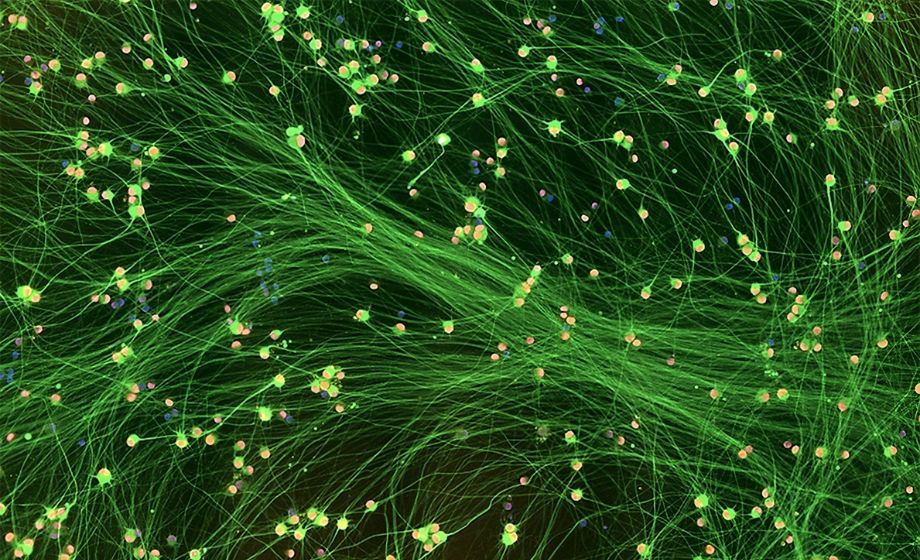
Human iPSC-Derived Sensory Neurons for Functional Sensory Biology and Pharmacology Research
Get an exclusive first look at BrainXell’s newly launched human iPSC-derived sensory neurons and learn how they enable reproducible, human-relevant models for sensory transduction, pharmacology, and ion channel research.
Accelerating Conjugation Process Development for Next-Generation ADCs: Key Considerations and Platform Strategies
In this webinar, Dr. Peng reviews the current ADC landscape and share key considerations and platform strategies to accelerate conjugation process development for next-gen ADCs.
High‑Throughput RT‑qPCR and Transcriptomics: Powering the Next Generation of Drug Discovery
In this webinar, Dr. Timur Samatov and Dr. Xavier Maréchal discuss how a fully transcriptomics enabled workflow can advance mRNA driven discovery and speed progression from screening to candidate nomination.

Epigenomics at 360° in Liquid Biopsy: Approaches and Case Studies for Biomarker Discovery and Drug Development
In this talk, we highlight epigenomics as a dynamic regulatory layer beyond genetics and demonstrate how minimally invasive liquid biopsies can provide multimodal biomarker readouts.
Precision in Human Biological Samples: Leveraging Regulatory Rigor and Deep Data for Advanced Disease Research
In this webinar, experts explore how high-quality biospecimens, longitudinal data, and regulatory rigor drive the future of biomarker discovery and clinical diagnostics.
Using ALS Patient-Derived Motor Neurons to Study TDP-43 Mislocalization
This Q&A Report answers questions from a webinar with Dr. Vera Evanson on iPSC-derived ALS models reproducing hallmark disease phenotypes and their use in evaluating drug responses.

Next-Generation TCR-Like Antibodies With Improved Specificity Profiles
Discover how YUMAB’s pHLA display library identifies highly specific TCR-like antibodies to target undruggable cancer epitopes with improved safety profiles.
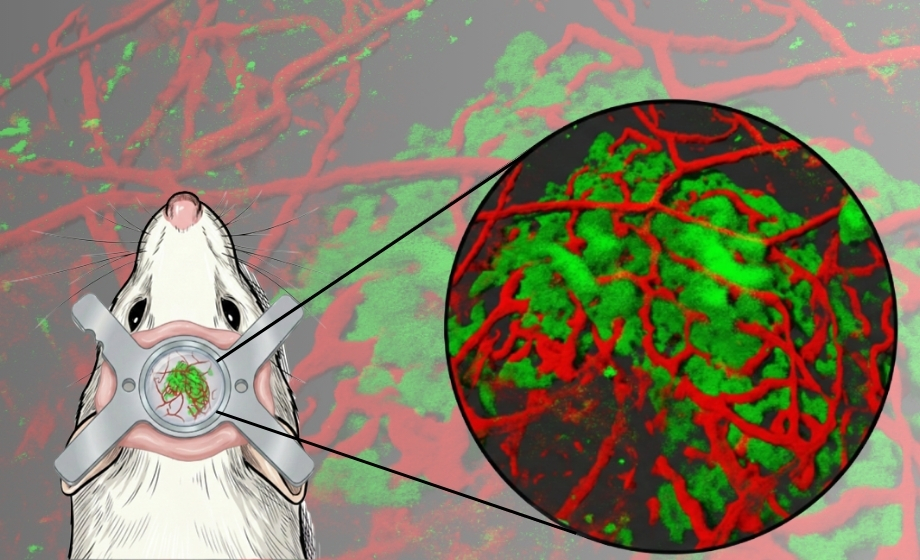
Opening a New Window: Stable Long-Term Imaging of Dura Mater–Transplanted Pancreatic Islets in Awake Mice
Join Drs. Tröster and Köhler as they present a novel dura mater transplantation platform for long-term, anesthesia-free imaging of pancreatic islets in awake mice.