
Join Semir Beyaz, PhD as he discusses the effects of dietary fat on the intestinal epithelium, immune cells, and the gut microbiome.
Obesity is a worldwide epidemic that correlates with increased cancer incidence and immune dysfunction in several tissues such as intestine. There are several life style factors that contribute to risk of obesity and cancer including pro-obesity diets such as high fat diets. In this webinar, we present data from our project, with the overarching goal to systematically evaluate the consequences of diverse dietary fat on the phenotypic and functional status of intestinal epithelial cells, microbiome and immune cells.
Key Topics Include:
- The cellular effects of dietary fat and high-fat diets
- The role of intestinal epithelial and immune cells
- How dietary perturbations impact immunity against cancer
- Categories: Cancer & Oncology Research, Cell & Molecular Biology, Microbiology & Immunology, Obesity
- Tags: Cancer, diet, gastrointestinal tract, intestine, metabolic function, obesity, oncology
Presenters

Semir Beyaz, PhD
Assistant Professor
Cold Spring Harbor Laboratory
Semir Beyaz is an Assistant Professor at Cold Spring Harbor Laboratory (CSHL) in New York, where his lab focuses on how dietary and metabolic perturbations affect the interactions between microbes, epithelial cells and immune cells and influence tissue regeneration, cancer and immunity.
Production Partner
Columbus Instruments
Columbus Instruments manufactures products for animal activity, energy expenditure, feeding and drinking monitors, rodent exercise treadmills, rota-rod, grip strength, running wheels, analgesia hotplate and tail-flick, PPI startle response, end-tidal CO2 monitors, non-invasive tail cuff blood pressure, and their flagship CLAMS and CLAMS-HC metabolic phenotyping systems.

Additional Content From Columbus Instruments
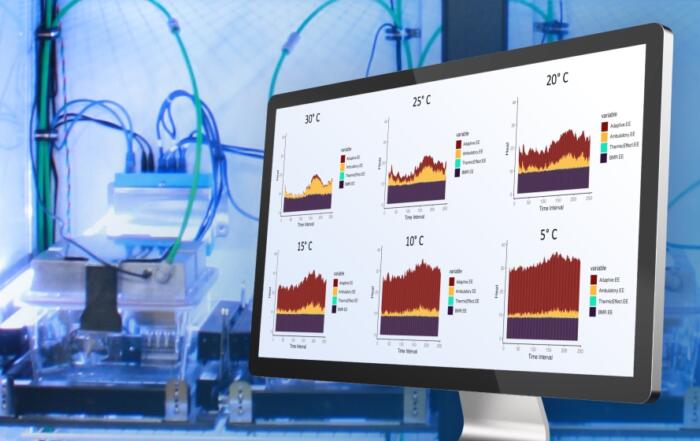
Clambake: An Algorithm to Decode Energy Expenditure Data from Metabolic Cages
In this webinar, Dr. Jonathan Brestoff discusses his research on metabolism and a new method to quantify metabolic data known as Clambake.

More Than What You Eat: The Regulation of Metabolic Health and Aging by Diet Composition and Activity
Join Dudley Lamming, PhD to learn how the specific composition of dietary protein and exercise influence metabolic health and aging.
We Are More Than What We Eat: Dietary Interventions Depend on Sex and Genetic Background
Dudley Lamming, PhD, explains how sex and strain type are highly important factors in observing responses to dietary interventions in mice.
Related Content

Improving Preclinical Decision-Making in Obesity and CKD with Translational In Vivo Phenotyping
Join us to learn how in-depth in vivo phenotyping using patient-relevant models can improve preclinical decision-making.
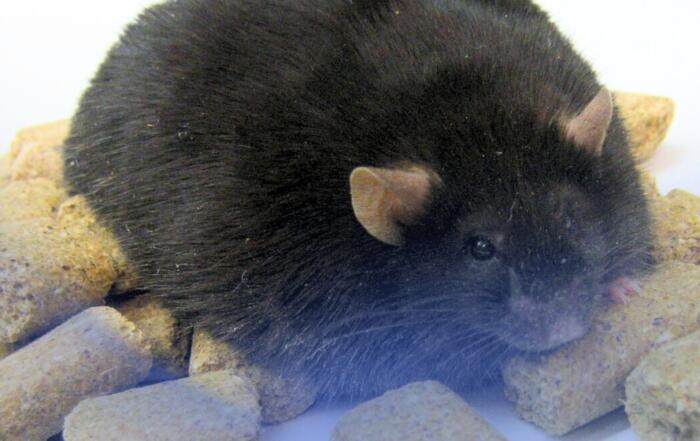
The Expert Approach to Preclinical Indirect Calorimetry Experiments
Join us to explore the IICCC’s standardized guidelines for preclinical indirect calorimetry, focusing on rigorous data normalization techniques and the integration of multi-modal physiological measurements to ensure experimental reproducibility.
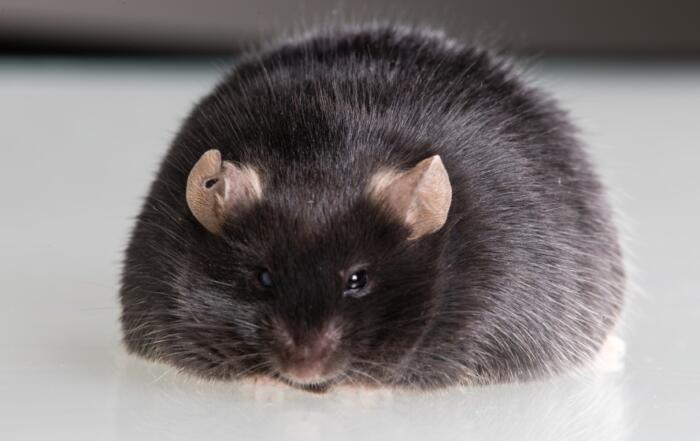
Exploring Estrogen’s Role in Metabolism and the Use of 13C-Labeled Nutrients for Advanced Animal Physiology and Nutrition Research
Dr. Reilly Enos and Dr. Eran Levin discuss estrogen's metabolic impact and how isotopic labeling and 13C-labeled nutrients can be used for animal physiology and nutrition research.
Having issues registering with our form? Please Register Here