
Phil Griffiths, PhD, presents a summary of chronic cardiovascular telemetry studies and considerations for experimental design.
Ensuring you collect the best and most physiologically accurate data from your chronic telemetry experiments requires careful planning and experimental design. This webinar gives an insight into the practical aspects of designing chronic animal experiments to set you on the best path for success. The benefits of chronic studies, how to select the most appropriate sample size for your study, some basic tips and tricks for data acquisition and handling, and how to ensure high animal welfare are discussed.
Key Topics Include:
- What are the benefits of chronic over acute studies?
- How to decide the best sample sizes and the length of experiments?
- Basic tips for data acquisition and handling
- How to maintain high animal welfare standards
Click to watch the webinar recording. To view the presentation full screen simply click the square icon located in the bottom-right corner of the video-viewer.
Resources

To retrieve a PDF copy of the presentation, click on the link below the slide player. From this page, click on the “Download” link to retrieve the file.
Presenters
Research Sales Manager - Europe
ADInstruments
Phil Griffiths has a PhD in neuroscience and postdoctoral experience from the University of Bristol, UK where he gained expertise in in vivo blood pressure recording using telemetry. He joined Kaha Sciences in 2019 and then made the move to ADInstruments in February 2021, now as a Research Sales Manager for Europe.
Production Partner
ADInstruments
Established in 1988, ADInstruments develops high performance digital data acquisition and analysis solutions for biomedical research and life science education.

Additional Content From ADInstruments
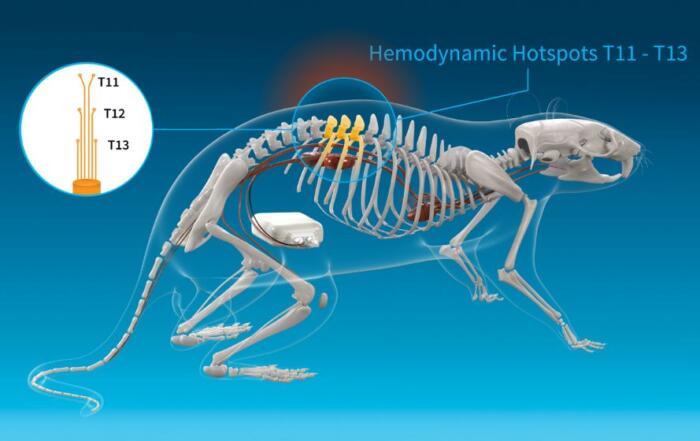
Engineering Neuromodulation for Cardiovascular Instability
Dr. Aaron Phillips traces the translational journey of a discovery that began in a foundational laboratory and is now advancing through pivotal clinical trials aimed at stabilizing cardiovascular function.
Animal Welfare in Surgery: Then and Now
In this presentation, Dr. René Remie transports you back five decades to explore the foundational principles of surgery that have evolved into what we now recognize as Good Surgical Practice (GSP).
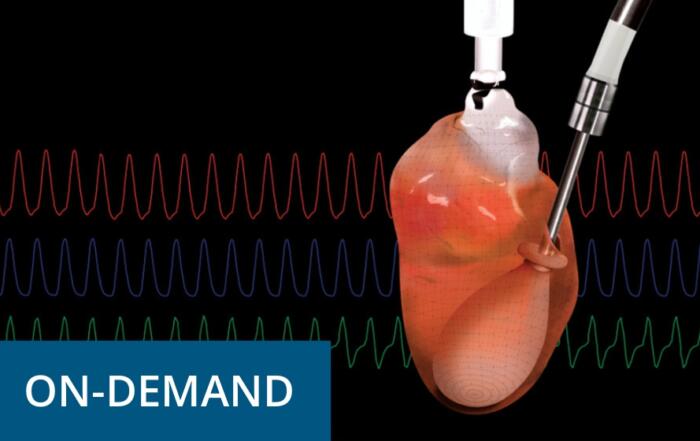
Getting to the Heart of Cardiovascular Research: From Yesterday to Today and Looking Towards Tomorrow
Dr. Melanie White presents the various methods for assessing cardiac function in the context of pathology, spanning from in vitro to in vivo techniques, and how she integrates these with cutting-edge mass spectrometry in her research on cardiovascular disease pathogenesis.
Additional Content From American Physiological Society
Skeletal Muscle Circadian Clocks: Keeping Time for Systemic Health
Dr. Karyn Esser presents the critical role of skeletal muscle circadian clocks in maintaining muscle strength, metabolic health, and systemic adaptations to endurance exercise.
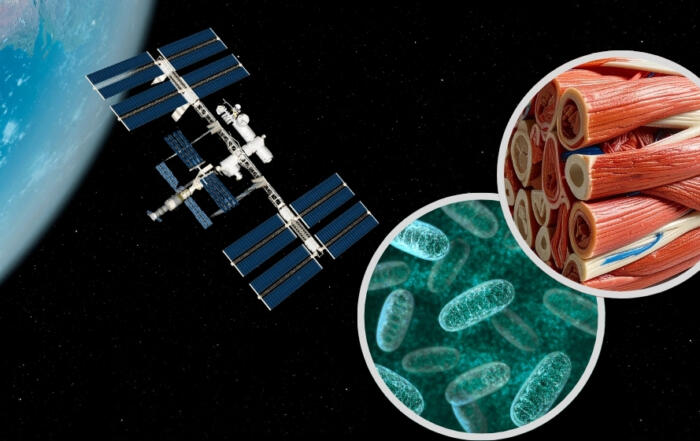
Redox Regulation of Skeletal Muscle: A Journey from Liverpool to the International Space Station
Dr. Anne McArdle and Dr. Malcolm Jackson explore groundbreaking research from the Muscle Laboratories at the University of Liverpool. They examine how redox regulation influences the adaptive responses of skeletal muscle during physical activity and how these processes evolve with age.
The Trainer’s Toolkit for Osmotic Pumps: Supporting Researchers in Infusion Studies
Explore how osmotic pumps can revolutionize in vivo research by enhancing drug delivery effectiveness. Learn about the preparation, implantation, and integration of these devices into research protocols, and gain practical insights for training investigators and lab personnel.
Additional Content From European Council for Cardiovascular Research
Cardio-Renal-Lymphatic Disease
In this webinar, Dr. Giacomo Rossitto shares his research on heart failure and the related lymphatic dysfunction in patients.
Advances in Pressure-Volume Loop Data Collection: Tools, Training and Support
Join three experts in this technical overview of Pressure-Volume Loop collection and data analysis for cardiovascular research.
Cardiometabolic Disease Pathophysiology & Novel Therapies for Atherosclerosis & Calcification
In this webinar, Dr. Michael Sturek reviews features of macrovascular atherosclerosis and microvascular dysfunction that underly ischemic events and the need for appropriate animal models for optimal translation.