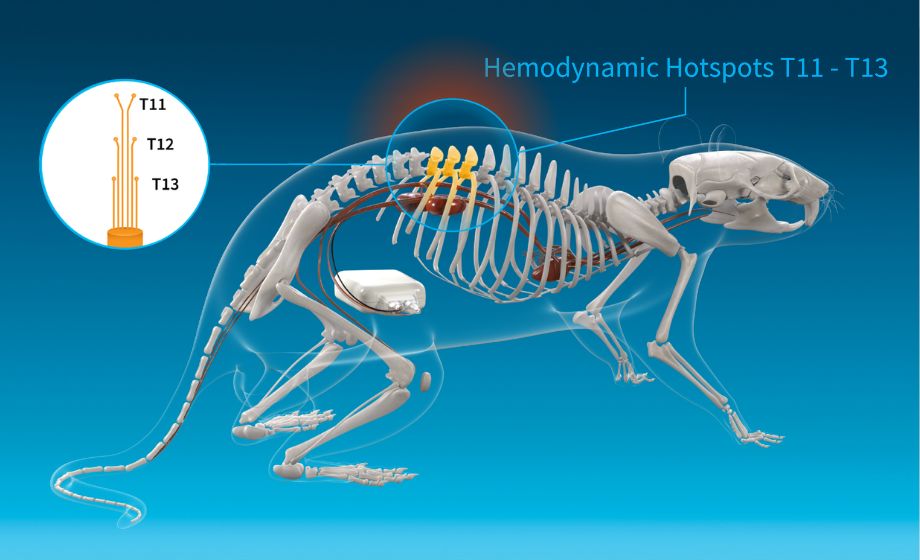
Engineering Neuromodulation for Cardiovascular Instability
Dr. Aaron Phillips traces the translational journey of a discovery that began in a foundational laboratory and is now advancing through pivotal clinical trials aimed at stabilizing cardiovascular function.
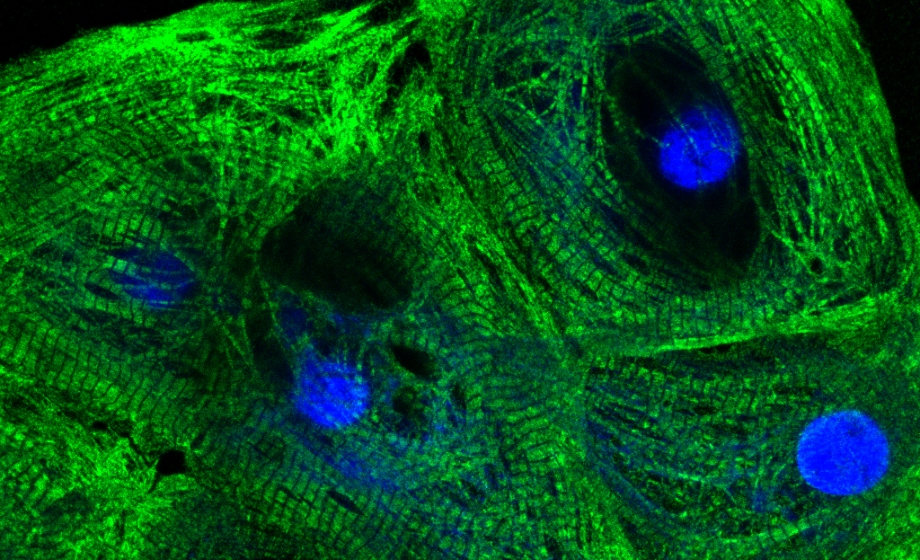
hiPSC-Cardiomyocyte Platforms Enabling Comprehensive Cardiac Toxicity and Drug Efficacy Evaluation
Join our webinar to discover how our hiPSC-cardiomyocyte platform can accelerate your drug discovery by enabling comprehensive evaluation - from QT interval to contractility, and from acute to chronic - for both cardiac toxicity and therapeutic efficacy!
Metabolic Mechanisms that Contribute to Pregnancy-Induced Cardiac Growth and its Reversal
Dr. Helen Collins answers questions from a recent webinar on cardiovascular changes and risks in healthy pregnancies and her research on metabolic mechanisms behind pregnancy-induced cardiac growth.
Talking Real Science with Helen Collins
On this episode of #ShareScience, we spoke with Dr. Helen Collins, whose research interests lie in understanding the mechanisms contributing to female cardiovascular health.
Metabolic Mechanisms that Contribute to Pregnancy-Induced Cardiac Growth and its Reversal
In this webinar, Dr. Collins presents an overview of cardiovascular changes in healthy pregnancies, risks for cardiovascular disease during pregnancy, and metabolic mechanisms behind pregnancy-induced cardiac growth.
Women’s Health: A Physiological Analysis
Women’s Health: A Physiological Analysis - A webinar series covering fundamentals, late-breaking research, and novel discoveries in the field of women's health & related disease models.
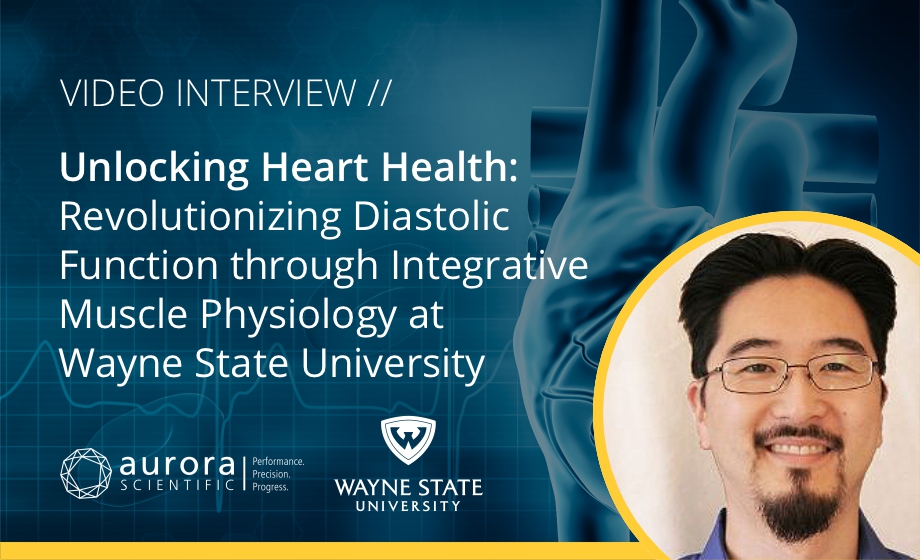
Unlocking Heart Health: Revolutionizing Diastolic Function through Integrative Muscle Physiology at Wayne State University
Dr. Charles Chung is an Associate Professor of Physiology at Wayne State University. Using integrated physiology, analyzing data from the molecular level to the whole muscle, his laboratory aims to provide new directions and identify novel treatments for a variety of cardiac disorders. Learn more about his research group by watching the interview or summarized blog below.
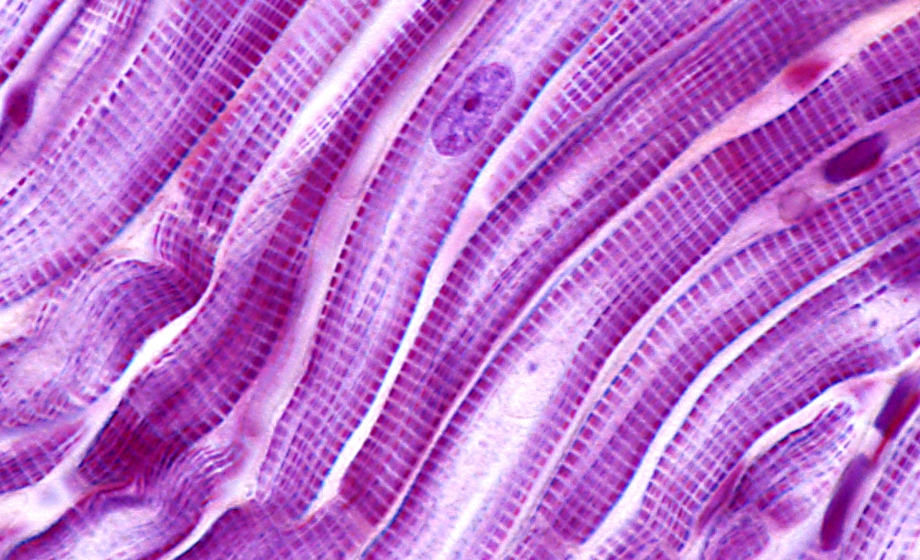
Cut and Paste of Myosin Binding Protein-C in Striated Muscles
Dr. Samantha Harris discusses the development of three new mouse models in her lab, engineered to target and replace specific myosin binding protein-C paralogs in muscle fibers and impact of their mutations on skeletal and cardiac muscle diseases.
Autonomic Regulation of Metabolic and Cardiovascular Functions in Health and Disease
In this webinar, Dr. Rahmouni presents his research on the fundamental processes mediating autonomic nervous system control of energy homeostasis and cardiovascular function in health and disease.
Video Interview – IonOptix MultiCell Sytem
Joe Soughayer, Business Development Manager at IonOptix, discusses the MultiCell System, an advanced, fully-automated solution for identification and quantification of hundreds of myocytes per hour.
Measurement of Cardiac Function Using Pressure-Volume Loops in Swine
Dr. Pedro Ferreira gives a deep dive into his work using pressure-volume loops in large animal models of heart failure.
Video Interview – IonOptix Cardiac Slice System
Joe Soughayer, Business Development Manager at IonOptix, discusses the Cardiac Slice System, a complete data acquisition and analysis system for calcium, force, and mechanical work in cardiac slices that is enabling groundbreaking strides in physiological research.
Peripheral and Cerebral Vascular Responses Following High-Intensity Interval Exercise
Dr. Bert Bond and Max Weston present an overview on their study investigating the effects high-intensity interval exercise has on cerebrovascular health.
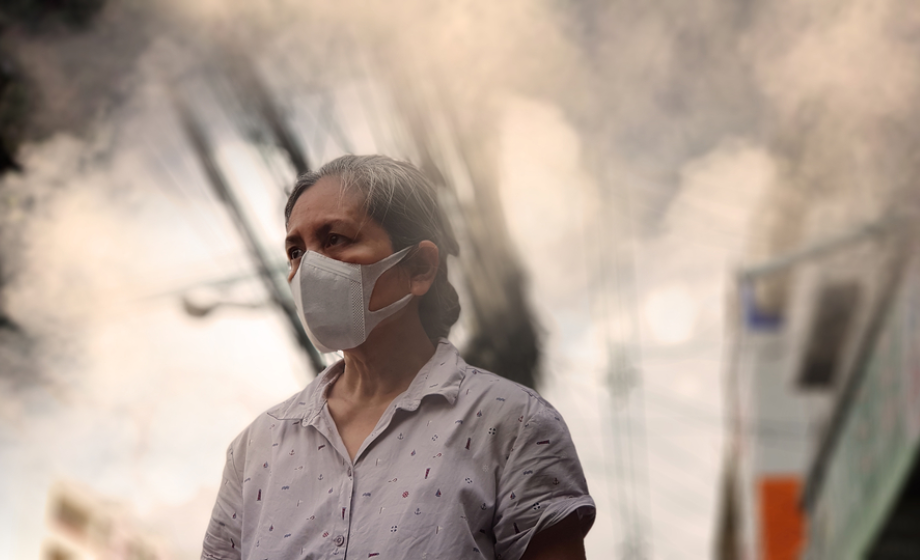
A Breath of Not-So-Fresh Air: the Combined Effects of Air and Noise Pollution
While air and noise pollution have been well documented independently, their combined effects are insufficiently discussed, until recently. In this blog post, we discuss a recent publication from Kuntic et al. on the combined and individual effects of these pollutants in mice.
#ExpertAnswers: Phil Griffiths on Telemetry Studies
Phil Griffiths draws from his experience as a telemetry user to discuss some important considerations for designing telemetry studies.
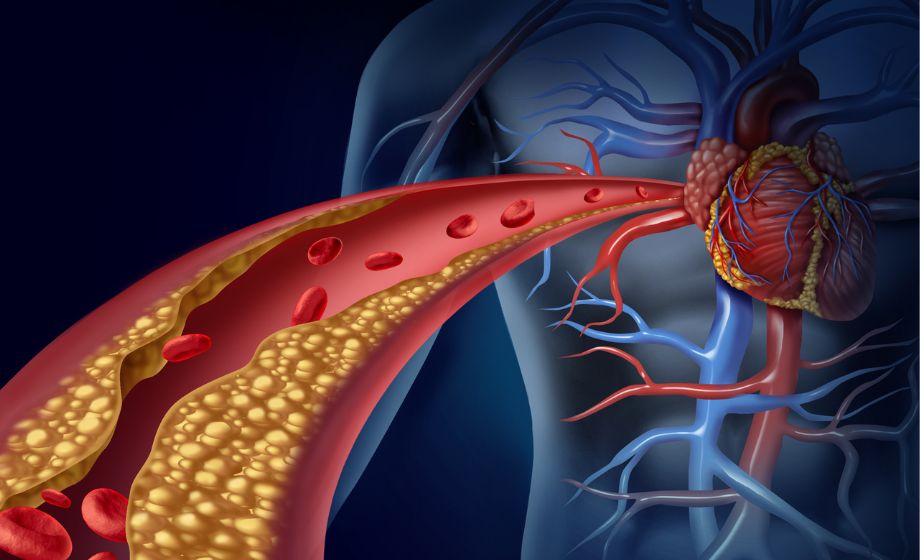
Orphan Receptor GPR55: A New Therapeutic Target for Atherosclerosis?
Since the role of GPR55 in adaptive B cell response regulation has not yet been reported in the context of atherosclerosis, Guillamat-Prats et al. have investigated how GPR55 in B cells affects atherosclerosis development. In this blog post, we highlight the main findings from this study, which was published this month in Nature Cardiovascular Research.
Experimental Design Considerations to Optimize Chronic Cardiovascular Telemetry Studies
Phil Griffiths, PhD, presents a summary of chronic cardiovascular telemetry studies and considerations for experimental design.
#ExpertAnswers: Louise Naylor on Exercise and the Cardiovascular System
Louise Naylor focuses on the benefits of exercise to optimize and maintain the cardiovascular system.
Moving for a Better Beat: How Exercise Benefits the Heart
Join Dr. Louise Naylor as she dives into the benefits of exercise on the cardiovascular system.
#ExpertAnswers: Martin Young on Nutrient Intake Cycles and Metabolism
Martin Young discusses how 24-hour circadian rhythms and metabolism affect cardiovascular function.
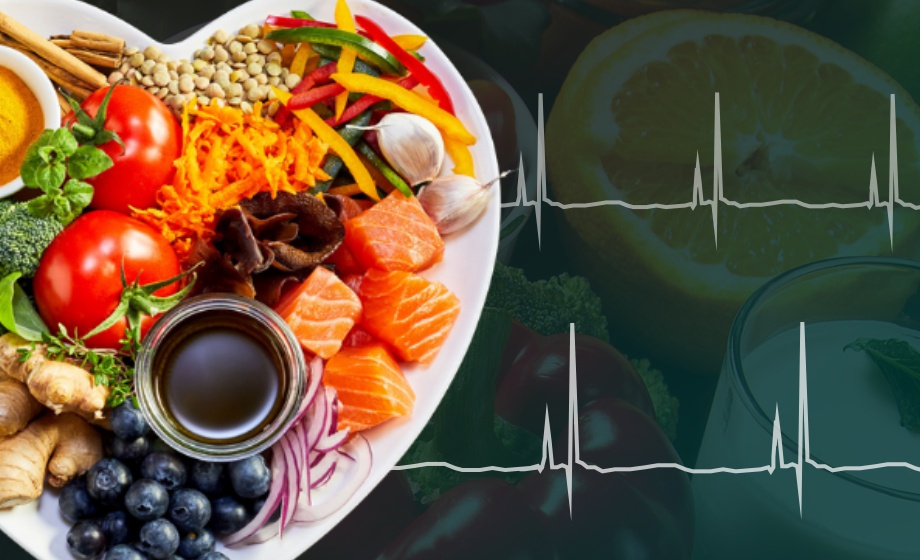
Fine Tuning Nutrient Intake Timing for Cardiac Health
Martin Young discusses 24-hr circadian rhythms that influence processes like metabolism that are critical to cardiovascular function.