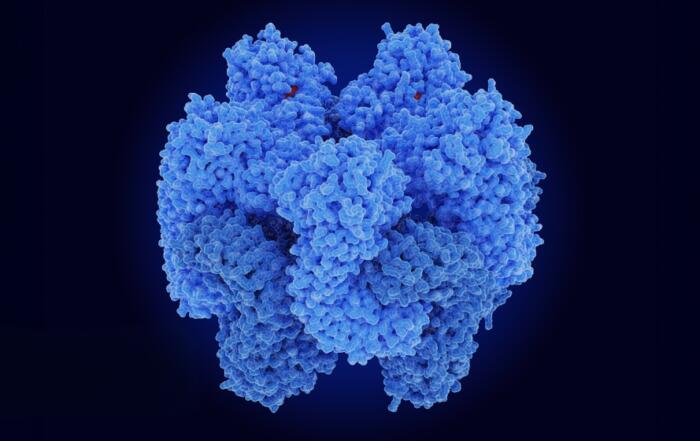
In this webinar, Drs. Betty Diamond and Melissa Cunningham present the historical and current understanding of hormonal and chromosomal influences on autoimmunity, highlighting nuclear hormone action.
Autoimmune diseases affect over 8% of the population. There is a significant genetic component, such that they cluster in families and even in a single individual. One of the most salient characteristics of autoimmune diseases is that most preferentially affect women. There has long been a debate whether this reflects hormonal or chromosomal influences. We now know both are involved.
Most autoimmune diseases are characterized by the presence of autoantibodies, and many of these contribute to tissue injury and autoimmune pathology. It is clear that B cell maturation and selection is altered by hormonal milieu. The implications for autoimmune disease are still being elucidated.
This presentation focuses on the historical and current understanding of hormonal and chromosomal influences on autoimmunity with particular attention to nuclear hormone action, specifically Estrogen receptor alpha (ERα).
Presenters
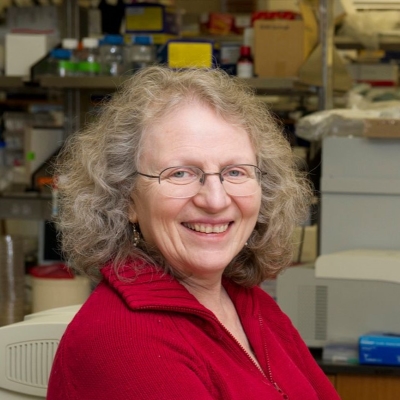
Professor and Director
Molecular Medicine
Donald and Barbara Zucker School of Medicine at Hofstra/Northwell

Associate Professor
Medicine
The Medical University of South Carolina