This webinar presents the cardiac slice model for examining myocardial function and showcases techniques and results from a cardiomyopathy mouse model.
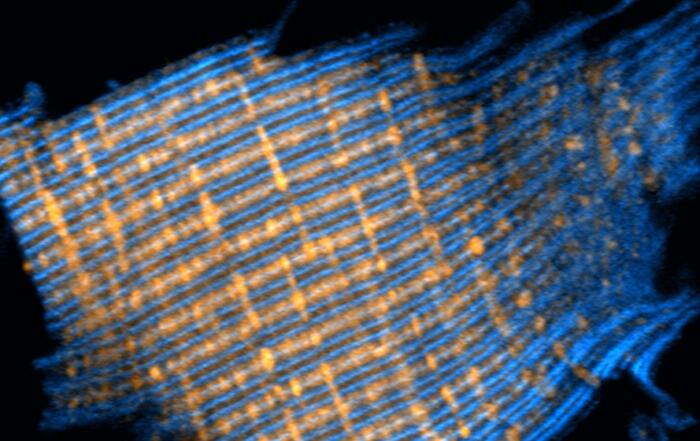
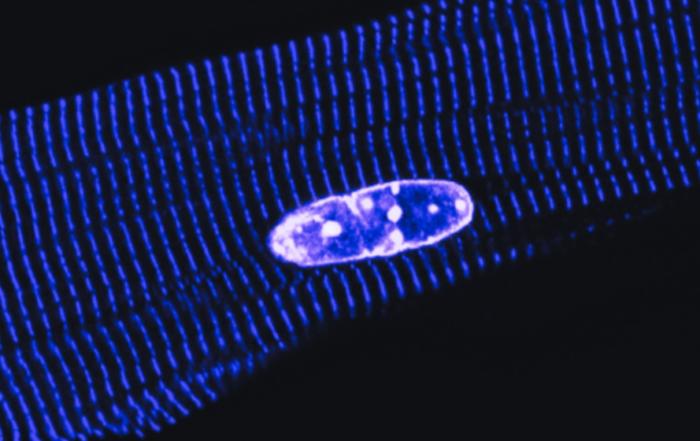
The cardiac slice is fast becoming an important experimental model system for the examination of myocardial function ex vivo. The cardiac slice is a thin section of myocardium usually between 100-400 microns thick. Thin slices <200 microns allow for easy visualization of sarcomeres during the diastolic phase of the cardiac cycle. The full cardiac cycle is produced by controlling muscle length in relation to contractile force production. For example, the ejection phase is mimicked by allowing muscle shortening once force has exceeded a prescribed afterload. And the refilling phase is mimicked by allowing muscle lengthening once the force has dropped below a prescribed preload. The experimental nuances related to producing these measurements are touched upon. Results from a known cardiomyopathy in a transgenic mouse lacking myosin binding protein-C are also presented.
Key Topics Include:
- Preparing Cardiac Slices
- Measuring Diastolic Sarcomere Length in Excitable Cardiac Slices
- Mimicking Pressure-Volume Work Loops with Cardiac Slices
- Analyzing Work Loops
- Cardiac Performance in Mouse Cardiac Slices Lacking Myosin Binding Protein-C
Presenters

CEO / Assistant Professor
Molecular Physiology and Biophysics
Sarcometrics / University of Vermont
Production Partner
IonOptix