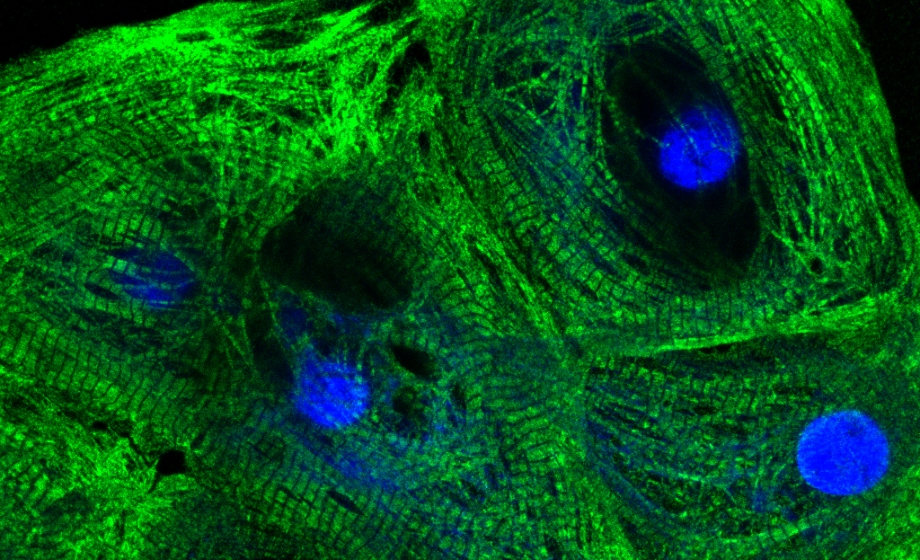
hiPSC-Cardiomyocyte Platforms Enabling Comprehensive Cardiac Toxicity and Drug Efficacy Evaluation
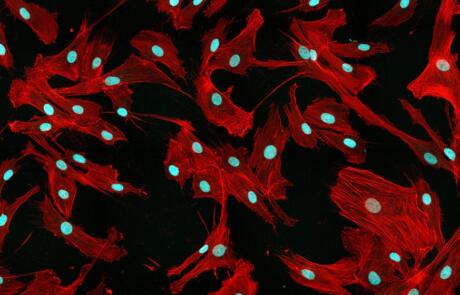
Join our webinar to discover how our hiPSC-cardiomyocyte platform can accelerate your drug discovery by enabling comprehensive evaluation - from QT interval to contractility, and from acute to chronic - for both cardiac toxicity and therapeutic efficacy!
Metabolic Mechanisms that Contribute to Pregnancy-Induced Cardiac Growth and its Reversal
Dr. Helen Collins answers questions from a recent webinar on cardiovascular changes and risks in healthy pregnancies and her research on metabolic mechanisms behind pregnancy-induced cardiac growth.
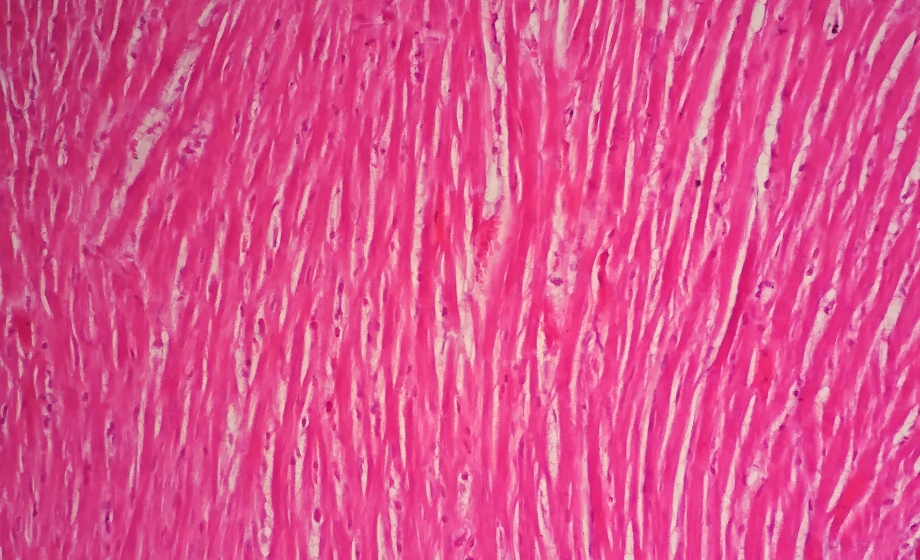
Mimicking the Ventricular Pressure-Volume Relationship Ex Vivo with Cardiac Slices
This webinar presents the cardiac slice model for examining myocardial function and showcases techniques and results from a cardiomyopathy mouse model.
Talking Real Science with Helen Collins
On this episode of #ShareScience, we spoke with Dr. Helen Collins, whose research interests lie in understanding the mechanisms contributing to female cardiovascular health.
Polycystic Ovarian Syndrome and Cardiovascular Disease
In this webinar, Dr. Licy Yanes Cardozo presents the heightened cardiovascular risks in women with PCOS, the mechanisms underlying these risks, current treatments available, potential new therapies, and the existing knowledge gaps in women's health research.
Metabolic Mechanisms that Contribute to Pregnancy-Induced Cardiac Growth and its Reversal
In this webinar, Dr. Collins presents an overview of cardiovascular changes in healthy pregnancies, risks for cardiovascular disease during pregnancy, and metabolic mechanisms behind pregnancy-induced cardiac growth.
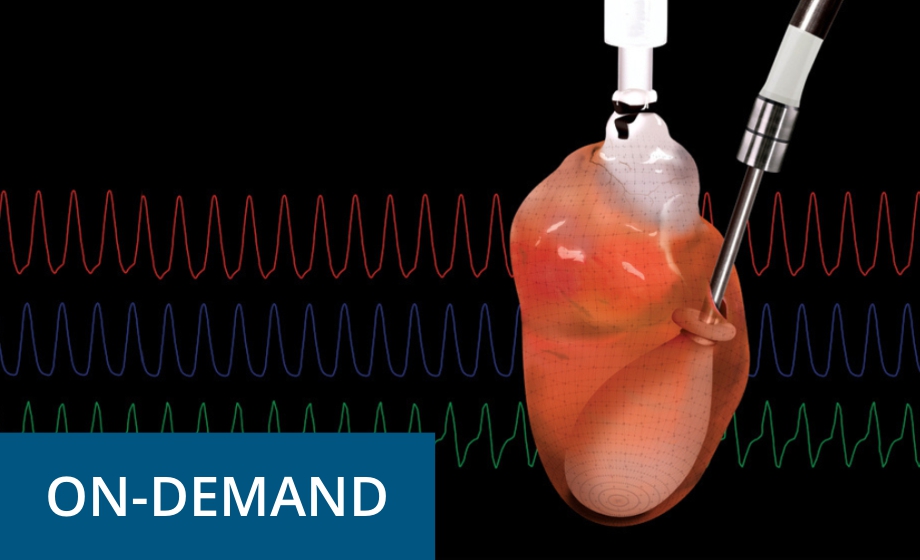
Getting to the Heart of Cardiovascular Research: From Yesterday to Today and Looking Towards Tomorrow
Dr. Melanie White presents the various methods for assessing cardiac function in the context of pathology, spanning from in vitro to in vivo techniques, and how she integrates these with cutting-edge mass spectrometry in her research on cardiovascular disease pathogenesis.
Unlocking Heart Health: Revolutionizing Diastolic Function through Integrative Muscle Physiology at Wayne State University
Dr. Charles Chung is an Associate Professor of Physiology at Wayne State University. Using integrated physiology, analyzing data from the molecular level to the whole muscle, his laboratory aims to provide new directions and identify novel treatments for a variety of cardiac disorders. Learn more about his research group by watching the interview or summarized blog below.
Understanding Advanced Cardiac Tissue Slice Applications
Bradley Palmer, Matthew Caporizzo, and Benjamin Lee answer questions from a recent webinar on how cardiac slices and the IonOptix Cardiac Slice System can be used to complement and improve upon traditional cardiac investigations.
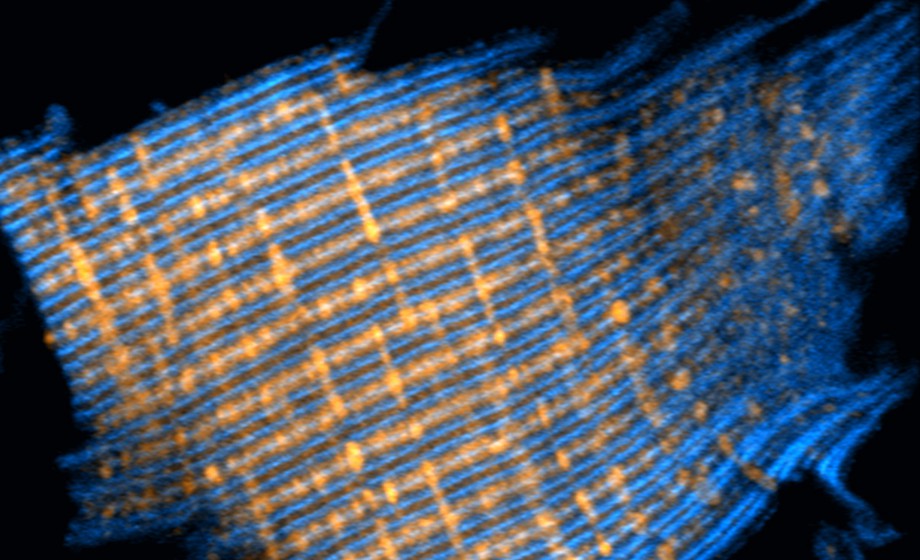
Understanding Advanced Cardiac Tissue Slice Applications
Watch to understand how cardiac slices and the IonOptix Cardiac Slice System can be used to complement and improve upon traditional cardiac investigations.
From Models to Heartbeats: Computational Design of Vagus Nerve Stimulation for Cardiac Health
This webinar explores closed-loop cardiac rhythm control restoration in heart-transplant patients from model development to in silico regulatory evidence for safety and efficacy trials.
Talking Real Science with Oliver Wearing
This episode of Share Science features Oliver Wearing, PhD, as he shares his personal passions and academic journey from reptilian physiology to evaluating cardiovascular function after spinal cord injury.
Measurement of Cardiac Function Using Pressure-Volume Loops in Swine
Dr. Pedro Ferreira gives a deep dive into his work using pressure-volume loops in large animal models of heart failure.
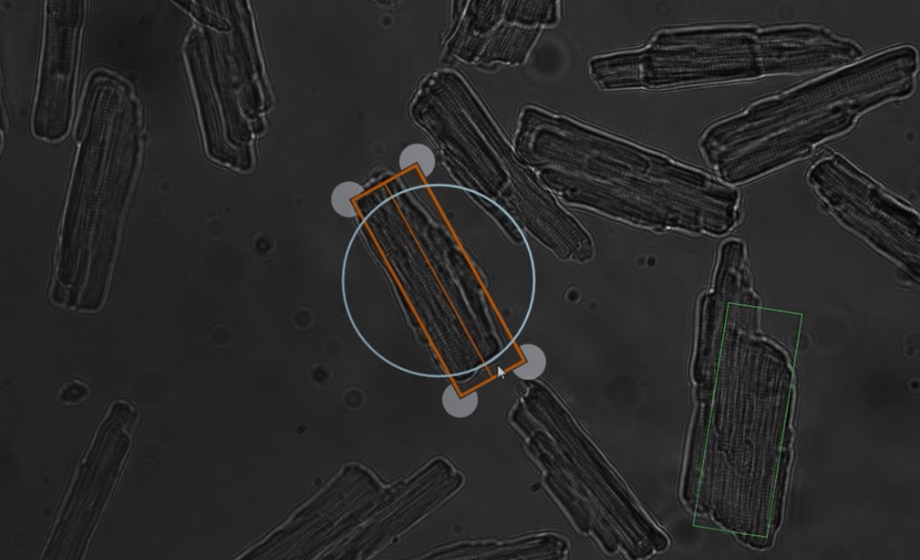
IonOptix: Revolutionizing Cardiovascular Research through Customer-Driven Innovation
In a recent interview with IonOptix Business Development Manager, Joe Soughayer, he talks about their innovative approach, commitment to supporting researchers, and goals of becoming the gold standard in cardiovascular research instruments.
Can the Immune System Protect after Repeated Myocardial Injury?
While the immune response to a single cardiac event has been well researched, few have reported on whether an adaptive immunity is observed after repeated cardiac injury. Here, we discuss a recent publication from Tiwary et al., in which they investigate the cytoprotective response after multiple cardiomyopathic injuries.
#ExpertAnswers: Cole McLarty, Nick Glover, and Tim Hacker on Pressure-Volume Loops
Cole McLarty, Nick Glover and Dr. Timothy Hacker focus on Pressure-Volume Loop collection and data analysis for cardiovascular research.
#ExpertAnswers: George Portugal on Microelectrode Array Technology
George Portugal discusses microelectrode array (MEA) technology used for cardiac research and some best practices for integrating this technique into your research protocols.
#ExpertAnswers: Bradley Palmer on Measuring Cardiac Tissue
Bradley Palmer answers questions from a recent webinar where he highlighted and demonstrated the challenging preparation of cardiac tissue slices and measurement of force and calcium.
#ExpertAnswers: Licy Yanes Cardozo on Androgens in Cardiovascular Physiology
Licy Yanes Cardozo expands on her research exploring the role of androgens on cardiovascular physiology in cis and transgender patients.
#ExpertAnswers: Aaron Phillips on Neural Hemodynamic Control
Aaron Phillips discusses questions from a recent webinar on his research involving neural hemodynamic control in pre-clinical and clinical models.
Next-Generation Techniques for Understanding Neural Hemodynamic Control
Join Aaron Phillips, PhD, as he shares his research involving neural hemodynamic control in human patients and rodents.
Cardiac Tissue Slices: Preparation, Data Acquisition, and Analysis
Dr. Bradley Palmer demonstrates the challenging preparation of cardiac tissue slices and measurement of force and calcium.
Advances in Pressure-Volume Loop Data Collection: Tools, Training and Support
Join three experts in this technical overview of Pressure-Volume Loop collection and data analysis for cardiovascular research.
Cardiac Research Using Microelectrode Array Technology: Methodology Considerations and Best Practices to Optimize Recording
Join George Portugal, PhD for an overview of microelectrode array (MEA) technology used for cardiac research and some best practices for integrating this technique into your research.
#ExpertAnswers: Louise Naylor on Exercise and the Cardiovascular System
Louise Naylor focuses on the benefits of exercise to optimize and maintain the cardiovascular system.