Discover how spatial biology is reshaping our understanding of the gastrointestinal tract, from cellular diversity to disease mechanisms and treatment insights.
The gastrointestinal (GI) tract is a complex and dynamic organ system essential for digestion, nutrient absorption, and immune surveillance. Recent advancements in spatial biology have provided unprecedented insights into the cellular composition, organization, and regulatory mechanisms within the GI tract. This webinar will explore the latest research findings that highlight the intricate cellular landscapes and their implications for health and disease.
Key Topics Include:
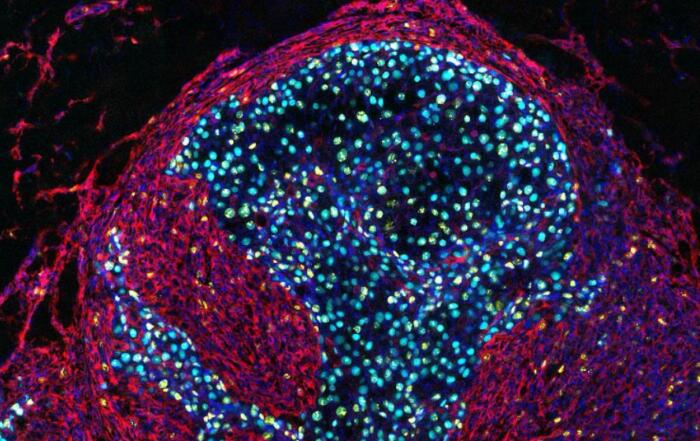
- Cellular Diversity and Regional Differences: Understanding the distinct cell compositions and their functional implications across various regions of the intestine, as revealed by multiplexed imaging and single-nucleus RNA assays.
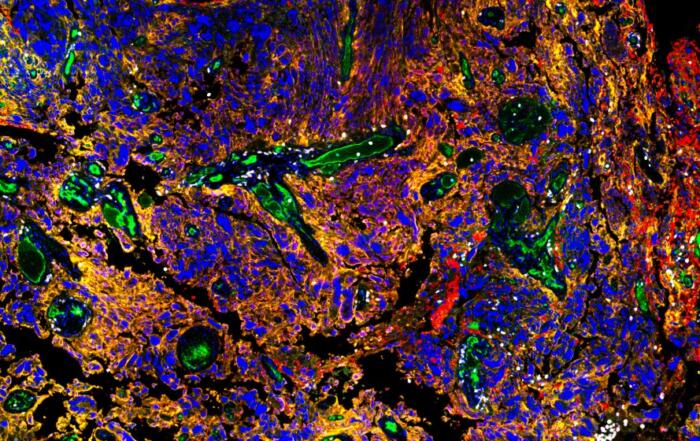
- Disease Progression in Barrett’s Esophagus: Insights into the multi-omics profiling of esophageal adenocarcinoma progression, emphasizing the coordinated changes in epithelial and stromal cells, extracellular matrix, and tissue mechanics.
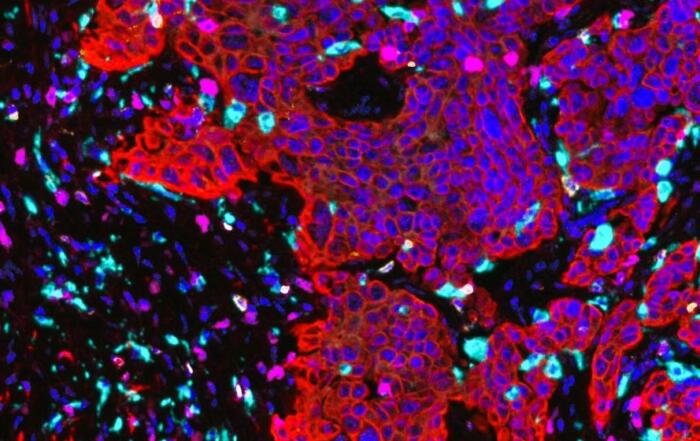
- Macrophage Niches in GI Tumors: Discovering the spatially resolved macrophage niches within malignant and benign colon tissues, and their roles in tumor microenvironments and treatment responses.
This webinar will provide a comprehensive view of how spatial biology is transforming our understanding of GI tract health, disease, and treatment approaches, particularly in the realms of cancer progression and immune modulation
Presenters

Assistant Professor of Biomedical Engineering
Duke University
Production Partner
Akoya Biosciences