Beyond Exposure: Integrating PK/PD for Translational Predictive Power
Learn to integrate PK/PD modeling and strategic biomarkers to bridge the translational gap. Improve clinical predictability for NCEs, ADCs, and large molecules in this technical webinar.
Beyond Checkpoints: Strategic Use of CDX Models in Emerging IO Therapies
Learn how enhanced CDX models with humanized immune systems improve preclinical-to-clinical success in emerging immuno-oncology therapies.
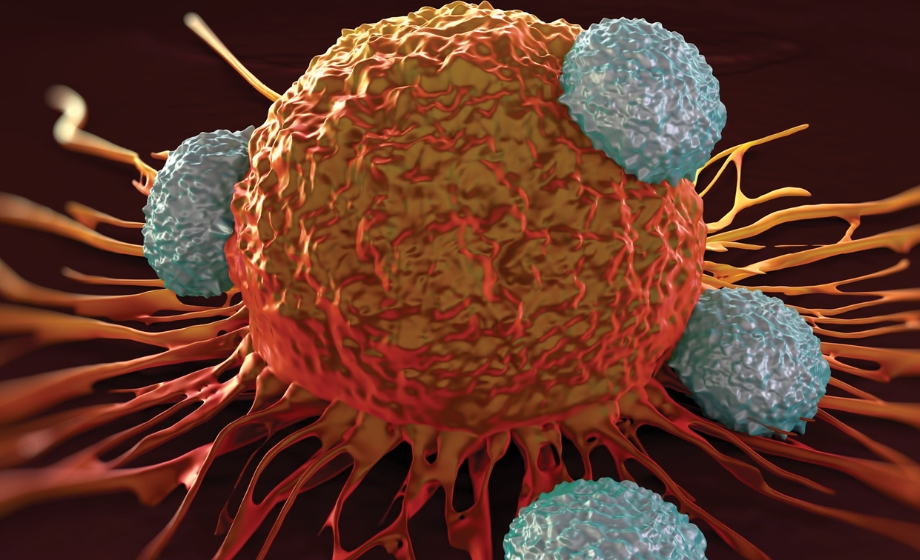
Vaccine-Boosting CAR T Cells Against Solid Tumors
Learn how a novel amphiphilic ligand boosts CAR T cells in vivo, enhances tumor targeting, and activates endogenous immunity—offering a promising new strategy for treating solid tumors.

Artificial Intelligence in Preclinical Research: Pathology, Biospecimens, and Model Selection
Learn how AI is advancing preclinical research through quantitative pathology, curated biospecimen data, and intelligent tumor model selection in this expert-led webinar.
Reprogramming the Brain Tumor Microenvironment to Enhance Anti-Tumor Immunity
This Q&A report covers essential topics in reprogramming the brain tumor microenvironment, including macrophage roles, cytokine expression, and approaches to overcoming tumor immunosuppression.
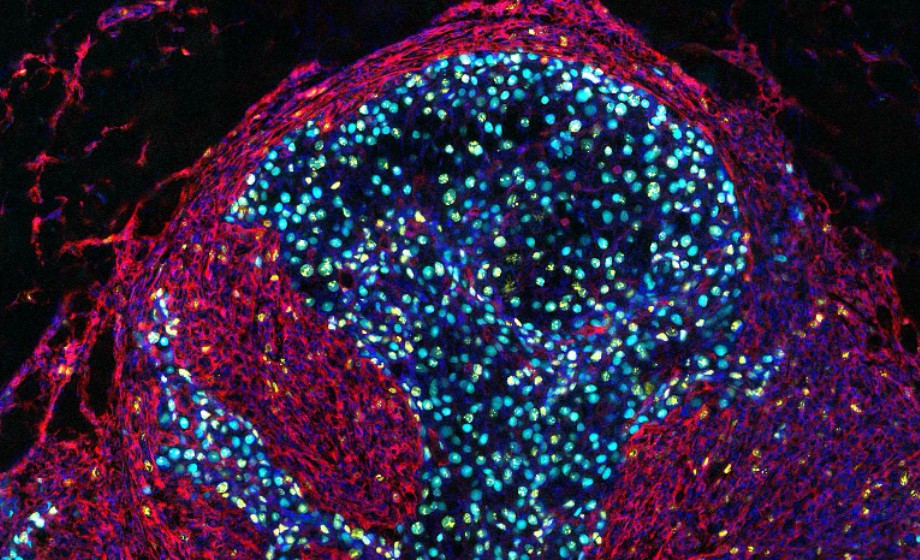
Unraveling Immunotherapy Resistance in Advanced Melanoma: Novel Insights from Longitudinal Spatial Multiomics Studies
Explore immunotherapy resistance in melanoma with Dr. Camelia Quek through advanced spatial multiomics and single-cell analysis insights.
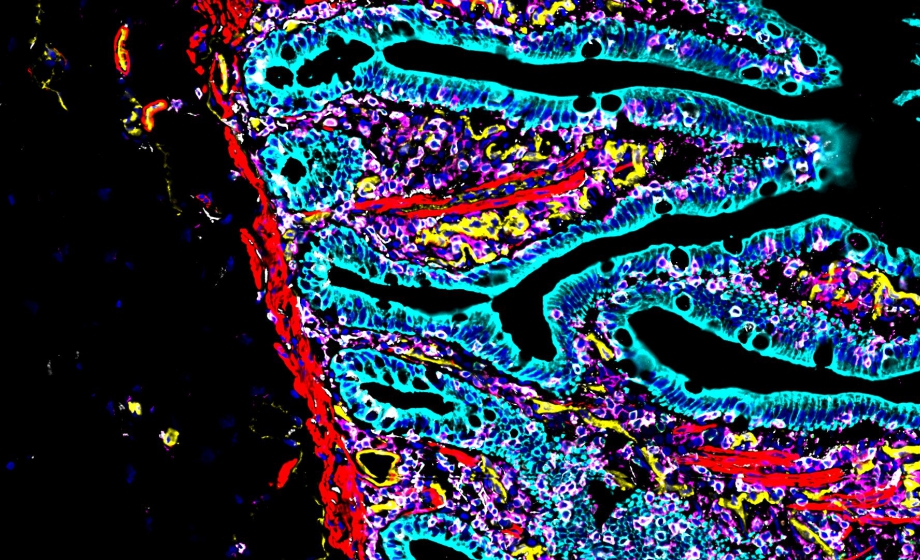
Spatial Biology and the Gastrointestinal Tract: Unveiling Cellular Landscapes and Disease Mechanisms
Discover how spatial biology is reshaping our understanding of the gastrointestinal tract, from cellular diversity to disease mechanisms and treatment insights.
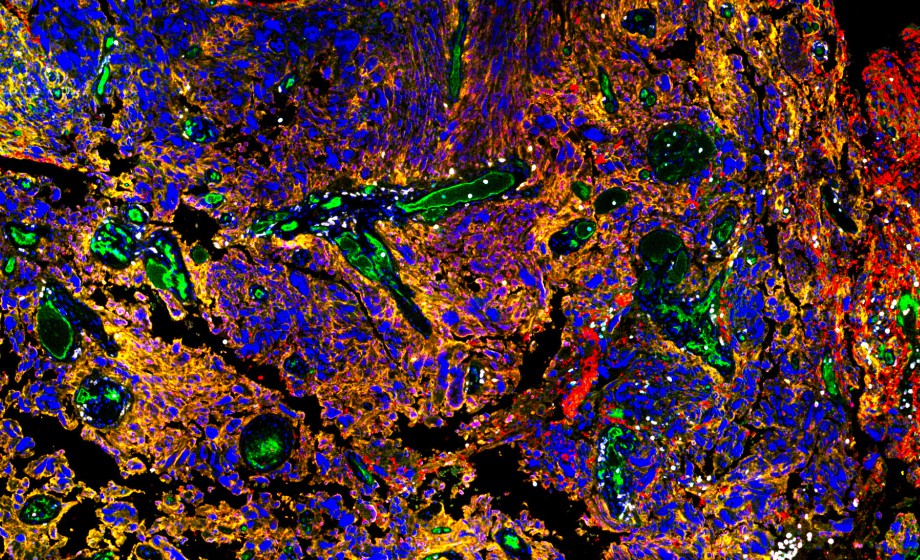
Reprogramming the Brain Tumor Microenvironment to Enhance Anti-Tumor Immunity
Join us to learn how recent discoveries about the brain tumor microenvironment can drive new therapeutic strategies to overcome tumor immunosuppression.
#ExpertAnswers: Lorcan Sherry and Aditya Pratapa on Analyzing Multiplex Immunofluorescence Images
Dr. Lorcan Sherry and Dr. Aditya Pratapa answer questions from a recent webinar where they present a novel workflow for analyzing multiplex immunofluorescence images.
#ExpertAnswers: Sarah Klein on SignalStar Multiplex IHC
Dr. Sarah Klein from Cell Signaling Technology answers questions from a recent webinar about accelerating spatial biology discoveries using SignalStar™ Multiplex IHC panels.

#ExpertAnswers: Arutha Kulasinghe on Single-Cell Spatial Phenotyping for Biomarker Discovery
Dr. Arutha Kulasinghe discusses application of single-cell spatial phenotyping for characterizing the tumor microenvironment.
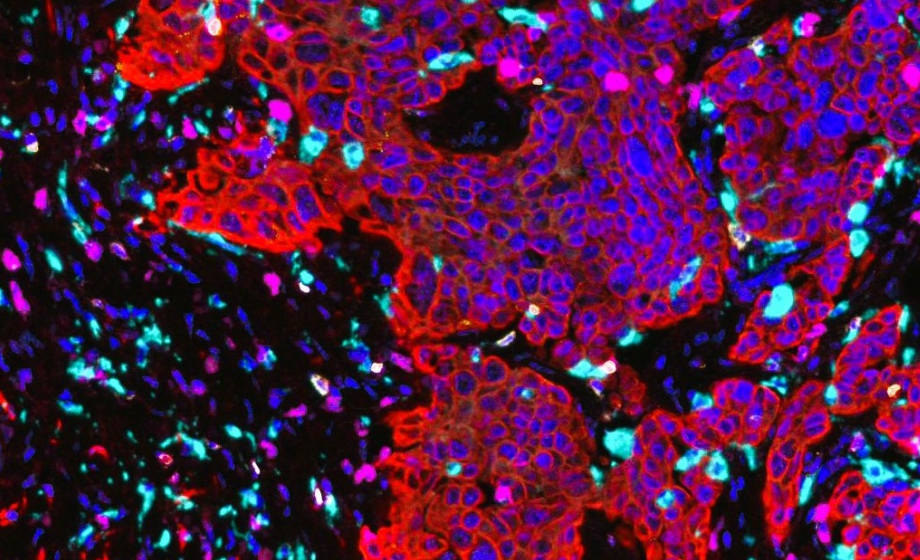
A Ready-to-Analyze High-Plex Spatial Signature Development Workflow for Cancer Immunotherapy
In this webinar, Aditya Pratapa and Lorcan Sherry present a new workflow for analyzing multiplex immunoflurescence images.
Exploring Predictive Biomarkers and ERK1/2 Phosphorylation: A New Horizon in Forecasting Survival and Response to Immune Checkpoint Blockade in Glioblastoma Treatment
Víctor Andrés Arrieta, MD, PhD presents glioblastoma research, covering multiplex immunofluorescence, predictive biomarkers, and ERK1/2 phosphorylation.
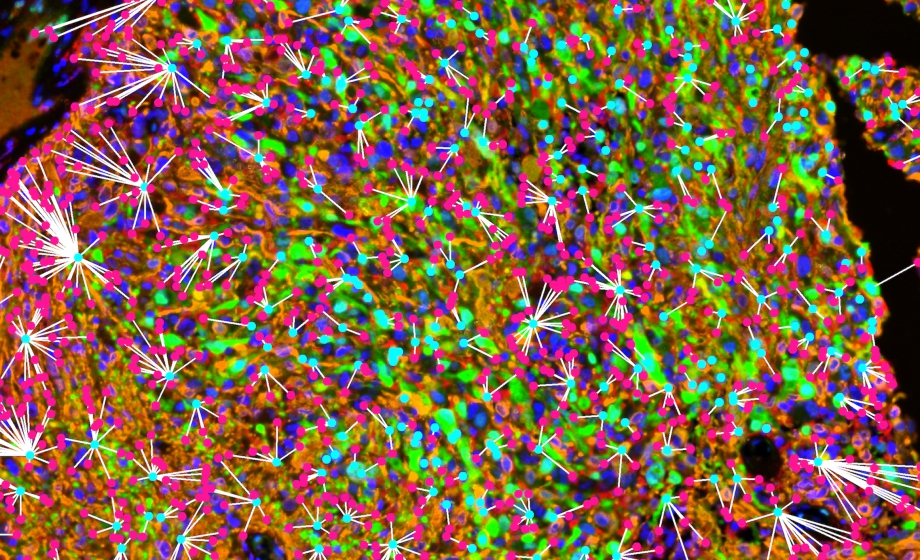
Exploring Predictive Biomarkers and ERK1/2 Phosphorylation: A New Horizon in Forecasting Survival and Response to Immune Checkpoint Blockade in Glioblastoma Treatment
In this webinar, Victor Arrieta highlights the link between p-ERK activation and improved survival in rGBM patients using anti-PD-1 immunotherapy.
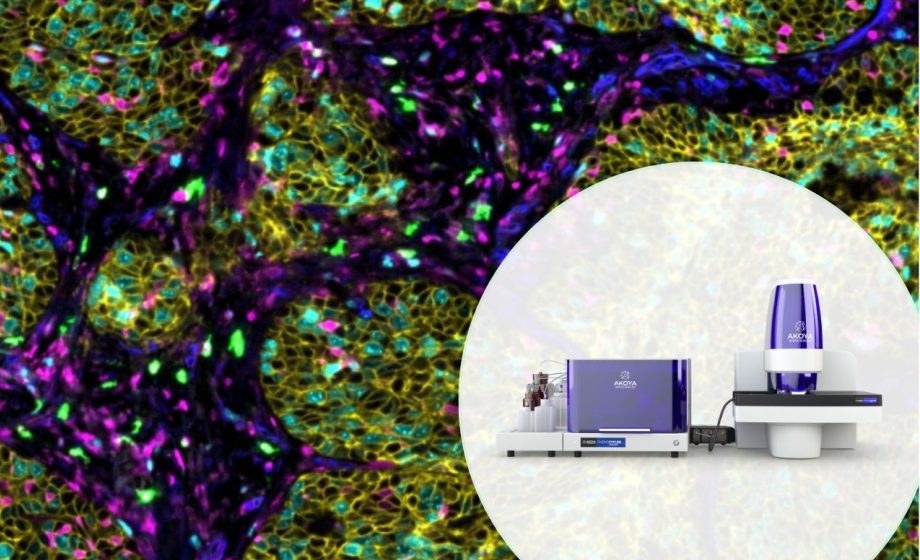
Spatial Phenotyping: A Revolutionary Approach to Biomarker Discovery for Cancer Immunotherapy
Dr. Arutha Kulasinghe discusses the potential of single-cell spatial phenotyping in biomarker analysis and how it can be used to characterize tumor microenvironments.
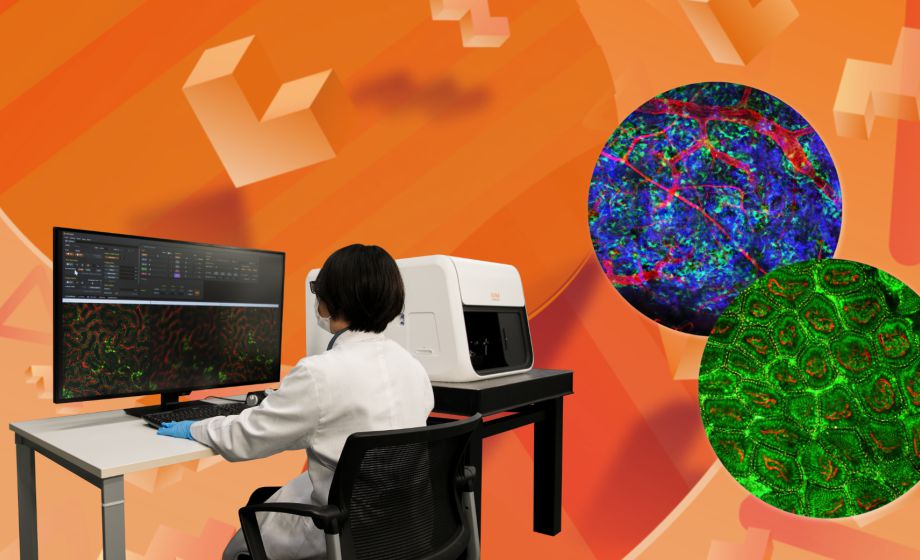
Real-time IntraVital Microscopy (IVM): In Vivo Live Cell Imaging in Immunology and Neuroscience with Live Imaging Demo
Selina Soyeon Ahn, PhD introduces IVIM Technology’s All-in-One real-time intravital confocal and two-photon microscopy system and its application to immunology and neuroscience research.
#ExpertAnswers: Nataliia Beztsinna and Marten Hornsveld on Pre-Clinical Immuno-Oncology
Nataliia Beztsinna and Marten Hornsveld describe how the tumor microenvironment modulates clinical responses and how patient-derived ex vivo and engineered in vitro models can be used for pre-clinical immuno-oncology testing.
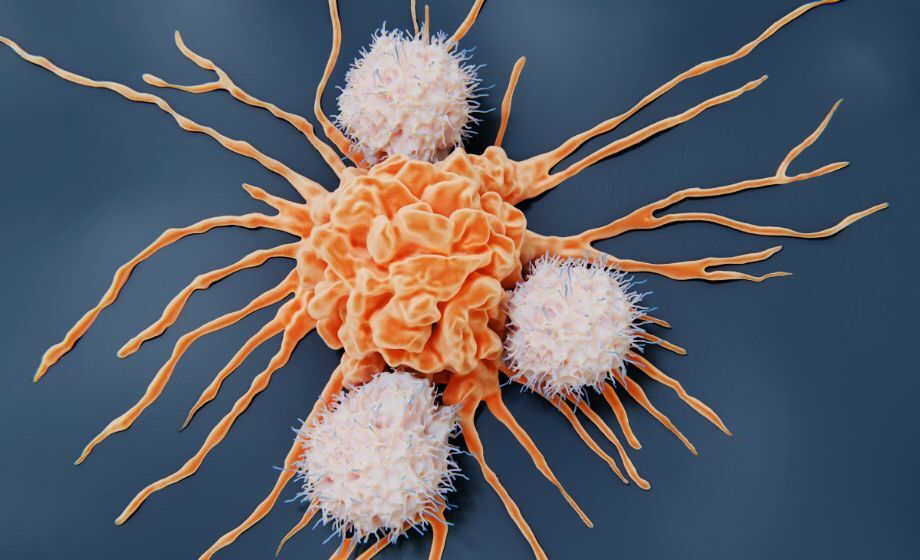
Cancer Immunotherapy: Viruses, Vaccines, and other Immuno-Oncology Treatments
In this blog post, current cancer immunotherapy treatments are discussed, as well as some future directions for this rapidly developing field.
Industry Insights with Crown Bioscience: Analyzing the Suppressive TME in In Vitro Based Assays
Nataliia Beztsinna and Marten Hornsveld from Crown Bioscience talk about native and reconstituted TME assays, how they can help in the preparation for clinical trials, and what kinds of therapies in development would benefit the most from this kind of testing.
Industry Insights with Crown Bioscience: Analyzing the Suppressive TME with In Vitro Based Assays
This episode of Industry Insights features Nataliia Beztsinna, PhD, and Marten Hornsveld, PhD, from Crown Bioscience as they describe how reconstituted TME and patient-derived ex vivo tissue assays can best be used within the drug development pipeline.
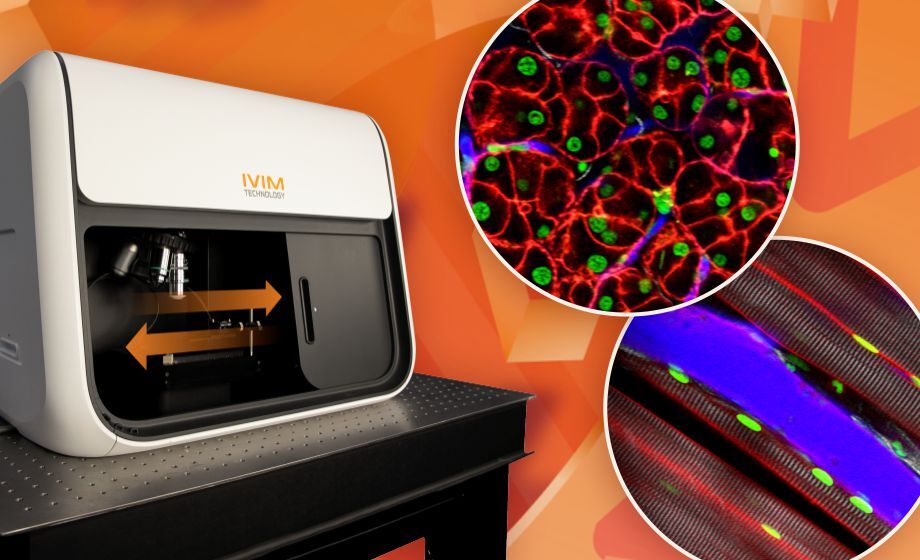
Real-time IntraVital Microscopy (IVM): In Vivo Cellular-level Imaging of Internal Organs in a Live Animal
Join Pilhan Kim, PhD for an in-depth discussion on the All-in-One intravital two-photon and confocal microscopy system.
Industry Insights with Crown Bioscience: Targeting T Cells Within the Cancer-Immunity Cycle
In this episode of Industry Insights, Saskia De Man, PhD, Marrit Putker, PhD, and Pirouz Daftarian, PhD, from Crown Bioscience discuss assays and methods for evaluating T cell therapeutics, including organoids, co-cultures, and high content imaging.
Analyzing the Suppressive TME in in Vitro Based Assays
Experts describe suppressive tumor immune microenvironment compartments and patient-derived tissue technologies capable of recapitulating the TME for clinically-relevant studies.