
As the FDA and NIH encourage a shift away from animal testing, there’s growing momentum behind New Approach Methodologies (NAMs) — from advanced in vitro models to computational platforms. In this webinar, Concept Life Sciences and Delta4 present a powerful example of what this future looks like in practice.
This webinar will explore how iPSC-derived models of neurotoxic reactive astrocytes (NRA) were combined with a mechanistically informed in-silico model of neuroinflammation to enable rapid target identification and virtual compound screening in neurodegeneration.
You’ll learn how they:
- Conducted in-depth functional and transcriptomic profiling of human NRA models.
- Built an adaptive and dynamic model of reactive astrocytes enhanced by omics-informed pathways and real human data.
- Used this model to simulate disease states, screen thousands of compounds in silico, and predict their effect on astrocyte reactivity.
- Selected the top-performing candidates for experimental validation in vitro.
Presenters
Application Scientist
Delta4
Samuel Walter is a bioinformatician with a strong biological background. He studied Molecular Biotechnology (BSc, 2014) and Bioinformatics (MSc, 2016) at the University of Applied Sciences FH Campus Wien.
After his studies, he started his PhD in 2016 at the University of Vienna, working on urban metagenomics in collaboration with the FH Campus Wien, as well as on host-pathogen interactions of Neisseria meningitidis, utilizing transcriptomic and proteomic data.

Associate Director
Neuroscience
Concept Life Sciences
Elise holds a PhD in Cellular and Molecular Basis of Disease from the University of Edinburgh and brings over 15 years of experience in neuroscience research. Her academic career focused on uncovering the molecular mechanisms underlying psychiatric illness and peripheral myelination, employing advanced cellular models and high-resolution microscopy to generate new insights into complex neurological processes.
Building on this strong academic foundation, Elise transitioned into industry, where she has applied her expertise to translational neuroscience and drug discovery. Since joining Concept Life Sciences in 2022, she has led the neuroscience team, shaping strategic direction, strengthening external collaborations, and driving scientific innovation across the service line. Elise is passionate about integrating cutting-edge cellular models and technologies to accelerate the development of new therapies for diseases of the central nervous system.
Webinar Host
Concept Life Sciences
Concept Life Sciences is a UK-based drug discovery CRO, helping global pharma and biotech companies accelerate their drug candidate to clinic by offering integrated drug discovery programs.
Additional Content From Concept Life Sciences
Translational Success in Inflammasome Drug Discovery: How Advanced Models and Integrated Assays Can Reduce Attrition
Join Professor Luke O’Neill (Trinity College Dublin) and Dr Elise Malavasi ( Associate Director of Neurosciences Concept Life Sciences) for this webinar that explores recent advances in inflammasome science, and highlights how selecting appropriate in vitro models and meaningful readouts is essential for accurately assessing therapeutic potential.
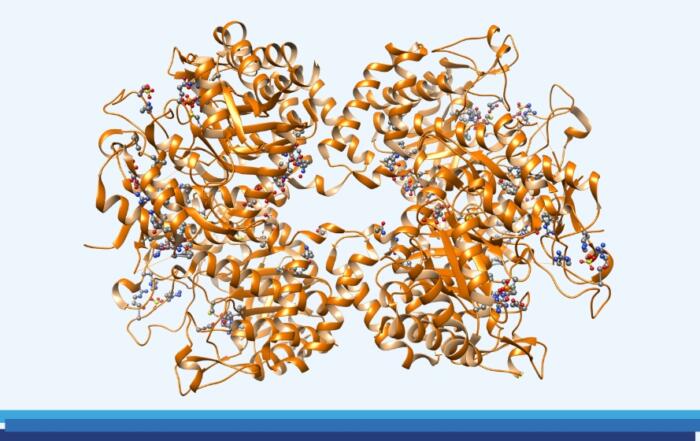
Empowering Drug Hunters with High-Throughput Protein Crystallography
Watch this webinar by Concept Life Sciences, hosted by Dr. Thomas Pesnot (Concept Life Sciences) and featuring Dr. Debanu Das from Accelero Biostructure, Inc as keynote speaker.
The ADMET Toolkit: Impact on Compound Design and Optimisation
Watch this webinar by Concept Life Sciences, hosted by Dr. Thomas Pesnot (Concept Life Sciences) and featuring Dr. Rob Riley as keynote speaker, on the ADMET Toolkit for clinical pharmacokinetics.
Related Content
How to Avoid Expensive Redesign Cycles in Antibody Discovery
Learn how integrated antibody discovery and engineering strategies can accelerate the path from hit to optimized lead in less than 12 months while minimizing costly redesign cycles.

Beyond Exposure: Integrating PK/PD for Translational Predictive Power
Learn to integrate PK/PD modeling and strategic biomarkers to bridge the translational gap. Improve clinical predictability for NCEs, ADCs, and large molecules in this technical webinar.
Advancing the Manufacture of Mesenchymal Stromal Cells and Derived Extracellular Vesicles in Stirred-Tank Bioreactors Through Enhanced Bioprocess Control
Learn how to scale the production of MSCs and extracellular vesicles using bioreactor control and real-time monitoring for more consistent therapies.