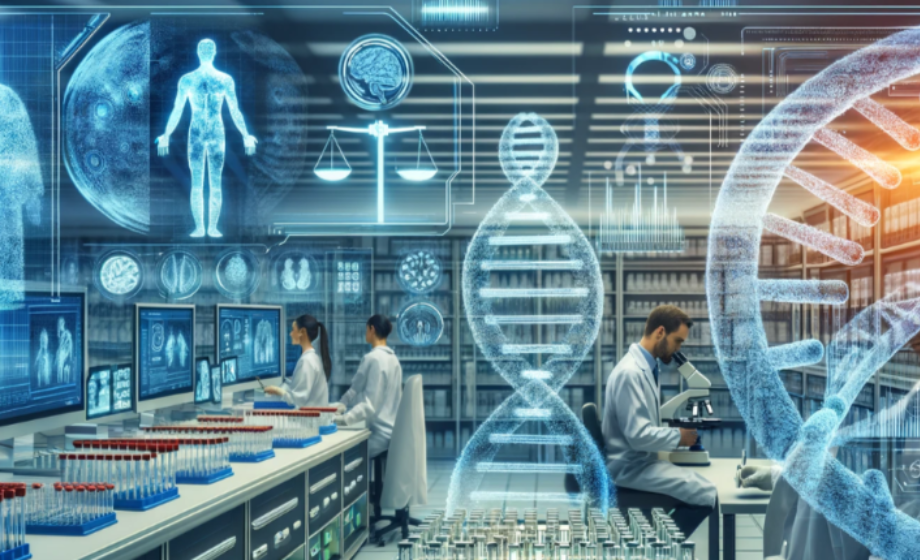
From Clinical Data to Actionable Assets for Pharmaceutical R&D
In this webinar, learn to transform raw clinical and biobanking data into research-ready assets to accelerate pharmaceutical R&D.
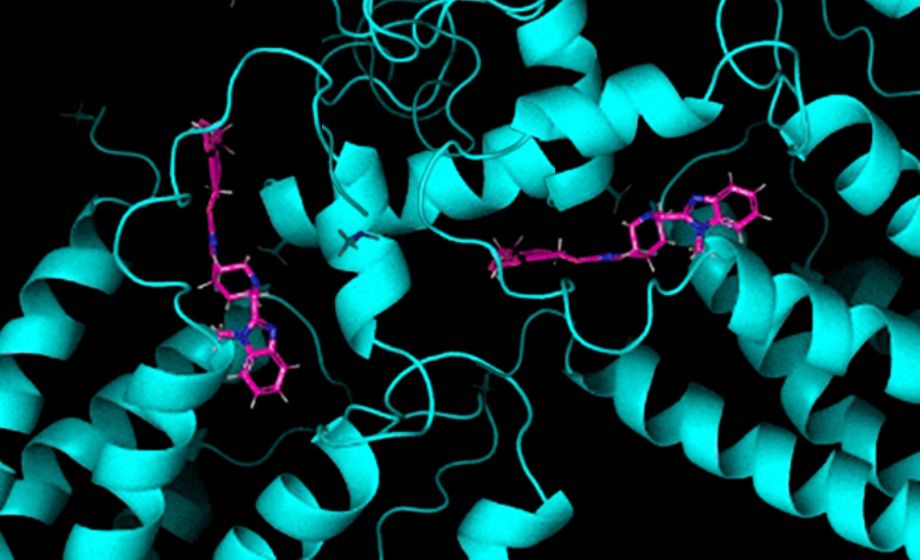
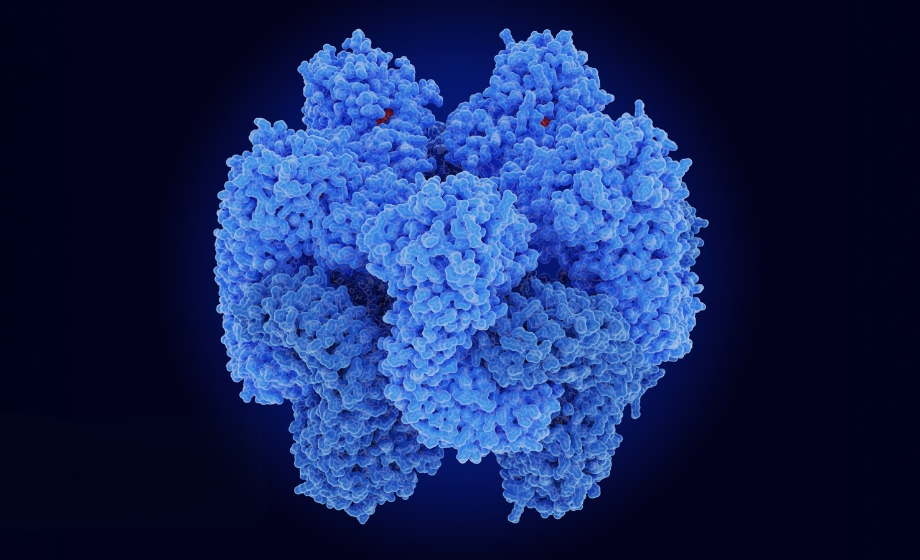
Translational Success in Inflammasome Drug Discovery: How Advanced Models and Integrated Assays Can Reduce Attrition
Join Professor Luke O’Neill (Trinity College Dublin) and Dr Elise Malavasi ( Associate Director of Neurosciences Concept Life Sciences) for this webinar that explores recent advances in inflammasome science, and highlights how selecting appropriate in vitro models and meaningful readouts is essential for accurately assessing therapeutic potential.

Improving Preclinical Decision-Making in Obesity and CKD with Translational In Vivo Phenotyping
Join us to learn how in-depth in vivo phenotyping using patient-relevant models can improve preclinical decision-making.
Bridging Mouse Models and Human Inflammatory Bowel Disease: in vivo Pharmacology, Histology and Biomarkers
Three experts from Novalix present optimized T cell transfer-induced colitis models for IBD drug validation, utilizing AI-enhanced histology and flow cytometry to evaluate therapeutic efficacy.

Recent Advances in Crystalline Polymorphism Research in Drug Development
This recorded webinar explores recent advances in pharmaceutical development by introducing NGK’s infrared crystal screening technology and Professor Etsuo Yonemochi’s research on crystalline polymorphism and morphology.
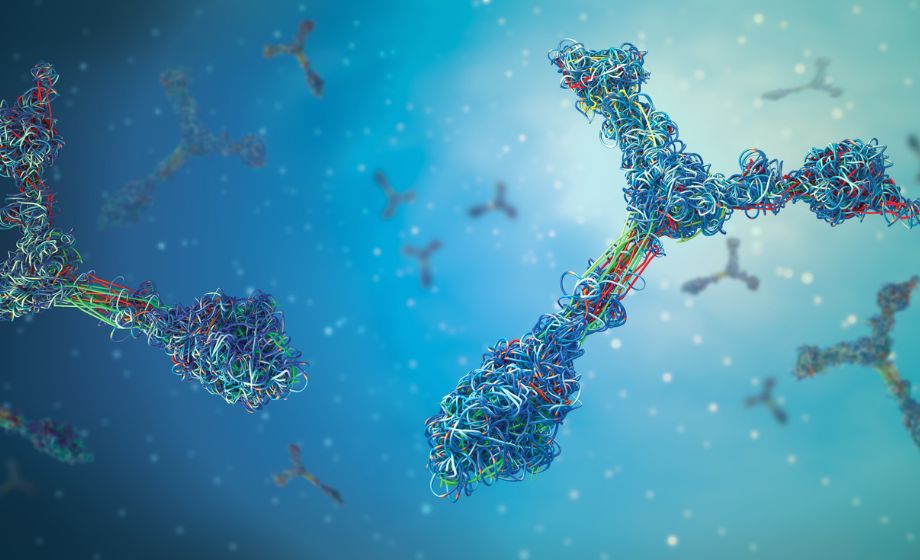
How to Avoid Expensive Redesign Cycles in Antibody Discovery
Learn how integrated antibody discovery and engineering strategies can accelerate the path from hit to optimized lead in less than 12 months while minimizing costly redesign cycles.
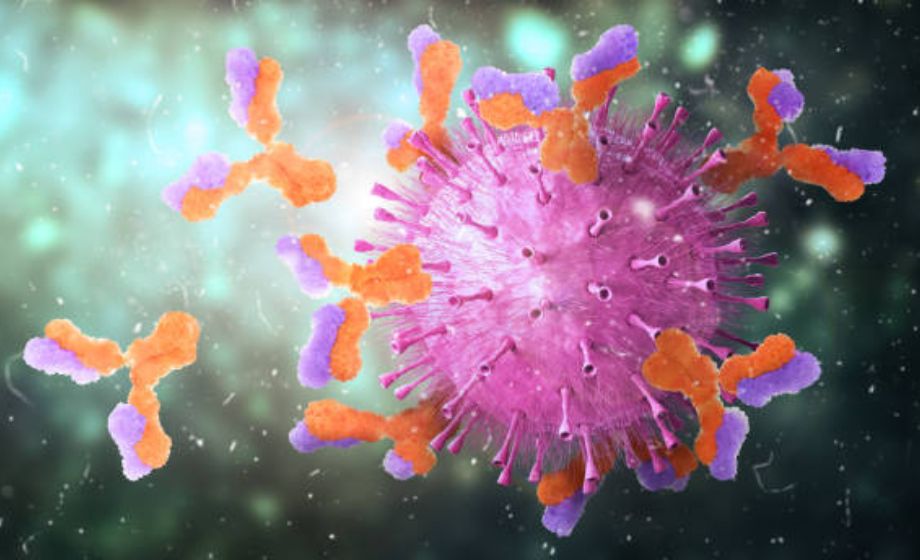
Accelerating Antibody Discovery: Integrating Microfluidics, HT Expression, and Early Developability Platform
In this webinar, Dr. Lei Shi introduces Biointron's antibody discovery platform and applications.
Beyond Exposure: Integrating PK/PD for Translational Predictive Power
Learn to integrate PK/PD modeling and strategic biomarkers to bridge the translational gap. Improve clinical predictability for NCEs, ADCs, and large molecules in this technical webinar.
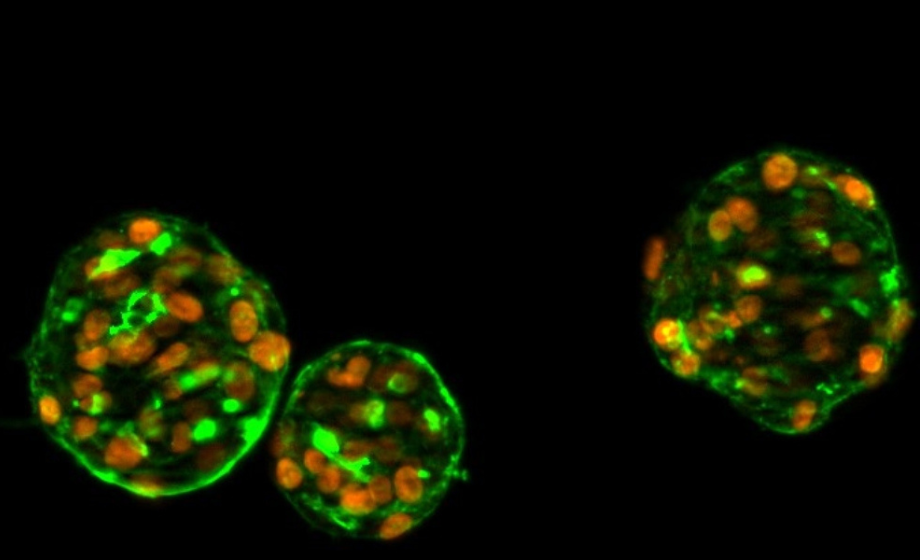
Improving Confidence in Thyroid Hormone Disruption Assessment Using a Novel Human-Relevant In Vitro Model
Learn how an emerging NAM is helping advance more efficient, human-relevant strategies for assessing thyroid hormone disruption while reducing reliance on animal testing.
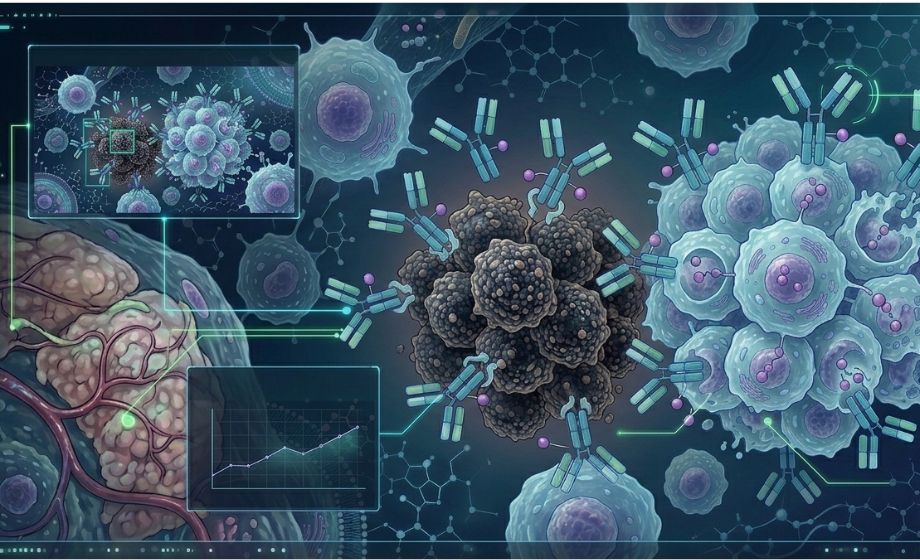
Advancing ADC Development: Leveraging AI and Translational Preclinical Models to Improve Clinical Predictability
Join our webinar to discover how to de-risk ADC development through the integration of AI-driven analytics, mouse clinical trials and specialized translational models.
From Biopsy to Better Decisions: Patient-Derived Organoids Predict Treatment Response in Metastatic Colorectal Cancer
Learn how patient-derived organoids predict treatment response in metastatic colorectal cancer and explore findings from the OPTIC study on drug sensitivity and clinical outcomes.
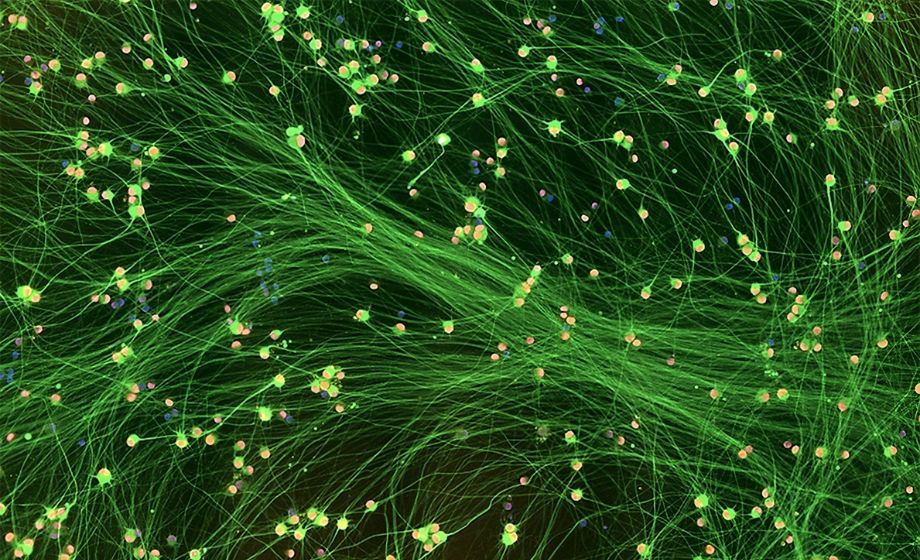
Human iPSC-Derived Sensory Neurons for Functional Sensory Biology and Pharmacology Research
Get an exclusive first look at BrainXell’s newly launched human iPSC-derived sensory neurons and learn how they enable reproducible, human-relevant models for sensory transduction, pharmacology, and ion channel research.
Accelerating Conjugation Process Development for Next-Generation ADCs: Key Considerations and Platform Strategies
In this webinar, Dr. Peng reviews the current ADC landscape and share key considerations and platform strategies to accelerate conjugation process development for next-gen ADCs.
ADC Payload-Linker CMC Process Development Strategy
Hear Dr. Zheng Wei share a comprehensive payload-linker CMC development strategy that covers regulatory guidance, RSM selection, and stage-appropriate quality control to navigate the evolving complexities of ADC design from IND to NDA.
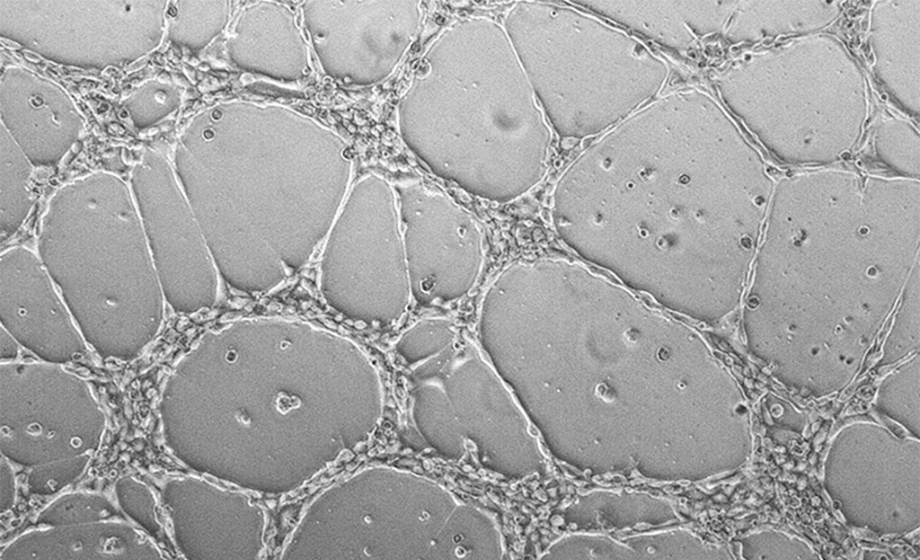
Building New Approach Methodologies for Angiogenesis and Vascularized Models
Join us for an insightful webinar exploring Lonza’s comprehensive portfolio of primary human cells and optimized media systems.
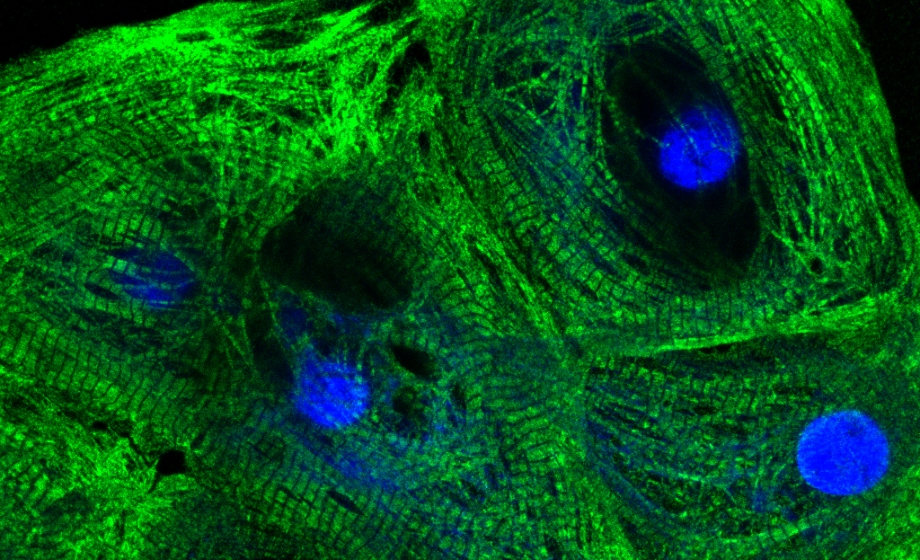
hiPSC-Cardiomyocyte Platforms Enabling Comprehensive Cardiac Toxicity and Drug Efficacy Evaluation
Join our webinar to discover how our hiPSC-cardiomyocyte platform can accelerate your drug discovery by enabling comprehensive evaluation - from QT interval to contractility, and from acute to chronic - for both cardiac toxicity and therapeutic efficacy!
Protein-Protein Interaction (PPI) Landscape – Sequence-to-Affinity Heatmaps for High-Throughput Antibody Optimization
In this webinar, Dr. Jihye Jo introduces PPI (protein-protein interaction) Landscape, powered by PROTEINA’s single-molecule SPID platform.
Combination Therapy for Glioblastoma: A Personalized, AI-Driven Approach
Discover how AI-driven models and patient-derived xenografts are advancing personalized combination therapies for glioblastoma.
From Single Domain to Single B: Leveraging Biointron’s Expertise for Antibody Discovery Success
In this webinar, we present Biointron’s proven expertise in two discovery approaches: VHH Phage Display for single-domain antibody generation and AbDrop® Single B Cell Screening for rapid antibody discovery.
Non CYP Mediated Metabolism Pathways and In Vitro Evaluation Strategies
Discover non-CYP metabolism pathways, key enzymes, and in vitro strategies for safer drug development in this webinar.
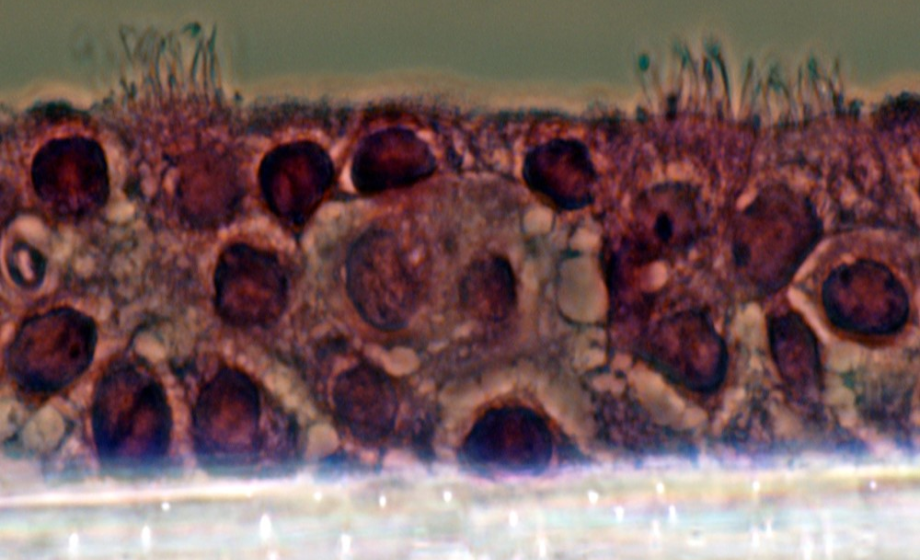
Building New Approach Methodologies (NAMs) and Complex In Vitro Assays
Learn how Lonza’s primary human cells, media, and reagents support advanced in vitro models for drug discovery, toxicity testing, and reducing animal use.

Uniting biology and digital drug discovery to identify new therapeutic opportunities in neurodegeneration
As the FDA and NIH encourage a shift away from animal testing, there’s growing momentum behind New Approach Methodologies (NAMs) — from advanced in vitro models to computational platforms. In this webinar, Concept Life Sciences and Delta4 present a powerful example of what this future looks like in practice.
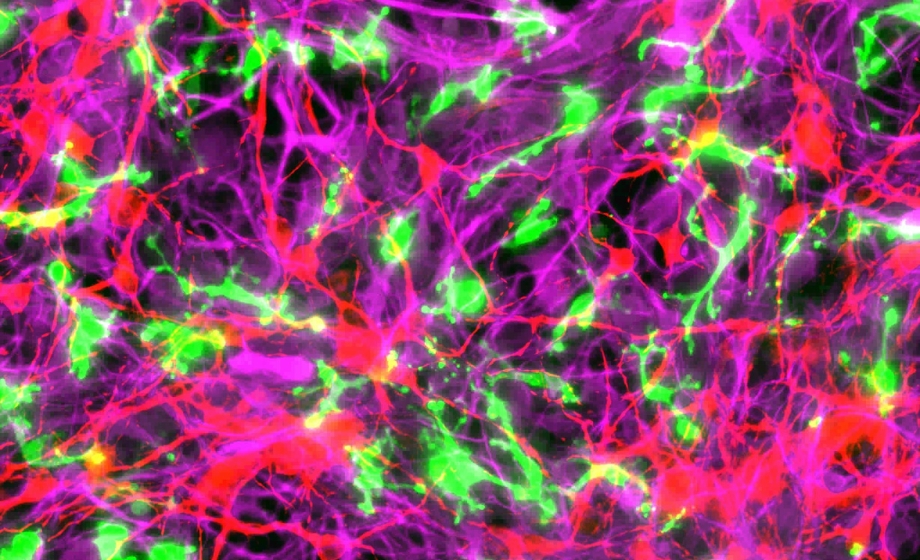
Exploring the iPSC-Derived Neuronal-Glia Co-culture System: A Powerful Drug Discovery Platform for Studying Neurodegenerative Diseases
Learn how FUJIFILM’s iPSC-derived neuron-glia co-culture system supports drug discovery and disease modeling for neurodegenerative disorders.
Novel Applications of the Cellular Thermal Shift Assay (CETSA) Provide New Insights for Drug Discovery
Join AbbVie scientists Shitalben Patel and Jami R. Erickson as they showcase their innovative advancements, transforming CETSA® into a high-throughput flow-based platform and introducing new whole blood formats to elevate drug discovery.