Glioblastoma (GBM) is a devastating primary brain cancer with approximately 10,000 new US diagnoses annually. The current standard of care (SOC) for GBM includes surgical resection followed by radiation therapy (RT) and temozolomide (TMZ), however, there is near universal recurrence and development of resistance after treatment. Relapse in disease is tightly linked with dynamic changes in gene expression during tumor evolution, highlighting the need for stronger preclinical GBM models. Recent studies have suggested the utilization of combination therapy approaches for GBM patients to address TMZ resistance.
During this webcast, Certis Oncology researcher, Emily Eastwood, will present a personalized, AI-based approach to predict and test the efficacy of combination therapies in GBM. She will share a longitudinal study featuring a unique pair of patient-derived xenograft (PDX) models originating from the same patient: one from a surgical resection at initial GBM diagnosis, and another from a subsequent recurrence—providing a unique opportunity to study disease progression, resistance, and novel treatment strategies.
Key Topics Include:
- How predictive AI/ML modeling can inform personalized treatment decisions.
- The application of “matched pair” in vitro and in vivo models to optimize translatability in preclinical development.
- Employing targeted radiation in preclinical modeling to mimic clinical scenarios.
- Differences in drug response observed in subcutaneous and orthotopic models, including a deep dive into intracranial implantation by stereotactic surgery.
- The advantages of optical bioluminescence imaging (BLI) and the murine-scale MRI in assessing therapeutic response.
Presenters
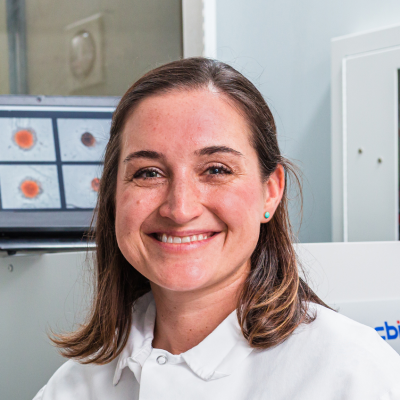
Principal Scientist
Scientific Operations
Certis Oncology Solutions
Production Partner
Certis Oncology Solutions, Inc.