From Clinical Data to Actionable Assets for Pharmaceutical R&D
In this webinar, learn to transform raw clinical and biobanking data into research-ready assets to accelerate pharmaceutical R&D.
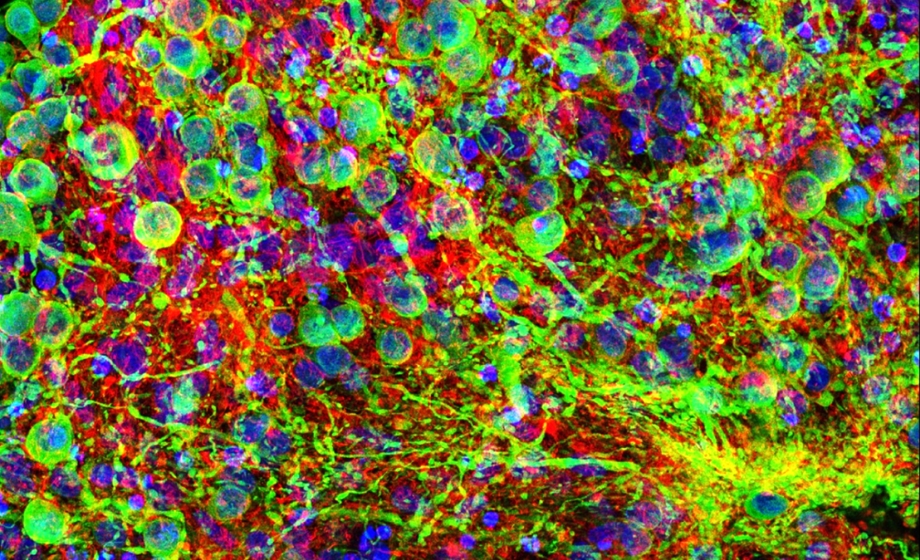
Detecting Early Synaptic Failure in Prion Disease Using Organoid Models
Join our webinar to see how early synaptic dysfunction can be captured with long-term organoid electrophysiology using Mesh MEA.
Epigenomics at 360° in Liquid Biopsy: Approaches and Case Studies for Biomarker Discovery and Drug Development
Dr. Matteo Tosolini and Dr. Jessica Apulei from Hologic Diagenode answer questions from their webinar on epigenomics as a dynamic regulatory layer beyond genetics and liquid biopsies as a means of obtaining multimodal biomarker readouts.
How to Avoid Expensive Redesign Cycles in Antibody Discovery
Learn how integrated antibody discovery and engineering strategies can accelerate the path from hit to optimized lead in less than 12 months while minimizing costly redesign cycles.
Scaling AAV9 Manufacturing: A Blueprint for Clinical-Grade Gene Therapy Production
Learn how to overcome AAV9 bottlenecks with an open-source, high-yield manufacturing blueprint designed to accelerate clinical-grade gene therapy production.
From Biopsy to Better Decisions: Patient-Derived Organoids Predict Treatment Response in Metastatic Colorectal Cancer
Learn how patient-derived organoids predict treatment response in metastatic colorectal cancer and explore findings from the OPTIC study on drug sensitivity and clinical outcomes.
High‑Throughput RT‑qPCR and Transcriptomics: Powering the Next Generation of Drug Discovery
In this webinar, Dr. Timur Samatov and Dr. Xavier Maréchal discuss how a fully transcriptomics enabled workflow can advance mRNA driven discovery and speed progression from screening to candidate nomination.

Epigenomics at 360° in Liquid Biopsy: Approaches and Case Studies for Biomarker Discovery and Drug Development
In this talk, we highlight epigenomics as a dynamic regulatory layer beyond genetics and demonstrate how minimally invasive liquid biopsies can provide multimodal biomarker readouts.
Photoreceptor Cell Therapy to Treat Advanced Retinal Degeneration
Dr. Rachael Pearson explores how transplanting human stem cell-derived cone photoreceptors can functionally restore vision and light-evoked behavior in cases of advanced retinal degeneration.
Gene-Agnostic Gene Therapy to Preserve Vision
Watch this Striatech Journal Club to explore a gene therapy approach targeting common oxidative stress and metabolic issues across multiple forms of blindness.
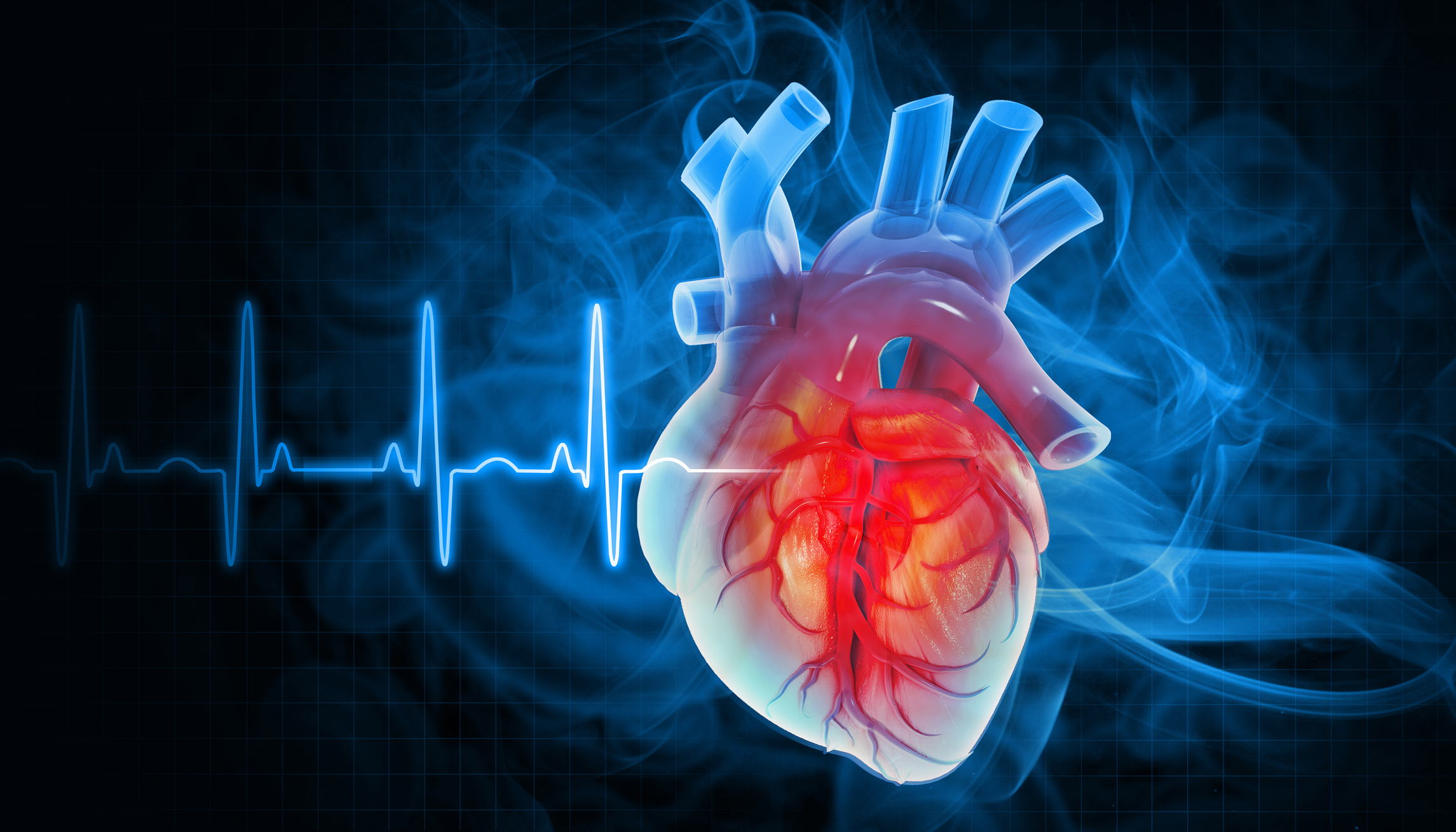
Mapping Genetic Risk for High Cholesterol: A New Diagnostic Resource
An international team of scientists has developed an unprecedented resource mapping nearly 17,000 genetic variants of the LDL receptor gene, a key factor in heart disease risk. This tool aims to help clinicians identify individuals at heightened genetic risk for elevated ‘bad’ cholesterol and enable earlier, more effective prevention and treatment of cardiovascular disease.
In Vivo panCAR™ Therapy Using Circular RNA for the Treatment of Autoimmune Disease
Learn how in vivo panCAR™ therapy, based on circular RNA and lipid nanoparticles, enables transient CAR expression and B cell depletion in preclinical models of autoimmune disease.
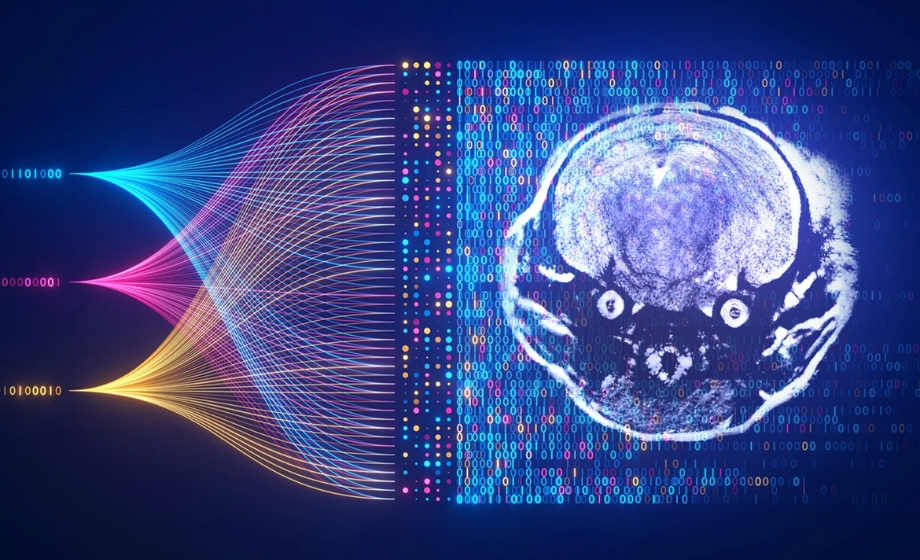
Combination Therapy for Glioblastoma: A Personalized, AI-Driven Approach
Discover how AI-driven models and patient-derived xenografts are advancing personalized combination therapies for glioblastoma.
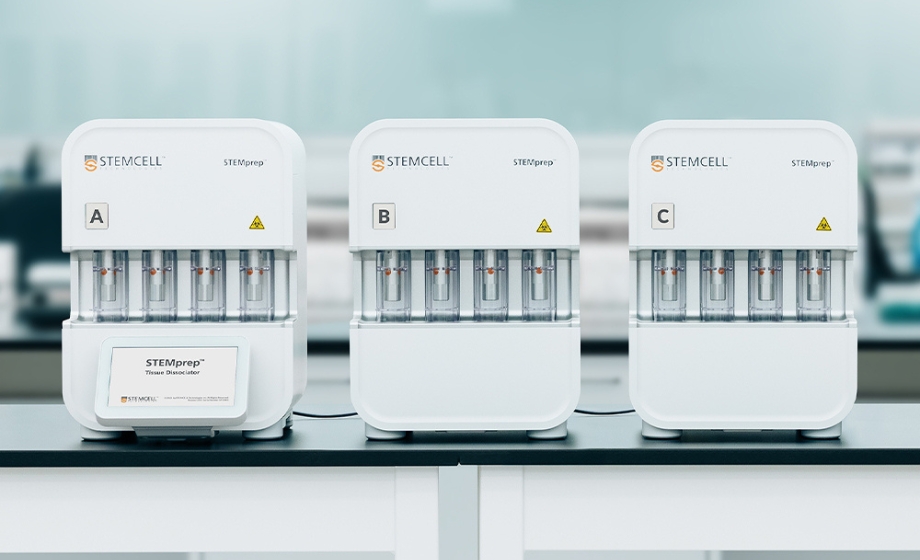
Enhance Your Tissue Processing Efficiency with the STEMprep™ Tissue Dissociator
Join Drs. Amanda Durkin and Grace Poon on October 2 as they explore how the STEMprep™ Tissue Dissociator System can simplify tissue processing and boost the efficiency of your biological research.
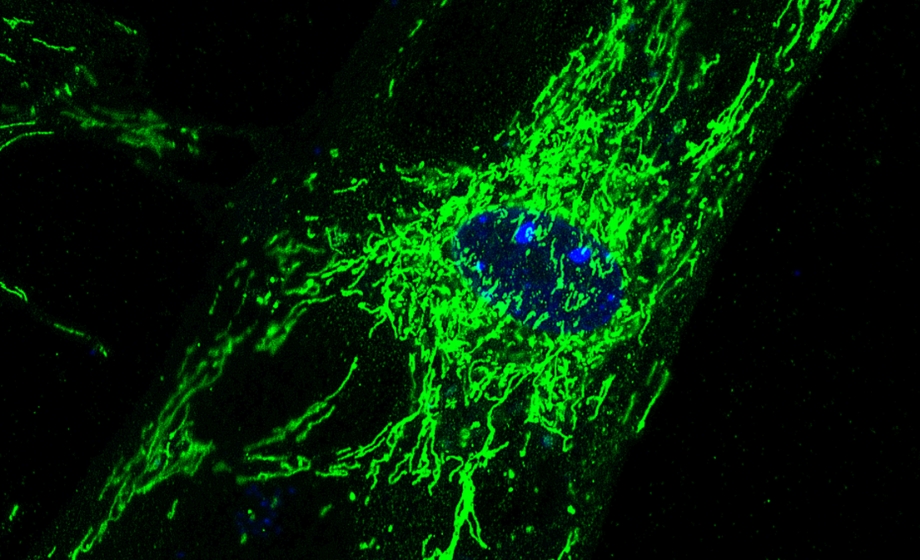
Reprogramming Mouse Fibroblasts Into Induced Cardiomyocytes: Age-Related, Metabolic, and Epigenetic Barriers
Join Dr. Sandrina Nóbrega-Pereira as she discusses the role of age, epigenetics, and mitochondrial metabolism in the Direct Cardiac Conversion (DCC) of fibroblasts into induced cardiomyocytes (iCMs).
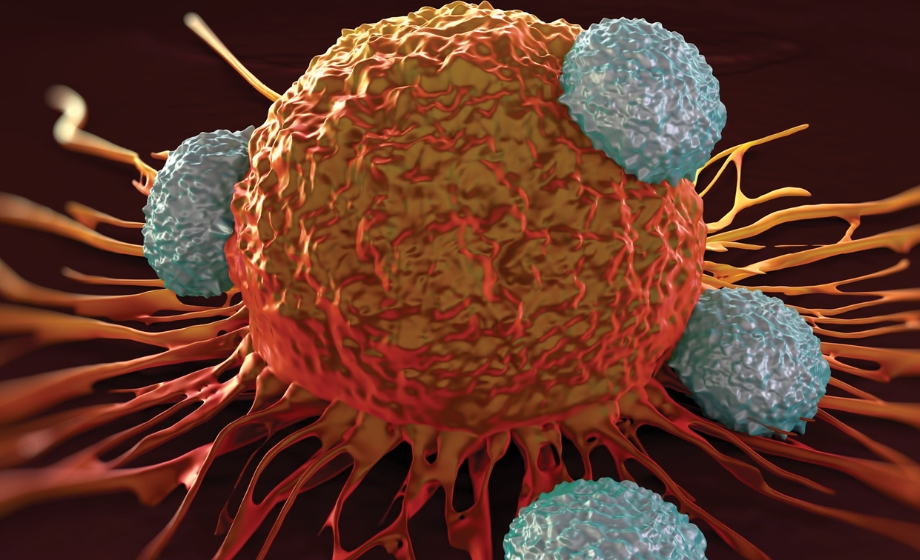
Vaccine-Boosting CAR T Cells Against Solid Tumors
Learn how a novel amphiphilic ligand boosts CAR T cells in vivo, enhances tumor targeting, and activates endogenous immunity—offering a promising new strategy for treating solid tumors.
Launch Event: Propelling Boundaries – Innovative Technologies in Early Drug Discovery
Join WuXi Biology Early Discovery Platform's experts as they discuss the innovative and latest technology updates in small and new molecule drug discovery.
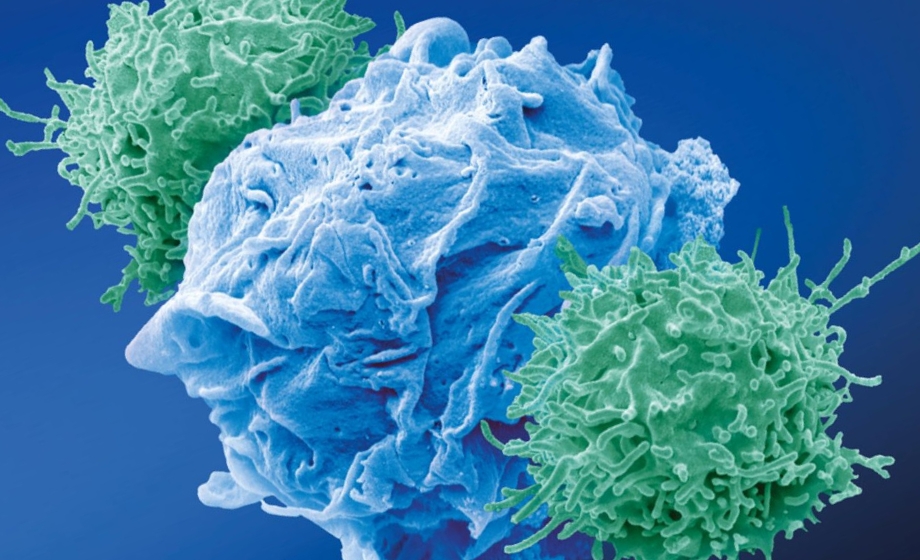
Advances in Preclinical Research using Human Co-culture Models: Applications in Immunology, Infectious Disease, and Oncology
Join Dr. Ethan Shelkey as he discusses human primary co-culture models with immune cells that are used in infectious disease studies and cancer therapeutic testing.
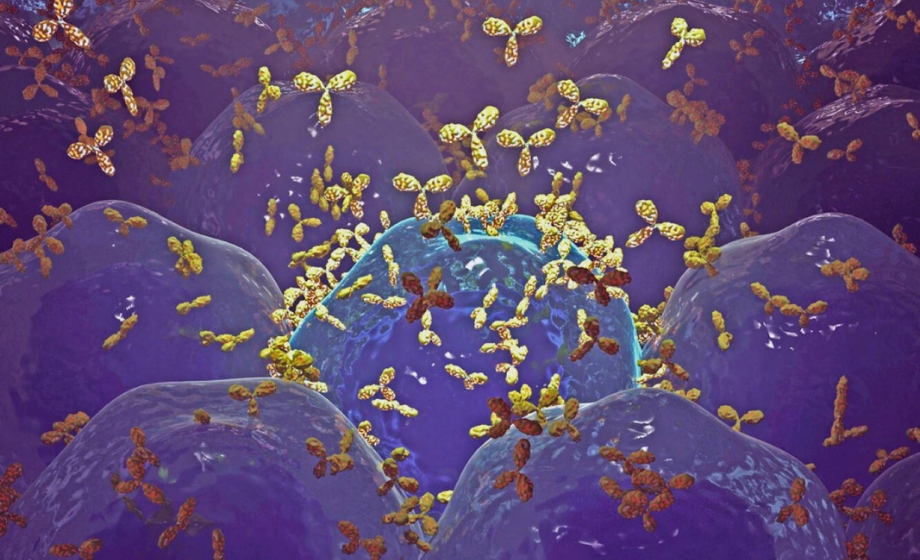
Cell-Based Assays for Immuno-oncology
Join Lonza scientist Ethan Shelkey as he explores how cell-based assays can assess immune activation and support immunotherapy development.
The Hidden Variable in Your Intestinal Organoids: Enhancing Differentiation for a More Predictive Model
On June 4, 2025, Dr. Martin Stahl led a webinar exploring how cellular composition affects organoid performance in drug response and toxicity assays. He also introduced IntestiCult™ Plus Organoid Growth Medium, a next-generation organoid medium that supports simultaneous expansion and differentiation of intestinal organoids. Below are answers to audience questions from the session, edited for brevity and clarity.

Artificial Intelligence in Preclinical Research: Pathology, Biospecimens, and Model Selection
Learn how AI is advancing preclinical research through quantitative pathology, curated biospecimen data, and intelligent tumor model selection in this expert-led webinar.
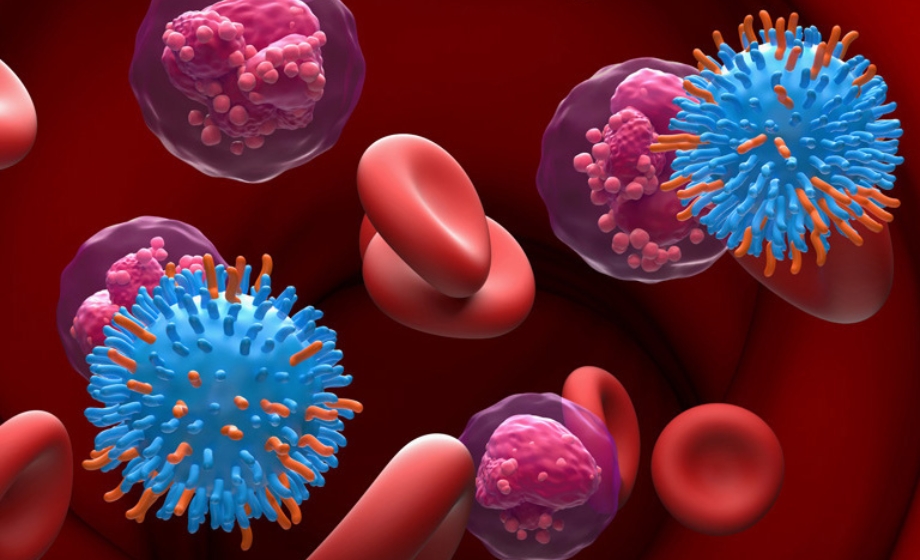
CAR Finder – A Platform for Rapid CAR T Cell Screening
Dr. Sandy Tretbar introduces CAR Finder Technology and shares practical strategies to improve mRNA-based CAR T cell screening and selection.
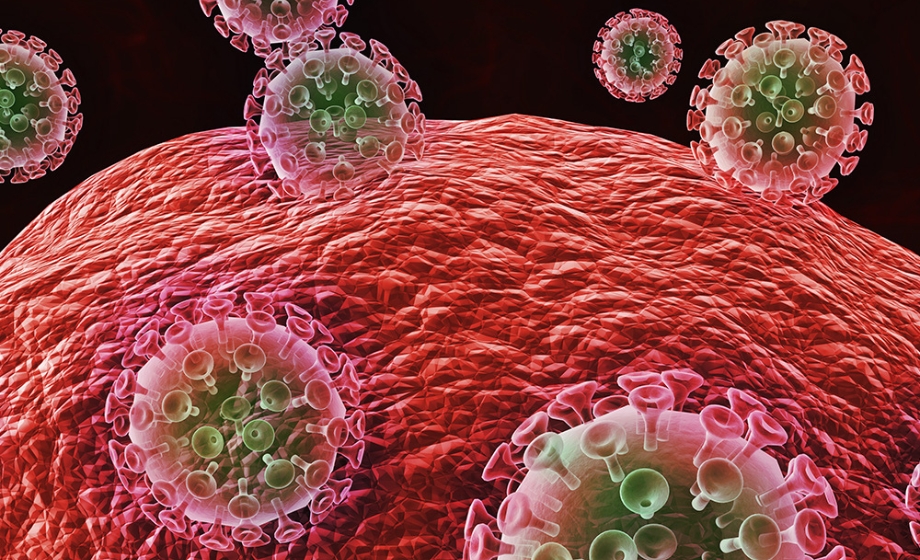
CRISPR Gene Editing in Primary T Cells: A Case Study in the Fight Against HIV
Get practical insight into CRISPR-Cas9 gene editing in primary immune cells and how it can be applied to study drug action in a physiologically relevant model.
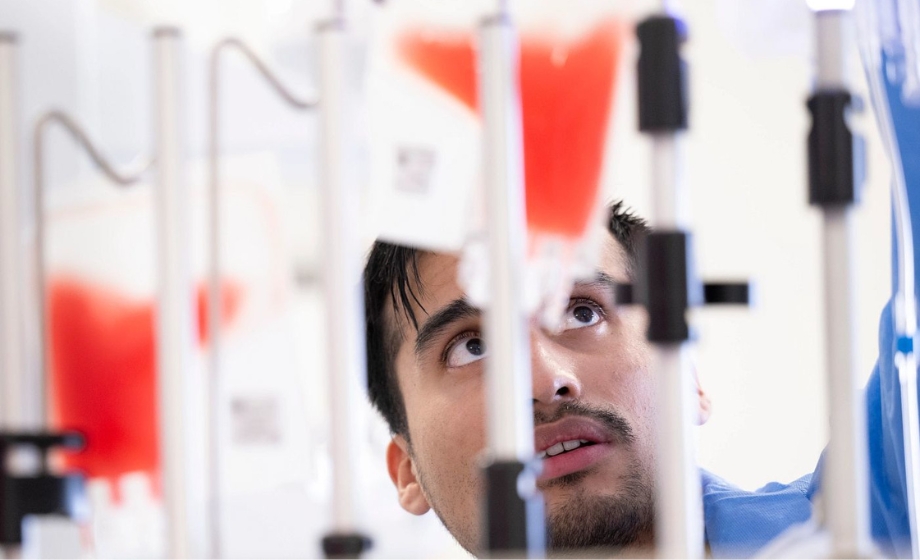
Fresh or Cryopreserved Leukopaks? Assessing the Impact of Different Storage Conditions on Leukopak Stability
Join Dr. Wassim Basheer from Charles River Laboratories as he shares impactful data looking at stability of fresh and cryopreserved leukopaks.
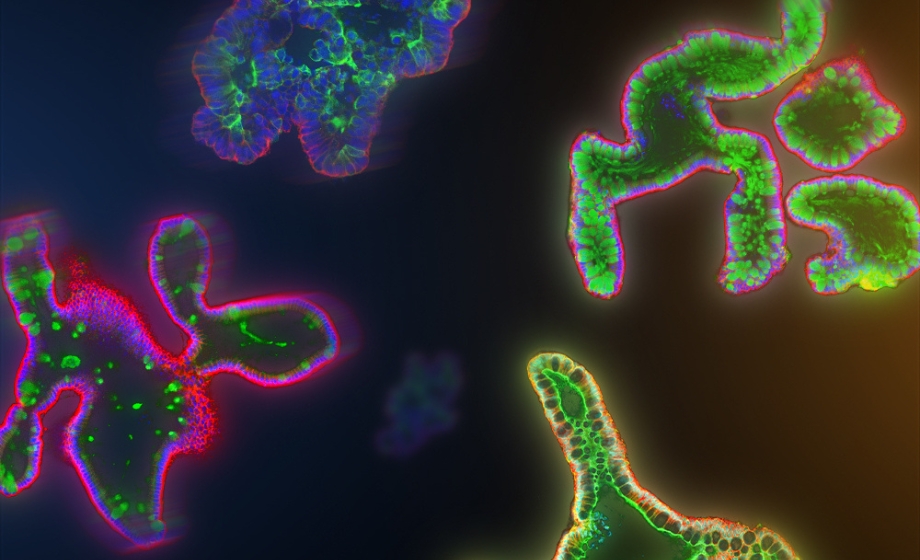
The Hidden Variable in Your Intestinal Organoids: Enhancing Differentiation for a More Predictive Model
Are you confident that your intestinal organoid models contain the right cell types to generate predictive, reproducible, and translatable results?