In this presentation, Parastoo Mashouri, PhD Candidate explores her pioneering research on the effects of gradual ovarian failure on skeletal muscle function.
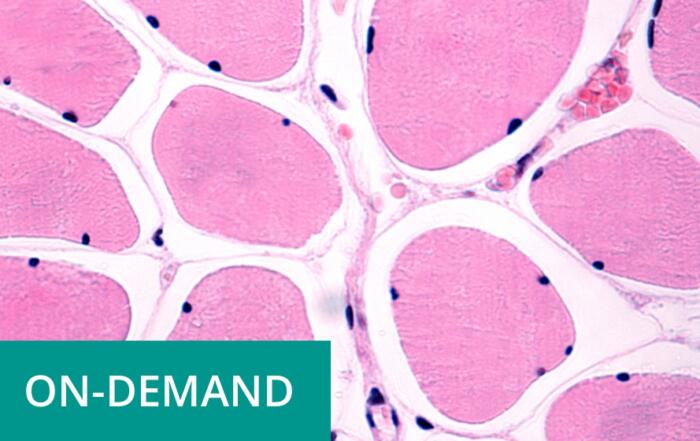
Utilizing an occupational chemical called VCD, which induces gradual ovarian failure, Parastoo’s work offers a nuanced perspective on the time-course changes in muscle function throughout menopause. She discusses her findings on the contractile properties of skeletal muscles at the single fiber level as well as explores morphological alterations, particularly focusing on fatty infiltration and fibrosis in muscles post-ovarian failure, which will have implications on overall muscle health and function.
This session also highlights the broader implications of these changes, emphasizing the importance of studying the perimenopause phase. Parastoo discusses how understanding the physiological changes during this critical transitional phase can lead to potential strategies for mitigating the negative effects of menopause on women’s health. Attendees will gain insights into the innovative use of the VCD model, contrasting it with the more common ovariectomy model, and learn about the significance of estrogen in maintaining muscle function. This talk aims to provide a comprehensive understanding of the intricate, and rather complex, relationship between menopause and skeletal muscle health, offering new perspectives for future research and potential therapeutic approaches.
Key Topics Include:
- Understand the VCD model: Gain insights into the VCD (4-vinylcyclohexene diepoxide) model of chemically induced ovarian failure and its advantages over the ovariectomy (OVX) model.
- Explore skeletal muscle changes: Learn about the impact of gradual ovarian failure on the contractile properties and morphology of skeletal muscles.
- Time course changes of menopause: Understand the importance of studying menopause as a dynamic process rather than a singular timepoint, and how this perspective can lead to more accurate interpretations of research findings.
- Evaluate broader implications: Consider the broader implications of menopause-related muscle changes on women’s health and potential future direction suggestions for the field to help identify strategies for mitigating negative effects.
Presenters

PhD Candidate
Human Health and Nutritional Sciences
University of Guelph
Production Partner
Aurora Scientific, Inc.