Skeletal Muscle Circadian Clocks: Keeping Time for Systemic Health
Dr. Karyn Esser presents the critical role of skeletal muscle circadian clocks in maintaining muscle strength, metabolic health, and systemic adaptations to endurance exercise.
Advancing Sarcopenia Research: CUHK Lab Unveils Early NMJ Deficits in Aging with Aurora Scientific’s 1200A
Professor Louis Cheung's lab at CUHK studies sarcopenia—the age-related loss of muscle mass—by pioneering interventions like vibration therapy by utilizing instruments including the Aurora Scientific 1200A system to precisely quantify neuromuscular junction (NMJ) dysfunction. Watch this interview to learn more about these advancements.
Building Bridges in Muscle Research: The Story Behind AMB’s Innovative Approach and Partnership with Aurora Scientific
In this interview, we sit down with Anthony Hessel and Khoi Nguyen, co-founders of Accelerated Muscle Biotechnologies (AMB), alongside Chris Rand from Aurora Scientific, to explore how their partnership is shaping the future of muscle research.
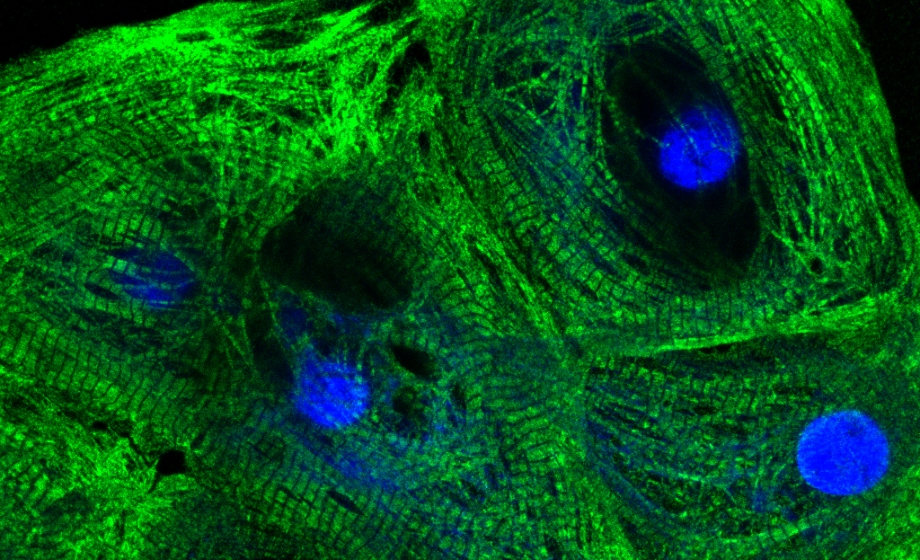
hiPSC-Cardiomyocyte Platforms Enabling Comprehensive Cardiac Toxicity and Drug Efficacy Evaluation
Join our webinar to discover how our hiPSC-cardiomyocyte platform can accelerate your drug discovery by enabling comprehensive evaluation - from QT interval to contractility, and from acute to chronic - for both cardiac toxicity and therapeutic efficacy!
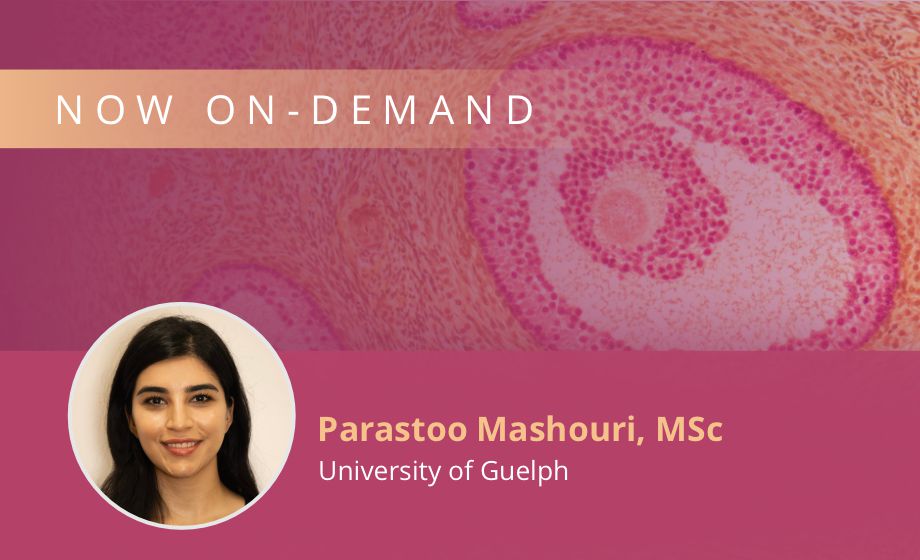
Effects of Ovarian Failure on Muscle Form and Function
In this presentation, Parastoo Mashouri, PhD Candidate will explore her pioneering research on the effects of gradual ovarian failure on skeletal muscle function.
Molecular Signals Mediating Increases in Muscle Size and Function
Bert Blaauw answers questions from a recent webinar on skeletal muscle regulatory pathways and the resulting changes in muscle size and function.
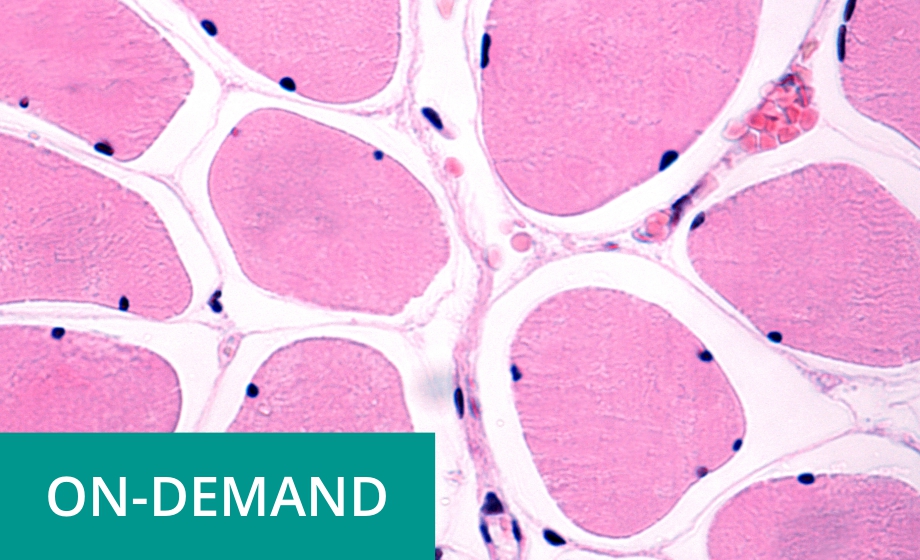
Molecular Signals Mediating Increases in Muscle Size and Function
In this webinar, Dr. Bert Blaauw elucidates skeletal muscle regulatory pathways and offers approaches to tackle muscle deficits for therapy.
#ExpertAnswers: Christopher Perry and Homira Osman on Integrating Patients, Clinical, and Advocacy Partners with Preclinical Research Labs
Dr. Christopher Perry, York University and Dr. Homira Osman, Muscular Dystrophy Canada answer questions from a recent webinar on how the integration of clinical, industrial, and not-for-profit advocacy partners with preclinical research labs offers great potential to improve our research impact.
Unlocking Heart Health: Revolutionizing Diastolic Function through Integrative Muscle Physiology at Wayne State University
Dr. Charles Chung is an Associate Professor of Physiology at Wayne State University. Using integrated physiology, analyzing data from the molecular level to the whole muscle, his laboratory aims to provide new directions and identify novel treatments for a variety of cardiac disorders. Learn more about his research group by watching the interview or summarized blog below.
Control of Muscle Glucose Uptake in vivo: Thinking Outside the Myocyte
In this webinar, David Wasserman, PhD provides a more complete understanding of muscle glucose uptake through consideration of the integration of physiological systems that control this process.
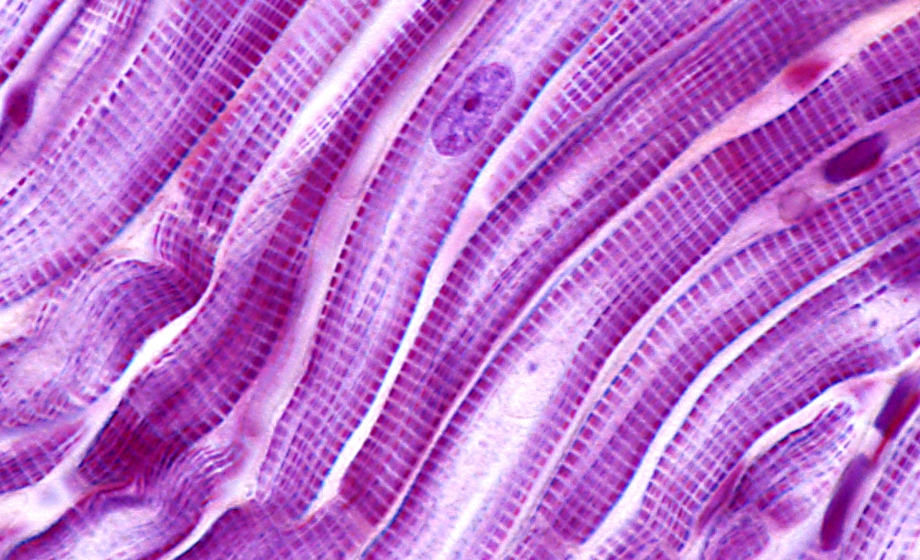
Cut and Paste of Myosin Binding Protein-C in Striated Muscles
Dr. Samantha Harris discusses the development of three new mouse models in her lab, engineered to target and replace specific myosin binding protein-C paralogs in muscle fibers and impact of their mutations on skeletal and cardiac muscle diseases.
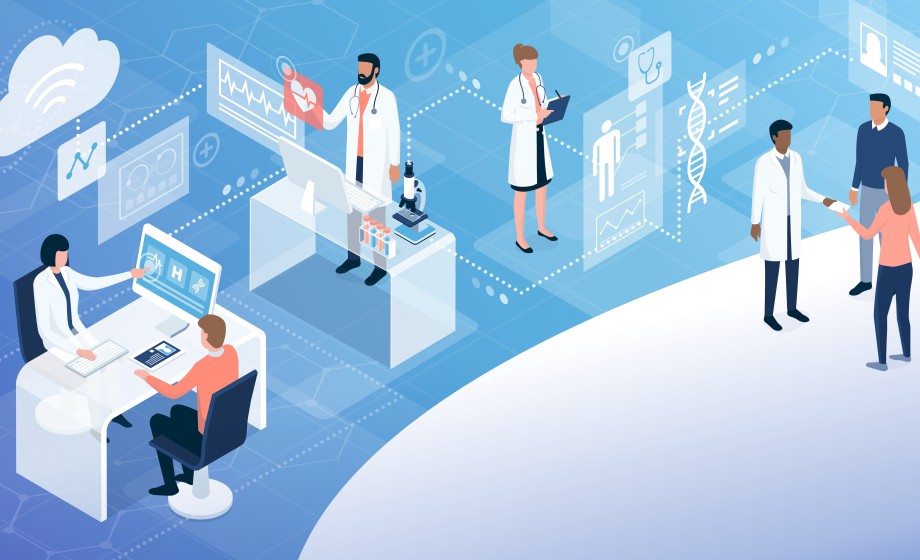
Integrating Patient Engagement and Trainee Development in Pre-Clinical Research
Christopher Perry, PhD discusses how his laboratory aims to discover mechanisms by which metabolic dysfunction causes muscle weakness and apply these findings to develop new therapies for muscle disorders. Homira Osman, PhD provides a particular focus on leveraging scientific findings for practice and policy and linking trainees with patient communities.
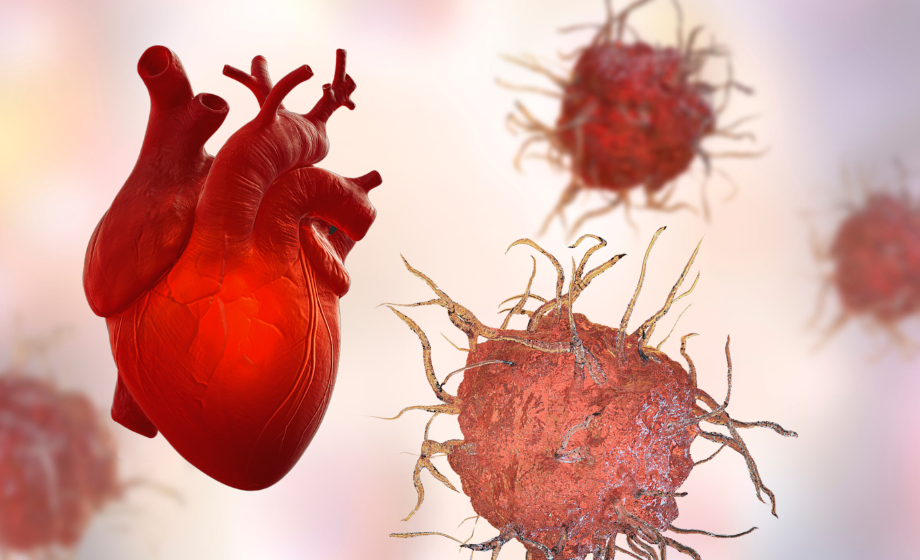
Can the Immune System Protect after Repeated Myocardial Injury?
While the immune response to a single cardiac event has been well researched, few have reported on whether an adaptive immunity is observed after repeated cardiac injury. Here, we discuss a recent publication from Tiwary et al., in which they investigate the cytoprotective response after multiple cardiomyopathic injuries.
#ExpertAnswers: Sarah Greising on Muscle Injury Recovery
Sarah Greising discusses the current pathophysiologic understanding of the skeletal muscle remaining following traumatic musculoskeletal injuries.
Industry Insights with Chris Rand from Aurora Scientific
Chris Rand delves into the start and evolution of Aurora Scientific, and their journey within the preclinical research world.
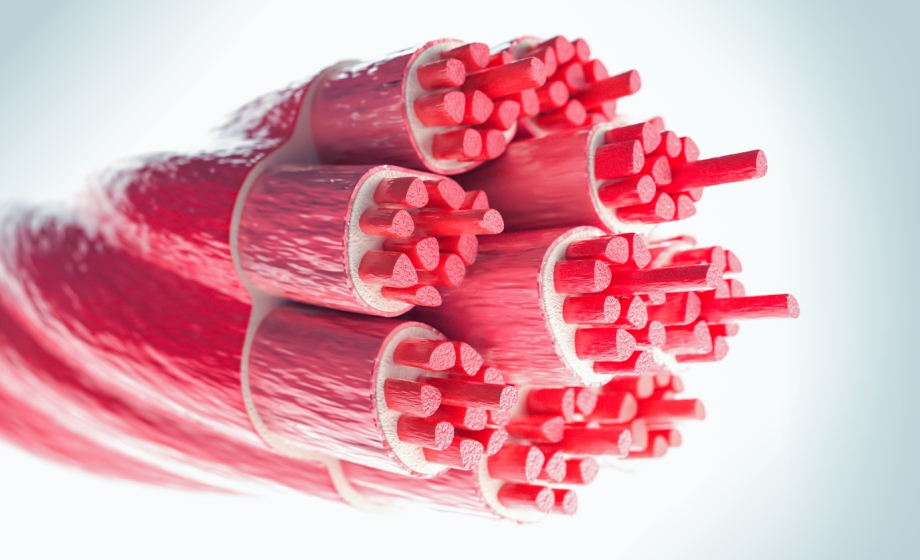
Functional Recovery of the Musculoskeletal System Following Injury – Leveraging the Large Animal Model
Watch Dr. Sarah Greising discuss the current pathophysiologic understanding of the skeletal muscle remaining following traumatic musculoskeletal injuries.
Muscle Health Research Centre (MHRC)
The Muscle Health Research Centre (MHRC) provides a centralized and focused research emphasis on the importance of skeletal muscle to [...]
Talking Real Science with Chris Perry
Chris Perry shares his career path and recent project of creating a CRO to bring more opportunity to deliver solutions for muscle disorders while still benefiting his trainees.
#ExpertAnswers: Andrea Bonetto on the Musculoskeletal Complications of Cancer and its Treatments
Andrea Bonetto, PhD, answers questions from his recent webinar on how bone preservation directly impacts muscle size and function in cachexia, and contributes to new treatments for cancer.
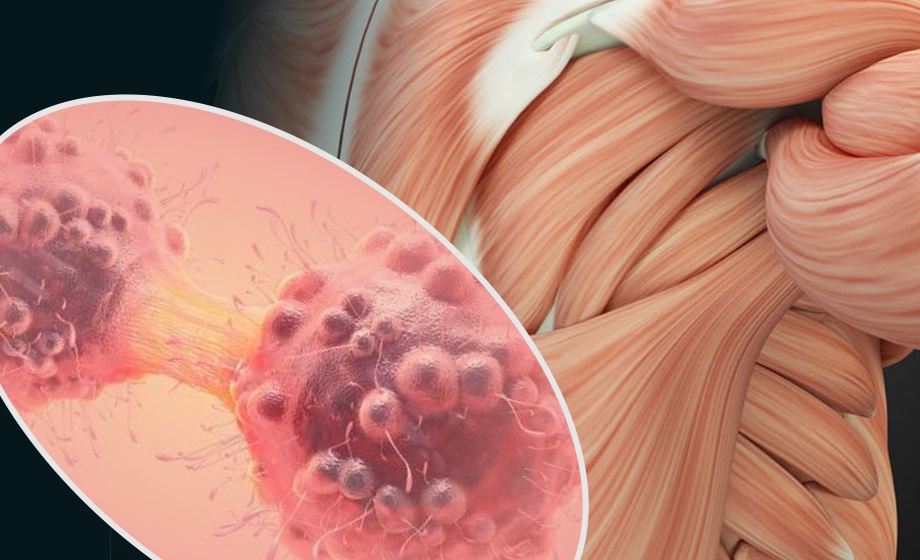
Musculoskeletal Complications of Cancer and its Treatments
Dr. Andrea Bonetto discusses the importance of musculoskeletal preservation in cancer treatment and shares evidence that bone preservation directly impacts muscle size and function in cachexia.