
Join Drs. Amanda Durkin and Grace Poon on October 2 as they explore how the STEMprep™ Tissue Dissociator System can simplify tissue processing and boost the efficiency of your biological research.
Effective tissue preparation is crucial for obtaining accurate insights into cellular interactions and gene expression. However, achieving the right balance between enzymatic and mechanical dissociation can often be complex and time-consuming.
The STEMprep™ Tissue Dissociator is designed to simplify this process, enabling the efficient generation of viable single-cell suspensions from tissue samples. With built-in temperature control and an intuitive user interface, this system makes tissue dissociation more reliable for your research. Join our webinar to discover how STEMprep™ can transform your tissue dissociation workflow.
Key Topics Include:
- Learn about the features and modularity of the STEMprep™ system, including built-in temperature control and a user-friendly interface, and explain how these support use with additional tissues and applications.
- Learn about the robust performance of the STEMprep™ system compared to alternative systems and manual processing methods.
- Learn about the functionality and compatibility of STEMprep™ -processed samples with various downstream applications.
Presenters

Product Manager
Immunology
STEMCELL Technologies
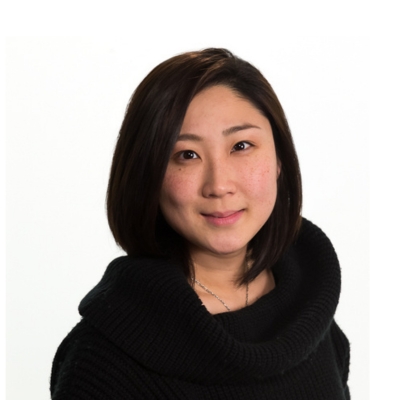
Dr. Durkin received her PhD in Biomedical Science with a focus on immunology from Laurentian University. She is currently a Product Manager for immunology at STEMCELL Technologies, where she helps transform innovative ideas and technologies into reliable products and quality solutions.
Senior Scientist
Research & Development
STEMCELL Technologies
Dr. Poon is a Senior Scientist at STEMCELL Technologies, where she develops tools to advance tissue research. She received her PhD in Microbiology and Immunology from the University of British Columbia, where she studied tissue macrophages and their role in inflammation. She then completed postdoctoral training at the Terry Fox Laboratory within the BC Cancer Research Centre, focusing on ILC2 regulation in allergic lung inflammation. Most recently, she has applied her expertise in tissue immunology to the development of the STEMprep™ Tissue Dissociator System.
Production Partner
STEMCELL Technologies Inc.
STEMCELL Technologies provides specialized cell culture media, cell isolation products, and reagents for your cell therapy and drug discovery research. Our ethically sourced human primary cell portfolio includes products from peripheral blood, cord blood, and bone marrow.

Additional Content From STEMCELL Technologies Inc.
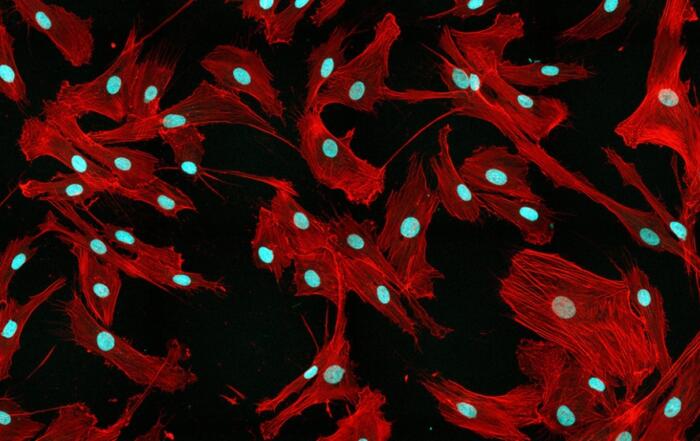
Advancing the Manufacture of Mesenchymal Stromal Cells and Derived Extracellular Vesicles in Stirred-Tank Bioreactors Through Enhanced Bioprocess Control
Learn how to scale the production of MSCs and extracellular vesicles using bioreactor control and real-time monitoring for more consistent therapies.
In Vivo panCAR™ Therapy Using Circular RNA for the Treatment of Autoimmune Disease
Learn how in vivo panCAR™ therapy, based on circular RNA and lipid nanoparticles, enables transient CAR expression and B cell depletion in preclinical models of autoimmune disease.
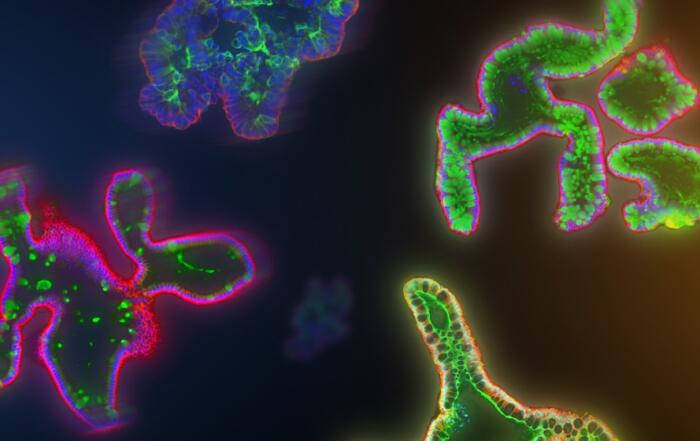
The Hidden Variable in Your Intestinal Organoids: Enhancing Differentiation for a More Predictive Model
Are you confident that your intestinal organoid models contain the right cell types to generate predictive, reproducible, and translatable results?
Additional Content From Scientist.com
How to Avoid Expensive Redesign Cycles in Antibody Discovery
Learn how integrated antibody discovery and engineering strategies can accelerate the path from hit to optimized lead in less than 12 months while minimizing costly redesign cycles.
Beyond Exposure: Integrating PK/PD for Translational Predictive Power
Learn to integrate PK/PD modeling and strategic biomarkers to bridge the translational gap. Improve clinical predictability for NCEs, ADCs, and large molecules in this technical webinar.

From Clinical Data to Actionable Assets for Pharmaceutical R&D
In this webinar, learn to transform raw clinical and biobanking data into research-ready assets to accelerate pharmaceutical R&D.
Related Content

Improving Preclinical Decision-Making in Obesity and CKD with Translational In Vivo Phenotyping
Join us to learn how in-depth in vivo phenotyping using patient-relevant models can improve preclinical decision-making.
Detecting Early Synaptic Failure in Prion Disease Using Organoid Models
Join our webinar to see how early synaptic dysfunction can be captured with long-term organoid electrophysiology using Mesh MEA.