Join us on May 19 to master PK/PD integration and learn how to transform exposure data into accurate predictions of clinical success.
Relying on exposure data alone is a leading cause of translational failure. To truly predict clinical outcomes, you must bridge the gap between drug concentration and biological effect. This webinar provides a masterclass in integrating pharmacokinetics (PK) with pharmacodynamics (PD) to transform raw data into a roadmap for candidate success.
Key Topics Include:
- Mechanistic Modeling: Moving beyond descriptive data to build predictive exposure–response models.
- Strategic Biomarker Integration: Selecting and validating the right markers to confirm target engagement.
- Dose Optimization: Pinpointing the therapeutic window for NCEs, large molecules, and ADCs.
- Cross-Modality Insights: Navigating the unique PK/PD challenges of diverse therapeutic platforms.
- Risk Mitigation: Solidifying First-in-Human (FIH) projections and narrowing the “translational gap.”
- Translational Confidence: Hard-coding predictive power into candidate selection to streamline regulatory transitions.
- Categories: Analytical Sciences, Cancer & Oncology Research, Clinical Research, Drug Discovery & Development, Pharmacology
- Tags: antibody-drug conjugates, biologics, biomarker discovery, immuno-oncology, organoids, pharmacokinetics, tumor microenvironment (TME)
Presenters

Rekha Pal, PhD
Senior Director, Scientific Engagement
Crown Bioscience
Dr. Rekha Pal is a highly accomplished cancer biologist specializing in immuno-oncology, translational research, and the tumor microenvironment. With extensive experience across both discovery and clinical development, she has led programs for targeted therapies and immune checkpoint inhibitors, including pivotal work on the molecular targets of thalidomide derivatives like pomalidomide and lenalidomide. Dr. Pal excels at bridging the gap between bench and clinic by developing complex cell-based disease models—such as organoids and primary human cell cultures—and collaborating with computational biologists to correlate genomic signatures with drug interactions for biomarker selection. Her multifaceted expertise at Crown Bioscience encompasses the design of in vitro and in vivo studies, the establishment of clinical protocols for patient sample analysis, and the successful navigation of IRB and IACUC regulatory frameworks to accelerate drug development programs.
Production Partner
Crown Bioscience
Crown Bioscience, a JSR Life Sciences company, is a global contract research organization (CRO) dedicated to accelerating drug discovery and development in oncology and immuno-oncology.
Additional Content From Crown Bioscience
Human Biological Samples in Research: Quality, Compliance, and Clinical Relevance
In this webinar, three experts discuss best practices for ensuring specimen integrity, leveraging biobanking for oncology breakthroughs, and enriching clinical data for translational research.
Beyond Checkpoints: Strategic Use of CDX Models in Emerging IO Therapies
Learn how enhanced CDX models with humanized immune systems improve preclinical-to-clinical success in emerging immuno-oncology therapies.
Biomarkers from Bench to Bedside: Tools, Targets, and Translational Insights
Explore how new tools and strategies are advancing biomarker discovery, standardization, and translational research in oncology and beyond.
Additional Content From Scientist.com
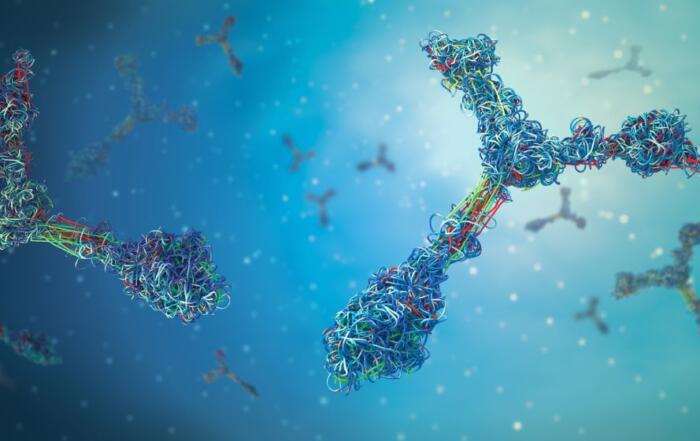
How to Avoid Expensive Redesign Cycles in Antibody Discovery
Learn how integrated antibody discovery and engineering strategies can accelerate the path from hit to optimized lead in less than 12 months while minimizing costly redesign cycles.
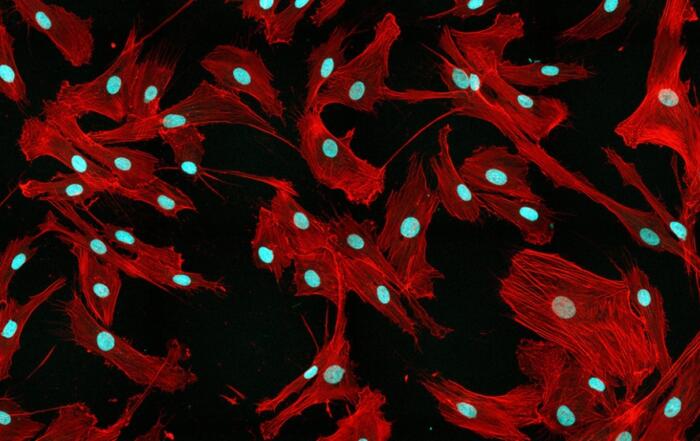
Advancing the Manufacture of Mesenchymal Stromal Cells and Derived Extracellular Vesicles in Stirred-Tank Bioreactors Through Enhanced Bioprocess Control
Learn how to scale the production of MSCs and extracellular vesicles using bioreactor control and real-time monitoring for more consistent therapies.

From Clinical Data to Actionable Assets for Pharmaceutical R&D
In this webinar, learn to transform raw clinical and biobanking data into research-ready assets to accelerate pharmaceutical R&D.
Related Content
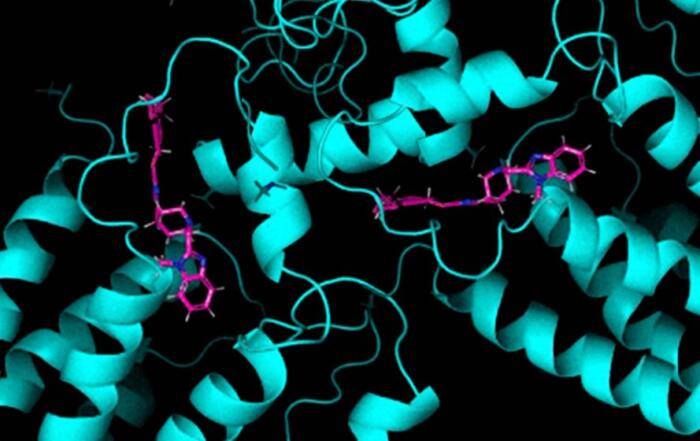

Improving Preclinical Decision-Making in Obesity and CKD with Translational In Vivo Phenotyping
Join us to learn how in-depth in vivo phenotyping using patient-relevant models can improve preclinical decision-making.
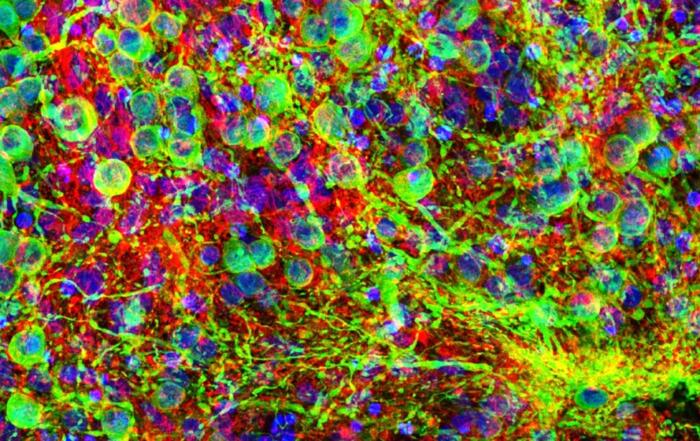
Detecting Early Synaptic Failure in Prion Disease Using Organoid Models
Join our webinar to see how early synaptic dysfunction can be captured with long-term organoid electrophysiology using Mesh MEA.