Beyond Exposure: Integrating PK/PD for Translational Predictive Power
Learn to integrate PK/PD modeling and strategic biomarkers to bridge the translational gap. Improve clinical predictability for NCEs, ADCs, and large molecules in this technical webinar.
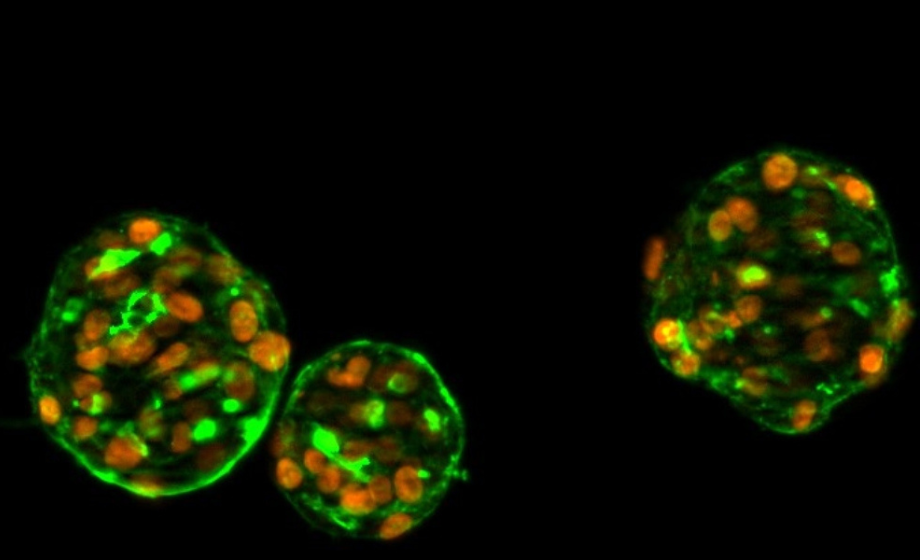
Improving Confidence in Thyroid Hormone Disruption Assessment Using a Novel Human-Relevant In Vitro Model
Learn how an emerging NAM is helping advance more efficient, human-relevant strategies for assessing thyroid hormone disruption while reducing reliance on animal testing.
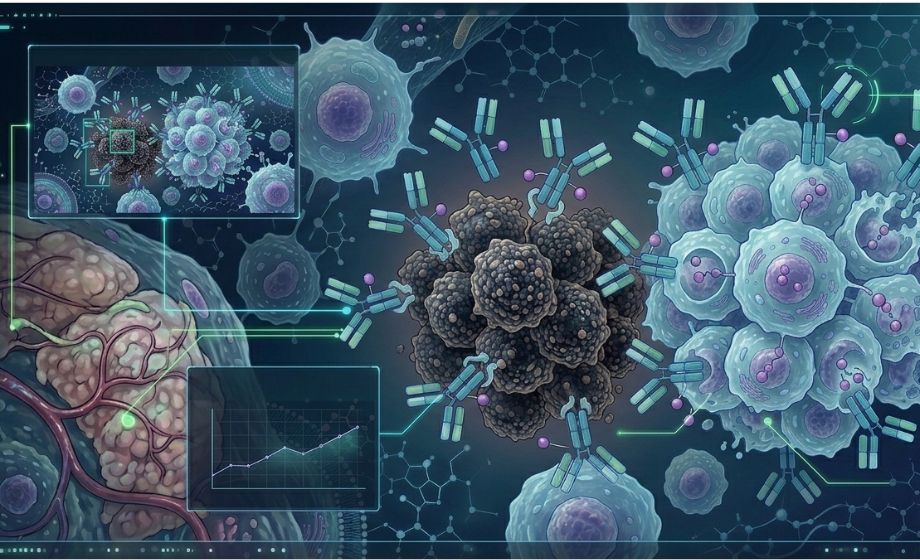
Advancing ADC Development: Leveraging AI and Translational Preclinical Models to Improve Clinical Predictability
Join our webinar to discover how to de-risk ADC development through the integration of AI-driven analytics, mouse clinical trials and specialized translational models.
Non CYP Mediated Metabolism Pathways and In Vitro Evaluation Strategies
Discover non-CYP metabolism pathways, key enzymes, and in vitro strategies for safer drug development in this webinar.
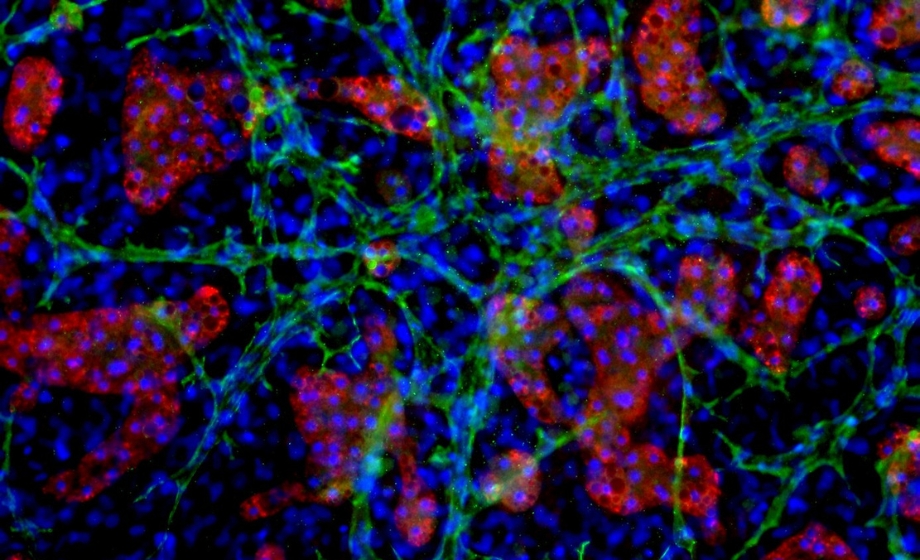
Improved Clearance Predictions for Aldehyde Oxidase Substrates Using TruVivo, a Novel Human Hepatocyte Model
In this exclusive session, Stephanie Piekos, PhD, Senior Scientist at Boehringer Ingelheim, shares insights into the challenges of evaluating AO substrates and how more predictive, human-relevant models are shaping the future of DMPK studies.
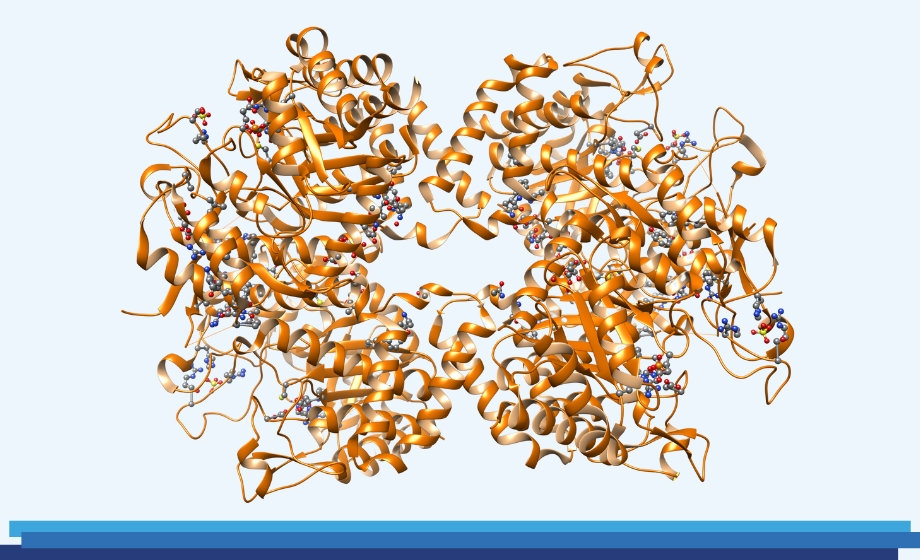
Empowering Drug Hunters with High-Throughput Protein Crystallography
Watch this webinar by Concept Life Sciences, hosted by Dr. Thomas Pesnot (Concept Life Sciences) and featuring Dr. Debanu Das from Accelero Biostructure, Inc as keynote speaker.
The ADMET Toolkit: Impact on Compound Design and Optimisation
Watch this webinar by Concept Life Sciences, hosted by Dr. Thomas Pesnot (Concept Life Sciences) and featuring Dr. Rob Riley as keynote speaker, on the ADMET Toolkit for clinical pharmacokinetics.
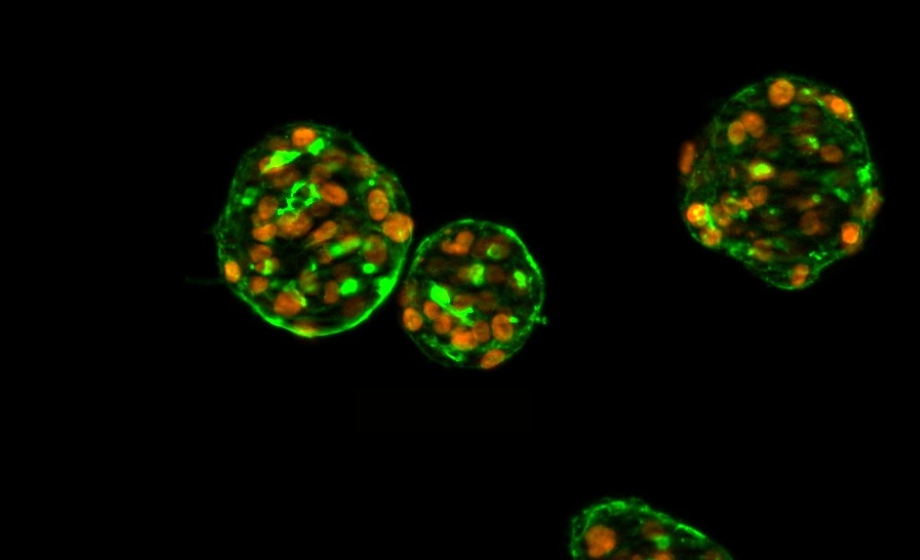
Innovative Approaches to Assessing Thyroid Disruption: The 3D Human Thyroid Microtissue Model
Dr. Chad Deisenroth, PhD, from the US EPA, introduces an advanced human in vitro 3D thyroid microtissue model designed to evaluate thyroid hormone disruption, addressing current challenges with existing models.

#ExpertAnswers: Jack Vanden Heuvel on Prediction Drug-Drug Interactions Early
Dr. Jack Vanden Heuvel from Penn State University and INDIGO Biosciences answers questions from a recent webinar where he discusses [...]
How to Better Predict Potential Drug Interactions Early in the Discovery Process
Dr. Jack Vanden Heuvel answers questions about the prediction of drug-drug interactions using in vitro assays and gene expression studies.
Successful Modification of a Rodent Surgical Procedure and Device for Vascular Access in Minipigs (Vascular Access Button)
Adrian Zeltner answers questions on the innovative use of the Rat Vascular Access Button in Göttingen Minipigs to streamline blood sampling and infusion.
The Use of Vascular Access Buttons in Rabbits for PK/TK Studies
Jon Ehrmann, BS, SRS, SRA, LATg answers questions regarding use of vascular access buttons in rabbits as a solution to challenges in venipuncture, enhancing blood collection, and intravenous administration for pharmacokinetic studies.
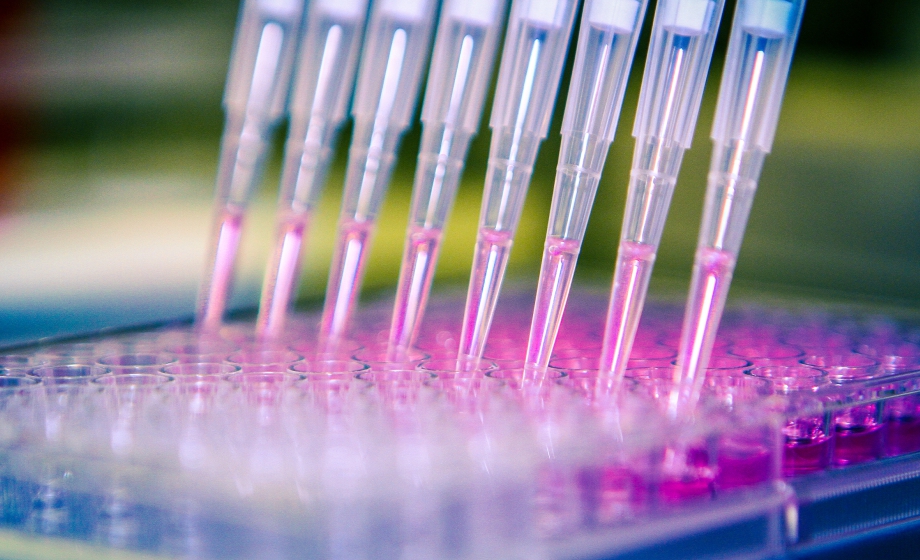
How to Better Predict Potential Drug Interactions Early in the Discovery Process
Join our webinar to discover effective strategies for early prediction of drug-drug interactions using in-vitro assays and gene expression studies.

Successful Modification of a Rodent Surgical Procedure and Device for Vascular Access in Minipigs (Vascular Access Button)
Adrian Zeltner discusses the innovative use of the Rat Vascular Access Button in Göttingen Minipigs to streamline blood sampling and infusion.

The Use of Vascular Access Buttons in Rabbits for PK/TK Studies
Jon Ehrmann presents the use of vascular access buttons in rabbits as a solution to challenges in venipuncture, enhancing blood collection, and intravenous administration for pharmacokinetic studies.
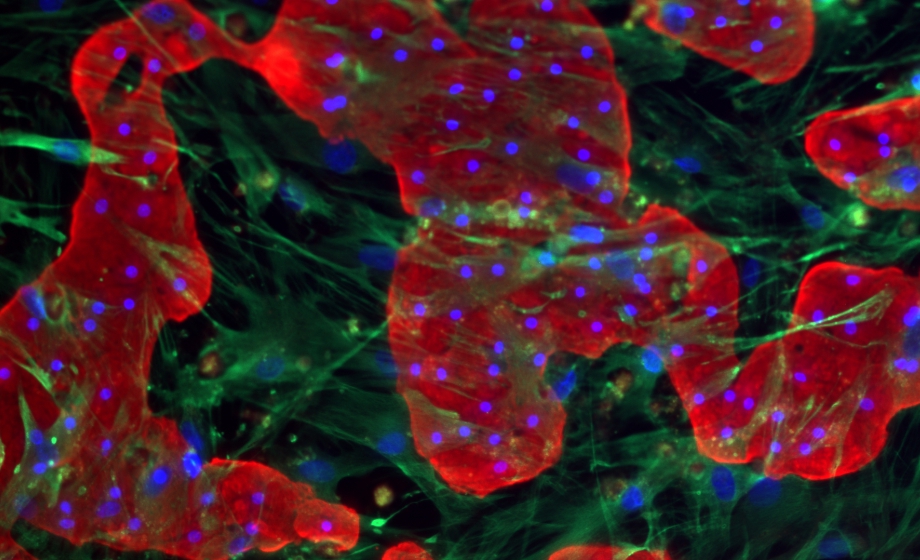
Evaluation of TruVivo, an All-Human Hepatocyte Model for Mechanistic DMPK Investigations
Join Diane Ramsden, PhD, and Lindsey Whaley, MS, for an inside look at TruVivo™, a novel all-human in vitro hepatocyte system developed by LifeNet Health LifeSciences.

#ExpertAnswers: Audrey Dubourg and Gareth Guenigault on the Organ-On-A-Chip Approach
Audrey Dubourg and Gareth Guenigault from CN Bio discuss the value that an organ-on-a-chip approach can bring to drug discovery and development workflows, and how the regulatory landscape is shifting to encourage their widespread adoption.
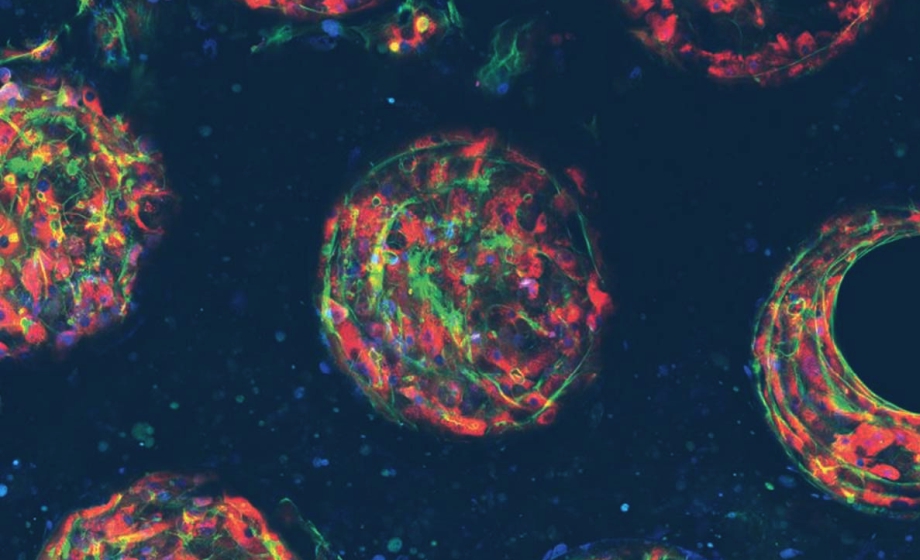
It’s Life, but Not As We Know It: How Predictive Human Organ Models Are Transforming and Reshaping the Efficiency of Drug Discovery
Dr. Audrey Dubourg and Dr. Gareth Guenigault explore the value that an organ-on-a-chip approach can bring to drug discovery and development workflows, and how the regulatory landscape is shifting to encourage their widespread adoption.

#ExpertAnswers: Joanna Hummer and Florie Le Prieult on cOFM for in vivo Cerebral Fluid Sampling
Experts discuss cerebral open flow microperfusions use, and honing in specifically on its use in drug development and neurodegenerative disease.
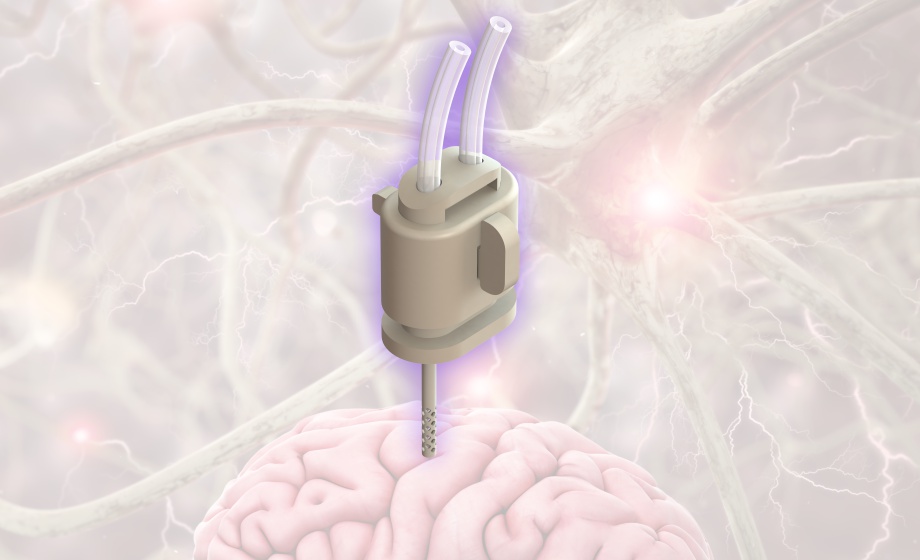
Cerebral Open Flow Microperfusion (cOFM) for in vivo Cerebral Fluid Sampling – Comparison of cOFM and Microdialysis
Dr. Joanna Hummer and Dr. Florie Le Prieult share insights into cOFM's use and utility in the broader neuroscience field and specifically for the development of drugs for neurodegenerative diseases.

#ExpertAnswers: Christian Schnell on Pharmacology Studies in Oncology Research
Christian Schnell, Associate Director of Oncology at Novartis in Basel, answers questions on PK-PD assessment and corresponding antitumor activity in pharmacology studies for oncology research.
Compound Delivery, PK-PD, & Validation Studies in Oncology Research
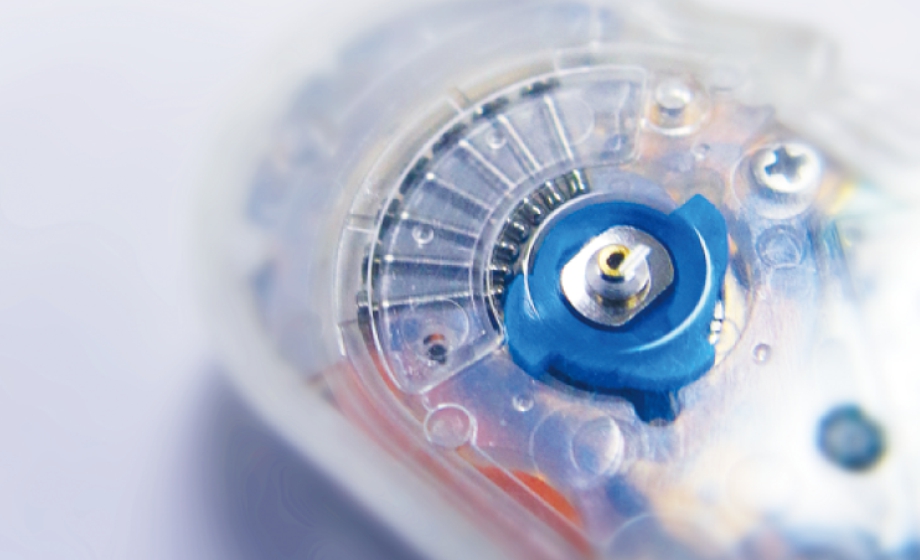
Dr. Christian Schnell describes his work involving implantable infusion pump studies in rodents and the advancement of pharmacological interventions in oncology research.

#ExpertAnswers: John Cirrito & Candace Rhode-Johnson on Micro-dialysis and Neuroscience
In this episode of Expert Answers, John Cirrito and Candace Rhode-Johnson discuss the use of a novel movement responsive rodent caging system.
Turn Away from Traditional Tethering and Towards a Better Method for Data Collection
Experts discuss the use of a novel movement responsive rodent caging system as a means to minimize animal stress and enable unique discovery in many research applications, namely neuroscience, animal behaviour, drug discovery and cardiometabolic disease.