
Join Dr. Sandrina Nóbrega-Pereira as she discusses the role of age, epigenetics, and mitochondrial metabolism in the Direct Cardiac Conversion (DCC) of fibroblasts into induced cardiomyocytes (iCMs).
Heart disease remains the leading cause of death in developed nations, underscoring the need for innovative regenerative therapies. One such strategy, Direct Cardiac Conversion (DCC) of fibroblasts into induced cardiomyocytes (iCMs) by forced expression of the transcription factors Mef2c, Gata4, and Tbx5 (MGT), shows promise but is limited in efficacy, especially with age. In this webinar, Dr. Nóbrega-Pereira will discuss recent results from her laboratory exploring the metabolic and age-related constraints affecting DCC in mouse fibroblasts in vitro.
DCC efficiency declines with age, correlating with epigenetic remodeling and altered mitochondrial metabolism, including reduced anabolism, mitochondrial network changes, and a shift toward oxidative phosphorylation. Dr. Nóbrega-Pereira will discuss the consequences of accumulated mitochondrial oxidative stress in older cells on reprogramming efficiency, and how modulation of metabolism in vitro and using dietary interventions in vivo can restore mitochondrial function, reduce oxidative stress, and improve reprogramming outcomes
These interventions were also associated with beneficial changes in histone modification patterns, suggesting a strong link between metabolism, epigenetics, and cell fate conversion. The observed metaboloepigenetic regulation limits to DCC efficiency suggest metabolic interventions may be an effective strategy to enhance cardiac reprogramming in aged cells.
Key Topics Include:
- Direct cardiac conversion (DCC) is a promising strategy for heart regeneration, but its efficiency declines with age.
- DCC involves alterations in the epigenetic and metabolic landscape, including reduced anabolism, mitochondrial network remodeling, and increased reliance on respiration.
- Metabolic interventions that reduce mitochondrial oxidative stress—such as mitophagy activation or dietary lipid supplementation—can enhance DCC efficiency in adult fibroblasts.
- Categories: Aging, Cardiovascular, Cell & Molecular Biology, Genetics & Genomics
- Tags: aging, cardiac health, cardiomyocytes, cell metabolism, diet, epigenetic, mitochondria, myocardial diseases, regenerative medicine
Presenters
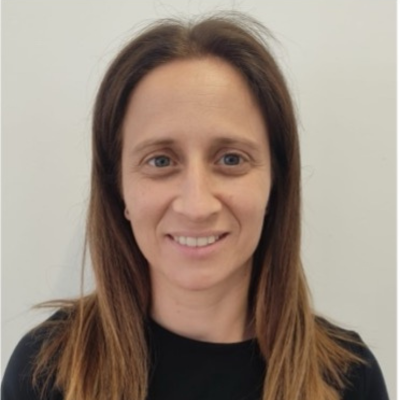
Sandrina Nóbrega Pereira, PhD
Assistant Researcher
Department of Medical Sciences and Institute of Biomedicine (iBiMED)
University of Aveiro
Related Content
How to Avoid Expensive Redesign Cycles in Antibody Discovery
Advancing the Manufacture of Mesenchymal Stromal Cells and Derived Extracellular Vesicles in Stirred-Tank Bioreactors Through Enhanced Bioprocess Control
Having issues registering with our form? Please Register Here