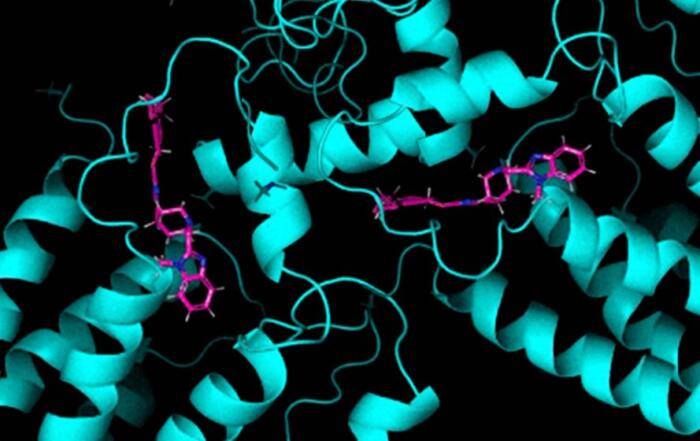
In this webinar, Vera Evanson, PhD presents how iPSC-derived ALS models reproduce hallmark disease phenotypes and their use in evaluating drug responses.
Amyotrophic Lateral Sclerosis (ALS) remains one of the most challenging neurodegenerative diseases to model and treat. Dr. Evanson will discuss how iPSC-derived ALS models reproduce TDP-43 mislocalization and how these models can be leveraged to evaluate drug responses and TDP-43 dynamics. Join to learn how Ricoh Biosciences’ transcription factor-based differentiation platform enables rapid, reproducible generation of motor neurons and how these physiologically relevant models can accelerate your drug discovery, target validation, and phenotypic screening efforts in ALS research.
Key Topics Include:
- Overview of Ricoh Biosciences’ iPSC technology
- How can patient-specific iPSC-derived motor neurons be used to model ALS?
- What is TDP-43 and how is it implicated in ALS?
- Evaluating drug efficacy using TDP-43 mislocalization in ALS models
Resources
Presenters

Lead Scientist
Research & Development
Ricoh Biosciences
Dr. Vera-Marie Evanson is an R&D Lead Scientist at Ricoh Biosciences and a lead scientist on ALS assay development, working with partners to refine our disease-modeling platform for their research needs. She specializes in assay design, high-content imaging, and image analysis, trained at Radboud University and Johns Hopkins.
Production Partner
Ricoh Biosciences
Ricoh Biosciences, formerly Elixirgen Scientific, is a biotechnology company using proprietary human iPSC differentiation technology to accelerate drug discovery, disease modeling, and cell therapy development. It provides high-quality, scalable cellular platforms and assays to support research and therapeutic innovation.

Additional Content From Scientist.com
How to Avoid Expensive Redesign Cycles in Antibody Discovery
Learn how integrated antibody discovery and engineering strategies can accelerate the path from hit to optimized lead in less than 12 months while minimizing costly redesign cycles.
Beyond Exposure: Integrating PK/PD for Translational Predictive Power
Learn to integrate PK/PD modeling and strategic biomarkers to bridge the translational gap. Improve clinical predictability for NCEs, ADCs, and large molecules in this technical webinar.
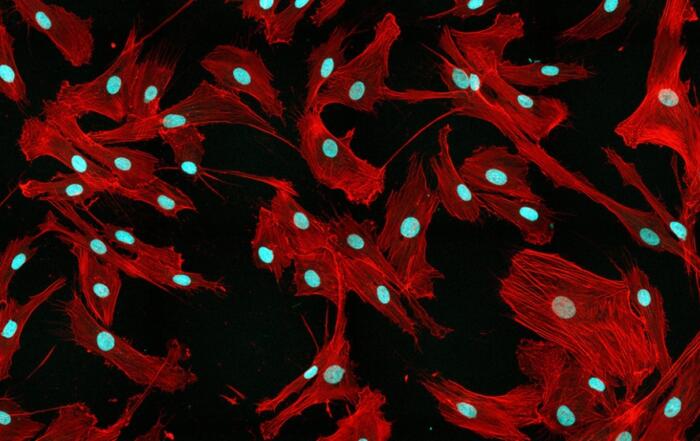
Advancing the Manufacture of Mesenchymal Stromal Cells and Derived Extracellular Vesicles in Stirred-Tank Bioreactors Through Enhanced Bioprocess Control
Learn how to scale the production of MSCs and extracellular vesicles using bioreactor control and real-time monitoring for more consistent therapies.
Related Content
Seeing White Matter Aging Through the Visual System
Dr. Janos Groh from the Technical University of Munich explores how the visual system can be used to uncover the cellular, molecular, and neuroinflammatory mechanisms driving white matter aging.
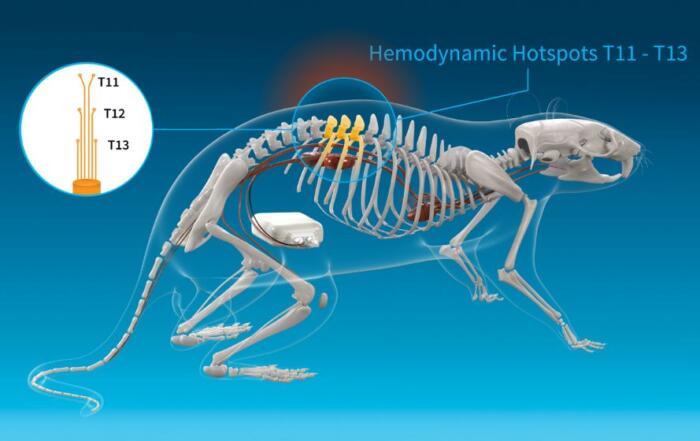
Engineering Neuromodulation for Cardiovascular Instability
Dr. Aaron Phillips traces the translational journey of a discovery that began in a foundational laboratory and is now advancing through pivotal clinical trials aimed at stabilizing cardiovascular function.