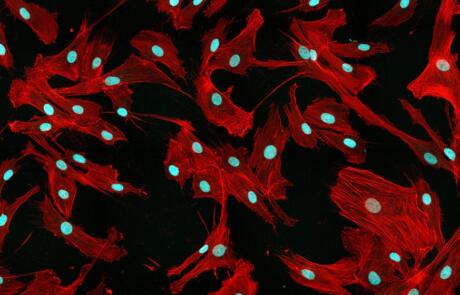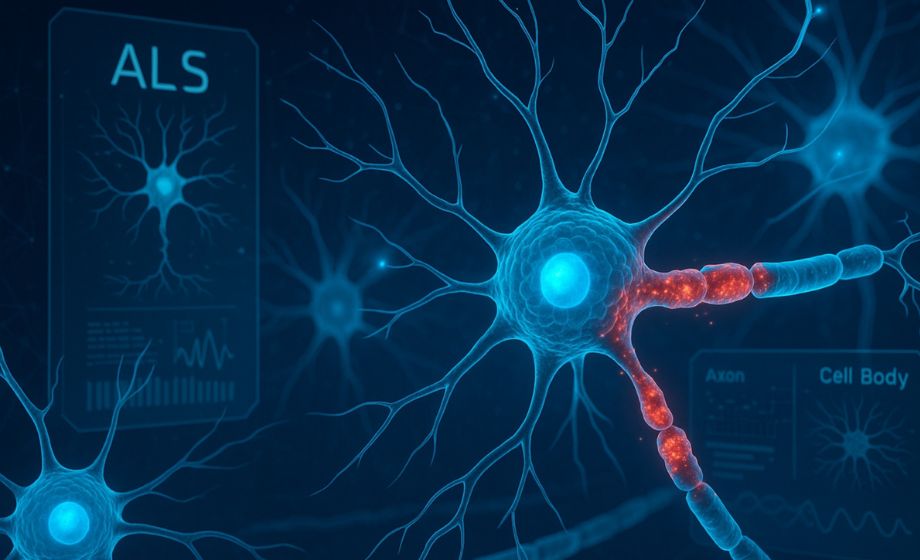
Using ALS Patient-Derived Motor Neurons to Study TDP-43 Mislocalization
In this webinar, Vera Evanson, PhD presents how iPSC-derived ALS models reproduce hallmark disease phenotypes and their use in evaluating drug responses.
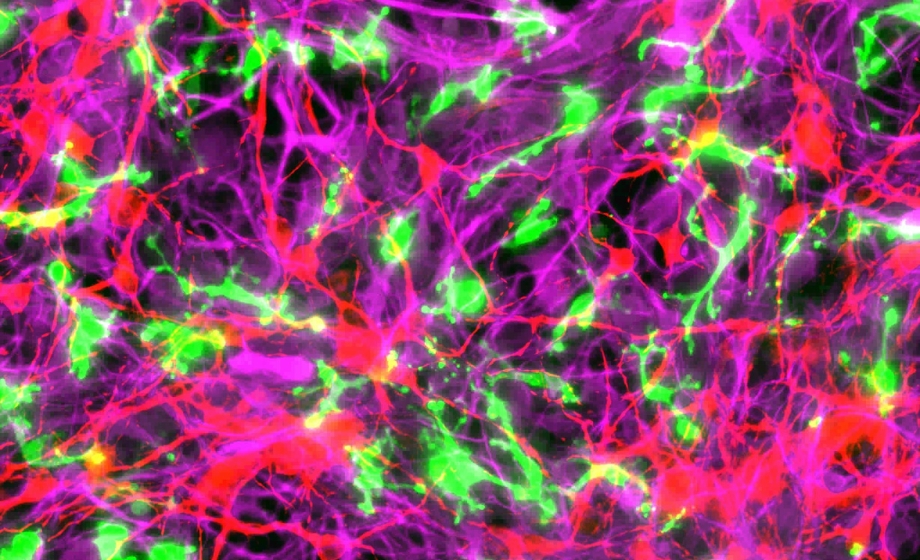
Exploring the iPSC-Derived Neuronal-Glia Co-culture System: A Powerful Drug Discovery Platform for Studying Neurodegenerative Diseases
Learn how FUJIFILM’s iPSC-derived neuron-glia co-culture system supports drug discovery and disease modeling for neurodegenerative disorders.
Visual Function with Aging in Normal and Alzheimer’s Disease Model Mice
In this presentation, Anna Matynia, PhD explains the effect of normal aging and Alzheimer’s Disease on visual acuity, contrast sensitivity, and pupillary light reflex as a possible early biomarker for Alzheimer’s Disease.
New Horizons: Gonadotropin-Releasing Hormone and Cognition
Vincent Prevot answers questions from his recent webinar on the effects of gonadotropin-releasing hormone on cognition.
Updates in Chronic Traumatic Encephalopathy (CTE)
Dr. Ann McKee will describe the emergence of chronic traumatic encephalopathy (CTE) as a distinct disease over the past 20 years.
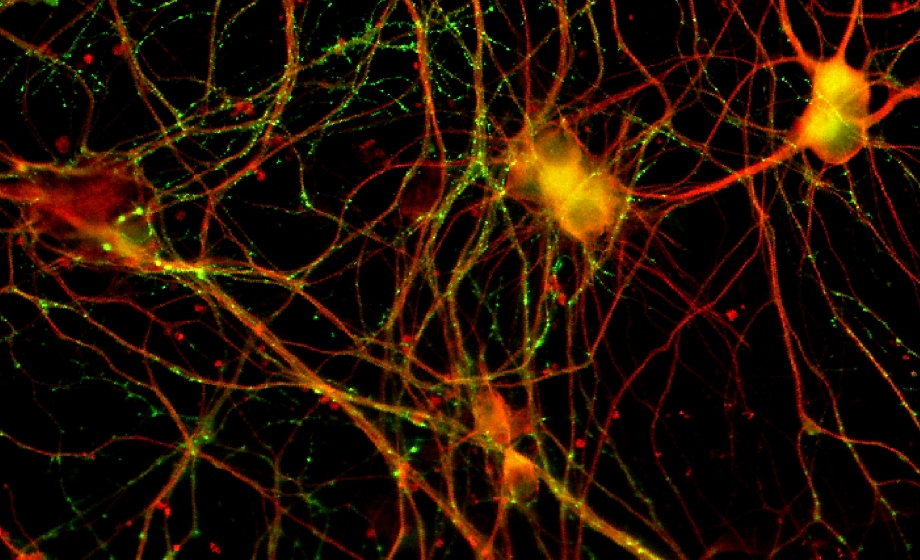
Advancing Disease Modeling for Drug Discovery by Modulating iPSCs with CRISPR and Neuronal Differentiation
Explore applications of CRISPR and iPSCs in disease modeling and drug discovery in our upcoming webinar with Synthego and BrainXell.
Compensatory Mechanisms in Parkinson’s Disease
Bas Bloem, MD reviews compensatory mechanisms, including cerebral plasticity and behavioral adaptation, in persons with Parkinson's disease.
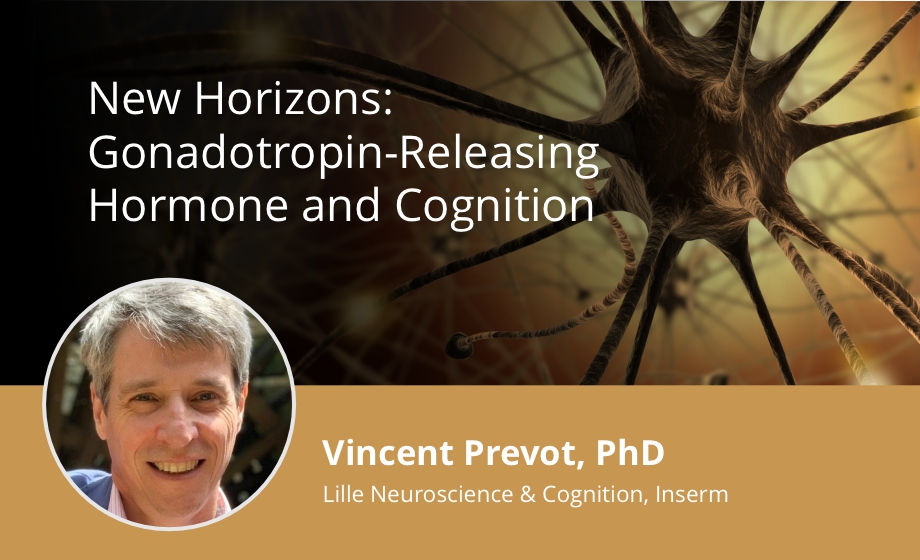
New Horizons: Gonadotropin-Releasing Hormone and Cognition
Join Vincent Prevot, PhD as he dives into the development and establishment of the gonadotropin-releasing hormone (GnRH) system and the importance of its first postnatal activation.
Brain-Derived Tau in Blood: the Future of Alzheimer’s Disease Diagnosis?
Recently published in Brain, Gonzalez-Ortiz et al. report the design and development of a novel blood-based biomarker specific to brain-derived tau. In this blog post, we dive into the advantages of their novel immunoassay over those that are commercially available, as well as its future implications for Alzheimer’s disease diagnosis.
#ExpertAnswers: Dennis Turner on the Metabolics of Dementia
Dennis Turner delves into dementia syndrome, the metabolic changes that occur, and the importance of proper physiological monitoring of animal models.

Strategic Approaches to Age-Related Metabolic Insufficiency and Transition into Dementia Syndrome
In this webinar, Dr. Dennis Turner delves into dementia syndrome, the metabolic changes that occur, and the importance of proper physiological monitoring of animal models.
#ExpertAnswers: Louise Parr-Brownlie and Conor Underwood on Optogenetic Stimulation
Louise Parr-Brownlie and Conor Underwood discuss the impact of acute optogenetic stimulation for the treatment of Parkinson's disease in a rat model.
Optogenetic Stimulation for Parkinson’s Research: Recovering Movement in an Animal Model
Join Louise Parr-Brownlie, PhD and Conor Underwood, PhD for a review of implantable optogenetics to replace deep brain stimulation, a surgical procedure overview, and a discussion about the impact of acute optogenetic stimulation for the treatment of Parkinson's disease in a rat model.
Cutting Edge Conversations 2022
The Cutting Edge Conversations series offers a deep dive into specific research areas and focused insights regarding market-relevant processes from respected firms in the industry.
Cutting Edge Conversations: Fighting Neurodegenerative Diseases
Evelyn Pyper, MPH, discusses how a patient-centered approach to real-world data collection and evidence generation can transform research in neurodegeneration.