Learn how an emerging NAM is helping advance more efficient, human-relevant strategies for assessing thyroid hormone disruption while reducing reliance on animal testing.
Endocrine-disrupting chemicals present a growing global health concern, with the potential to interfere with critical hormonal systems such as thyroid function. However, current approaches to evaluating thyroid toxicity often rely on resource-intensive animal studies or in vitro methods that do not fully capture human-relevant biology.
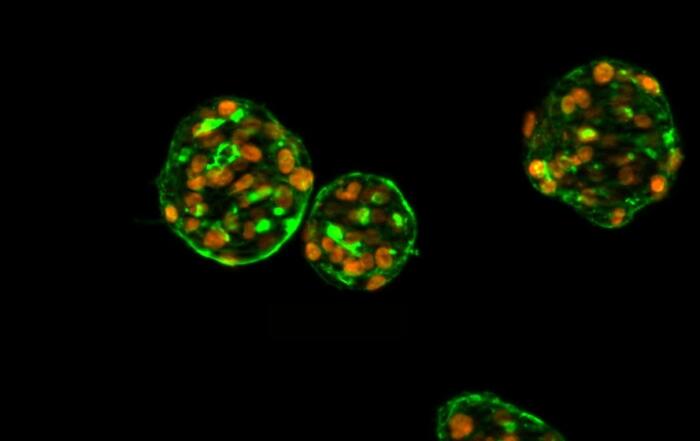
In this webinar, Chad Deisenroth introduces advances in a new approach method (NAM) for thyroid toxicity testing, with a focus on a human-relevant in vitro model (Human 3D Thyroid Microtissue) that enables direct assessment of thyroid hormone synthesis.
Attendees will gain insight into how this model addresses key limitations in traditional testing strategies by improving biological relevance, reproducibility, and scalability. The session also highlights how recent validation efforts have strengthened confidence in this approach, supporting its application in screening workflows for endocrine-disrupting chemicals.
Key Topics Include:
- Global Health Risk: Endocrine-disrupting chemicals are widespread and threaten human health by interfering with hormonal systems.
- Screening Bottleneck: Current hazard identification relies on resource-intensive animal testing, which is too slow and costly to address the vast chemical landscape.
- Innovative Solution: Human thyroid microtissues provide a faster, biologically relevant alternative for regulatory thyroid toxicity screening.
Presenters

Principal Laboratory Toxicologist
Center for Chemical Informatics and Screening
UL Research Institutes' Chemical Insights
Production Partner
LifeNet Health LifeSciences