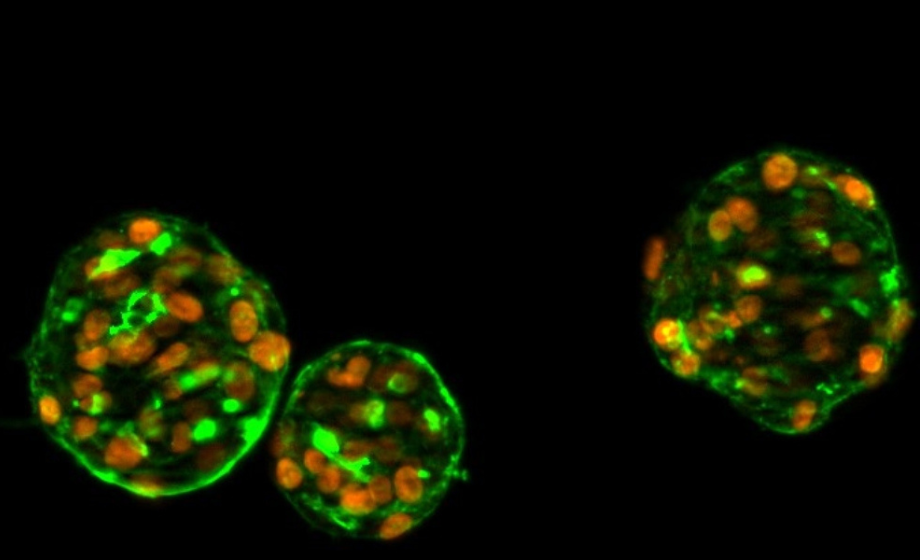
Improving Confidence in Thyroid Hormone Disruption Assessment Using a Novel Human-Relevant In Vitro Model
Learn how an emerging NAM is helping advance more efficient, human-relevant strategies for assessing thyroid hormone disruption while reducing reliance on animal testing.
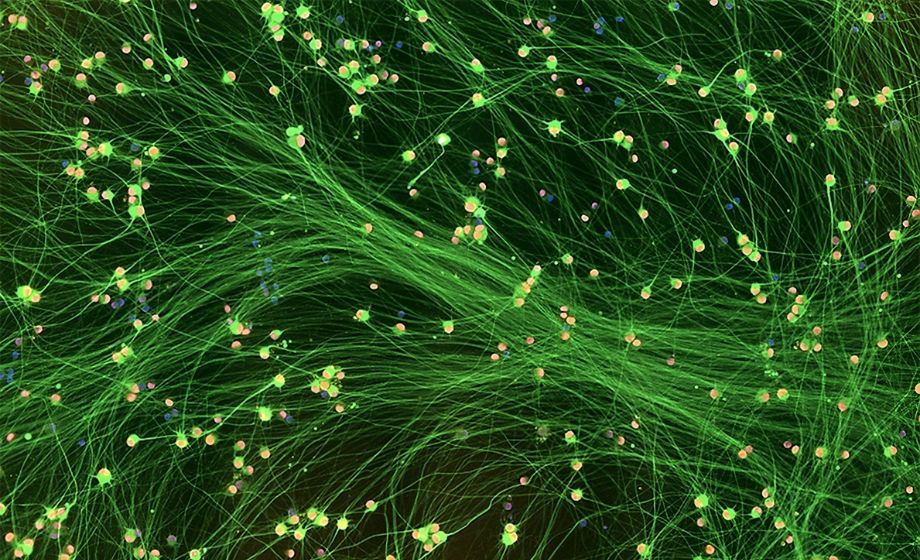
Human iPSC-Derived Sensory Neurons for Functional Sensory Biology and Pharmacology Research
Get an exclusive first look at BrainXell’s newly launched human iPSC-derived sensory neurons and learn how they enable reproducible, human-relevant models for sensory transduction, pharmacology, and ion channel research.
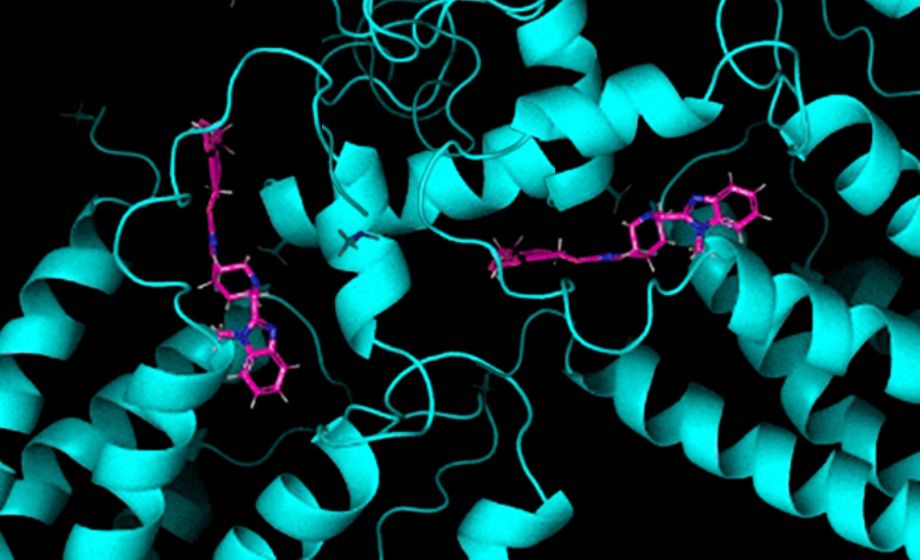
Protein-Protein Interaction (PPI) Landscape – Sequence-to-Affinity Heatmaps for High-Throughput Antibody Optimization
In this webinar, Dr. Jihye Jo introduces PPI (protein-protein interaction) Landscape, powered by PROTEINA’s single-molecule SPID platform.
Non CYP Mediated Metabolism Pathways and In Vitro Evaluation Strategies
Discover non-CYP metabolism pathways, key enzymes, and in vitro strategies for safer drug development in this webinar.
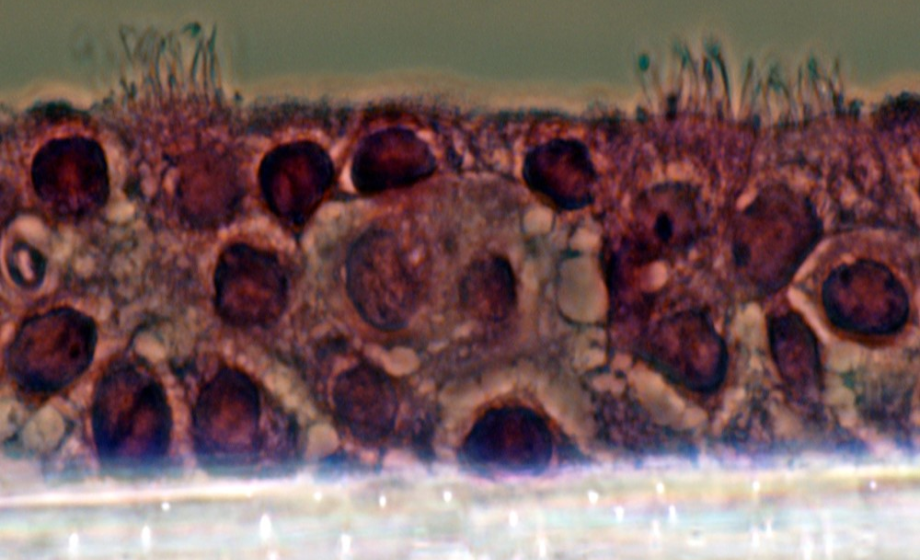
Building New Approach Methodologies (NAMs) and Complex In Vitro Assays
Learn how Lonza’s primary human cells, media, and reagents support advanced in vitro models for drug discovery, toxicity testing, and reducing animal use.
Optimizing Macrophage Polarization and Phagocytosis Assays
In this technical note, Lonza introduces a flexible, high-throughput workflow for generating and characterizing macrophage subtypes from cryopreserved PBMCs or CD14⁺ monocytes.
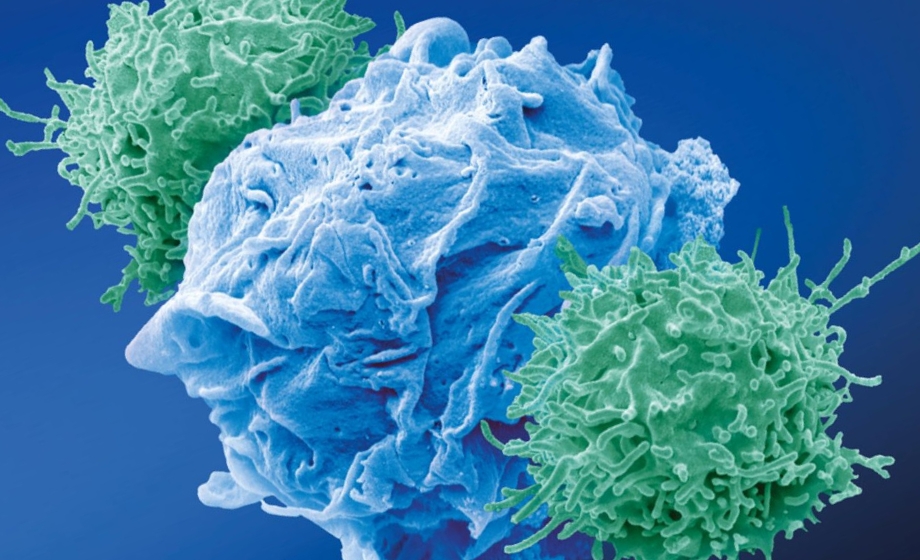
Advances in Preclinical Research using Human Co-culture Models: Applications in Immunology, Infectious Disease, and Oncology
Join Dr. Ethan Shelkey as he discusses human primary co-culture models with immune cells that are used in infectious disease studies and cancer therapeutic testing.
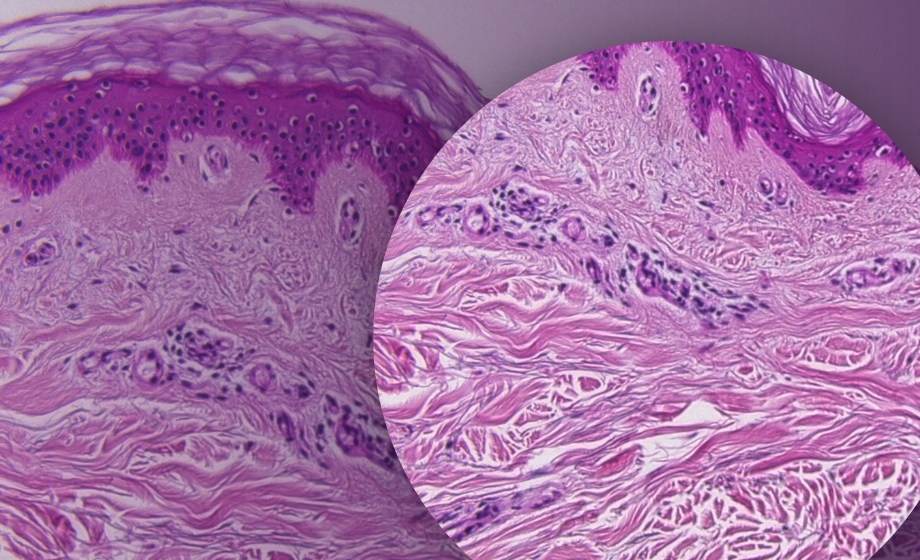
Integrating Regulatory Guidance and Sustainable Skin Procurement for Consistent Execution of In Vitro Permeation Testing
Join LifeNet Health LifeSciences for our first Assay Services webinar, focusing on Dermal Absorption. This session explores in vitro permeation testing, a crucial method for assessing a compound’s potential to penetrate the skin and reach systemic circulation.
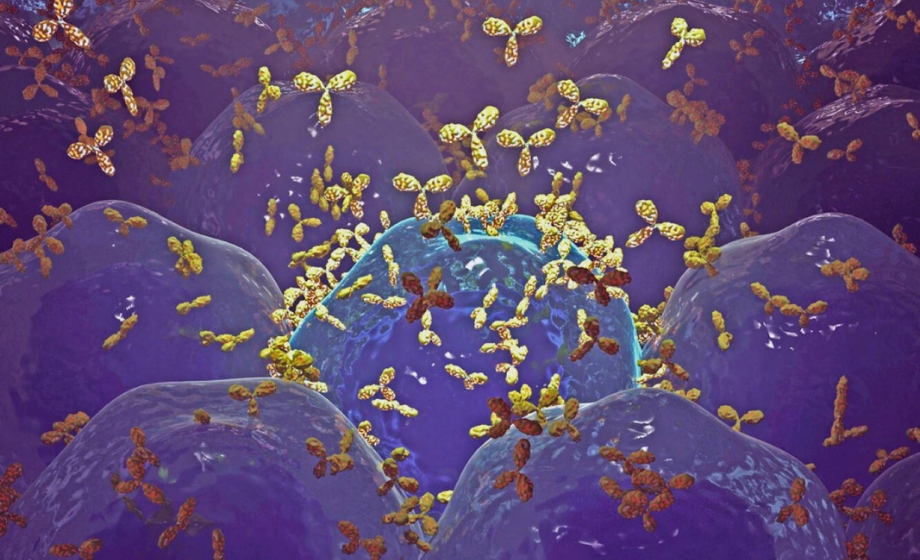
Cell-Based Assays for Immuno-oncology
Join Lonza scientist Ethan Shelkey as he explores how cell-based assays can assess immune activation and support immunotherapy development.
The Hidden Variable in Your Intestinal Organoids: Enhancing Differentiation for a More Predictive Model
On June 4, 2025, Dr. Martin Stahl led a webinar exploring how cellular composition affects organoid performance in drug response and toxicity assays. He also introduced IntestiCult™ Plus Organoid Growth Medium, a next-generation organoid medium that supports simultaneous expansion and differentiation of intestinal organoids. Below are answers to audience questions from the session, edited for brevity and clarity.
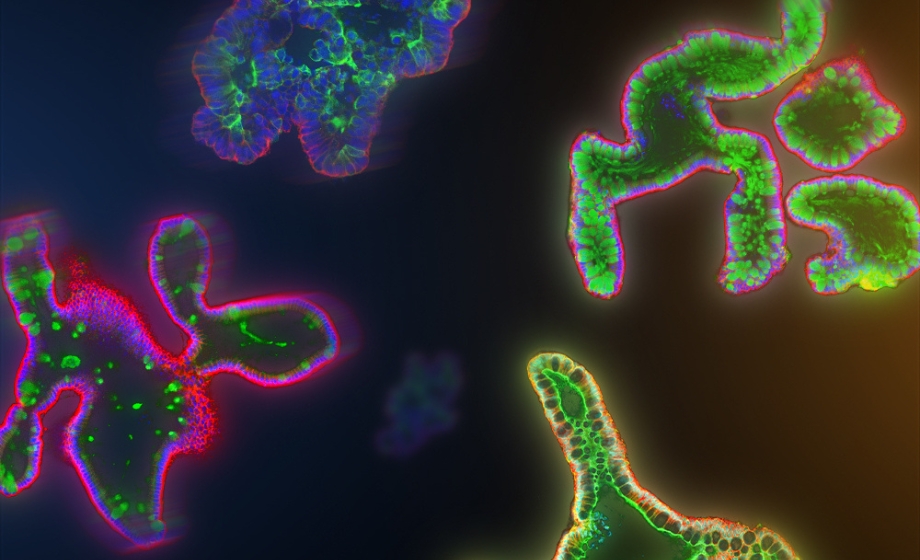
The Hidden Variable in Your Intestinal Organoids: Enhancing Differentiation for a More Predictive Model
Are you confident that your intestinal organoid models contain the right cell types to generate predictive, reproducible, and translatable results?
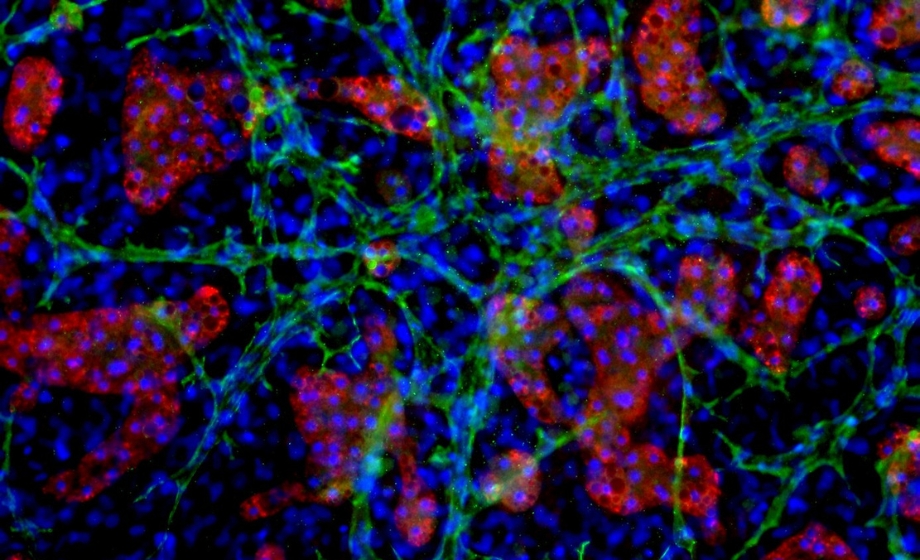
Improved Clearance Predictions for Aldehyde Oxidase Substrates Using TruVivo, a Novel Human Hepatocyte Model
In this exclusive session, Stephanie Piekos, PhD, Senior Scientist at Boehringer Ingelheim, shares insights into the challenges of evaluating AO substrates and how more predictive, human-relevant models are shaping the future of DMPK studies.

When Smoke Gets in Your Brain: Wildfires and the Lung-Brain Axis
Learn how combustion products from wildfires penetrate the brain, disrupt the blood-brain barrier, and cause persistent inflammation, with researchers also examining the reproductive toxicity and epigenetic risks associated with smoke exposure.

Towards Eliminating Small Molecule Toxicity: Axiom’s AI Models for Clinical Safety Assessment
Join Axiom’s webinar to explore how AI/ML enhances clinical toxicity assessments, delivering accurate, cost-effective DILI risk predictions at human exposure levels.
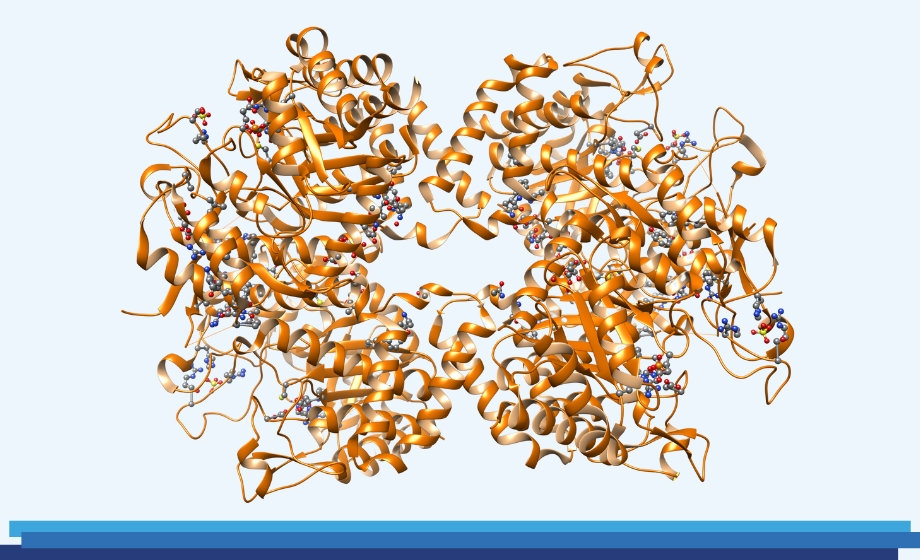
Empowering Drug Hunters with High-Throughput Protein Crystallography
Watch this webinar by Concept Life Sciences, hosted by Dr. Thomas Pesnot (Concept Life Sciences) and featuring Dr. Debanu Das from Accelero Biostructure, Inc as keynote speaker.
Supporting the Development of Biologics Through the IND‑Enabling Studies and Clinical Phases
In this webinar, Dr. Linda Randall shares how Pharmaron’s global teams are supporting the development of biological drugs from discovery to commercial supply.
The ADMET Toolkit: Impact on Compound Design and Optimisation
Watch this webinar by Concept Life Sciences, hosted by Dr. Thomas Pesnot (Concept Life Sciences) and featuring Dr. Rob Riley as keynote speaker, on the ADMET Toolkit for clinical pharmacokinetics.
From Bench to Clinic: Decoding the IND Roadmap for Innovative Cell and Gene Therapies
Join Dr. Grace Lee and Dr. Frederik Deroose as they discuss important considerations and challenges during the Investigational New Drug (IND) application process, with a focus on cell and gene therapy.
Applications of Human Intestinal Organoid Cultures in Drug Discovery
Discover insights from Dr. Victoria Conlin and Danny Leung on intestinal organoids and their drug screening applications.
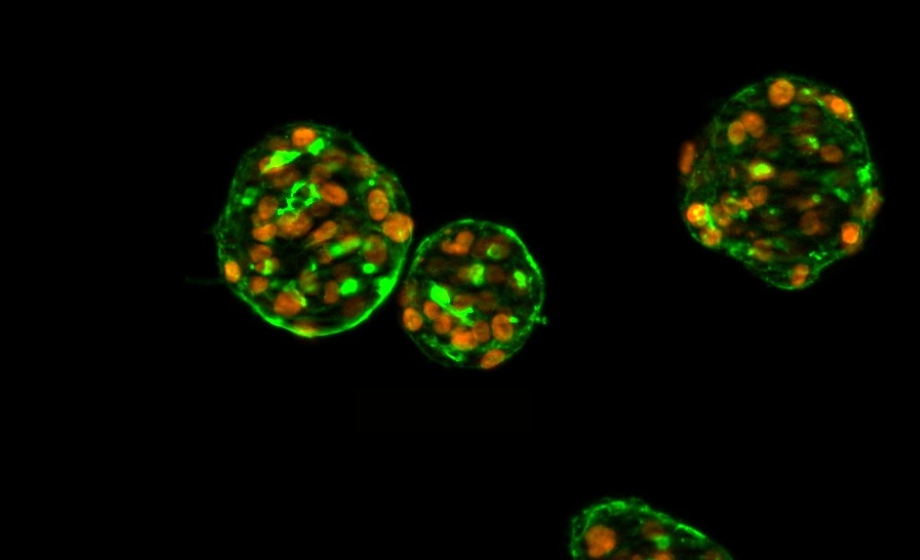
Innovative Approaches to Assessing Thyroid Disruption: The 3D Human Thyroid Microtissue Model
Dr. Chad Deisenroth, PhD, from the US EPA, introduces an advanced human in vitro 3D thyroid microtissue model designed to evaluate thyroid hormone disruption, addressing current challenges with existing models.
Applications of Human Intestinal Organoid Cultures in Drug Discovery
Join STEMCELL TEchnologies' experts as they discuss the use of human intestinal organoid cultures in drug discovery and toxicity testing.
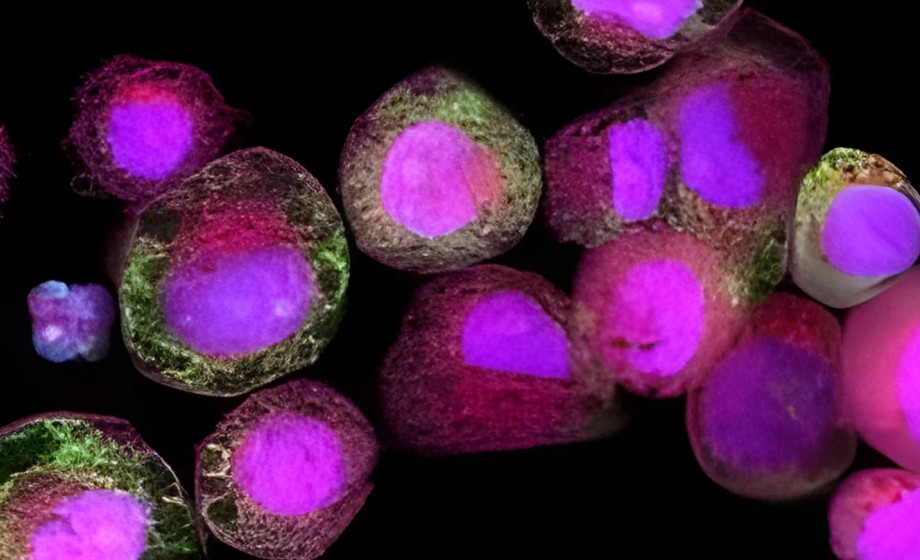
Next-Generation Safety Assessment Tools for Advancing In Vivo to In Vitro Translation
In this webinar, Dr. Louis Scott discusses the morph_ONE™ assay, a novel tool for in vitro safety assessment in drug development.
Evaluation of Novel Therapies Using Spontaneous Seizure Models
Cameron Metcalf and Katrina Irey answer questions from a recent webinar on technical requirements and benefits of spontaneous seizure models and epilepsy therapy development.

#ExpertAnswers: Jack Vanden Heuvel on Prediction Drug-Drug Interactions Early
Dr. Jack Vanden Heuvel from Penn State University and INDIGO Biosciences answers questions from a recent webinar where he discusses [...]