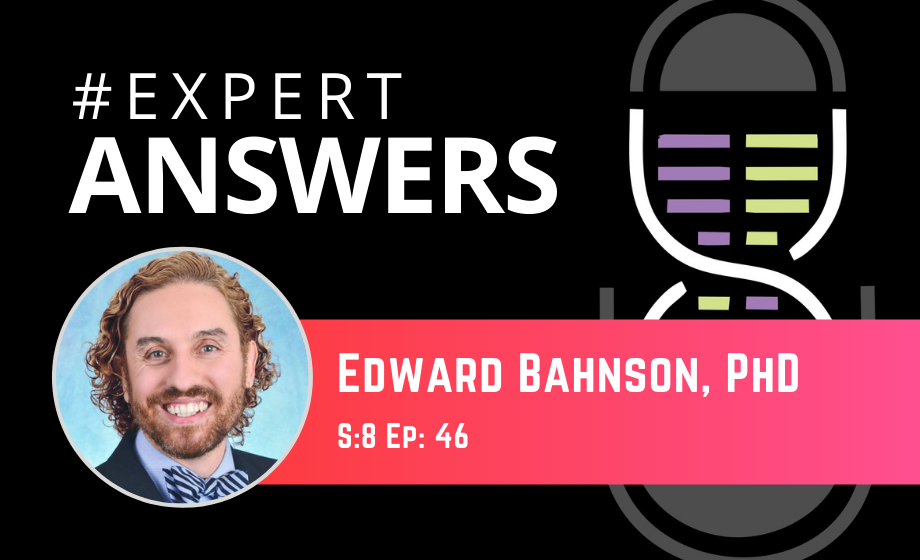
#ExpertAnswers: Edward Bahnson on Light-sheet Fluorescence Microscopy and Vascular Injury
Edward Bahnson, PhD presents the development and validation of a methodological approach using light-sheet fluorescence microscopy (LSFM) for the imaging of preclinical models of vascular injury with a focus of minimizing analysis bias while increasing precision and reproducibility.
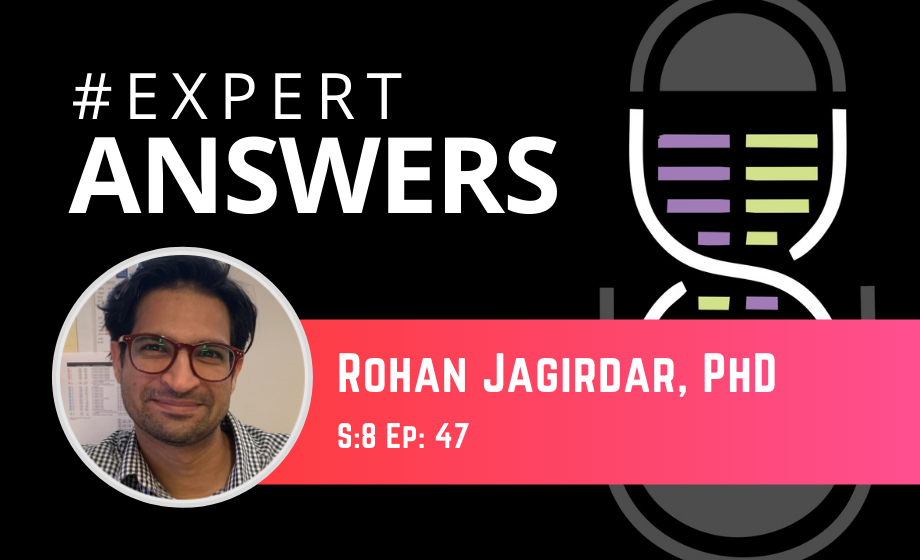
#ExpertAnswers: Rohan Jagirdar on Sleep and Alzheimer’s Disease
In this episode of #ExpertAnswers join Rohan Jagirdar, PhD, from Baylor College of Medicine, as he answers questions from a [...]
#ExpertAnswers: Fiona Harrison on Early Alzheimer’s Disease
Dr. Fiona Harrison, discusses how vitamin C deficiency and exposure to toxins can impact glutamate uptake and clearance, and how even small changes in neural signaling can be detected by monitoring EEG activity and correlated with performance in learning and memory tasks.

Streamlining Process Monitoring in Cell Culture Analysis & Spectrometry
Daniel Merriman, Femi Egbebi and Krzysztof Inglot discuss research solutions offered by Thermo Fisher Scientific regarding cell culture analysis, spectrometry and other topics within the biopharma field.
Spectronaut: Expand Biological Insights with DIA Proteomics
Oliver Bernhardt and Andreas-David Brunner answer questions about Spectronaut 15 with a specific focus on directDIA usage in proteomics.
#ExpertAnswers: Oliver Bernhardt and Andreas-David Brunner on Biological Insights with DIA Proteomics
In this episode of Expert Answers join Oliver Bernhardt and Andreas-David Brunner as they answer questions from a recent webinar about how data independent acquisition has become the method of choice for large scale proteomics.
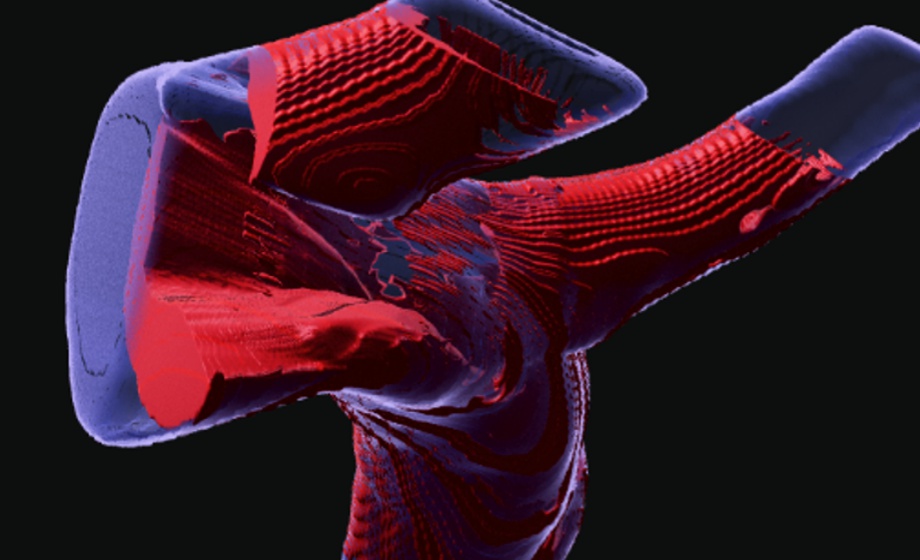
Old Dogs Benefit From New Tricks: 3D Analysis of Arterial Injury to Study Nrf2-Dependent Inhibition of Neointimal Hyperplasia in Rats
Edward Bahnson, PhD presents the development and validation of a methodological approach using light-sheet fluorescence microscopy (LSFM) for the imaging of preclinical models of vascular injury with a focus of minimizing analysis bias while increasing precision and reproducibility.
#ExpertAnswers: Patrick Schönleitner and Francisco Altamirano on Excitation Contraction Coupling
In this episode of Expert Answers join Dr. Patrick Schönleitner and Dr. Francisco Altamirano as they answer questions from a recent webinar where they share their work involving simultaneous measurements of intracellular calcium, membrane voltage, and contractility of cardiomyocytes.
Improving Sleep to Slow the Progression of Alzheimer’s Disease
Join Rohan Jagirdar, PhD as he discusses his research on EEG activity in a mouse model of Alzheimer's disease to determine the effects of improved sleep on disease progression.
EEG Monitoring Approaches to Predict Learning and Memory Changes in Early Alzheimer’s Disease
Dr. Fiona Harrison discusses how dietary deficiency and exposure to toxins can impact glutamate uptake and clearance, and the subsequent changes in neural signaling can be detected through altered EEG activity and performance on learning and memory tasks.
#ExpertAnswers: Jerry Turner on Inflammation and Immunophysiology
This episode of Expert Answers features Dr. Jerrold Turner discussing the barrier function of the intestine.
#ExpertAnswers: Michael Czech on CRISPR-Enhanced Adipocyte Browning
In this episode of Expert Answers, Dr. Michael Czech discusses a novel CRISPR-based cell therapy which enhances adipose tissue "browning" as a treatment for metabolic disease.
#ExpertAnswers: Gilles Martin on Cellular Mechanisms Behind Alcohol Abuse and Binge Drinking Behavior
This episode of Expert Answers features Dr. Gilles E Martin an Associate Professor of Neurobiology at the University of Massachusetts Medical School. He is here to speak about the cellular basis and reward pathways behind binge drinking behavior and alcohol abuse in rodent models.
Targeting Biological Aging: A New Paradigm for 21st Century Medicine
The Webinar Q&A Report for the webinar titled Targeting Biological Aging: A New Paradigm for 21st Century Medicine.

Spectronaut: Expand Biological Insights with DIA Proteomics
Data-independent acquisition (DIA) has become the method of choice for large-scale discovery proteomics. Its application for single-cell analysis promises to be more sensitive, robust, and reproducible than other proteomic approaches but is still a fairly unexplored territory.
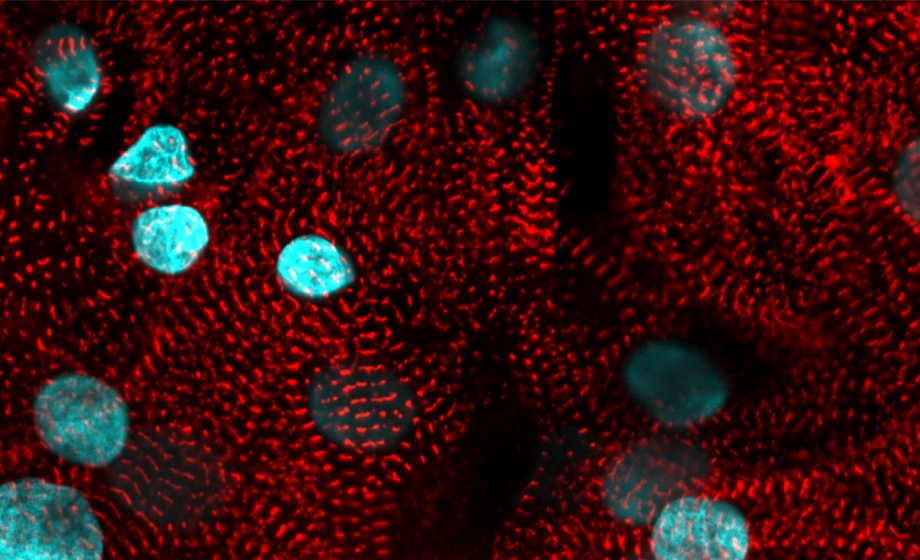
Unraveling Excitation-Contraction Coupling: Simultaneous Measures of Intracellular Calcium and Action Potentials
Join Patrick Schönleitner, PhD and Francisco Altamirano, PhD as they share their work involving simultaneous measurements of intracellular calcium, membrane voltage, and contractility of cardiomyocytes.
#ExpertAnswers: Matt Kaeberlein on Aging Science
Dr. Matt Kaeberlein, a Professor at the University of Washington School of Medicine, answers questions from a recent webinar that focused on translational geroscience, the drug rapamycin to target biological aging, and the Dog Aging Project.

Myeloid Cells and Cardiovascular Health
Dr. Matthias Nahrendorf discusses current concepts of cell supply by the hematopoietic system, highlights open questions, and describes imaging tools for studying monocytes, macrophages and their progenitors.
Conversations Between Mucosal Immunity and the Gut Barrier
Dr. Jerrold Turner discusses the barrier function of the intestine, how the permeability of tight junctions in the gut epithelium is modulated, and the impact of this modulation on homeostasis and health.
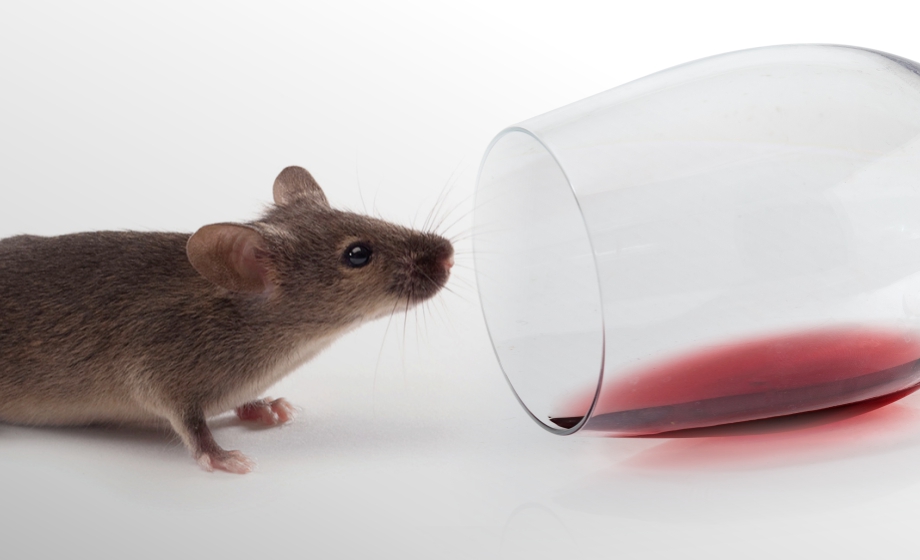
Cellular Mechanisms Behind Alcohol Abuse and Binge Drinking Behavior
Dr. Gilles Martin discusses the cellular basis and reward pathways behind binge drinking behavior and alcohol abuse in rodent models.
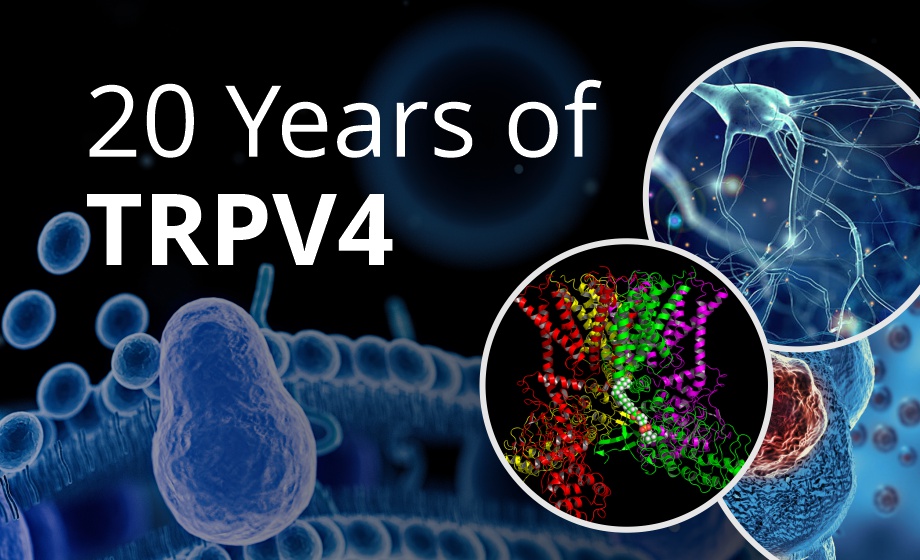
20 Years of TRPV4: Exploring Science, Discovery, and Future Directions
A virtual conference to celebrate the 20-year anniversary of TRPV4 and discuss its importance across various biological systems and associated disease models.