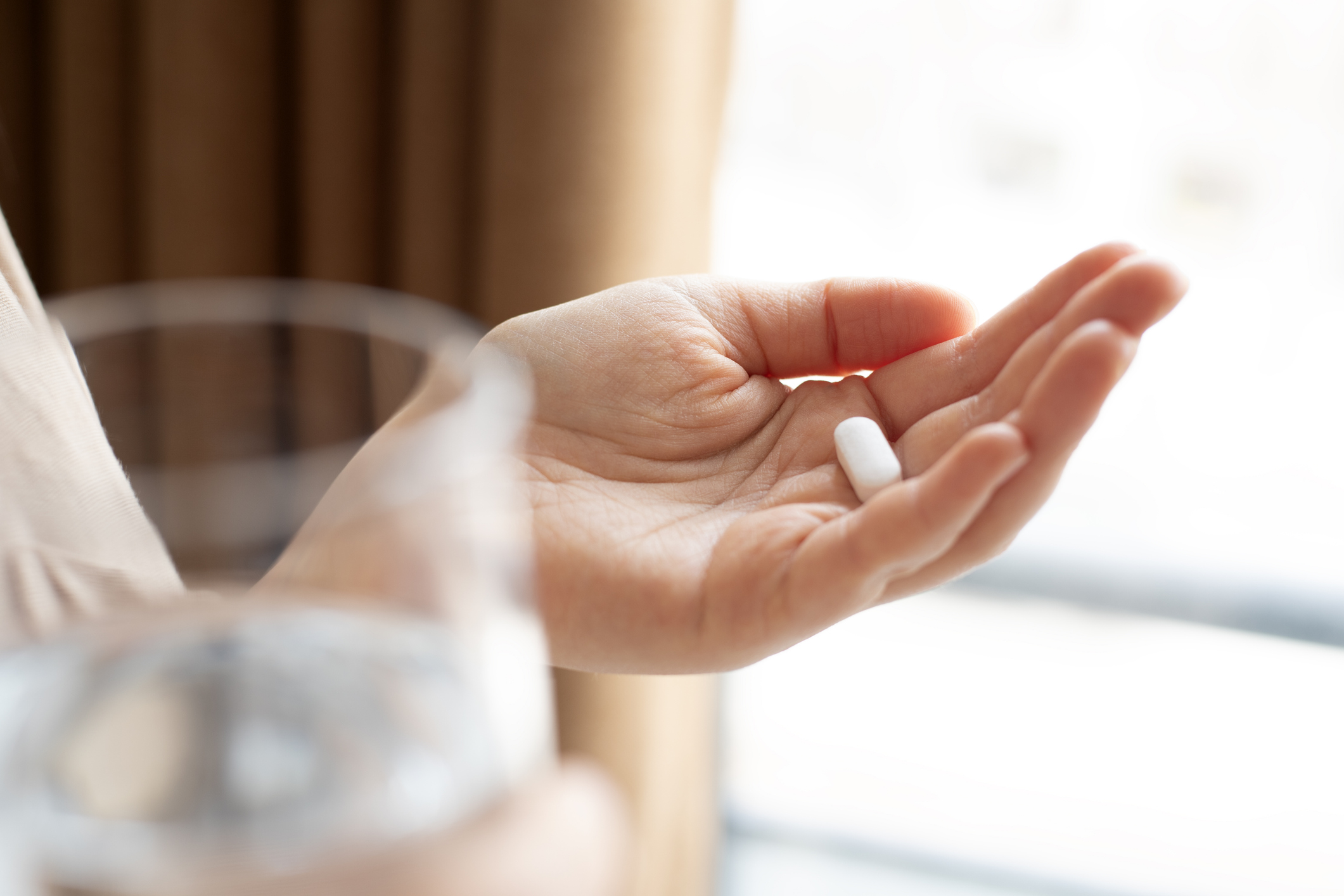
New Study into UTI-Induced Bladder Hypersensitivity Offers Hope for Improved Treatments
Discover new research on how urinary tract infections (UTIs) trigger bladder nerve hypersensitivity, causing painful symptoms and frequent urination, and how potential treatment advancements might be on the horizon.
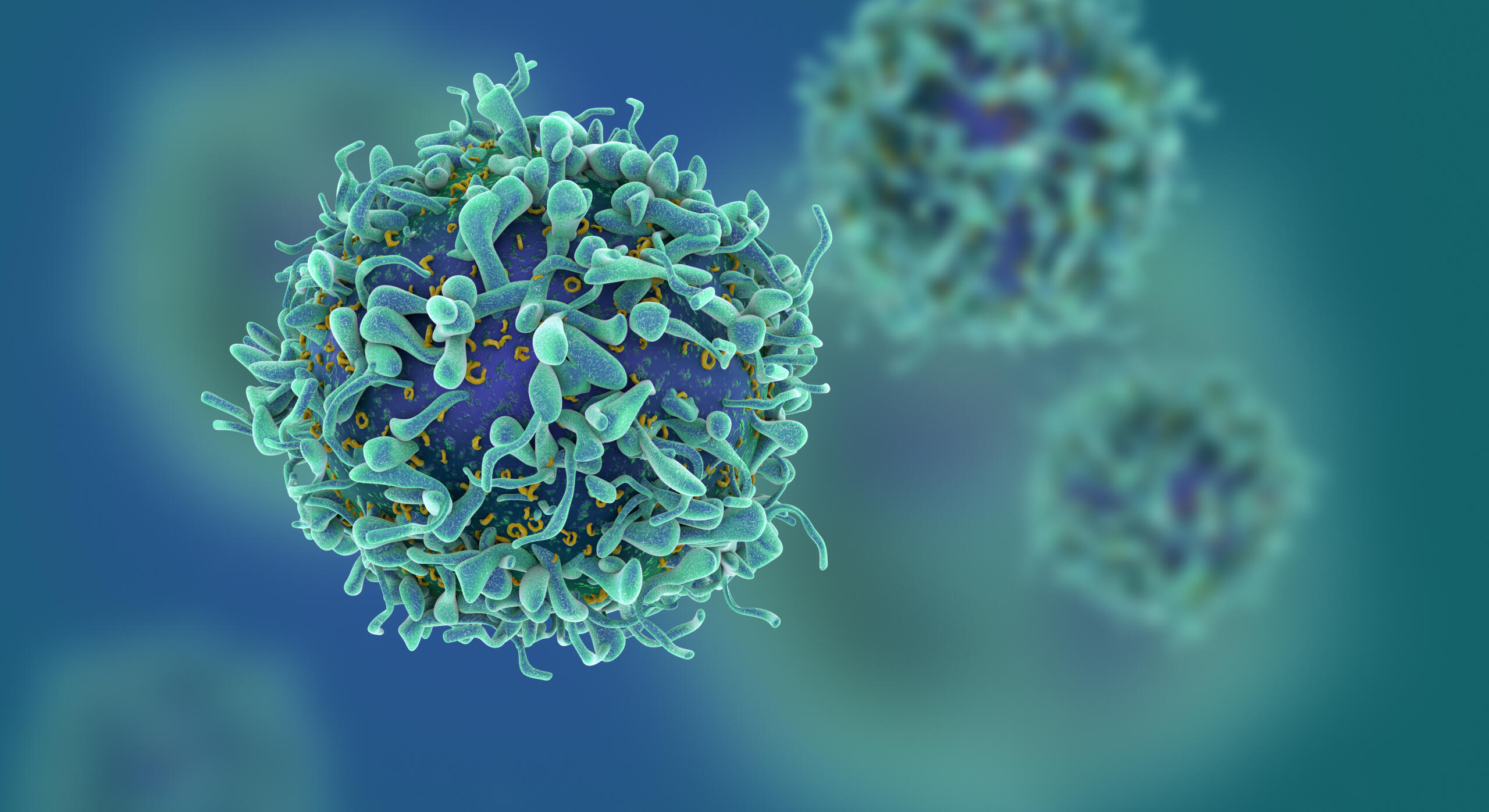
The Impact of Nutrition on T Cell Fate and Exhaustion
Researchers at the Salk Institute have discovered that a switch from acetate to citrate as a nutritional source significantly influences T cell identity, particularly transforming active effector T cells into exhausted ones in chronic infections like cancer and HIV.
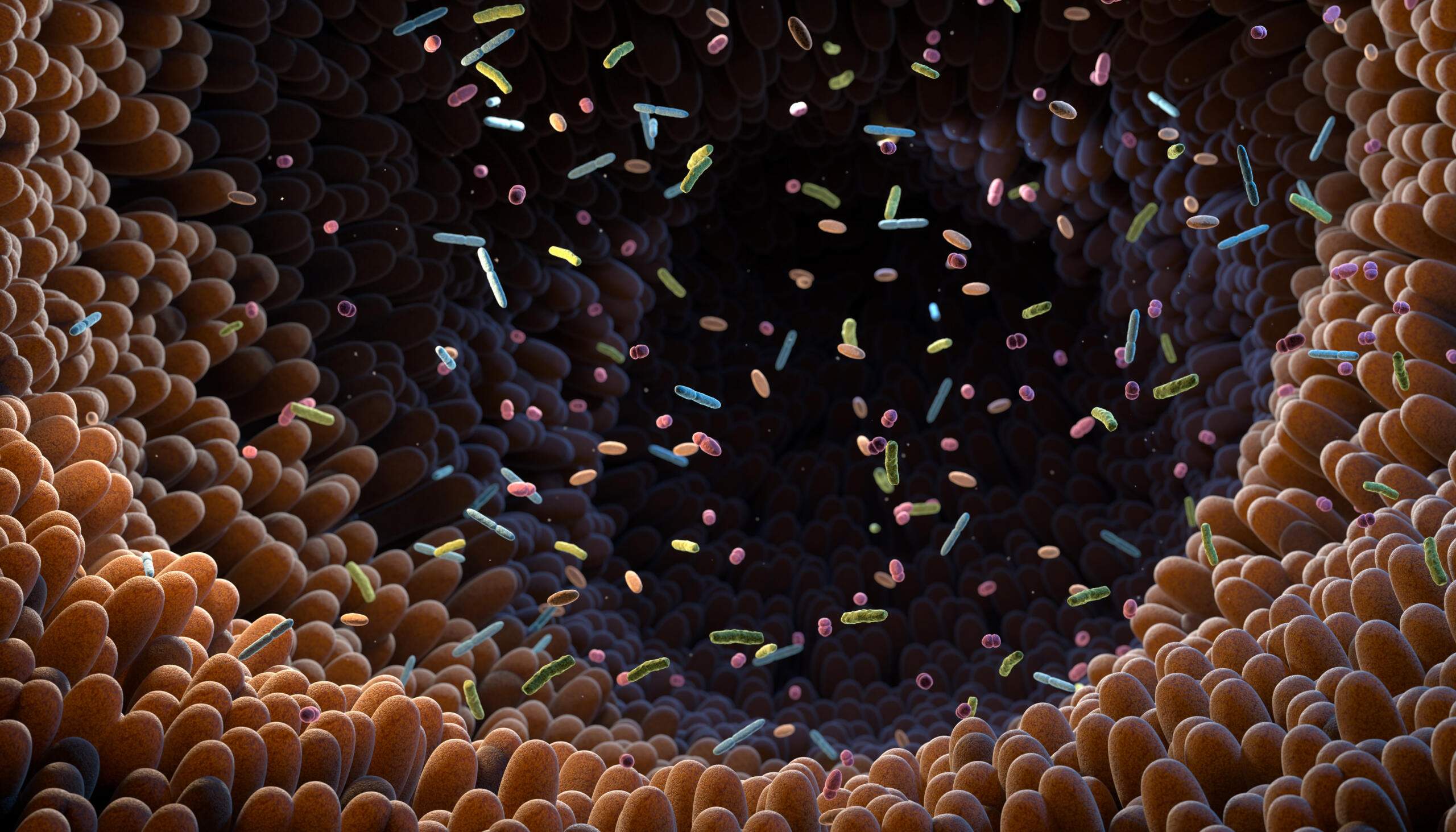
The Complexities and Risks of Microbiome Interventions for Children
Probiotics, touted for their health benefits, are raising FDA safety warnings and concerns about their use in infants, while regulatory challenges similarly impact fecal microbiota transplants (FMT). Consequently, medical professionals urge caution with probiotics and FMT in vulnerable groups, emphasizing potential risks over benefits.
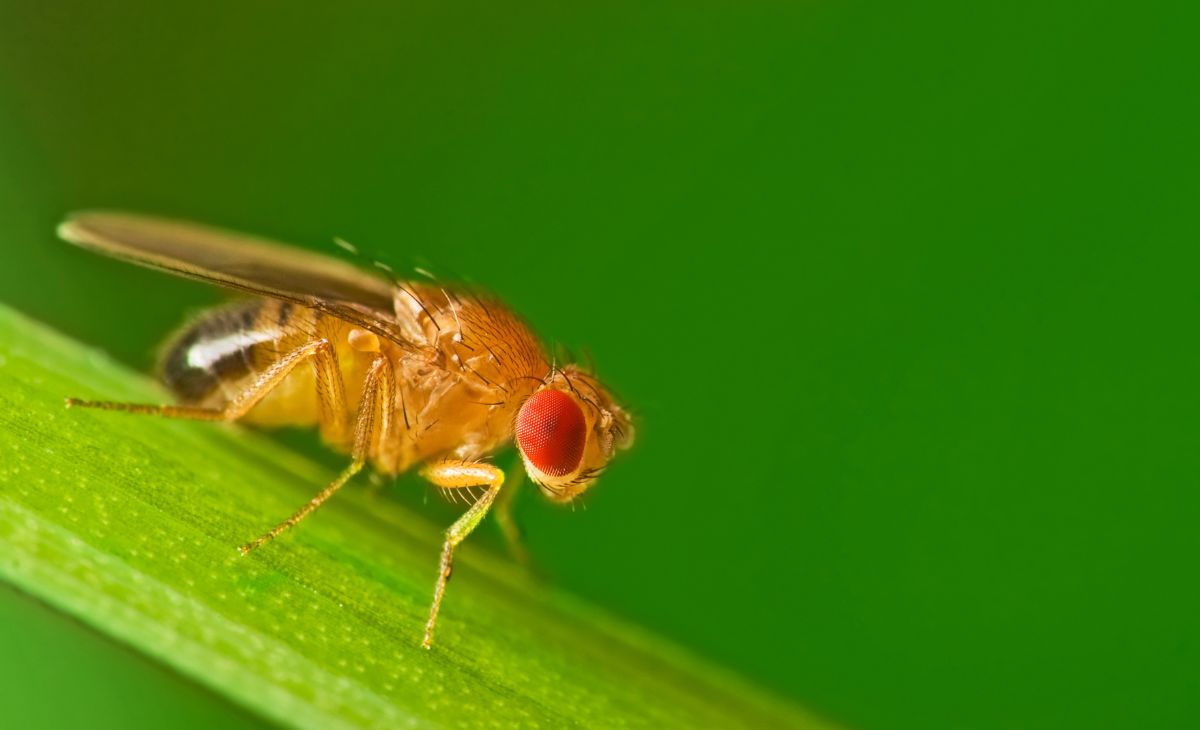
Fruit Fly Research Unveils Potential Anti-Aging Strategies
This article from GEN discusses the impact that filamentous actin (F-actin) buildup has on the healthy aging of fruit flies.
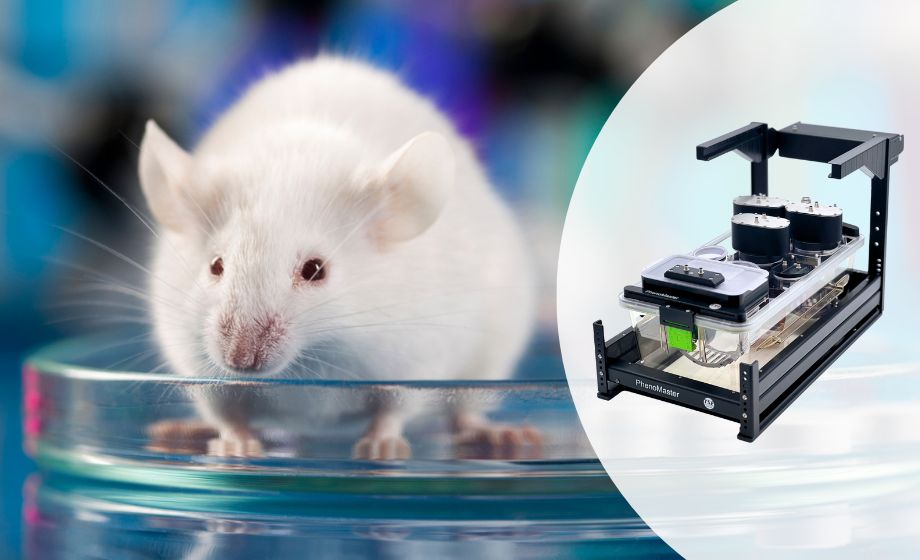
Indirect Calorimetry for Rodent Research: New Approaches to Enhance Translational Value
In this webinar, Professors John Speakman and Emma Slack each present research from their labs using the TSE PhenoMaster platform for indirect calorimetry.

Taurine: An Unexpected Anti-Aging Ally
A recent publication from Singh et al. demonstrate how taurine, an amino acid used widely throughout the body, can improve age-related health outcomes in mice, roundworms, non-human primates, and also highlight how this effect appears to be evolutionarily conserved in humans.
Talking Real Science with Michelle Wong
This episode of Share Science features Michelle Wong, a recipient of one of the $5000 Scientist.com STEM Research NIL Scholarships. In this interview, we discuss her current research, her experience growing up nearly blind, and how an experimental technology helped her regain her vision.
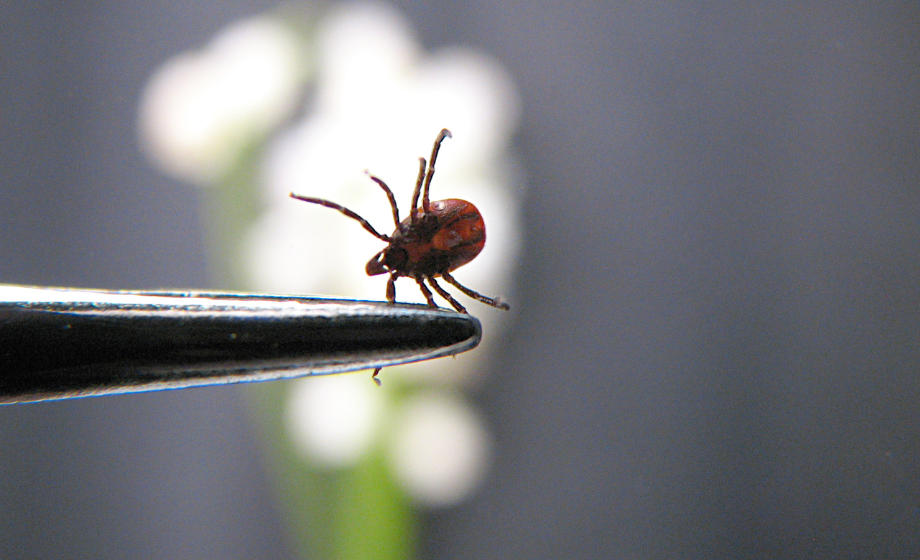
Tick Tock: The Growing Risk of Lyme Disease and Efforts to Develop a Vaccine
In this blog we discuss Lyme disease, including reasons for increased prevalence, causes and symptoms, and vaccine developments.
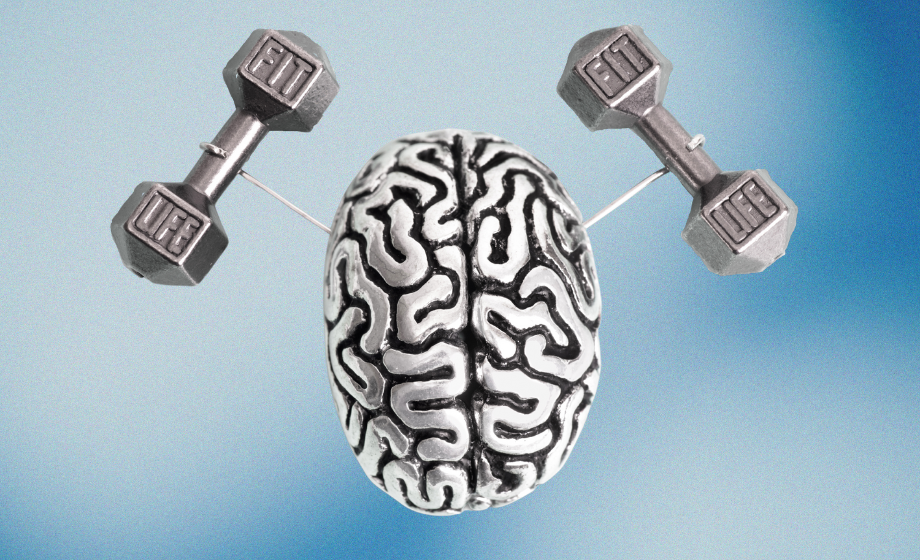
What Does Exercise Do for the Brain?
While the overall benefits of exercise have been well documented, what exactly does exercise do for the brain? In this blog, we review two very recent publications that arrived at somewhat conflicting answers to this question.
Conference Content: American Physiology Summit 2023
Learn about several innovators that are catering to the diverse needs of researchers across all areas of physiology in these interviews from the inaugural American Physiology Summit.

Video Interview – IonOptix MultiCell Sytem
Joe Soughayer, Business Development Manager at IonOptix, discusses the MultiCell System, an advanced, fully-automated solution for identification and quantification of hundreds of myocytes per hour.
Talking Real Science with Oliver Wearing
This episode of Share Science features Oliver Wearing, PhD, as he shares his personal passions and academic journey from reptilian physiology to evaluating cardiovascular function after spinal cord injury.

Chronological Age vs Biological Age: Can Aging be Reversed?
What can biological age tell us about our health? Is it a fixed number, or can it be reduced? A recent study from Poganik et al. investigates the fluctuations in biological age in response to physiological stress.
#ExpertAnswers: Kaitlynn Arnholt and Elaine Nam on Lab-Based Learning
Kaitlynn Arnholt and Elaine Nam discuss how the collaboration between ADInstruments and Vernier Science Education enhances lab-based learning.
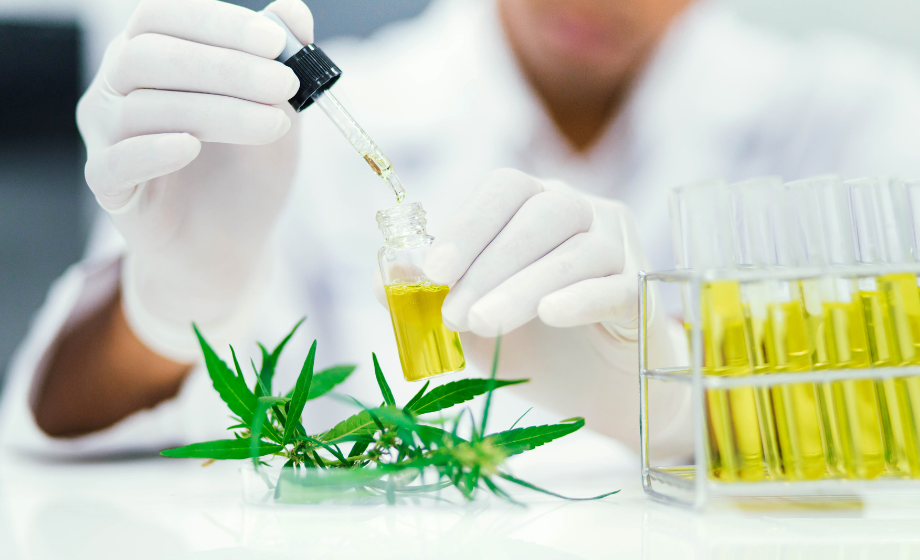
CBD’s Potential as an Anti-Cancer Agent
Chemotherapy treatment is incredibly difficult on patient wellbeing, but an unlikely plant-derived substance may yet improve the adverse side effects. In this blog, we discuss the use of CBD as a treatment for side effects like organ damage and drug resistance in cancer patients receiving chemotherapy.
Talking Real Science with Tanishq Vaidya
This episode of Share Science features Tanishq Vaidya, a recipient of one of the $5000 Scientist.com STEM Research NIL Scholarships. In this interview, we discuss some of his pre-med challenges, and where he hopes to take his career as a physician-researcher.
#ExpertAnswers: Gethin Evans on Life Science Education Delivery
Gethin Evans delves into his experience teaching in the life sciences pre-, during, and post-pandemic and how his department invested in technology to assist with teaching content and delivery during the pandemic.
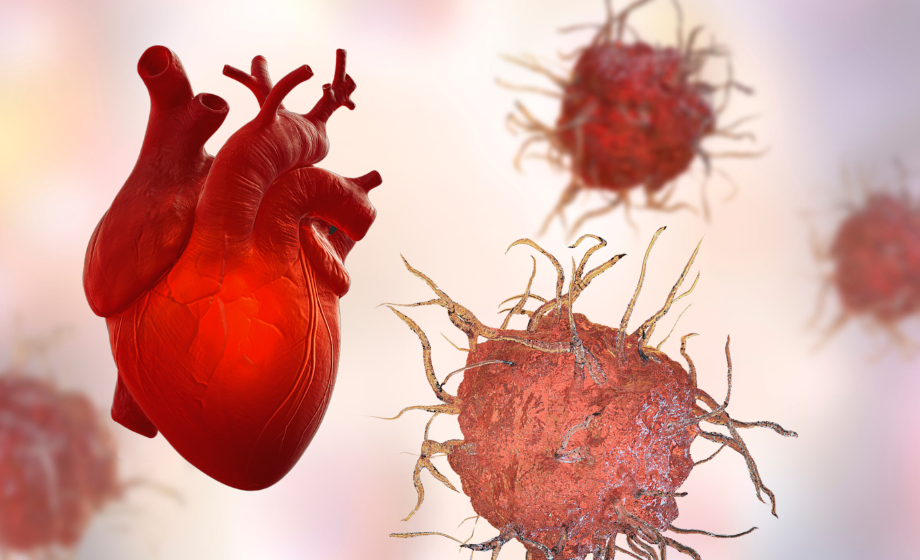
Can the Immune System Protect after Repeated Myocardial Injury?
While the immune response to a single cardiac event has been well researched, few have reported on whether an adaptive immunity is observed after repeated cardiac injury. Here, we discuss a recent publication from Tiwary et al., in which they investigate the cytoprotective response after multiple cardiomyopathic injuries.
Talking Real Science with Ellie Siebeneck
This episode of Share Science features Ellie Siebeneck, a recipient of one of the $5000 Scientist.com STEM Research NIL Scholarships. In this interview, we discuss some of her current research projects, and her love of mentoring up-and-coming researchers.
Talking Real Science with Micaela Merrill
This episode of Share Science features Micaela Merrill, a recipient of one of the $5000 Scientist.com STEM Research NIL Scholarships. In this interview, we discuss some of her biggest inspirations, and where she hopes to take her research after graduation.
#ExpertAnswers: Jane Kusch and Marc Demolder on Technology-Enhanced Education
Jana Kusch, PhD and Marc Demolder, MSc, answer questions from a recent webinar where they discuss their experience with technology-enhanced education.
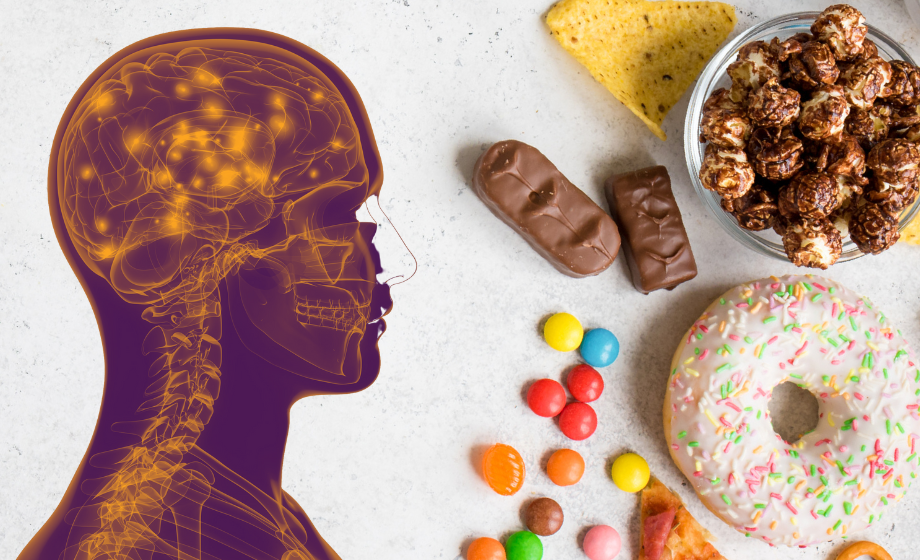
From Trauma to Binge Eating: How Early Life Experiences Impact the Leptin System
Early life trauma (ELT) has been identified as a risk factor for binge eating and obesity in adult life, but the neural mechanisms behind this phenomena have yet to be determined. In this blog post we discuss a recent publication from Shin et al., which delineates the circuitry of this ELT-induced maladaptive eating.
#ExpertAnswers: Patricia Halpin on the Uses of Technology for Teaching Physiology Online
Patricia Halpin answers questions from a recent webinar where she discusses how she harnesses technology to engage her physiology students in an online clinical pathophysiology course.
Talking Real Science with Jared Oenick
This episode of Share Science features Jared Oenick, a recipient of one of the $5000 Scientist.com STEM Research NIL Scholarships. In this interview, we discuss what's inspired his academic journey thus far, and where he hopes to take his career after graduation.
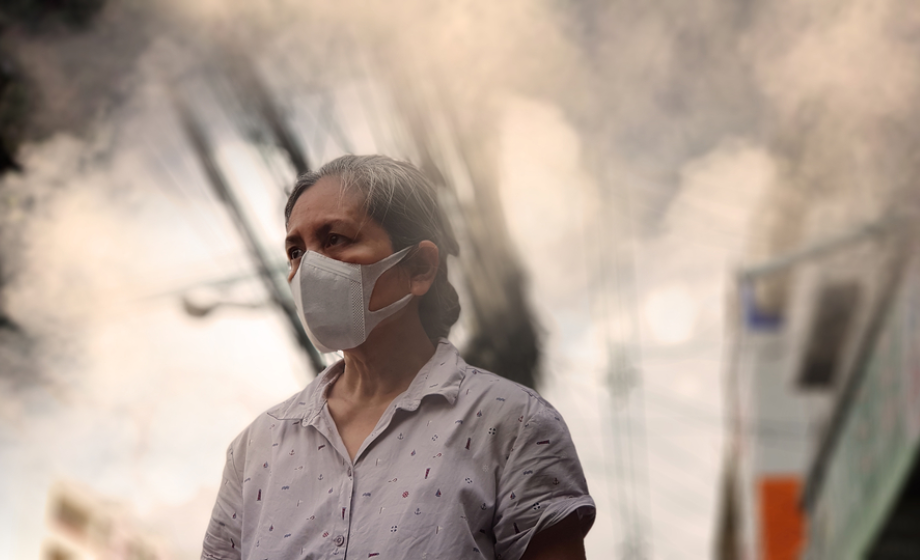
A Breath of Not-So-Fresh Air: the Combined Effects of Air and Noise Pollution
While air and noise pollution have been well documented independently, their combined effects are insufficiently discussed, until recently. In this blog post, we discuss a recent publication from Kuntic et al. on the combined and individual effects of these pollutants in mice.