#ExpertAnswers: Andrew Gaffney and Erin Knock on Neural Progenitor Cell Differentiation
Experts from STEMCELL Technologies answer questions from a webinar presenting an iPSC line and its differentiation into neural cells.
#ExpertAnswers: Renee Brissette, PhD on Custom Antibody Generation
Dr. Renee Brissette from Bio-Rad answers questions from a recent webinar highlighting Bio-Rad's bioanalytical services.
Understanding Advanced Cardiac Tissue Slice Applications
Bradley Palmer, Matthew Caporizzo, and Benjamin Lee answer questions from a recent webinar on how cardiac slices and the IonOptix Cardiac Slice System can be used to complement and improve upon traditional cardiac investigations.
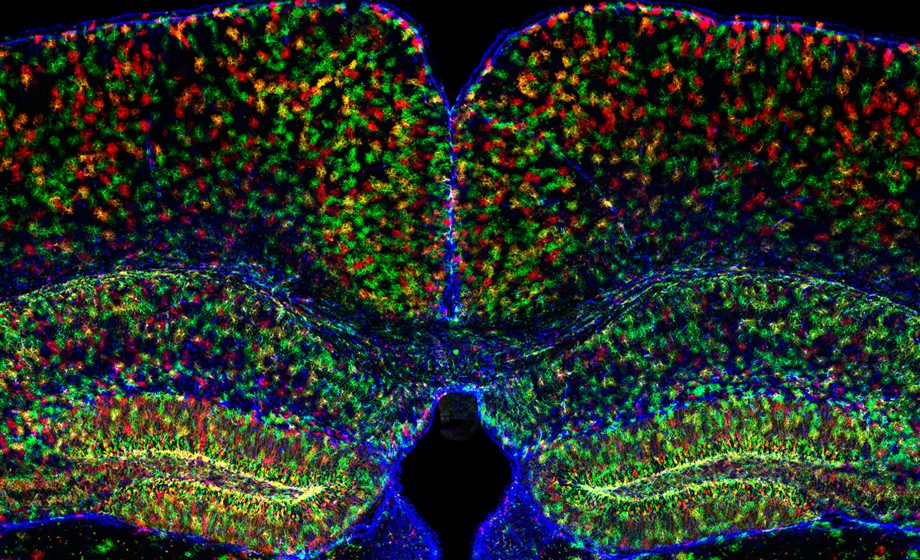
Calcium Signaling in Neurons and Glia in the Mouse Brain During Exploratory Behavior
In this webinar, Alexey Semyanov, PhD, and Amit Agarwal, PhD, present their work on activity and calcium signaling in neurons, astrocytes, and oligodendrocyte precursor cells (OPCs) during exploratory locomotion behavior in awake and head-fixed mice.
Overcome the Multiple Challenges of Neutralizing Antibodies in Cancer Therapy Using Innovative Phage Display Technologies
Conor McCartin, PhD, answers questions about the benefits, applications, and process of using innovative phage display technology for cancer therapy and monoclonal antibody development.
Molecule Transport across Cell Membranes: Electrochemical Quantification at the Microscale
In this Q&A, Sabine Kuss, PhD describes applications and considerations of scanning electrochemical microscopy (SECM) in studying molecule transport across cell membranes.
Organoid Meets Microelectrode Array (MEA) – Accelerating Drug Discovery and Development
In this webinar, Dr. Sven Schönecker and Sara Mirsadeghi, MSc, will discuss 3D Mesh Microelectrode Arrays (MEA) including new developments and applications.
How to Better Predict Potential Drug Interactions Early in the Discovery Process
Join our webinar to discover effective strategies for early prediction of drug-drug interactions using in-vitro assays and gene expression studies.
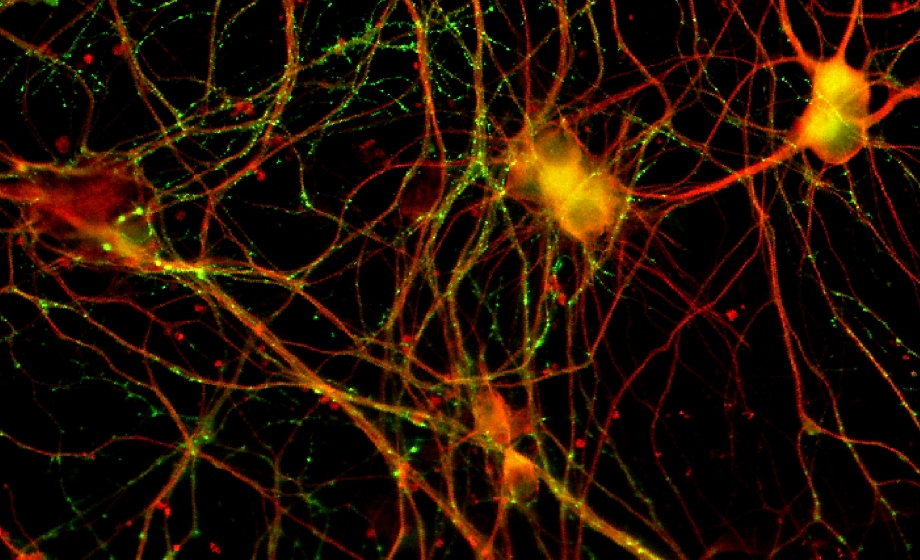
Advancing Disease Modeling for Drug Discovery by Modulating iPSCs with CRISPR and Neuronal Differentiation
Explore applications of CRISPR and iPSCs in disease modeling and drug discovery in our upcoming webinar with Synthego and BrainXell.
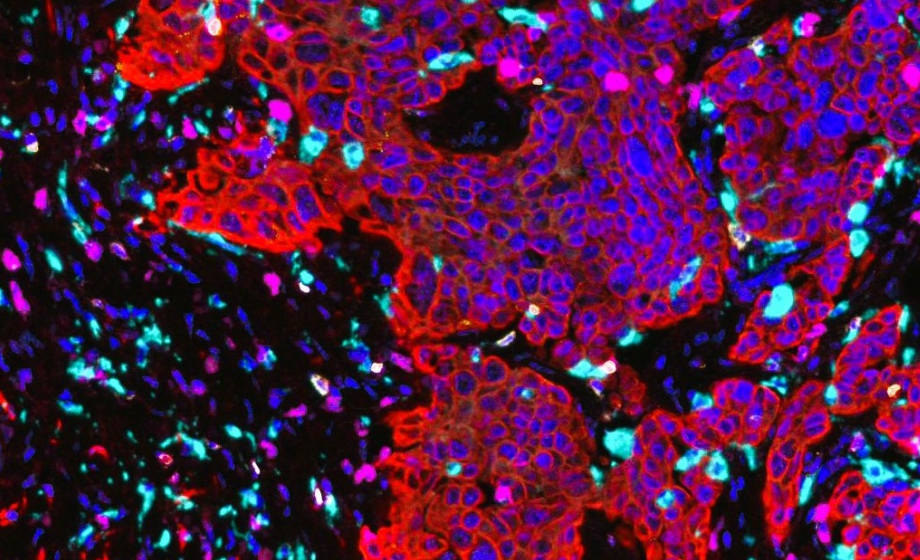
A Ready-to-Analyze High-Plex Spatial Signature Development Workflow for Cancer Immunotherapy
In this webinar, Aditya Pratapa and Lorcan Sherry present a new workflow for analyzing multiplex immunoflurescence images.
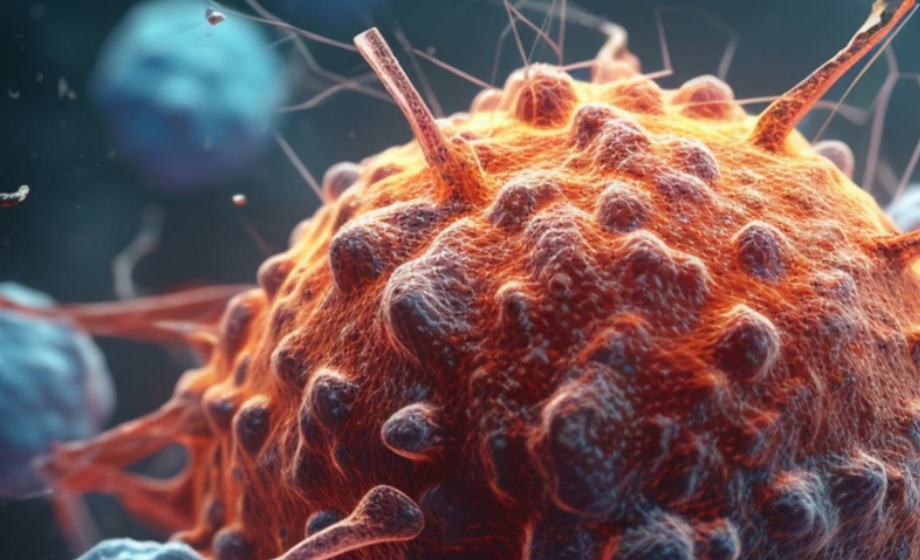
Assessing Antigen-Specific T-Cell Functionality with Dendritic Cell/CD8⁺ T Cell Co-culture
In this webinar, learn how to set up DC and CD8⁺ T cell co-culture experiments and assess T cell proliferation and killing activity.
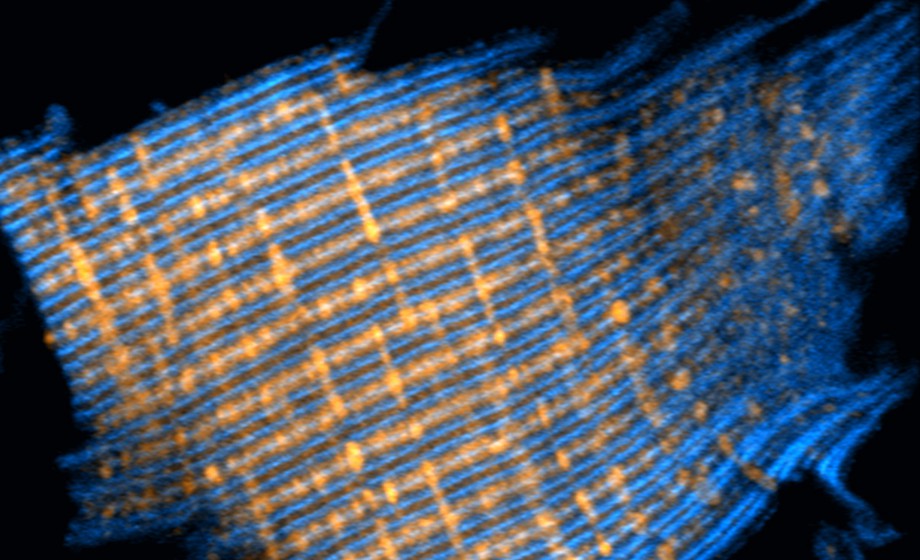
Understanding Advanced Cardiac Tissue Slice Applications
Watch to understand how cardiac slices and the IonOptix Cardiac Slice System can be used to complement and improve upon traditional cardiac investigations.
Exploring Predictive Biomarkers and ERK1/2 Phosphorylation: A New Horizon in Forecasting Survival and Response to Immune Checkpoint Blockade in Glioblastoma Treatment
Víctor Andrés Arrieta, MD, PhD presents glioblastoma research, covering multiplex immunofluorescence, predictive biomarkers, and ERK1/2 phosphorylation.
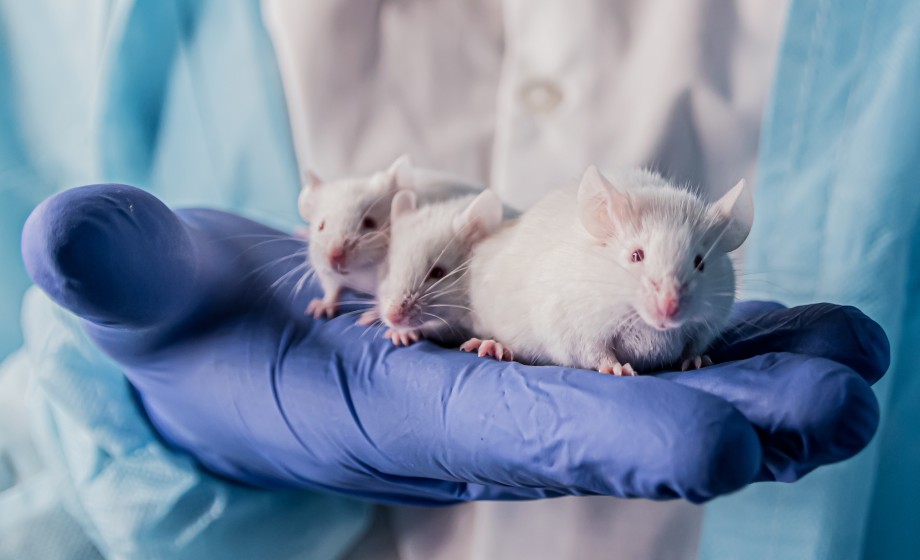
Control of Muscle Glucose Uptake in vivo: Thinking Outside the Myocyte
In this webinar, David Wasserman, PhD provides a more complete understanding of muscle glucose uptake through consideration of the integration of physiological systems that control this process.
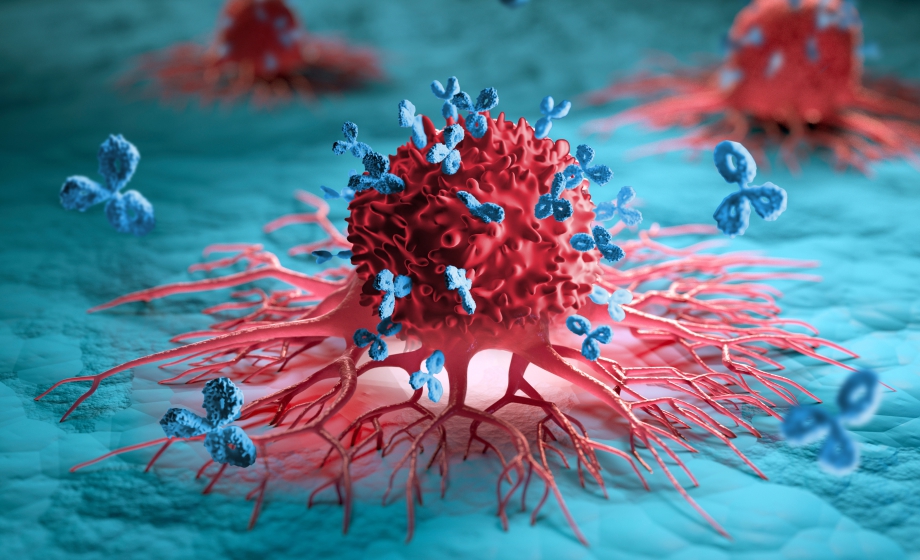
Overcome the Multiple Challenges of Neutralizing Antibodies in Cancer Therapy Using Innovative Phage Display Technologies
In this webinar, Dr. Conor McCartin discusses how phage display can be used for human antibody development.
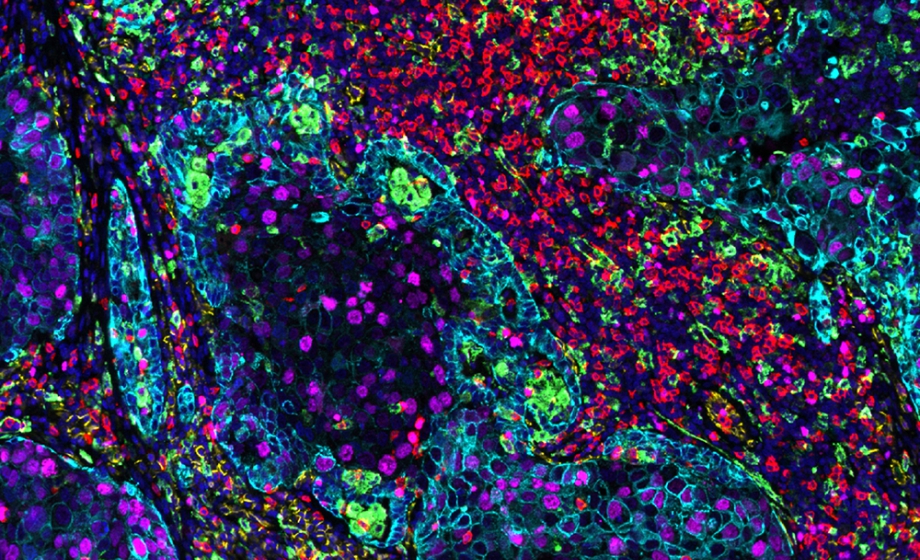
Unlocking Spatial Insights: Accelerate Discoveries 70% Faster with SignalStar™ Multiplex IHC
Join us to learn how to accelerate spatial biology discoveries by 70% with optimized, ready-to-go panels using SignalStar™ Multiplex IHC.
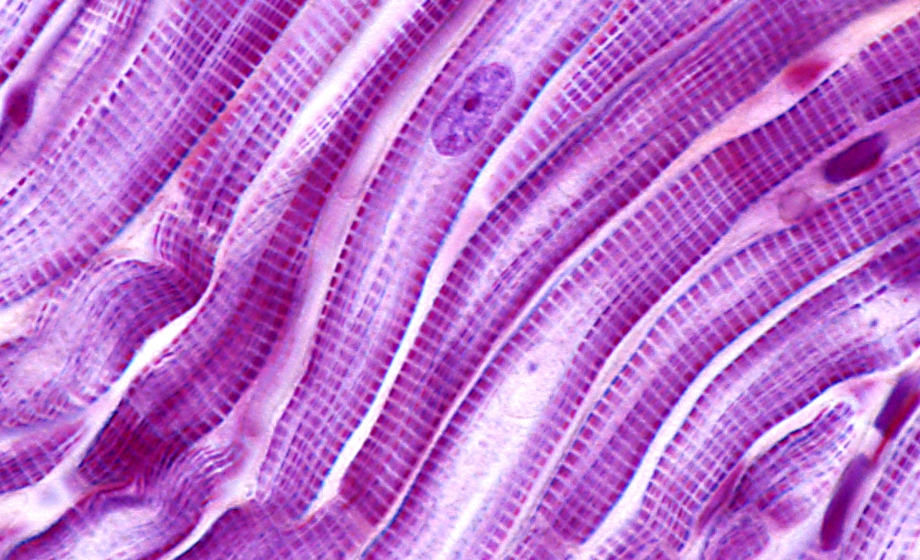
Cut and Paste of Myosin Binding Protein-C in Striated Muscles
Dr. Samantha Harris discusses the development of three new mouse models in her lab, engineered to target and replace specific myosin binding protein-C paralogs in muscle fibers and impact of their mutations on skeletal and cardiac muscle diseases.
Fully Characterized, Standardized Human Induced Pluripotent Stem Cell Line and Ready-to-Use, High-Quality Neural Progenitor Cells for Downstream Differentiation Applications
On June 29, 2023, STEMCELL Technologies' Dr. Andrew Gaffney and Dr. Erin Knock presented on how to streamline PSC-related workflows using highly characterized induced pluripotent stem cells (iPSCs) and neural progenitor cells (NPCs), and how to differentiate these cells into a variety of cell types downstream. In this Q&A report, you can read their answers to questions asked by the audience. Answers have been edited for length and/or clarity.
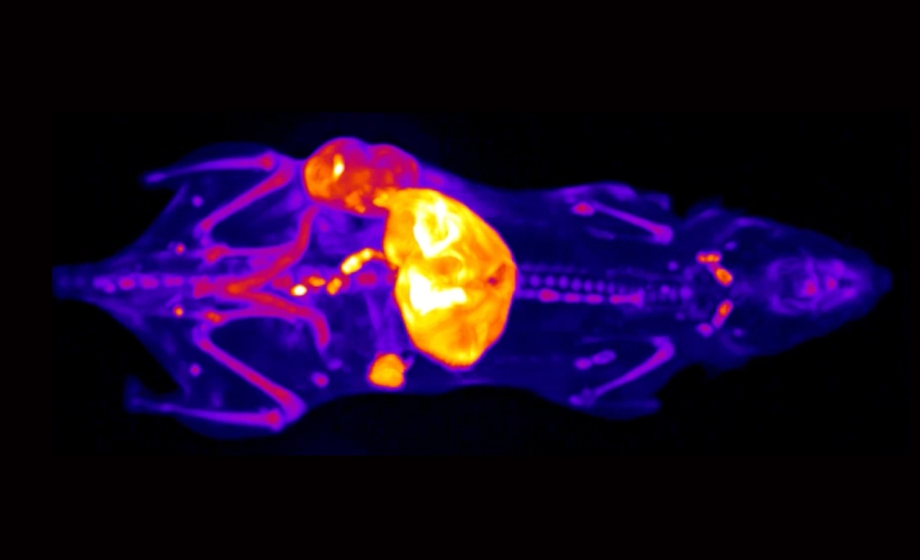
Revolutionizing Immunotherapy Research with 3D, Multiplexed Cryo-fluorescence Tomography
Dr. Matt Silva showcases the power of cryo-fluorescence tomography (CFT) in advancing immunotherapy research.
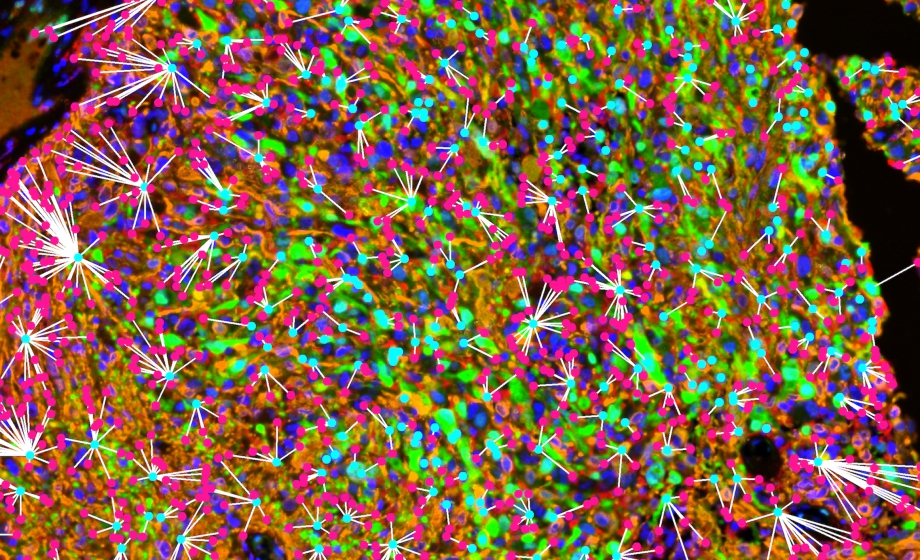
Exploring Predictive Biomarkers and ERK1/2 Phosphorylation: A New Horizon in Forecasting Survival and Response to Immune Checkpoint Blockade in Glioblastoma Treatment
In this webinar, Victor Arrieta highlights the link between p-ERK activation and improved survival in rGBM patients using anti-PD-1 immunotherapy.
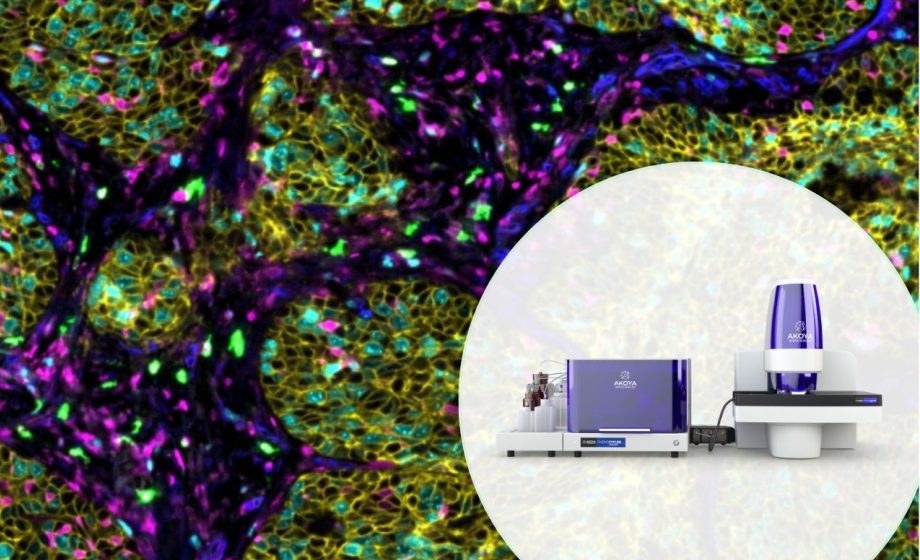
Spatial Phenotyping: A Revolutionary Approach to Biomarker Discovery for Cancer Immunotherapy
Dr. Arutha Kulasinghe discusses the potential of single-cell spatial phenotyping in biomarker analysis and how it can be used to characterize tumor microenvironments.
Systemic and Intraspinal Pathology and Repair After Spinal Cord Injury in Rodents
Join Dana McTigue for a deep dive into her work studying spinal cord injury in rodents and its resulting pathological features in lower organs.
Cellular Brain Repair for Parkinson’s Disease: Is the Answer in the (Biomaterial) Matrix?
Hear Eilís Dowd, PhD highlight her lab's recent data demonstrating that dopaminergic cell replacement in the Parkinsonian rodent brain, using both fetal and induced stem cell-derived cells, is enhanced when the cells are transplanted in a neurotrophin-enriched collagen hydrogel.
Longitudinal Plasma Samples: Paving the Way for Precision Oncology
In this Q&A Report, experts discuss isolation methods, sample selection, testing techniques, and future applications of cell-free plasma samples for cancer diagnostics and treatment