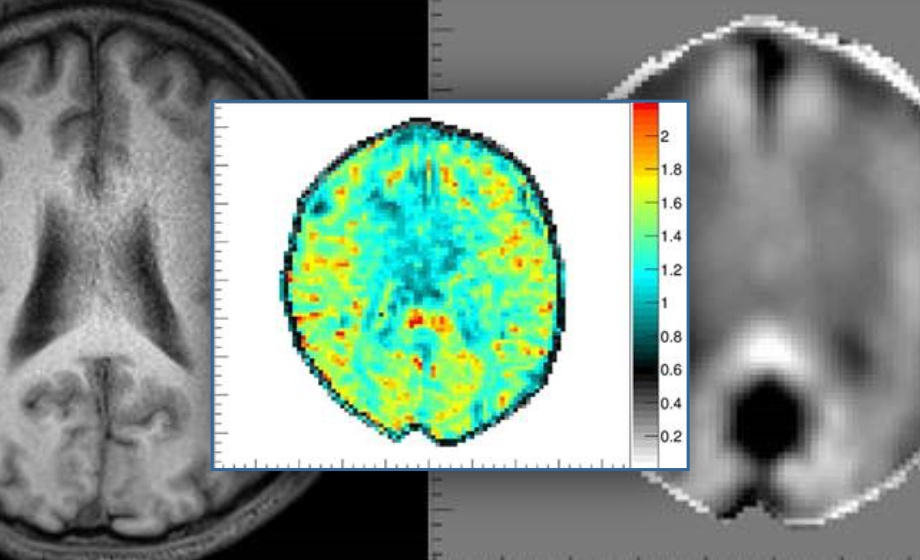
Magnetic Resonance Elastography (MRE): Techniques and Preclinical Applications
Experts outline techniques and analysis methods for MRE, and both discuss and demonstrate implementation of MRE in a broad range of preclinical research applications in healthy animals and models of disease.
Reductions in Impulsivity in an Animal Model of Attention Deficit Hyperactivity Disorder (ADHD)
Dr. F. Scott Hall presents his research that focuses on treatments for impulsive behavior commonly associated with Attention Deficit Hyperactivity Disorder (ADHD).
The Role of Nogo-A in Visual Deficits Induced by Retinal Injury
Julius Baya Mdzomba, PhD shows the link between Nogo-A, a membrane protein and potent inhibitor of neuronal growth, and visual deficits aggravation after retinal injury.
Multimodal Behavioral Assessment After Experimental Brain Trauma
Corina Bondi, PhD discusses her research on experimental traumatic brain injury (TBI) and the resulting cognitive deficits for TBI survivors.
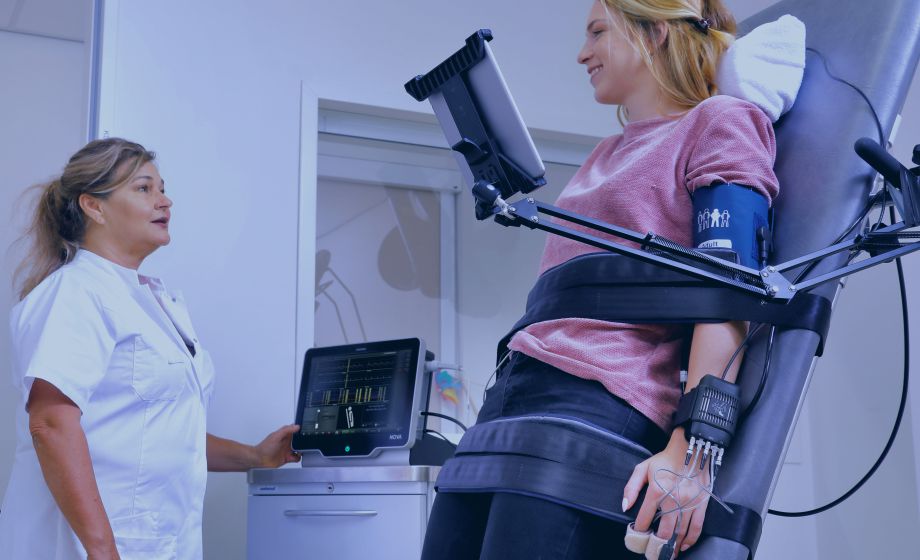
Postural Orthostatic Tachycardia Syndrome – Overview and Focus on Non-Pharmacological Approaches
Join researchers from the University of Calgary for a deep dive into the hemodynamic effects of compression in individuals affected by Postural Tachycardia Syndrome (POTS).
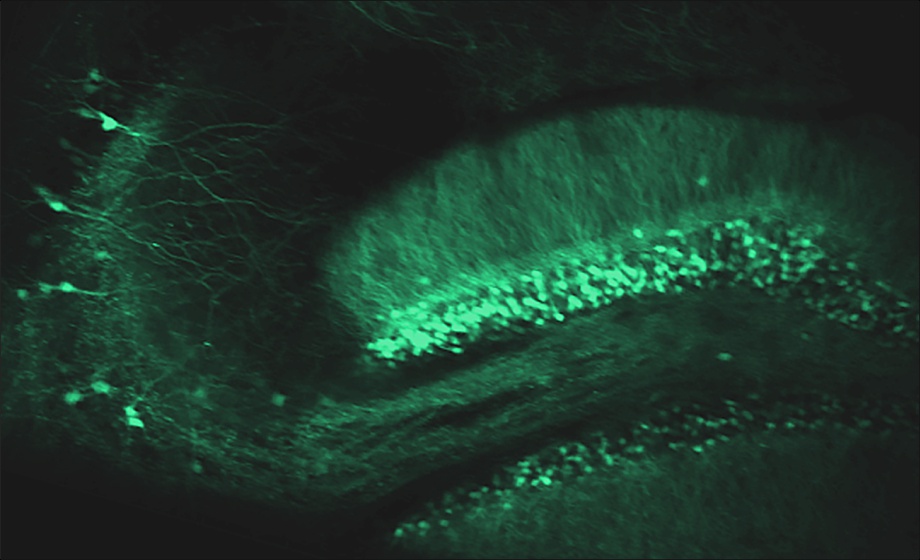
Hippocampal Neural Circuits in Awake Head-Fixed Mice Navigating a Real-World Environment
In this webinar, Dr. Simon Schultz and Dr. Michael Goard present their research using two-photon microscopy in awake head-fixed mice to study the neuronal circuits of hippocampus.
Understanding the Peripheral Nervous System
Mark Nielsen discusses the evolutionary and developmental patterns that clarify the structural organization of the peripheral nervous system. This is the second webinar in a 4-part series on how science education has evolved in the face of new challenges.
#ExpertAnswers: Jacqueline Limberg on Human Autonomic Research
Join Dr. Jacqueline Limberg as she discusses the basics of human autonomic research and shares tips & tricks for data collection and analysis during human autonomic testing to improve the accuracy and reliability of your findings.

#ExpertAnswers: Lior Bikovski & Shivang Sunil Parikh on Home Cage Monitoring Systems for Behavioral Research
In this episode of Expert Answers, Lior Bikovski and Shivang Sunil Parikh share how to optimize the use of home cage monitoring systems for behavioral research.
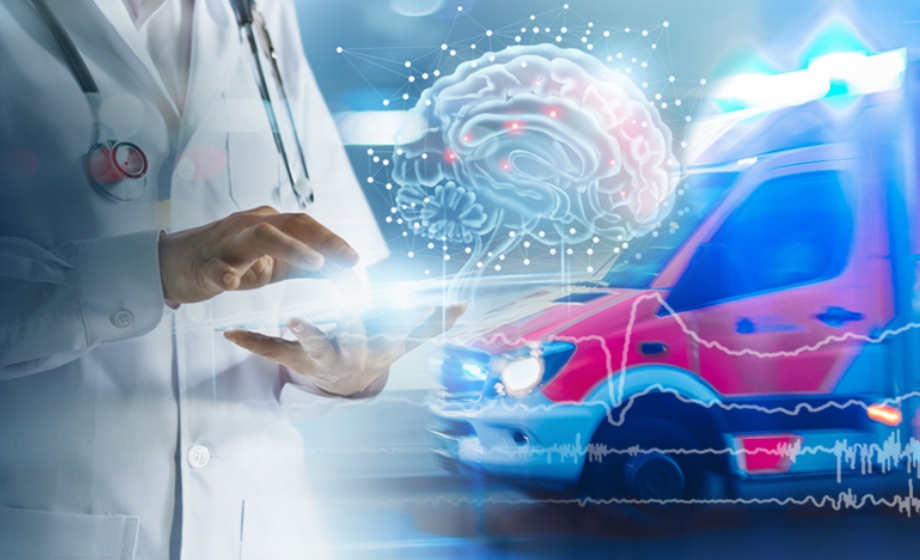
Triage of Stroke Patients in the Ambulance with EEG
Join Dr. Wouter Potters for a presentation on novel ambulatory EEG technology and procedure that is designed to enable paramedics to better triage stroke patients and reduce time to therapy
Studying Epilepsy in Awake Head-Fixed Mice Using Microscopy, Electrophysiology, and Optogenetics
Download the Q&A Report: Experts discuss how microscopy, electrophysiology, and optogenetics are used to study microglial calcium signaling and epileptic networks in awake head-fixed mice.
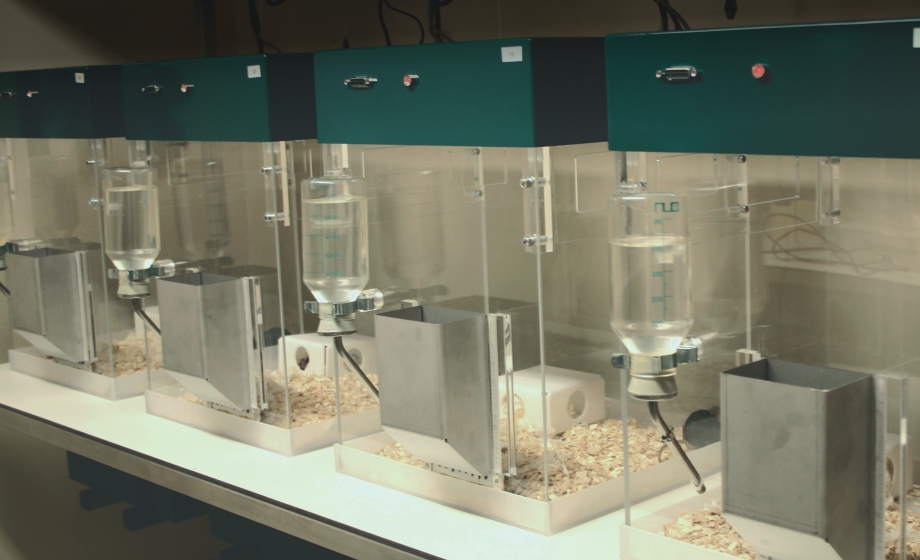
Lessons From The Core: Longitudinal Assessment vs. Point Sampling of Behaviors in Mice
In this webinar, experts at The Myers Neuro-Behavioral Core Facility at Tel-Aviv University address specific advantages and limitations of today's home cage monitoring (HCM) technology used in behavioral research.
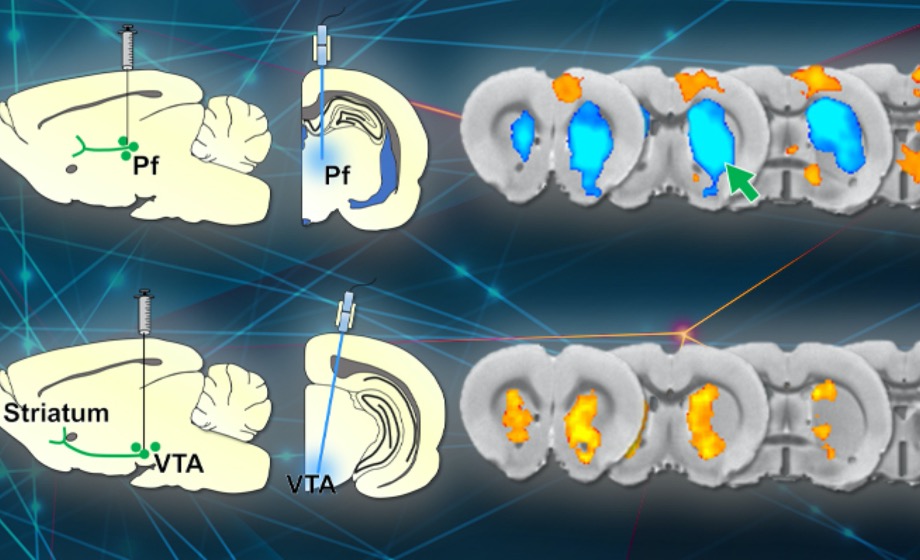
Stimulating and Recording Neuronal Activity During Traditional fMRI, and the Benefits When Doing This at “Zero” Echo Time
Experts discuss electrical and optical-based techniques capable of stimulating and recording neuronal activity during fMRI, share examples using these tools to study neurovascular coupling, and introduce a method to acquire fMRI data at zero echo time and discuss the advantages over traditional fMRI technique.
#ExpertAnswers: Robert Wykes & Anthony Umpierre on Studying Epilepsy Using Microscopy, Electrophysiology, and Optogenetics
In this episode of Expert Answers, Drs. Wykes and Umpierre discuss how microscopy, electrophysiology, and optogenetics are used to study microglial calcium signaling and epileptic networks in awake head-fixed mice.
#ExpertAnswers: Carl Petersen & Alexei Verkhratsky on Functional Neuroimaging
In this episode of Expert Answers, Dr. Carl Petersen and Alexei Verkhratsky discuss astrocyte-mediated homeostatic control of the central nervous system, and how optical and 2-photon microscopy can be used for functional neuroimaging.
Place Cell Mapping and Stress Monitoring in Head-Fixed Mice Navigating an Air-Lifted Homecage
Q&A Report from the live webinar "Place Cell Mapping and Stress Monitoring in Head-Fixed Mice Navigating an Air-Lifted Homecage", with Konrad Juczewski, PhD and Mary Ann Go, PhD
Functional Ultrasound (fUS) Imaging in the Brain of Awake Behaving Mice
Download the Q&A Report: Experts discuss how functional ultrasound imaging in awake head-fixed mice can help advance basic neuroscience and neurovascular research, as well as preclinical drug discovery.
A New Frontier of Precision Medicine: Using PET for Image-Guided Neurointerventions
Download the Q&A Report: Experts discuss how PET/CT imaging can be used to study targeted drug delivery and clearance of therapeutic agents.
#ExpertAnswers: Javier Burgués & Chris Rand on Machine Learning and Chemical Plumes
In this episode of Expert Answers, Javier Burgués answers questions about his work in signal processing to improve low cost chemical sensors and their ability to detect and track turbulent chemical plumes.
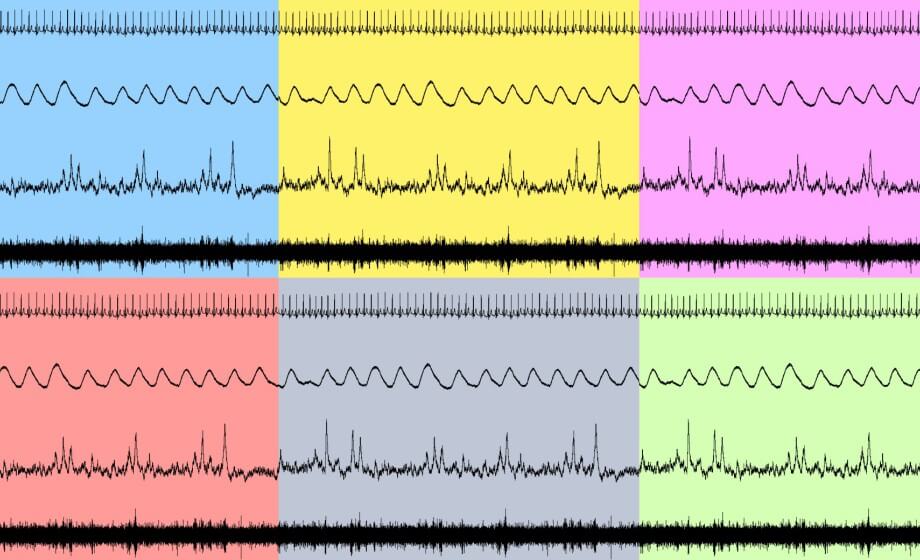
Data Collection & Analysis in Human Autonomic Research: How to Guide to Successful Testing
Dr. Jacqueline Limberg discusses the basics of human autonomic research and shares tips & tricks for data collection and analysis during human autonomic testing to improve the accuracy and reliability of your findings.
Visual Acuity as a Relevant Phenotype in Mouse Models of Rare Disease
Zoë Bichler, PhD and Maximiliano Presa, PhD present various projects where visual acuity measurements have been valuable for characterizing progression in rare diseases.
Studying Epilepsy in Awake Head-Fixed Mice Using Microscopy, Electrophysiology, and Optogenetics
Experts discuss how microscopy, electrophysiology, and optogenetics are used to study microglial calcium signaling and epileptic networks in awake head-fixed mice.