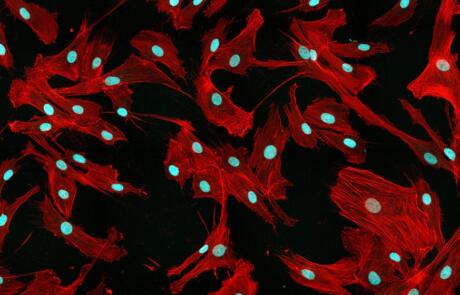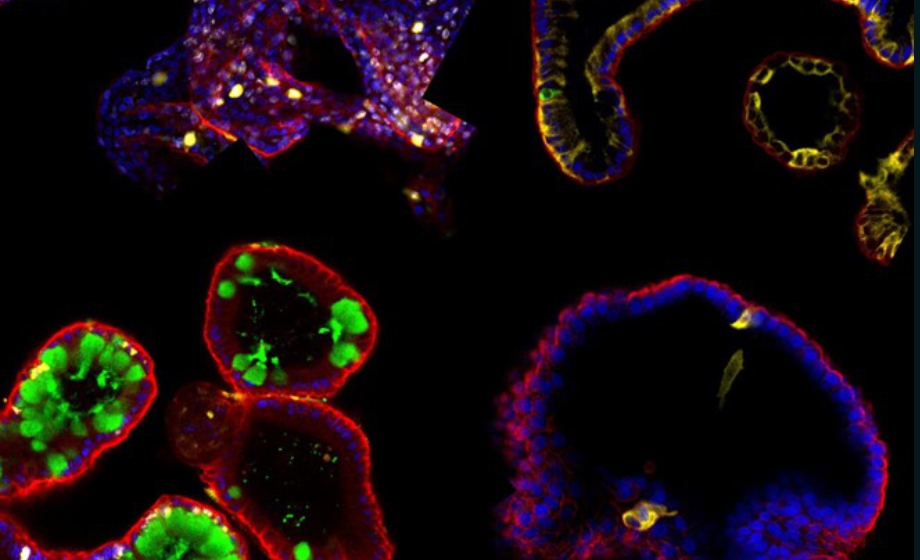
Intestinal Toxicity Assessment with Patient-Derived Organoids
Dr. Martin Stahl describes the use of patient-derived intestinal organoids to assess the toxicity of potential therapeutic compounds and study barrier function in a human-specific model system.
A Novel, All-Human Hepatic Triculture System
Join Edward LeCluyse and Paul Gallant as they discuss LifeNet Health LifeSciences' novel, all-human hepatic triculture system and discuss how it addresses the need for a convenient and human-relevant long-term hepatic culture.
#ExpertAnswers: Edward LeCluyse and Paul Gallant on a Novel Hepatic Triculture System
Edward LeCluyse and Paul Gallant discuss their novel all-human hepatic triculture system including its benefits and applications.
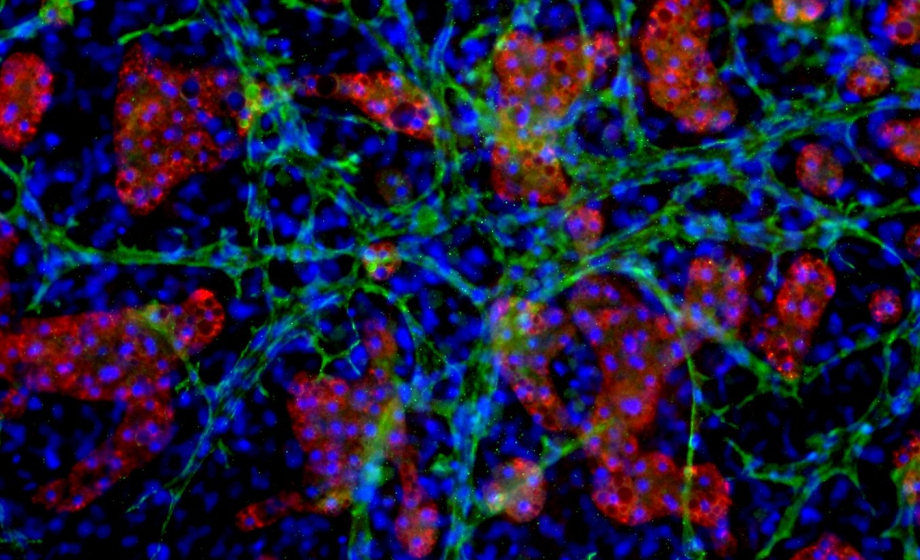
A Novel, All-Human Hepatic Triculture System
Join Edward LeCluyse and Paul Gallant as they offer insight into a novel, all-human hepatic triculture and how this unique system addresses the need for a convenient and human-relevant long-term hepatic culture.
#ExpertAnswers: Bin Xie on Drug Development for Immuno-Oncology
Bin Xie discusses the current immuno-oncology drug development landscape, different humanized mouse models available for drug testing, and the investigation of potential mechanisms via imaging mass cytometry.
#ExpertAnswers: Emma Karey on E-Cigarettes and Health Risks
Emma Karey challenges the convention that extant cigarette endpoints sufficiently capture the health risks of vaping.
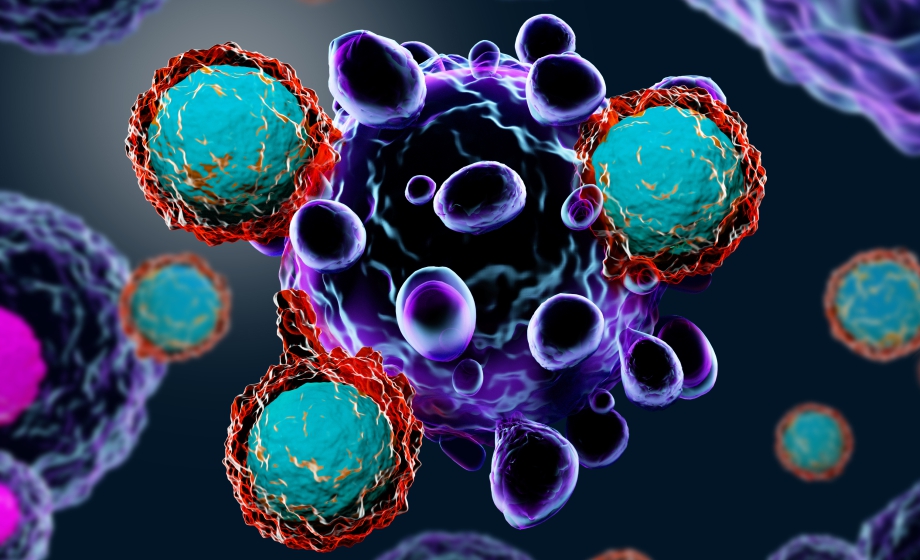
Current and Novel Immuno-Oncology Drug Evaluation Methods via Humanized Mouse Models
Dr. Bin Xie discusses the current immuno-oncology drug development landscape, different humanized mouse models available for drug testing, and the investigation of potential mechanisms via imaging mass cytometry.
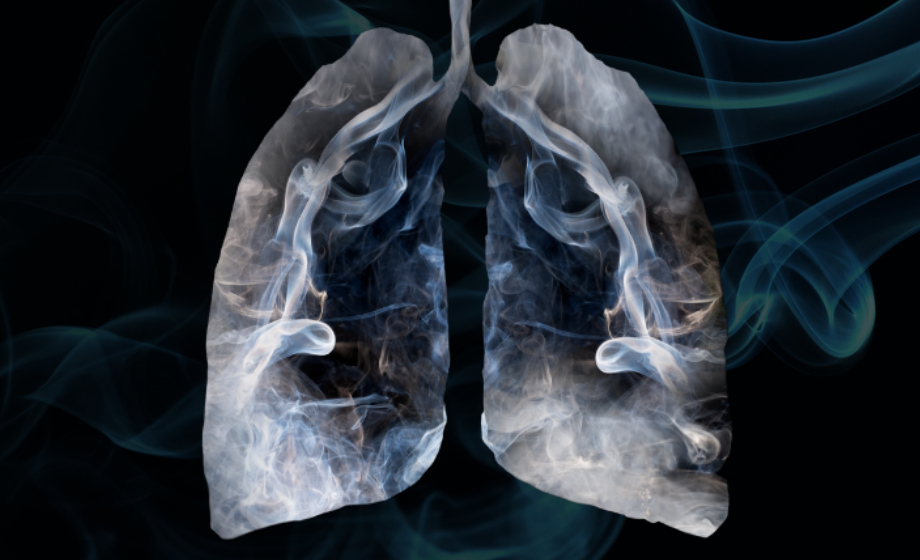
Assessing Toxicity and Health Risks of E-cigarettes: How to Take Aim at a Moving Target
Dr. Emma Karey presents research that challenges the convention that extant cigarette endpoints sufficiently capture the health risks of vaping, and provides a translational framework for how to integrate scientific principles and novel conditions.
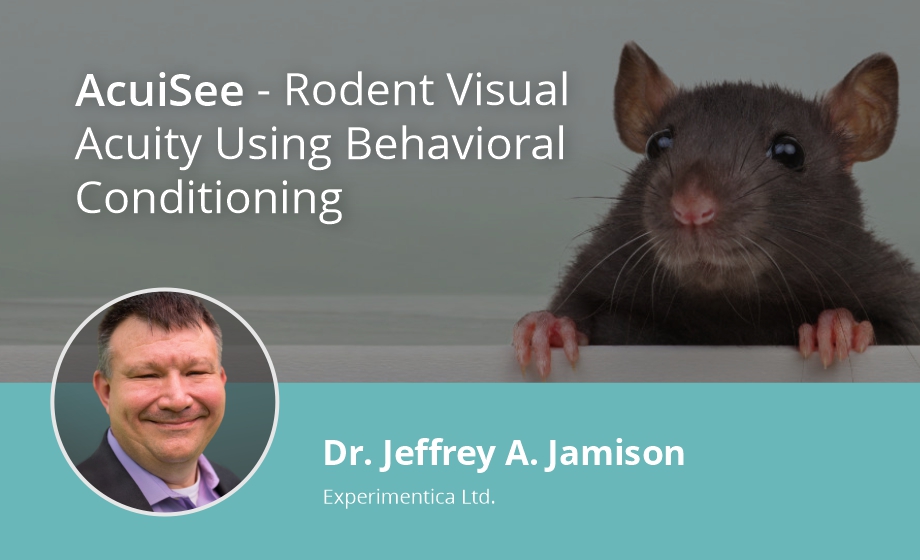
AcuiSee – Rodent Visual Acuity Using Behavioral Conditioning
Dr. Jeff Jamison presented on the connection between operant conditioning and studying vision in small animals, and how visual acuity tasks can form the basis for various research models, including toxicology and pharmacological testing.
Translational Applications of MiniPDX: An In Vivo Organoid Assay in New Drug R&D
Join Dr. Danyi Wen as she describes a novel drug efficacy test using Patient Derived Xenograft (PDX) samples to measure drug efficacy and identify therapeutic candidates in personalized oncology treatments.

Streamlining Process Monitoring in Cell Culture Analysis & Spectrometry
Daniel Merriman, Femi Egbebi and Krzysztof Inglot discuss research solutions offered by Thermo Fisher Scientific regarding cell culture analysis, spectrometry and other topics within the biopharma field.
#ExpertAnswers: Alexandra Lubin & Jason Otterstrom on Automated Microscopy
Experts discuss the use of deep learning-powered automated microscopy and image analysis for fast, in vivo zebrafish screening.
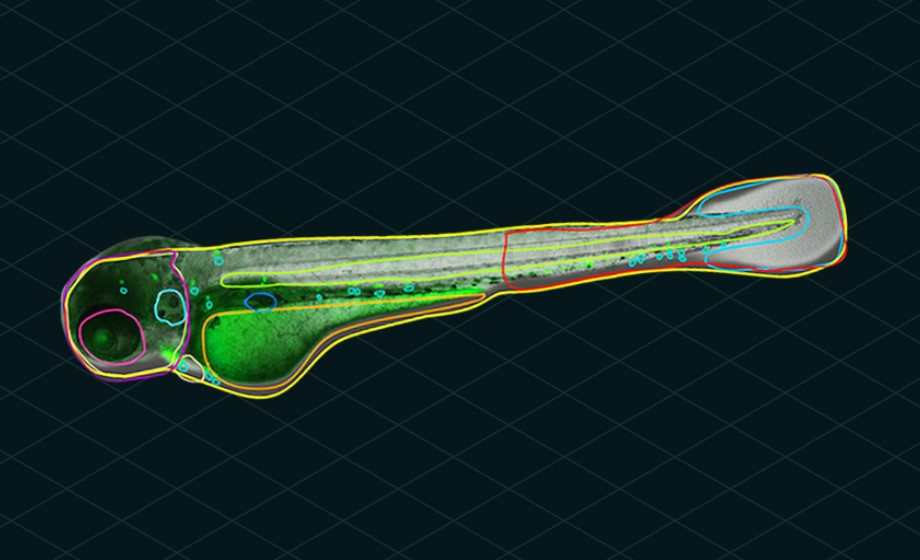
Casting a Wider Net in Zebrafish Screening with Automated Microscopy and Image Analysis
Join Dr. Alexandra Lubin and Dr. Jason Otterstrom as they discuss the use of deep learning-powered automated microscopy and image analysis for fast, in vivo zebrafish screening.
#ExpertAnswers: Christian Schnell on Pharmacology Studies in Oncology Research
Christian Schnell, Associate Director of Oncology at Novartis in Basel, answers questions on PK-PD assessment and corresponding antitumor activity in pharmacology studies for oncology research.
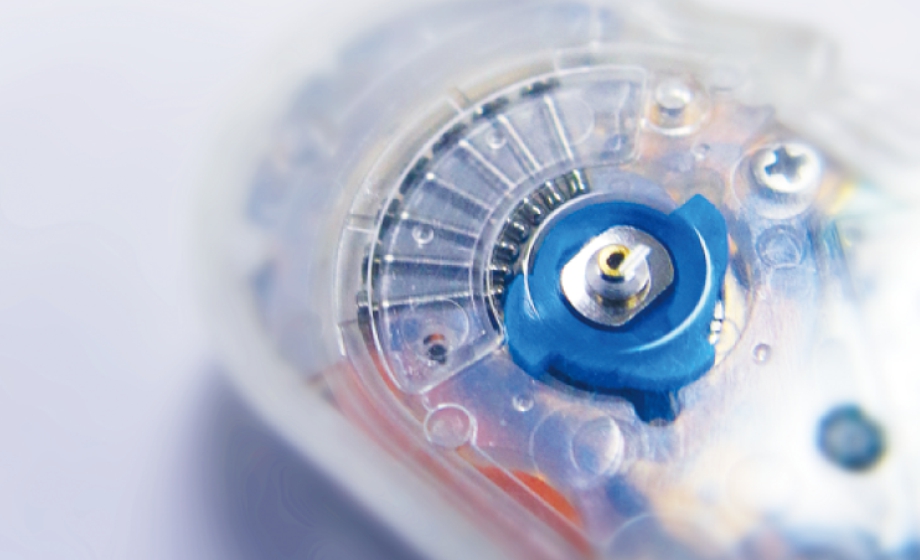
Compound Delivery, PK-PD, & Validation Studies in Oncology Research
Dr. Christian Schnell describes his work involving implantable infusion pump studies in rodents and the advancement of pharmacological interventions in oncology research.
A Comprehensive How-To Demonstration of Higher Throughput Excitation-Contraction Coupling Investigations
The best questions asked during the webinar are answered by Michiel Helmes and Diederik Kuster, experts in the field of excitation contraction coupling and cardiomyocyte isolation.
#ExpertAnswers: Michiel Helmes and Diederik Kuster on Excitation-Contraction Coupling
Michiel Helmes and Diederik Kuster answer questions from a recent webinar demonstrating higher throughput investigations of excitation-contraction coupling in isolated cardiomyocytes.
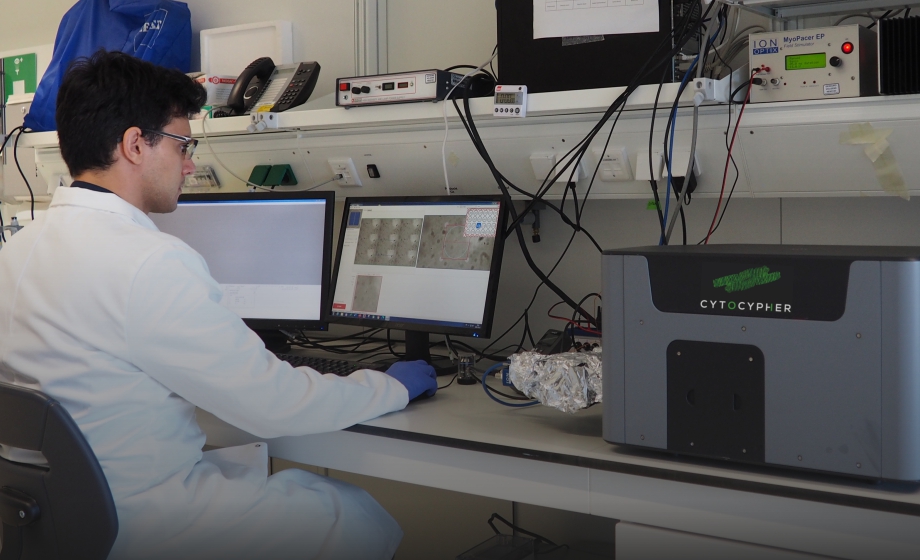
A Comprehensive How-To Demonstration of Higher Throughput Excitation-Contraction Coupling Investigations
Join Michiel Helmes and Diederik Kuster as they demonstrate best practices and new techniques in high-content, higher throughput investigations of excitation-contraction coupling in isolated cardiomyocytes.
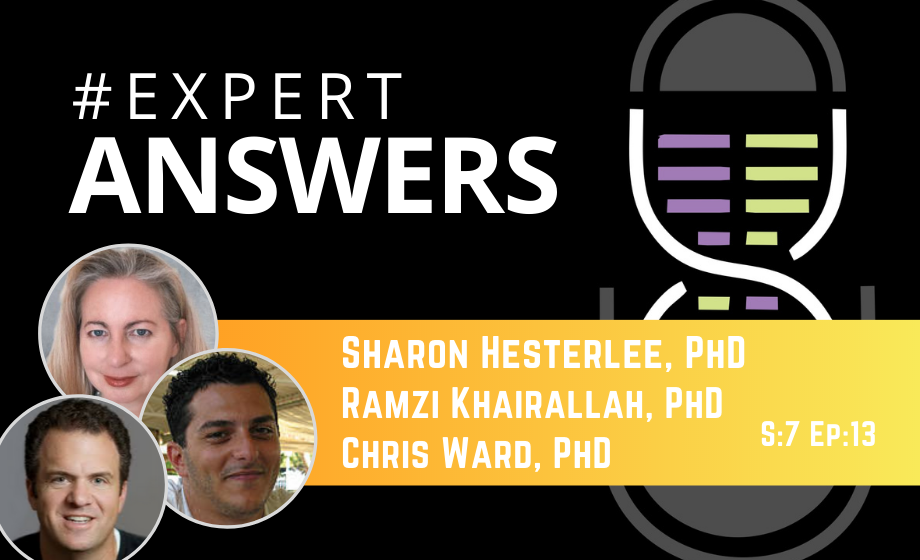
#ExpertAnswers: Chris Ward, Ramzi Khairallah & Sharon Hesterlee on Muscular Dystrophy
This episode of #ExpertAnswers features Dr. Chris Ward, Co-founder and scientific officer at myologica, Dr. Ramzi Khairallah, co-founder and president [...]
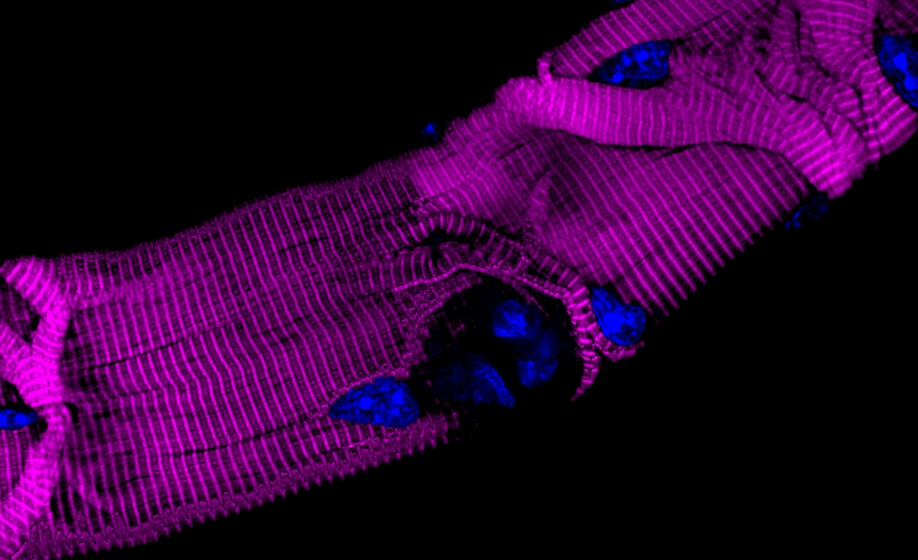
Considerations for Rigorous Pre-clinical Studies in Murine Muscular Dystrophy
Experts present key considerations in the design of rigorous preclinical studies in rodent models of muscular dystrophy, including animal model selection, assays and endpoints, and how your results can inform translation to the clinic.
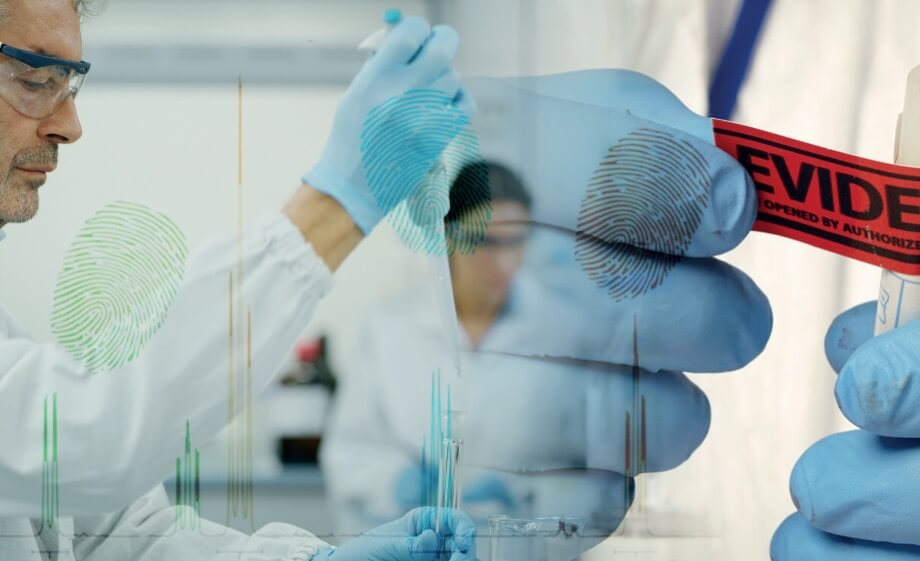
Rapid Narcotics Analysis by Orthogonal Methods: MS meets NMR
Experts discuss the ease of use and advantages to using a harmonized approach of Nuclear Magnetic Resonance and Mass Spectroscopy for the detection and identification of narcotics.