#ExpertAnswers: Charlotte Peterson & Jack Guralnik on Aging Science
In this episode of Expert Answers, Dr. Jack Guralnik and Dr. Charlotte Peterson answer questions about sarcopenia, the physiological mechanisms underlying the disease, and the current avenues of treatment and assessment.
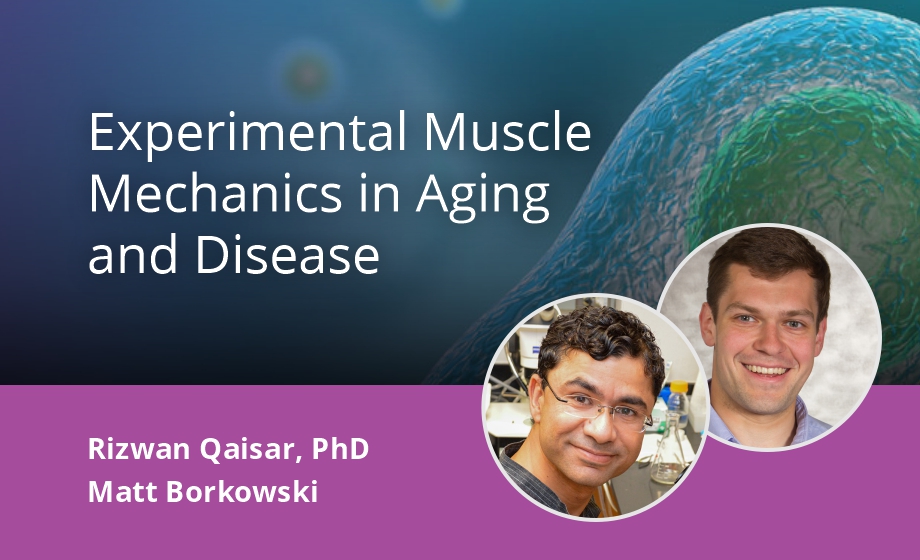
Experimental Muscle Mechanics in Aging and Disease
Join Dr. Rizwan Qaisar and Matt Borkowski for a deep dive into the experimental protocols used for measuring muscle function and mechanics for in vivo and in vitro research.

The Challenges of Sarcopenia: Definition, Underlying Mechanisms, Interventions, and Outcomes
Dr. Charlotte Peterson and Dr. Jack Guralnik will discuss the challenges of sarcopenia. They will define the disease and provide an in depth overview of the underlying mechanisms of pathology. They will then share some potential therapeutic interventions and disease outcomes for patients.
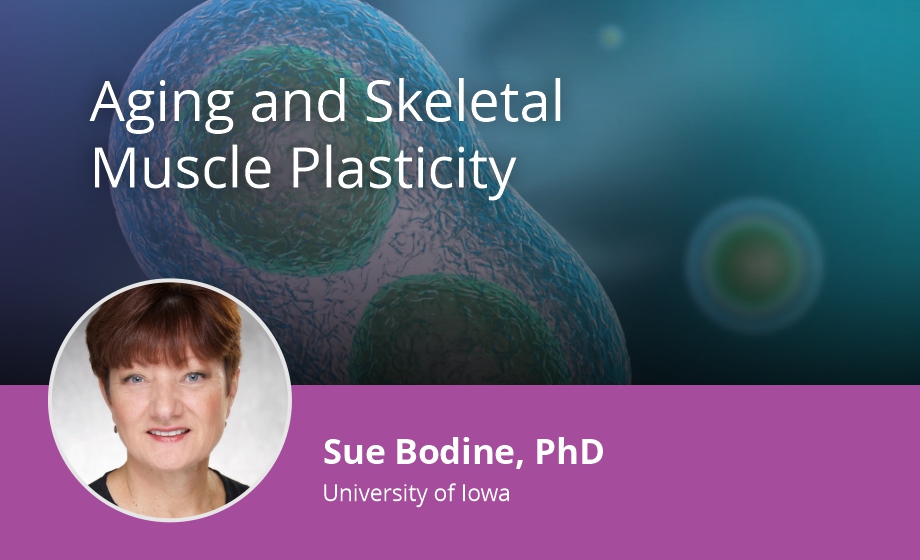
Aging and Skeletal Muscle Plasticity
Join Sue Bodine, PhD for a deep dive into her research focused on the decline in muscle mass with aging and the role that innervation plays in muscle atrophy.

Science of Aging: A Physiological & Translational Perspective
Science of Aging - A Physiological & Translational Perspective: A webinar series covering fundamentals, late-breaking research and novel discoveries in the field of aging science.

#ExpertAnswers: Zhen Yan & Diego Bohórquez on Obesity
Zhen Yan and Diego Bohórquez present case studies demonstrating the use of automated home cage phenotyping for preclinical obesity research.
An Improved Method for Studying Mouse Diaphragm Function
A detailed and ready-to-use protocol on the design and manufacturing of diaphragm clamps, and how to mount them to a muscle force measurement system.
#ExpertAnswers: Chris Ward, Ramzi Khairallah & Sharon Hesterlee on Muscular Dystrophy
This episode of #ExpertAnswers features Dr. Chris Ward, Co-founder and scientific officer at myologica, Dr. Ramzi Khairallah, co-founder and president [...]
Academy of Surgical Research Virtual Annual Meeting 2020
Register for the 36th Annual Academy of Surgical Research Virtual Meeting to join surgical research professionals around the world in a two-day exploration of surgical techniques, research applications, technology advancements and industry trends.

Cravings and Weightlifting Squats – Technologies that Explore New Metabolic and Behavioral Research
Zhen Yan and Diego Bohórquez present case studies demonstrating the use of automated home cage phenotyping for preclinical obesity research.
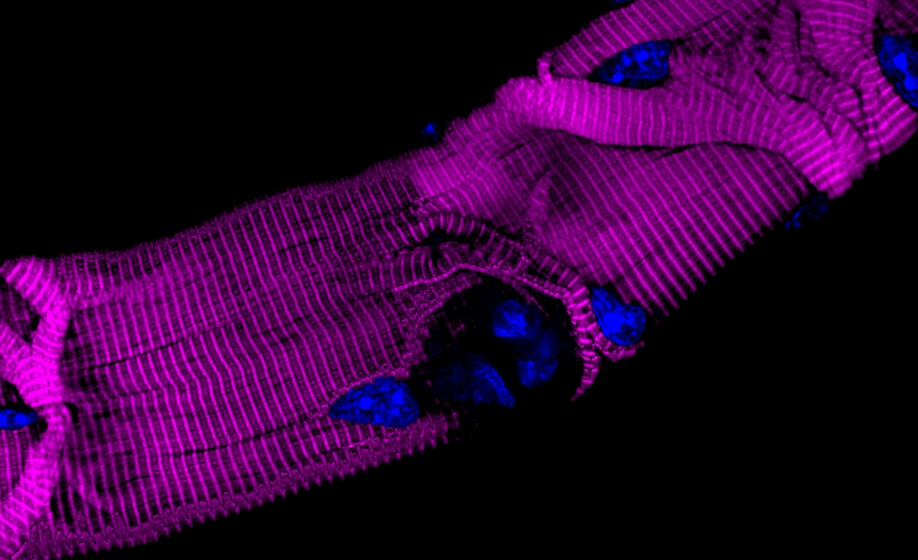
Considerations for Rigorous Pre-clinical Studies in Murine Muscular Dystrophy
Experts present key considerations in the design of rigorous preclinical studies in rodent models of muscular dystrophy, including animal model selection, assays and endpoints, and how your results can inform translation to the clinic.

ASO-Mediated DNM2 Knockdown for Centronuclear Myopathies
Suzie Buono discusses the work she and her team have done to provide an example of treating a dominant disease by targeting both alleles, suggesting that this strategy may be applied to other dominant diseases.
#ExpertAnswers: Tim West & Matt Borkowski on Single Muscle Fiber Mechanics
In this episode of Expert Answers join Dr. Tim West and Matt Borkowski for a discussion on how to properly isolate and prepare, and assess muscle performance and contractile function in single muscle fibers.
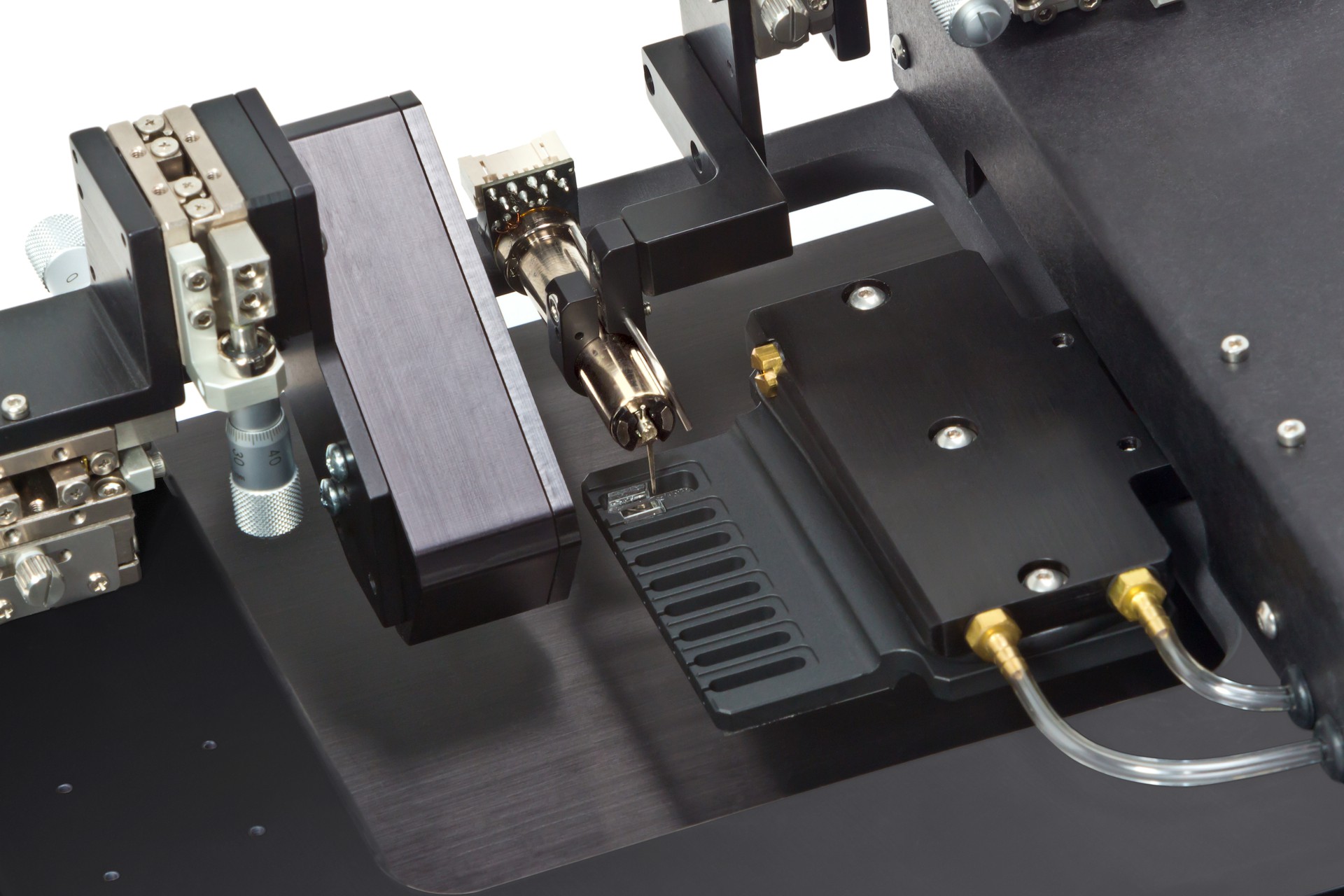
How to Plan and Execute Contractile Measurements in Permeabilized Muscle Fibers
Experts discuss the A-to-Z of assessing muscle performance and contractile function in single muscle fibers.

The MRL/MpJ Mouse Strain Is Not Protected From Muscle Atrophy And Weakness After Rotator Cuff Tear
The MRL/MpJ mouse strain has been touted as a "superhealer" although different tissues have previously displayed different levels of healing ability. We sought to test that ability in skeletal muscle.

ULK2 is Essential for Degradation of Ubiquitinated Protein Aggregates and Homeostasis in Skeletal Muscle
Jordan Fuqua discusses how autophagy and proteolytic processes are regulated in skeletal muscle, specifically looking at ULK1 and ULK2 and their roles in maintaining skeletal muscle homeostasis, morphology, protein aggregate degradation and autophagy.
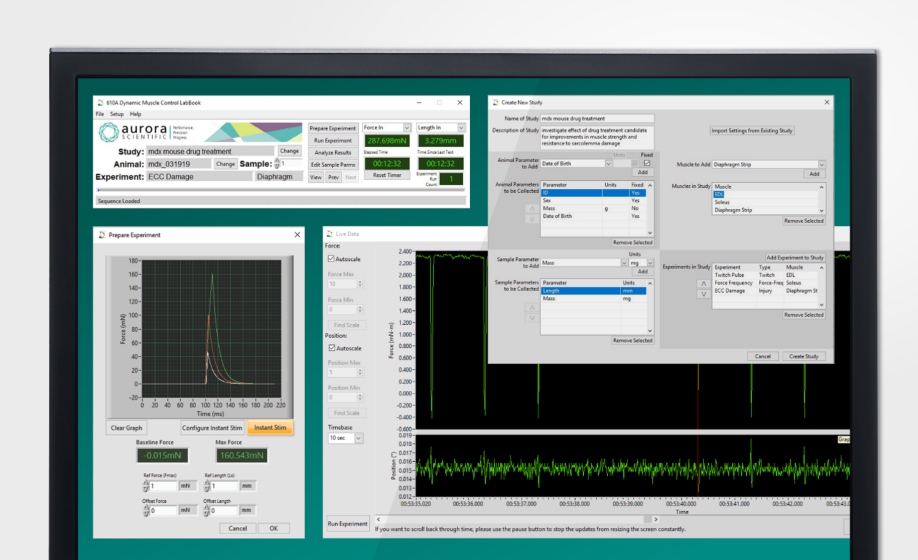
Organize and Streamline Data Collection with DMC LabBook
Matt Borkowski of Aurora Scientific discusses the latest software update for their Dynamic Muscle Control and Analysis Software, DMC LabBook
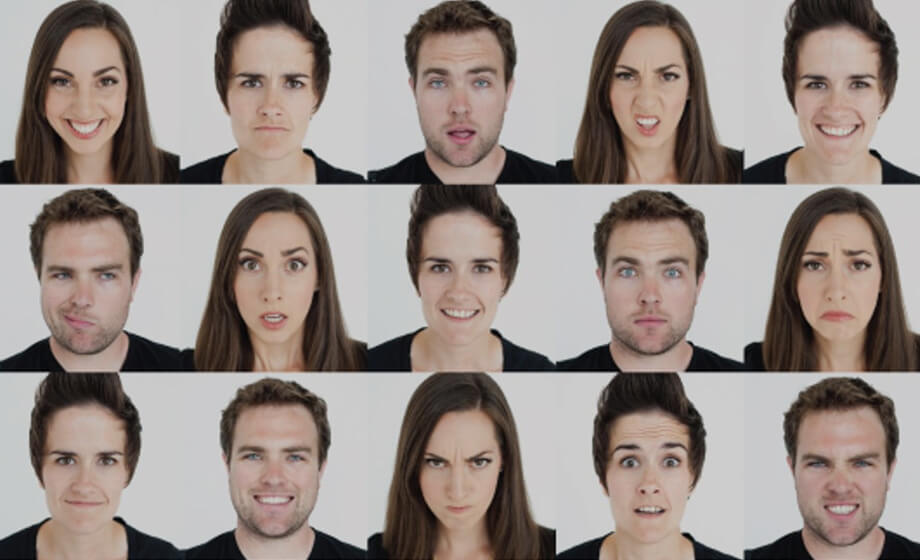
Recording Facial EMG with New Amplifier Technology
An essential webinar for researchers interested in recording facial electromyography (fEMG) to measure muscle activity associated with smiling and frowning.

#ExpertAnswers: Keshari Thakali and Aaron Stupica on Maternal Obesity Effects on Offspring
Dr. Keshari Thakali from the University of Arkansas for Medical Sciences and Aaron Stupica from DMT answer questions from a [...]
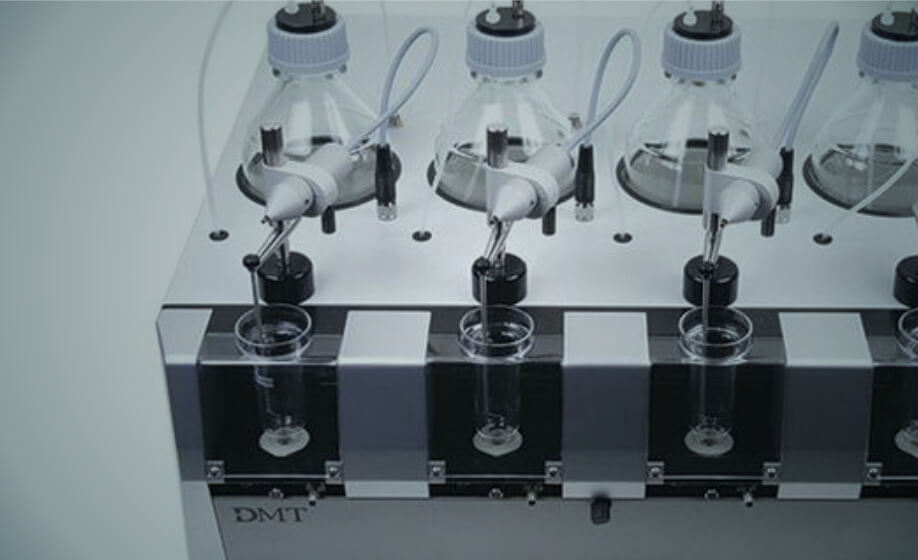
Studying Smooth and Striated Muscle Function Using Advanced Tissue Bath Systems
Aaron Stupica and Keshari Thakali discuss techniques tissue bath myography and present a unique case study looking at the effect of maternal obesity on offspring perivascular adipose tissue and vascular function.
#ExpertAnswers: Dylan Sarver and Matthew Borkowski on Tendon Properties
Dylan Sarver and Mathew Borkowski discuss how to study the mechanical properties of tendon and connective tissue samples.
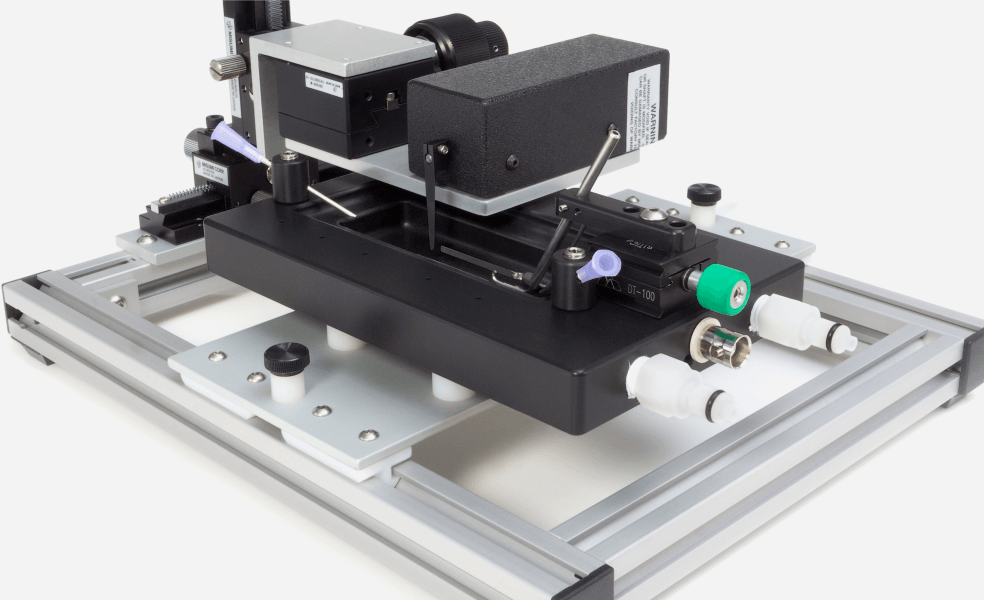
How To Study Structural and Functional Properties of Tendon
Experts discuss how to characterize the mechanical properties of tendon using a novel dual-mode lever system.
#ExpertAnswers: John Cockroft and Coleman Bessert on Biomechanics
John Cockroft and Coleman Bessert discuss biomechanics, specifically kinematics, kinetics and neuromuscular activation.
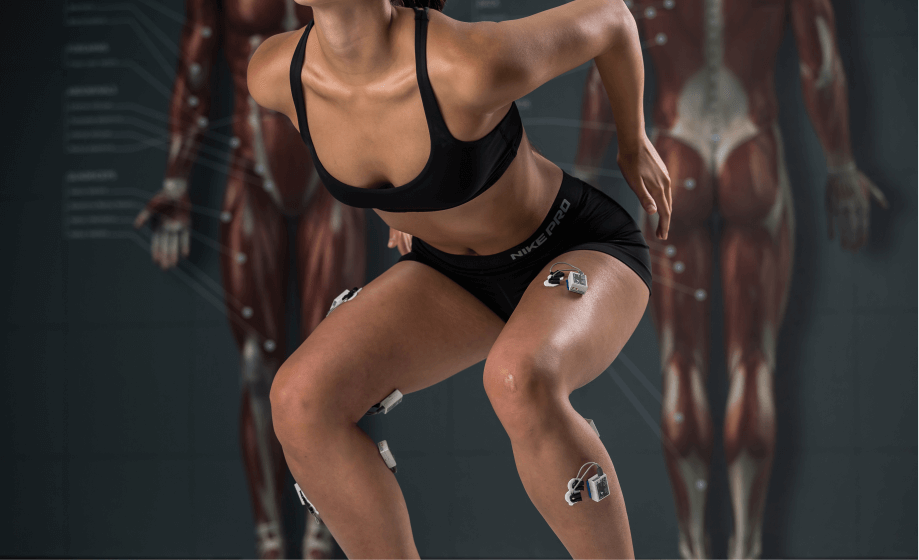
Applied Biomechanics 1 – a multifaceted approach to answering human movement questions with objective data
Part 1 of a webinar series designed to survey biomechanics; starting with its core components of kinematics, kinetics, and neuromuscular activation and progressing to their application within research and industry.
#ExpertAnswers: Seth Hays and Drew Sloan on Forelimb Function in Rats and Mice
Seth Hays and Drew Sloan discuss quantitative measurements with automated, high-throughput systems in rodent models.