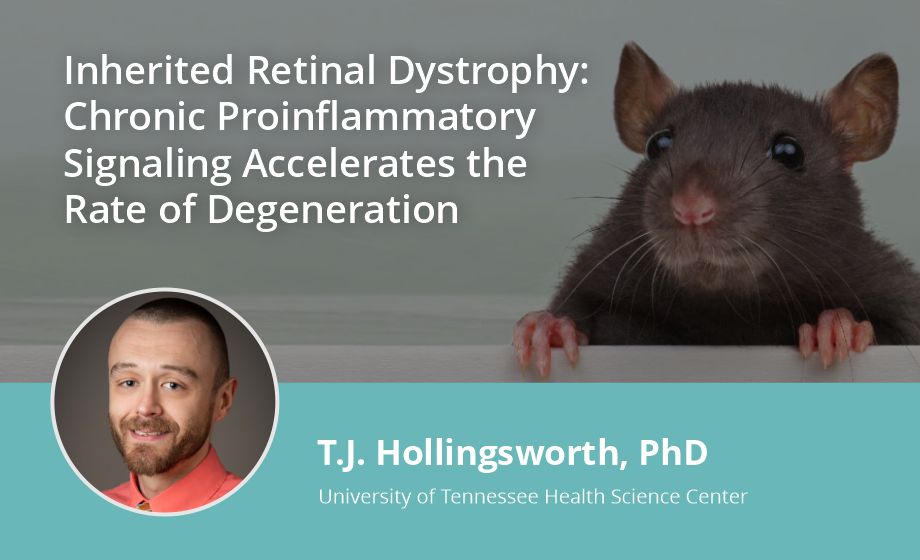
Inherited Retinal Dystrophy: Chronic Proinflammatory Signaling Accelerates the Rate of Degeneration
T.J. Hollingsworth, PhD, discusses findings from a recent study examining the effects of chronic proinflammatory signaling in inherited retinal dystrophy (IRD).
Medicare Part D: Price Negotiation Panel Discussion
Hear expert panelists bring their perspectives on critical issues around support for Medicare Part D products' fair market prices.

Leveraging Programmable CRISPR-Associated Transposases for Next-Generation Genome Engineering
Dr. Sam Sternberg discusses a novel CRISPR-Cas9 system using programmable, RNA-guided transposase, and highlights its implications for kilobase-scale genome engineering in cell and gene therapies.

Synthetic Peptide Growth Factors: Forging the Path Forward for Regenerative Medicine, Cell Therapy, and Cellular Agriculture
Experts discuss how synthetic growth factors work and share application examples and data using these synthetic peptides for cell therapy and regenerative medicine.

Finding Value in Linking Real-World Data with Social Determinants of Health
Hear Pamela Landsman-Blumberg and Rick Chapman highlight the importance of SDOH and discuss examples of how claims data and EMR linked with SDOH can inform use cases.
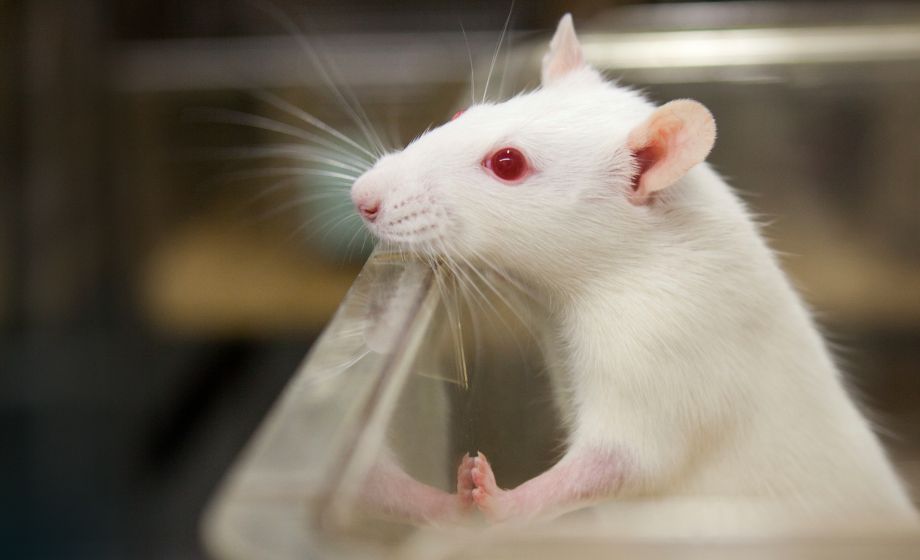
Simple Tips to Significantly Improve Rodent Surgical Outcomes
Dr. Marcel Perret-Gentil presents six simple-to-implement techniques to significantly improve surgical outcomes.
The Journey From Pandemic Teaching Into The New Normal
Join Gethin Evans, PhD as he delves into his experience teaching in the life sciences pre-, during, and post-pandemic and how his department has invested in technology to enhance teaching content and delivery.
It’s Time for Change! How to Promote Diversity, Equity, Inclusion, and Respect in your Chemistry Lab
In this webinar, we demonstrate our Rate Law Determination experiment that utilizes Vernier Science Education’s Go Direct SpectroVis Plus Spectrophotometer to study the kinetics of the reaction of crystal violet with sodium hydroxide.
Engaging Students Online in a Clinical Pathophysiology Course
In this webinar, Assoc Prof. Patricia Halpin, (Chair of the APS Teaching Section) discusses how she harnesses technology to engage her physiology students in an online clinical pathophysiology course.
Expert Perspectives on Technology-Enhanced Learning
Watch Jana Kusch, PhD and Marc Demolder, MSc as they discuss their experience with technology-enhanced education.

Economic Impact of Representativeness in Clinical Trials: How Real-World Data Can Help
This panel of real-world evidence (RWE) experts explore the economic impact and role of RWE in improving representativeness of research.
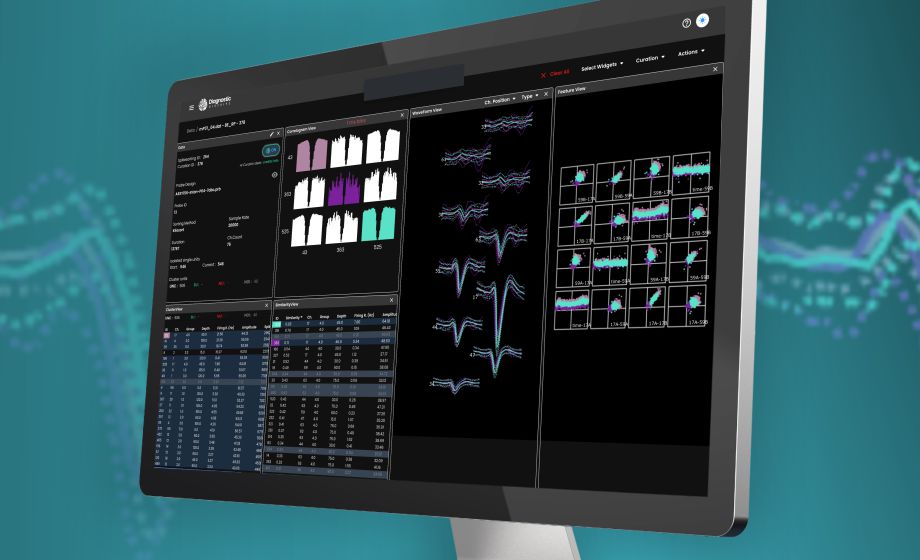
Towards Automated Spikesorting using Artificial Intelligence on a Cloud-Based Platform
In this webinar, Dr. Fan Wu and Lidor Spivak discuss the use of artificial intelligence to automate electrophysiological data analysis, including a new cloud-based software platform.

Stay Ahead of the Game: Learn How to Conduct an Evidence-Based GVD Faster and Smarter to Improve Market Access
Hear several experts address systematic literature review issues that can negatively affect your Global Value Dossiers (GVDs) and how automation can improve your product's market access.

Cardiovascular Autonomic Dysfunction in the Post-COVID Landscape: Detection and Management
Artur Fedorowski, MD, PhD, describes cardiovascular dysautonomia in COVID-19 and the diagnostics behind detecting Long COVID or Post-acute Sequalae of COVID-19.
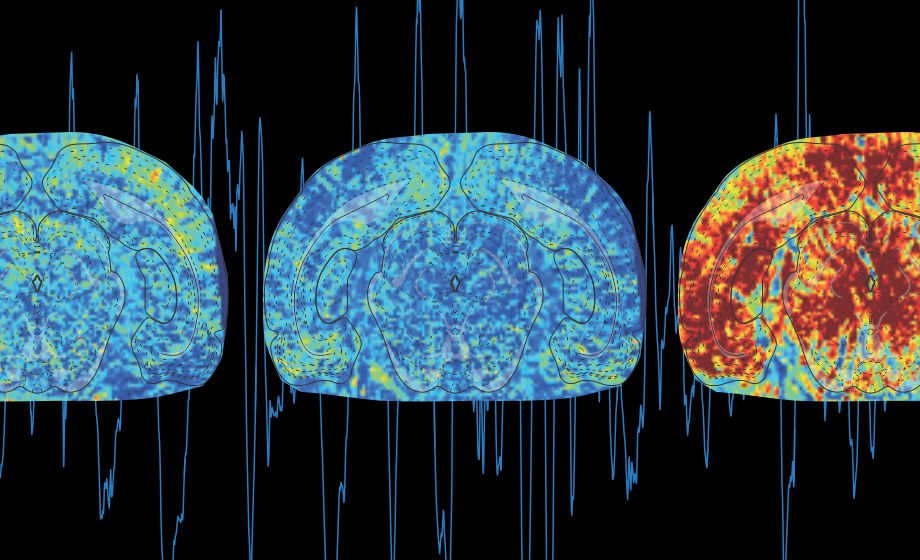
Multimodal Neuroimaging Using Functional Ultrasound (fUS)
Drs. Davide Boido and Antoine Bergel show how state-of-the-art multimodal neuroimaging can be coupled with functional ultrasound (fUS) to study neurovascular coupling across vigilance states.

Developing Prefrontal Circuits and Their Role in Health and Disease
In this webinar, Dr. Ileana Hanganu-Opatz, Dr. Jastyn A. Pöpplau, and Marilena Hnida discuss their research on prefrontal networks in developing head-fixed mice, and the role of these networks in cognition and models of neurodevelopmental diseases.
Developing Retinal Gene Therapy for Zellweger Spectrum Disorder (ZSD)
Catherine Argyriou, PhD, discusses peroxisome disease and the development of a retinal gene therapy for PEX1-mediated Zellweger Spectrum Disorder.
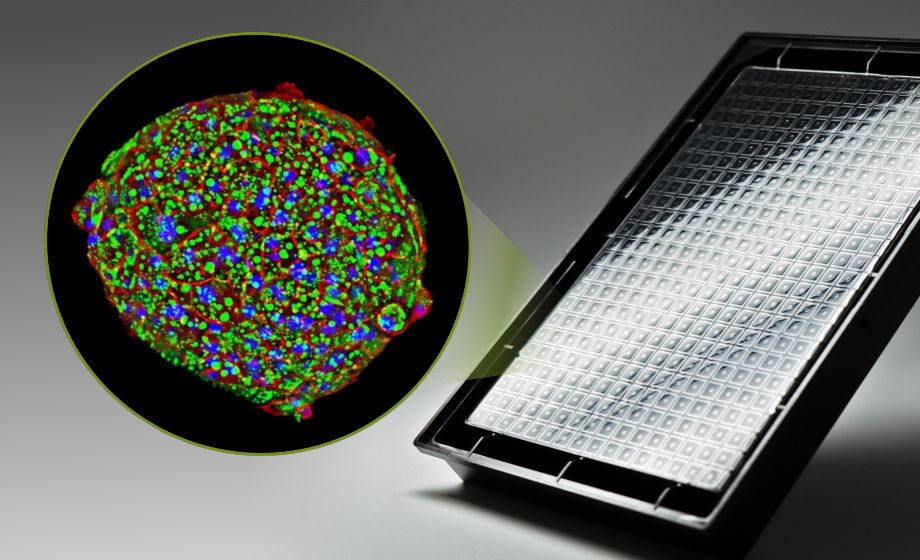
The 3D DILI Model of Success – from Biological Relevance to Industry Application
Dr. Anna Borgström and Dr. Frauke Greve present the latest advancements in hepatic safety assessment using 3D liver spheroids.
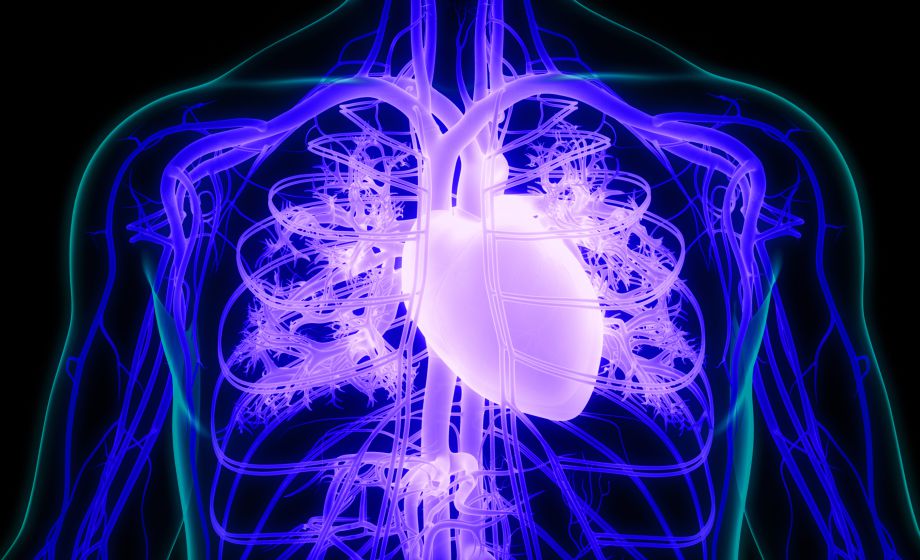
APS Physiology in Disease Modeling and Drug Development Roundtable
Key opinion leaders in cardiovascular physiology and bioengineering discuss best practices and challenges when modeling cardiomyopathies and other cardiovascular diseases using stem cells, engineered tissues and other novel platforms.
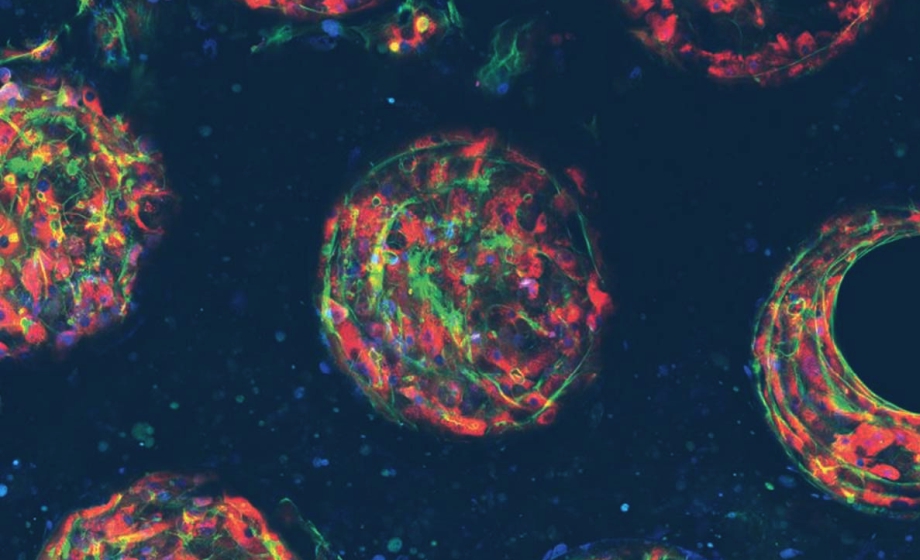
It’s Life, but Not As We Know It: How Predictive Human Organ Models Are Transforming and Reshaping the Efficiency of Drug Discovery
Dr. Audrey Dubourg and Dr. Gareth Guenigault explore the value that an organ-on-a-chip approach can bring to drug discovery and development workflows, and how the regulatory landscape is shifting to encourage their widespread adoption.
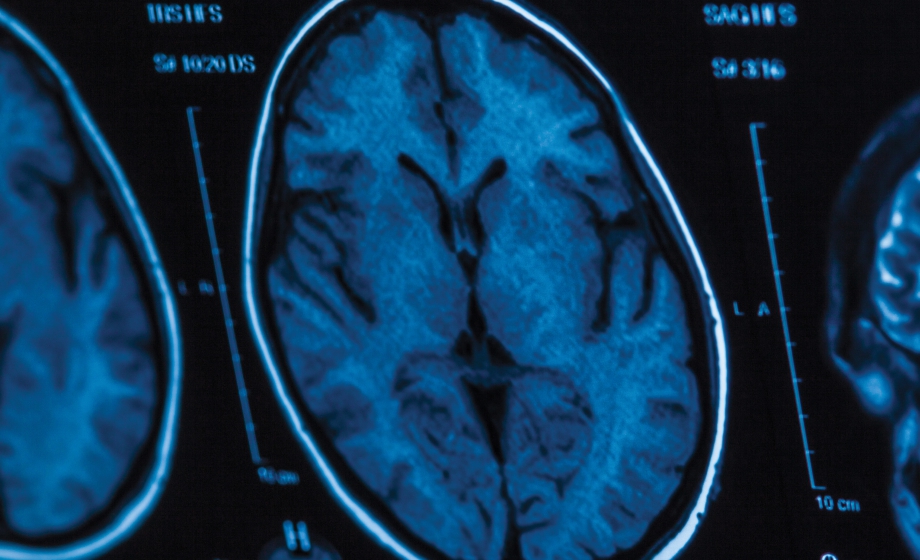
Understanding Intracranial Pressure in Freely Moving Rats
Join Connar Westgate, PhD for a deep dive into intracranial pressure measurements and the importance of understanding this physiological parameter for maintaining normal CNS function.

Functional Recovery of the Musculoskeletal System Following Injury – Leveraging the Large Animal Model
Watch Dr. Sarah Greising discuss the current pathophysiologic understanding of the skeletal muscle remaining following traumatic musculoskeletal injuries.

Designing Causal Inference Studies Using Real-World Data
In this webinar, experts provide an overview of causal inference, along with step-by-step guidance to designing these studies using real-world healthcare data.

Streamlining Health Technology Assessments by Automating Literature Reviews
Experts provide a deep dive into what Health Technology Assessment (HTA) agencies do and the types of literature reviews they do.

Social Media Data: Opportunities and Insights for Clinical Research
Hear four experts from ICON and Kap Code provide insights on how to collect, use, analyze, and interpret social media data in different contexts. These experts share knowledge from over fifteen years of successfully developing and adapting algorithms to treat this kind of data.