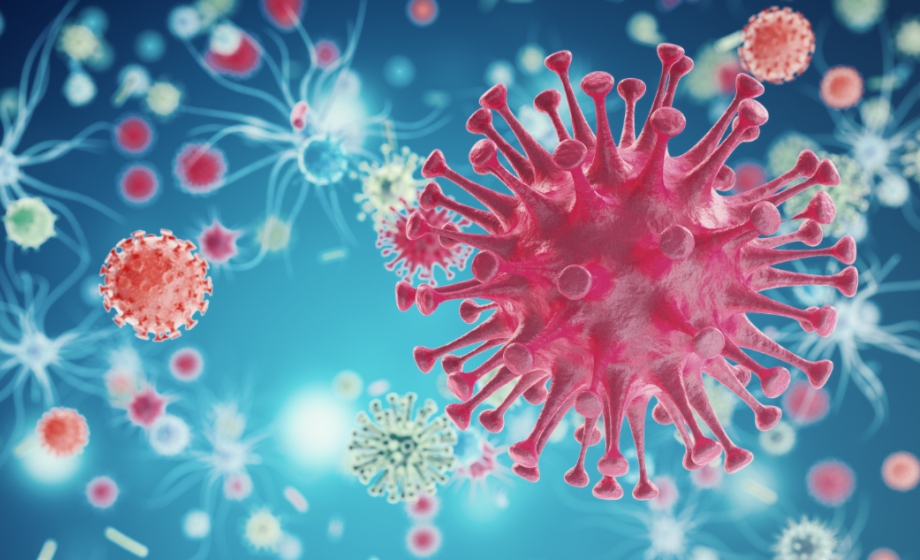
An Introduction to Infectious Disease Modeling
Hear ICON experts give an in-depth overview of infectious disease modeling with a focus on assessment of interventions and its challenges.
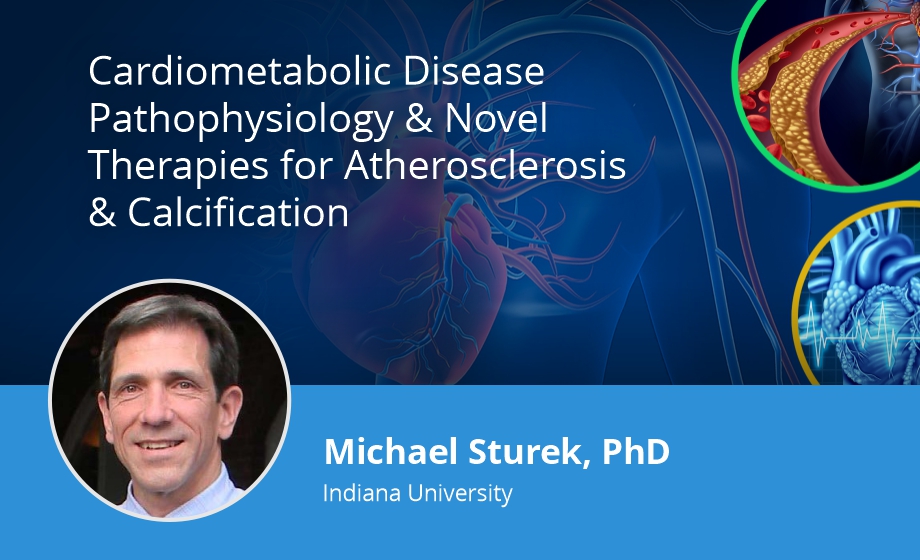
Cardiometabolic Disease Pathophysiology & Novel Therapies for Atherosclerosis & Calcification
In this webinar, Dr. Michael Sturek reviews features of macrovascular atherosclerosis and microvascular dysfunction that underly ischemic events and the need for appropriate animal models for optimal translation.
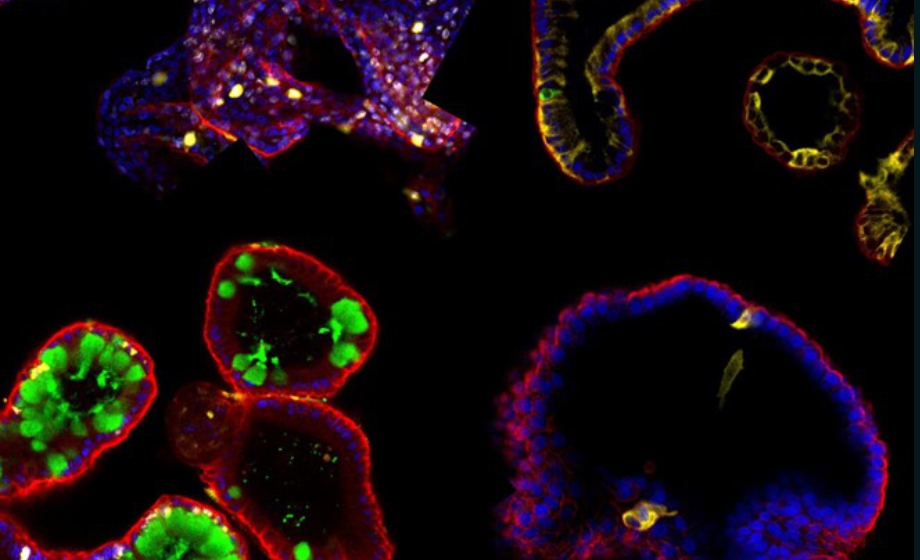
Intestinal Toxicity Assessment with Patient-Derived Organoids
Dr. Martin Stahl describes the use of patient-derived intestinal organoids to assess the toxicity of potential therapeutic compounds and study barrier function in a human-specific model system.
Next-Generation Techniques for Understanding Neural Hemodynamic Control
Join Aaron Phillips, PhD, as he shares his research involving neural hemodynamic control in human patients and rodents.

Syapse Real-World Dialogue: Advancing Patient Care through Real-World Data, Machine Learning, and Systems Biology
Join Drs. Nitin Baliga and Thomas Brown for an in-depth discussion on utilizing real-world data, machine learning, and systems biology for benefiting therapeutic development.
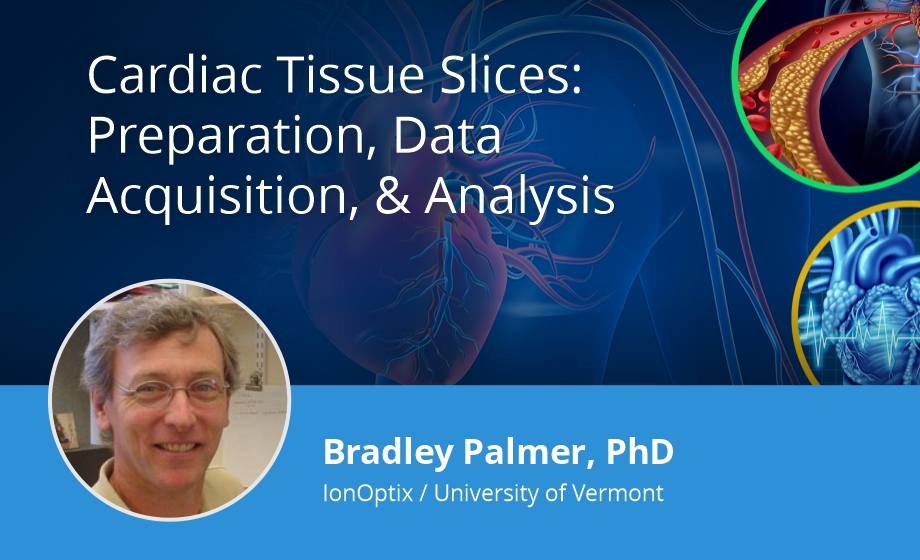
Cardiac Tissue Slices: Preparation, Data Acquisition, and Analysis
Dr. Bradley Palmer demonstrates the challenging preparation of cardiac tissue slices and measurement of force and calcium.
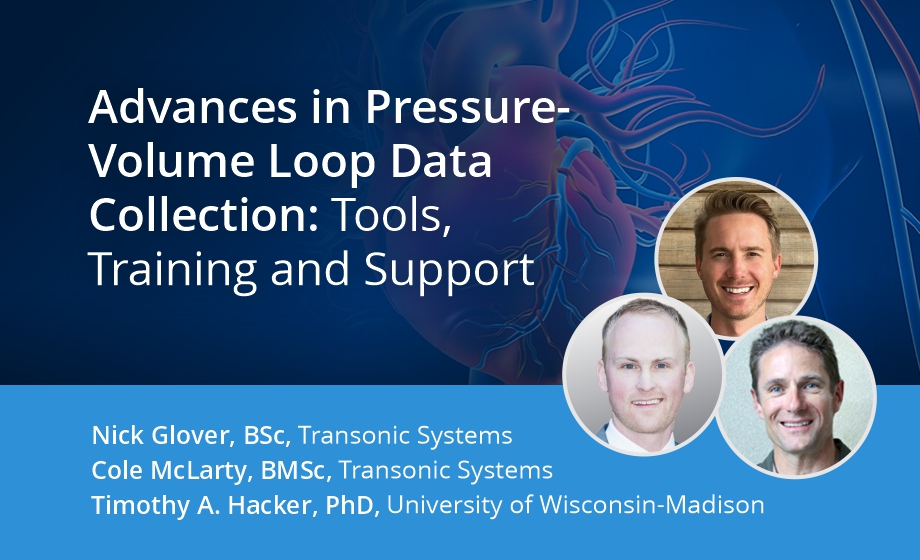
Advances in Pressure-Volume Loop Data Collection: Tools, Training and Support
Join three experts in this technical overview of Pressure-Volume Loop collection and data analysis for cardiovascular research.
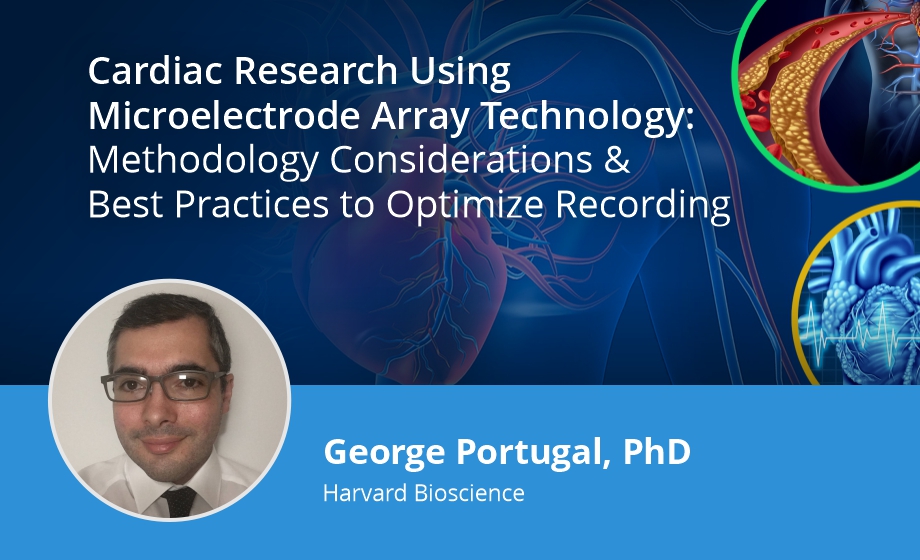
Cardiac Research Using Microelectrode Array Technology: Methodology Considerations and Best Practices to Optimize Recording
Join George Portugal, PhD for an overview of microelectrode array (MEA) technology used for cardiac research and some best practices for integrating this technique into your research.
Vascular-Tubular Crosstalk in the Renin-Angiotensin System
Matthew Sparks, MD, explores the vascular-tubular crosstalk in the renin-angiotensin system that may play a key role in the regulation of pressure natriuresis.
Unlocking Your Clinical Understanding of Post-Acute COVID Syndrome (PACS), Patient Recovery, and Risk of Subsequent Disease
Watch this webinar to learn about the metabolic changes during COVID-19 disease, how these can be accurately tracked and how NMR can improve the clinical understanding of Long-COVID.
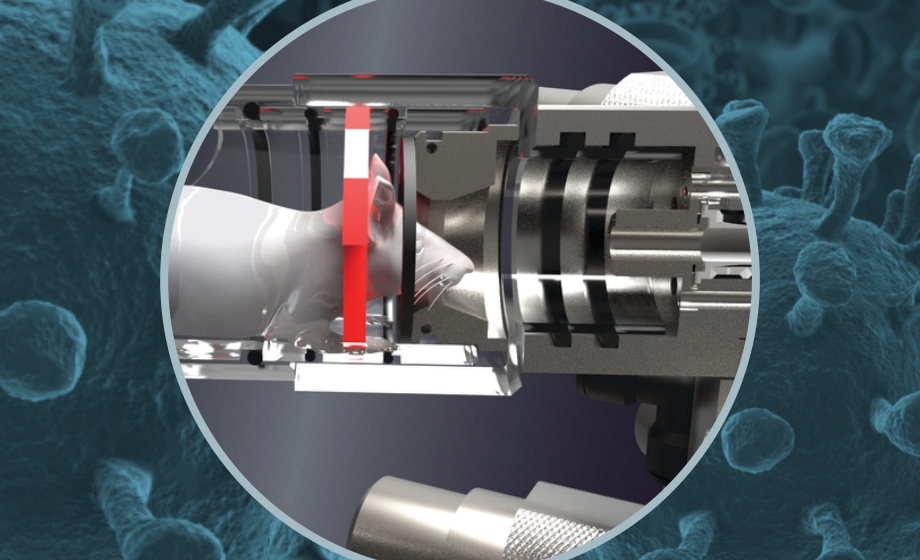
Novel Animal Models and Methods for Studying COVID-19: Golden Hamsters and Aerosolized SARS-CoV-2 Delivery
Experts present two novel animal models of COVID-19 and highlight recent research conducted using these models.
Investigating a Novel Regulator of Atrial Contractility
Dr. David Barefield gives an in-depth discussion on his research investigating the role of the MyBP-HL protein in atrial contractility.
Endothelial Caspase-9 Mediates Inflammatory and Vision Function Changes in Retinal Vascular Injury
Crystal Colón Ortiz, PhD, from the Columbia University Medical Center discusses the inflammatory role of endothelial caspase-9 in neurovascular injury and its contribution to vision changes.
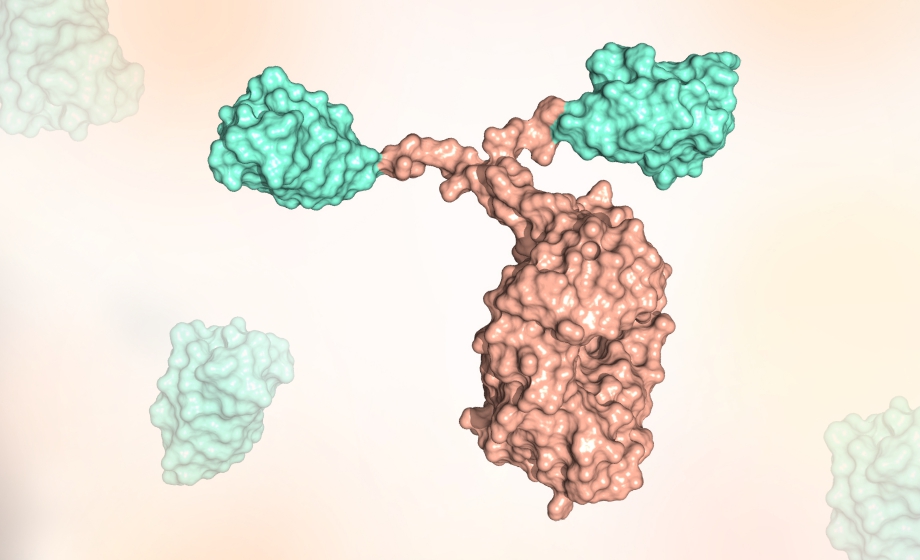
Single-Domain Antibodies: A Promising New Tool for Diagnostic and Therapeutic Research
Dr. Bonnie Lun discusses applications and advantages of using single-domain antibodies for diagnostic and therapeutic research.

Evidence Synthesis for Sparse Evidence Base, Heterogeneous Studies, and Disconnected Networks
Standard models in evidence synthesis work well in settings characterized by a large evidence base, the absence of effect modifiers, and connected networks. Handling sparse data, substantial between-study heterogeneity and disconnected studies, however, poses challenges to researchers and requires advanced methodology.
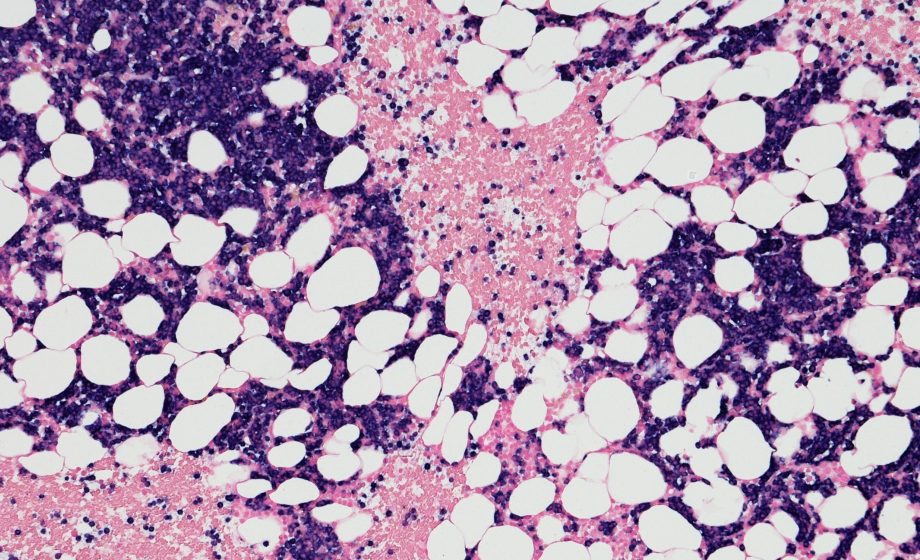
A Novel 3D High Throughput Co-culture System for Multiple Myeloma
During this webinar, Johannes Waldschmidt, MD, and Andreas Thomsen, MD, of the University of Freiburg in Germany, will discuss a 3D co-culture platform for the propagation of primary multiple myeloma cells ex vivo.

The ANY-maze Operant Interface: Running Operant Experiments Using ANY-maze
Trent Lund, PhD, and Flavia Teixeira Silva, PhD, provide an introduction to the ANY-maze Operant Interface as well as a demonstration of the capabilities of the system to perform behavioral experiments.
Optimize Your Value Story Through Integrated Evidence Generation – From Bench to Patient
A panel of experts discuss evidence generation planning to optimize clinical and commercial success and improve patient outcomes.
Using Real-World Data to Explore and Demonstrate Comparative Effectiveness
Dr. Jessica Paulus explores opportunities and challenges with using RWD in conducting comparative effectiveness research.
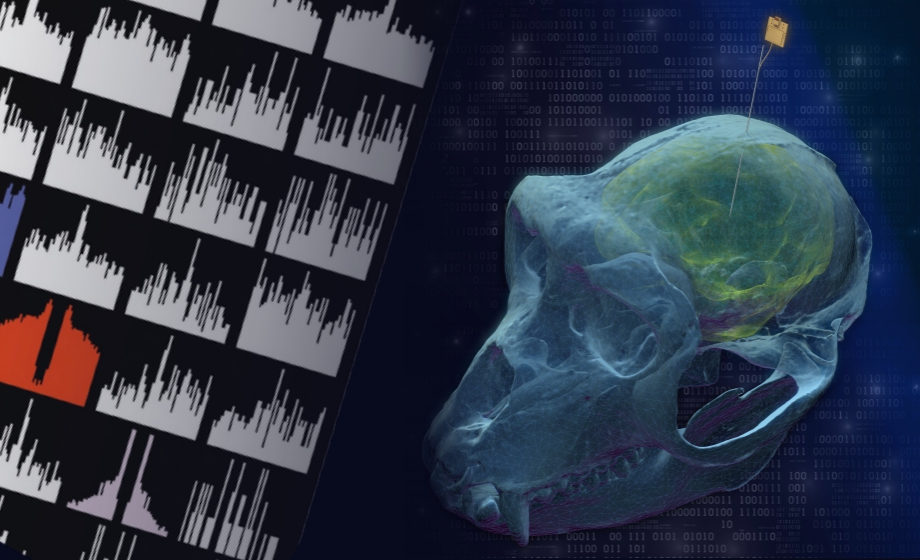
Using High-Density Electrophysiological Recordings to Investigate Neural Mechanisms in Small and Large Animals
Join Drs. Michael Long and Kari Hoffman as they present their work investigating the neural mechanisms of learning, memory, and behavior using high-density silicon probes in small and large animals.
Integration of the HTG Transcriptome Panel into Preclinical and Clinical Programs to Drive Precision Medicine Research
Dr. Peter Ansell discusses the use of novel RNA-based gene expression profiling methods for clinical and preclinical oncology research.
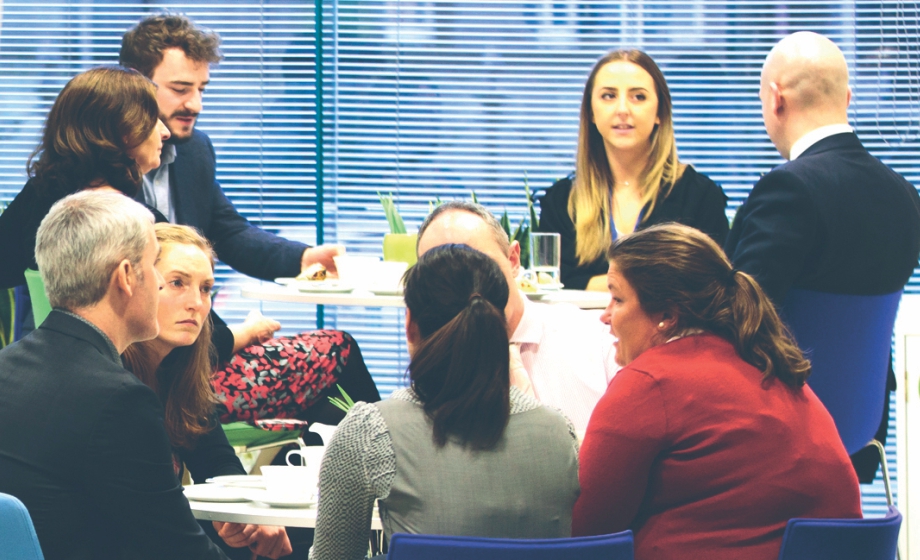
Understanding Health Care Decision Maker Preferences for Optimized Engagement
Hear market research and payer experts explain the best practices and preferences of healthcare decision-makers.
Informing Market Access Earlier in Clinical Development: Prospective RWE Research to Characterize Real World Patient Populations
Join Renee Willmon, MSc as she demonstrates Health Storylines as a disease-agnostic and customizable platform that connects healthcare stakeholders to engaged patients.
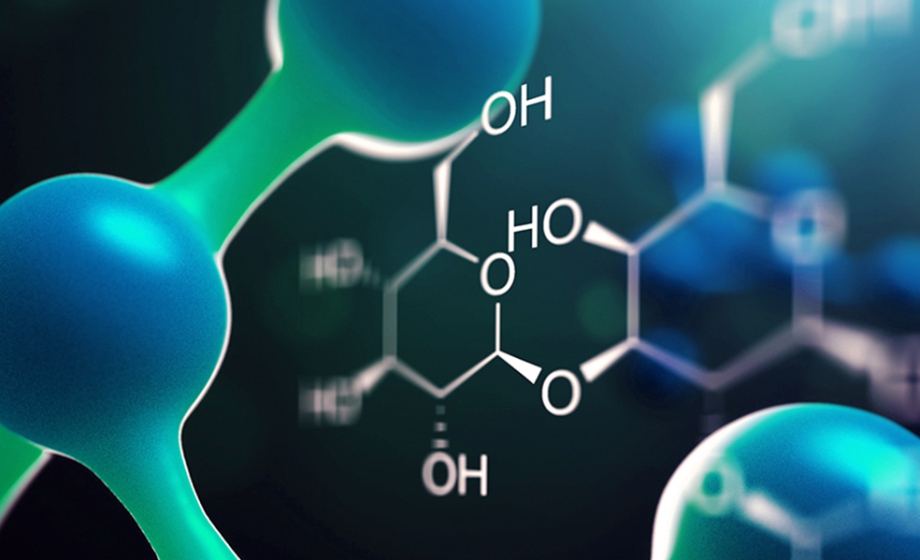
Solving SEC/GPC Limitations with Multi-Angle Light Scattering and Asymmetric-Flow Field-Flow Fractionation
Dr. Stepan Podzimek discusses the limitations of size-exclusion chromatography and how they can be solved using multi-angle light scattering and asymmetric-flow field-flow fractionation.
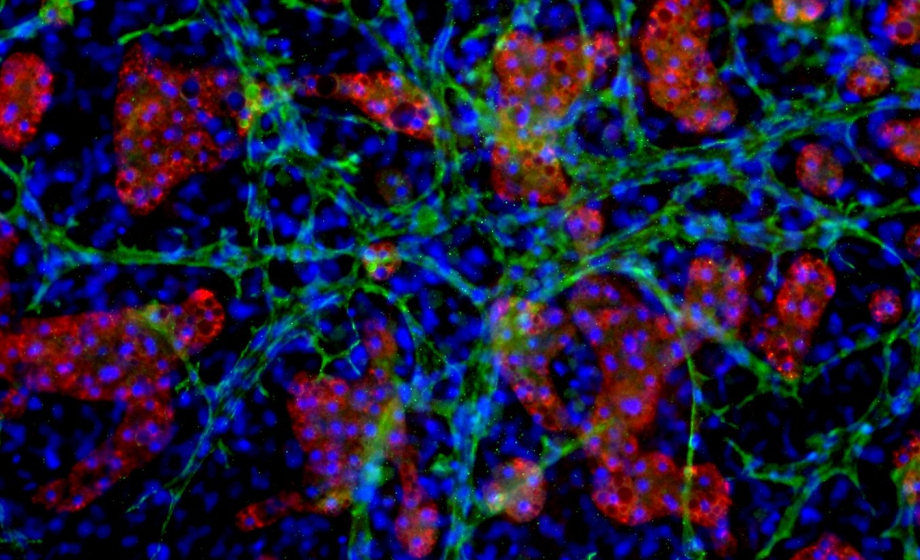
A Novel, All-Human Hepatic Triculture System
Join Edward LeCluyse and Paul Gallant as they offer insight into a novel, all-human hepatic triculture and how this unique system addresses the need for a convenient and human-relevant long-term hepatic culture.