Industry Insights: Behind the Scenes of BPS Bioscience Custom R&D
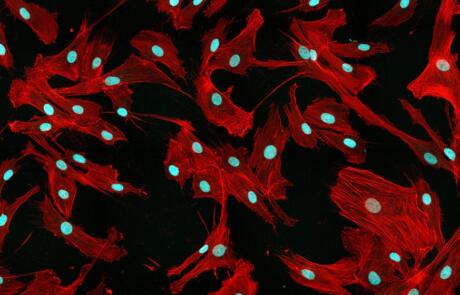
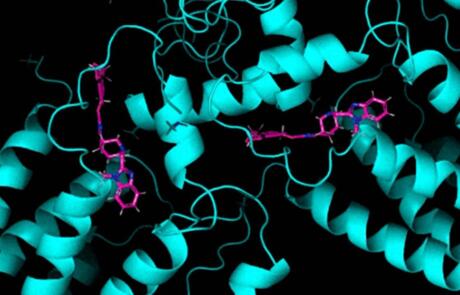
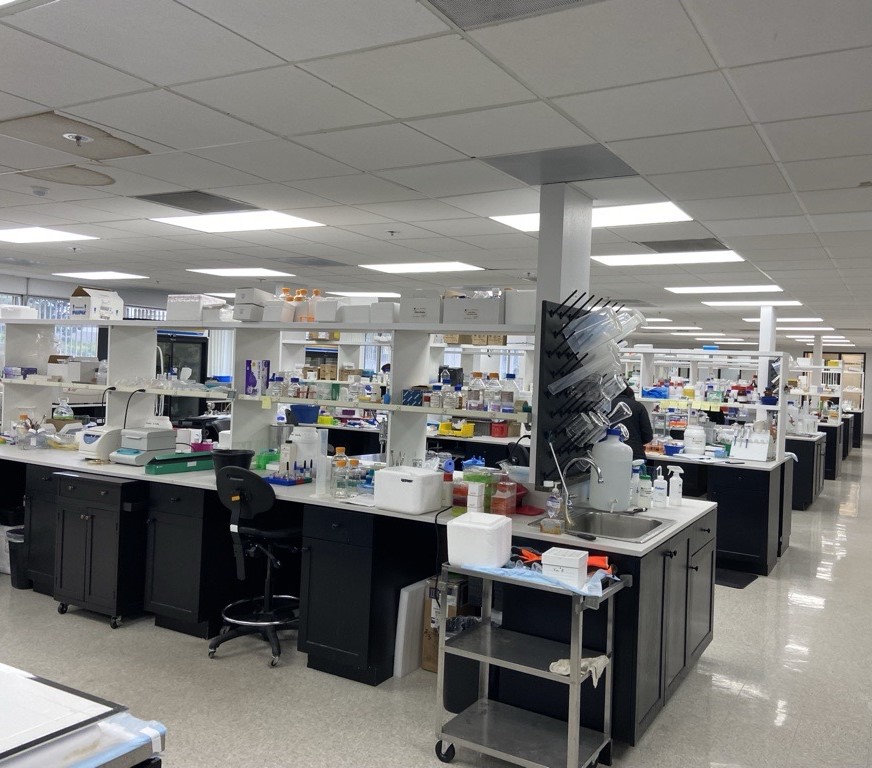
Explore how BPS Bioscience utilizes a scientist-driven, milestone-measured framework to de-risk custom R&D and screening projects for biopharma teams.

Advancing Sarcopenia Research: CUHK Lab Unveils Early NMJ Deficits in Aging with Aurora Scientific’s 1200A
Professor Louis Cheung's lab at CUHK studies sarcopenia—the age-related loss of muscle mass—by pioneering interventions like vibration therapy by utilizing instruments including the Aurora Scientific 1200A system to precisely quantify neuromuscular junction (NMJ) dysfunction. Watch this interview to learn more about these advancements.

Building Bridges in Muscle Research: The Story Behind AMB’s Innovative Approach and Partnership with Aurora Scientific
In this interview, we sit down with Anthony Hessel and Khoi Nguyen, co-founders of Accelerated Muscle Biotechnologies (AMB), alongside Chris Rand from Aurora Scientific, to explore how their partnership is shaping the future of muscle research.

Mapping Genetic Risk for High Cholesterol: A New Diagnostic Resource
An international team of scientists has developed an unprecedented resource mapping nearly 17,000 genetic variants of the LDL receptor gene, a key factor in heart disease risk. This tool aims to help clinicians identify individuals at heightened genetic risk for elevated ‘bad’ cholesterol and enable earlier, more effective prevention and treatment of cardiovascular disease.

Link Between Skin Problems and Severe Mental Health Outcomes Identified in Psychosis Patients
New research reveals that individuals experiencing their first episode of psychosis and skin problems face a higher risk of depression and suicidal thoughts. Learn how this link could help doctors improve mental health care and patient outcomes. Presented at the ECNP meeting in Amsterdam.
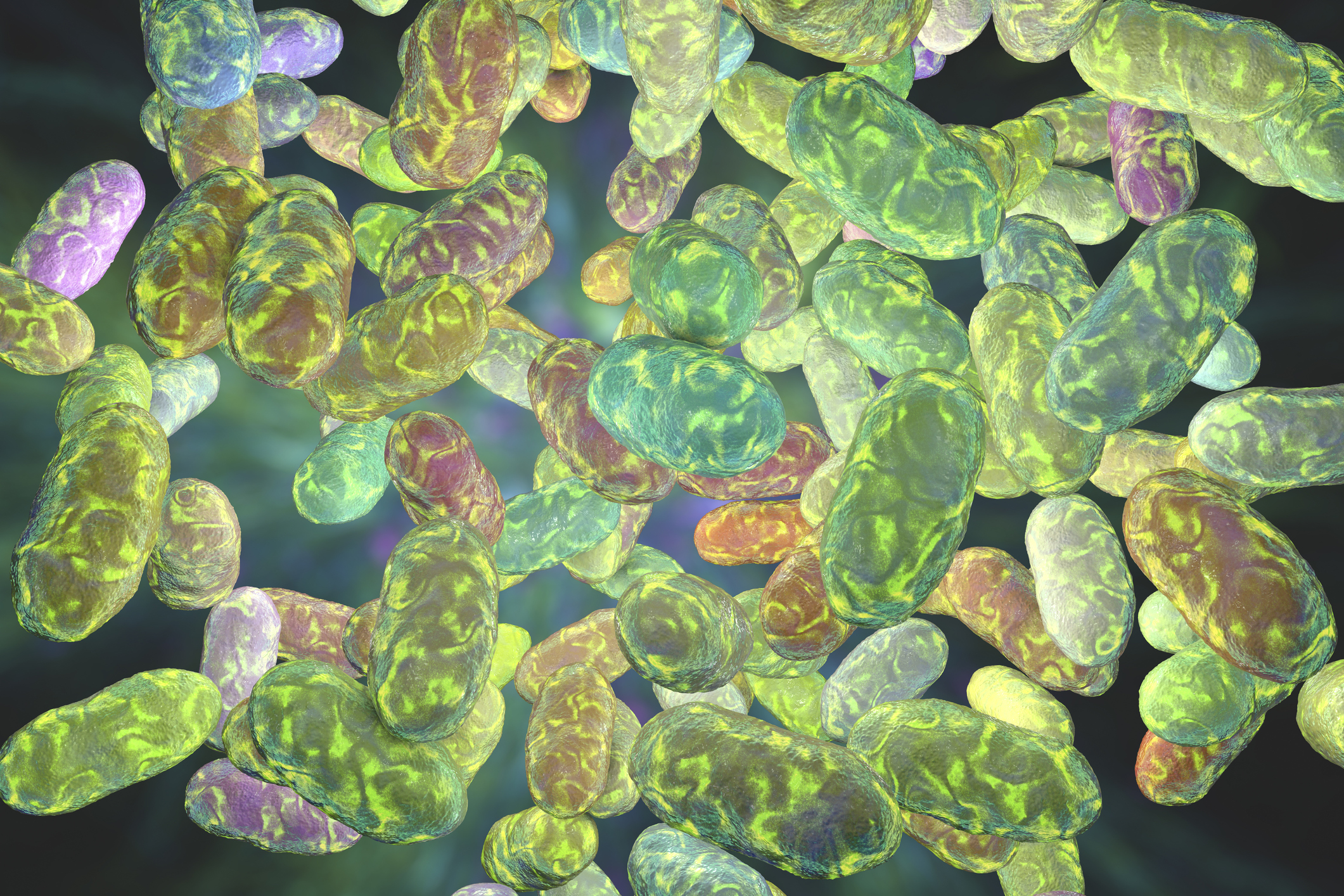
Oral Microbiome as a Biomarker for Pancreatic Cancer Risk
Explore the study by NYU Langone Health revealing how specific bacteria and fungi are linked to a greater risk of pancreatic cancer.

Addressing the Gender Gap in Life Expectancy: A Call for Focused Public Health Initiatives
Discover the factors behind the widening gender gap in life expectancy, with men dying earlier than women. Explore the need for targeted public health initiatives addressing men's health behaviors, structural issues, and preventive care to improve outcomes and close the gap.

Optimizing Macrophage Polarization and Phagocytosis Assays
In this technical note, Lonza introduces a flexible, high-throughput workflow for generating and characterizing macrophage subtypes from cryopreserved PBMCs or CD14⁺ monocytes.

Industry Insights with Henry Zhu and BPS Bioscience
Henry Zhu, CEO of BPS Bioscience, reflects on 20 years of growth, innovation, and the company’s role in advancing drug discovery research.

NIH Launches Study on Maternal Diet and Infant Food Allergy Prevention
The NIH launched a study to explore if maternal consumption of peanuts and eggs during pregnancy and breastfeeding can prevent infant food allergies, with results anticipated in 2029.

New Strategy to Target Minor Splicing Shows Promise in Cancer Treatment
Researchers at WEHI have identified a new approach to combat aggressive cancers by inhibiting minor splicing, effectively reducing tumor growth and activating cancer cell death pathways.

Integrating Tumor Microenvironment into Cancer Therapy Development
Read about the importance of considering the TME's complex dynamics, the role of cancer-associated fibroblasts, and the need for innovative preclinical models and interdisciplinary collaboration to revolutionize cancer treatment.

Novel Anti-Obesity Drug Tirzepatide Shows Promise in Reducing Breast Cancer Growth
Discover how tirzepatide, an anti-obesity medication, shows promise in reducing breast cancer growth in obese mice, potentially improving outcomes for patients.

Centaur: A Controversial Leap Towards Simulating Human Cognition
Read about the debate surrounding Centaur, an AI model claimed to simulate human behavior, as experts weigh its potential and limitations in advancing cognitive science.

Unique Breathing Patterns: A New Frontier in Personal Identification and Health Monitoring
This groundbreaking study reveals that individual breathing patterns can uniquely identify people with remarkable accuracy, offering new insights into physical and mental health.

The Link Between Mitochondrial Genetics and Immune Checkpoint Therapy in Melanoma
Discover how mitochondrial genetics influence the effectiveness of immune checkpoint inhibitors in treating melanoma, offering insights for personalized cancer therapies and potential new treatment avenues.
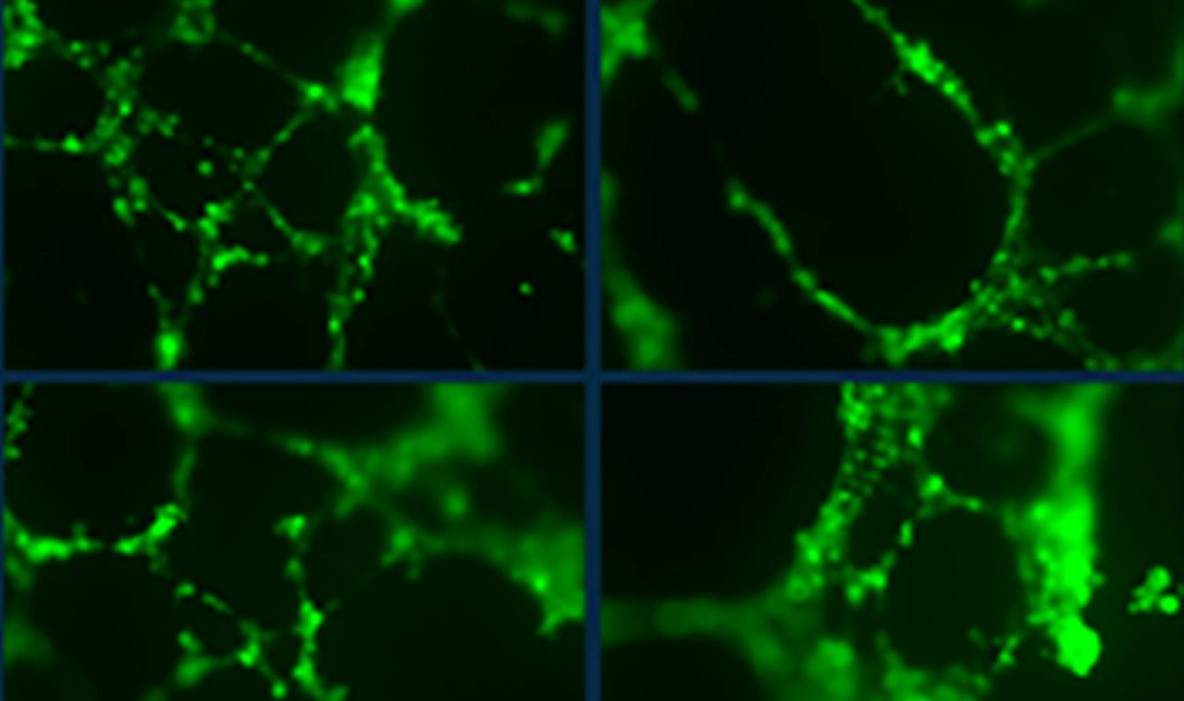
Modeling Angiogenesis in Real Time – A Qualitative, Real-time, In-vitro Tube Formation Assay
Lonza demonstrates the successful development of a tube formation assay using their primary human umbilical vein endothelial cells that can be used to visualize angiogenesis in real-time.

When Smoke Gets in Your Brain: Wildfires and the Lung-Brain Axis
Learn how combustion products from wildfires penetrate the brain, disrupt the blood-brain barrier, and cause persistent inflammation, with researchers also examining the reproductive toxicity and epigenetic risks associated with smoke exposure.

Piezo1 Protein: A Key Player in Gut Motility and Inflammation Regulation
Discover how the Piezo1 protein in intestinal neurons influences gut motility and inflammation, offering new insights and potential therapies for conditions like IBD.

Why Women Experience Higher Rates of Chronic Pain than Men
This study uncovers sex-specific mechanisms of chronic pain, highlighting hormone differences that may lead to more personalized and effective treatments for women.

Matchmaking for Heart Cells – Mechanisms Behind Heart Cell Pairing
Researchers at the NIH have created a 4D brain map using a marmoset model to uncover early lesion development in multiple sclerosis, potentially advancing treatment strategies and understanding of brain injuries.

Innovative Brain Map Uncovers Potential Key Players in Multiple Sclerosis Progression
Researchers at the NIH have created a 4D brain map using a marmoset model to uncover early lesion development in multiple sclerosis, potentially advancing treatment strategies and understanding of brain injuries.
Talking Real Science with Yelena Akelina
This episode of Share Science features Yelena Akelina, DVM, MS, a Research Scientist and a Co-Director/Instructor in Clinical Microsurgery at the Microsurgery Research and Training lab at the Department of Orthopaedic Surgery, Columbia University.

Understanding Sex Differences in Stress Response
This study by UF Health reveals sex-specific differences in stress responses linked to the neurosteroid allopregnanolone, offering insights for developing personalized treatments for stress-related disorders.

New Study into UTI-Induced Bladder Hypersensitivity Offers Hope for Improved Treatments
Discover new research on how urinary tract infections (UTIs) trigger bladder nerve hypersensitivity, causing painful symptoms and frequent urination, and how potential treatment advancements might be on the horizon.