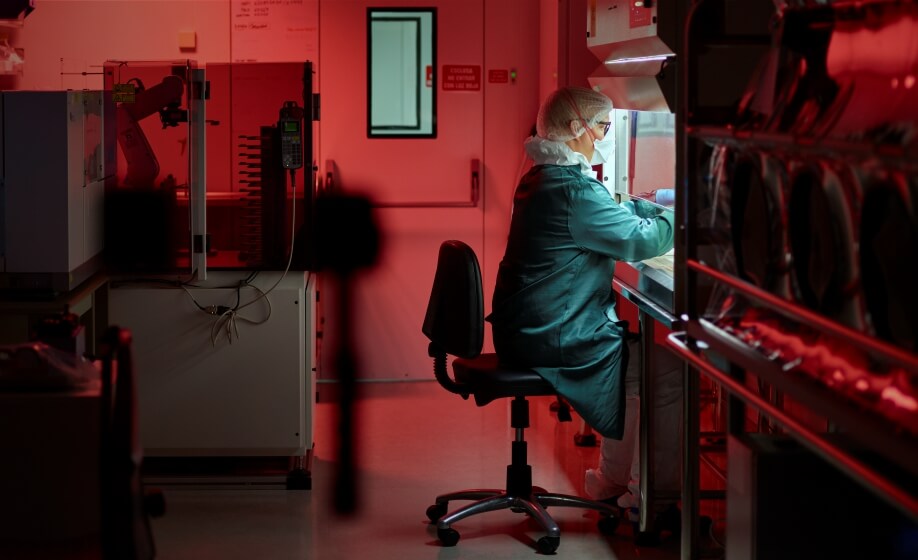
Case Studies in Home Cage Monitoring: Rodent Behavior, Circadian Biology and Animal Welfare
Joanna Moore and Kenneth Dyar present applications of the DVC® system from different research perspectives and discuss how home cage monitoring can be used to study animal model development, physiology and behavior
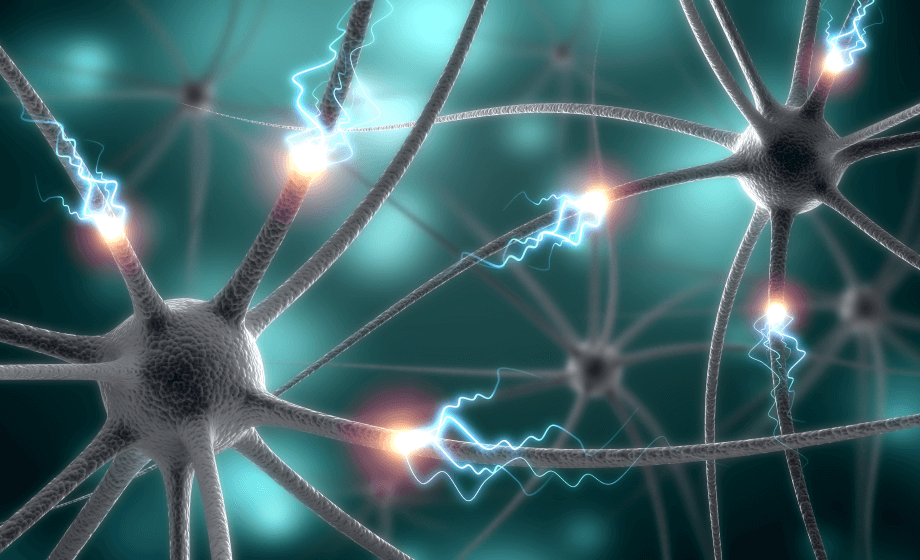
The Brain as a Whole: Executive Neurons and Sustaining Homeostatic Glia
Carl Petersen and Alexei Verkhratsky share their research on homeostatic neuroglia and imaging of neuronal network function.
#ExpertAnswers: Artem Shatillo & Zsolt Lenkei on Functional Ultrasound Imaging
Experts discuss how functional ultrasound imaging in awake head-fixed mice can help advance basic neuroscience and neurovascular research, as well as preclinical drug discovery.
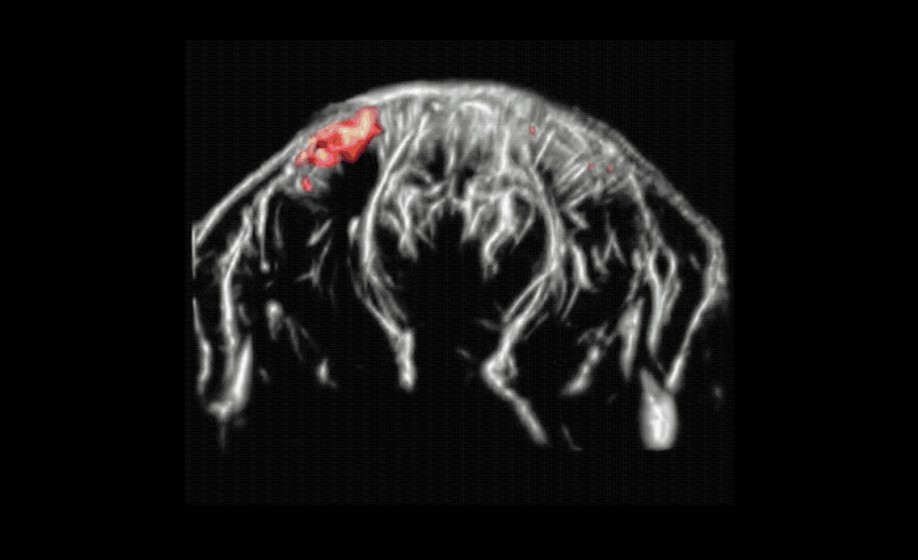
Functional Ultrasound (fUS) Imaging in the Brain of Awake Behaving Mice
Experts discuss how functional ultrasound imaging in awake head-fixed mice can help advance basic neuroscience and neurovascular research, as well as preclinical drug discovery.
#ExpertAnswers: John Hasenau and Stefano Gaburro on Biosafety in Animal Modeling
John Hasenau and Stefano Gaburro answer questions from a webinar where they discuss current biosafety requirements and what home cage monitoring can teach us in bioexclusion and biocontainment studies.
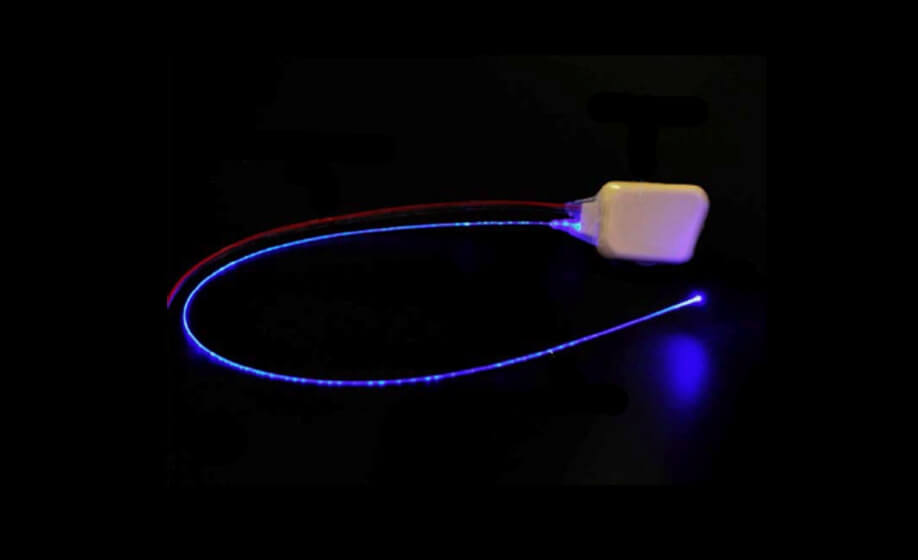
Optogenetics Telemetry – Shining a Light on Long-Term Optogenetic Stimulation with Telemetry
Dr. Sarah-Jane Guild provides an introduction to optogenetics, discusses the advantages of implantable optogenetics telemetry and reviews data collection using the Kaha Sciences Optogenetics system.
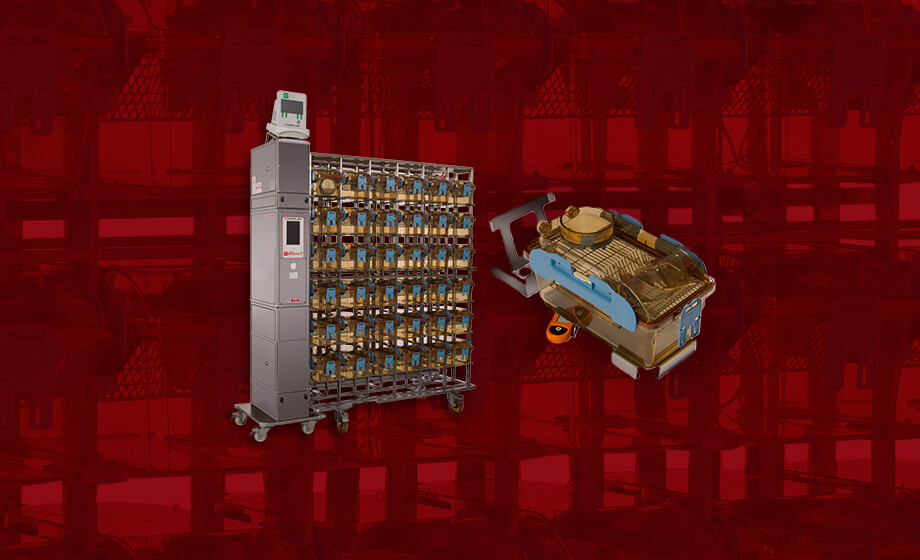
Improving Animal Modeling with 24/7 Home Cage Monitoring in Bioexclusion & Biocontainment Mouse Housing Systems
Experts discuss current biosafety requirements and what home cage monitoring can teach us in bioexclusion and biocontainment studies.
The Use of Home Cage Monitoring to Determine Whether Individual Male Mouse Activity Patterns Correlate With Nest Complexity
It is well established that nesting materials are an important inclusion for mouse cages. We wanted to determine whether there was a significant difference in mice activity when offered three different material choices and whether there was any correlation between activity in the cage and nest complexity.

Locomotor Activity: refinement, reduction and replicability ‘round the clock in animal studies
A growing body of evidence suggests that Home Cage Monitoring studies are becoming key tools for in vivo animal research for three main reasons: reduction in animal distress thereby increasing welfare, minimization of biases (wanted and unwanted), and increased reproducibility of data.
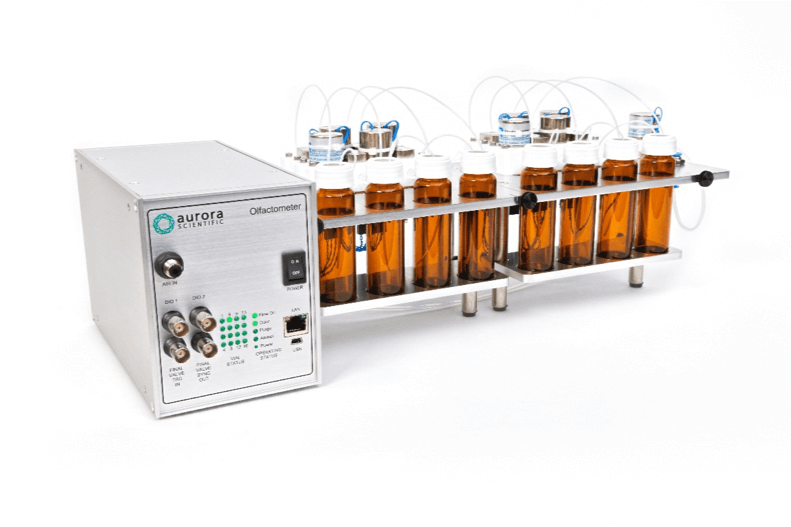
Odor delivery with the 220A Olfactometer from Aurora Scientific
Chris Rand discusses the updated 200A Olfactometer from Aurora Scientific. He walks through setting up the system before sharing best practices, all while demonstrating the integral functions of the system.
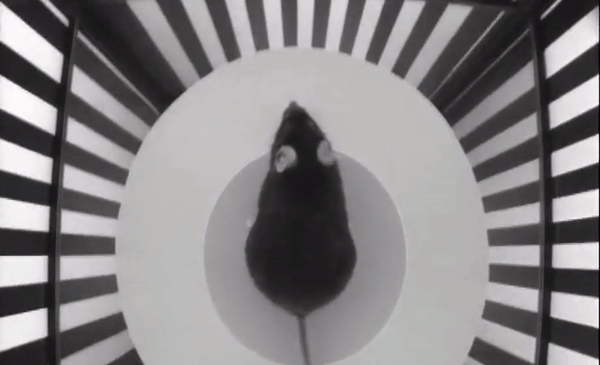
Measuring Visual Acuity and Contrast Sensitivity by Optomotor Reflex in Rodents
Experts discuss case studies and experimental data from various applications using a newly developed automated system to measure vision based on the optomotor reflex.
#ExpertAnswers: John Cirrito & Candace Rhode-Johnson on Micro-dialysis and Neuroscience
In this episode of Expert Answers, John Cirrito and Candace Rhode-Johnson discuss the use of a novel movement responsive rodent caging system.
#ExpertAnswers: Konrad Juczewski and Mary Ann Go on Place Cell Mapping and Stress Monitoring
Konrad Juczewski and Mary Ann Go discuss 2-photon imaging of hippocampal place cells and on stress monitoring in head-fixed, awake and behaving mice.
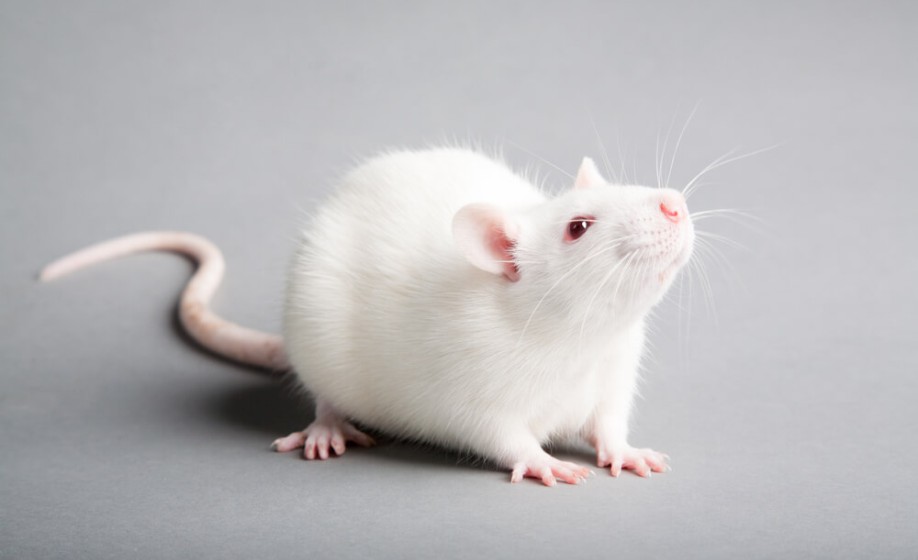
Turn Away from Traditional Tethering and Towards a Better Method for Data Collection
Experts discuss the use of a novel movement responsive rodent caging system as a means to minimize animal stress and enable unique discovery in many research applications, namely neuroscience, animal behaviour, drug discovery and cardiometabolic disease.
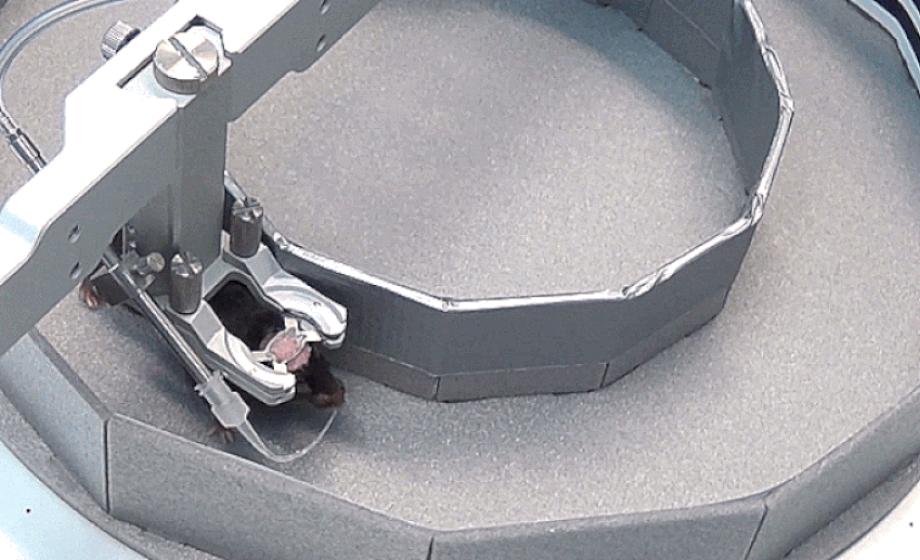
Place Cell Mapping and Stress Monitoring in Head-Fixed Mice Navigating an Air-Lifted Homecage
Scientists present data on 2-photon imaging of hippocampal place cells and on stress monitoring in head-fixed awake behaving mice.
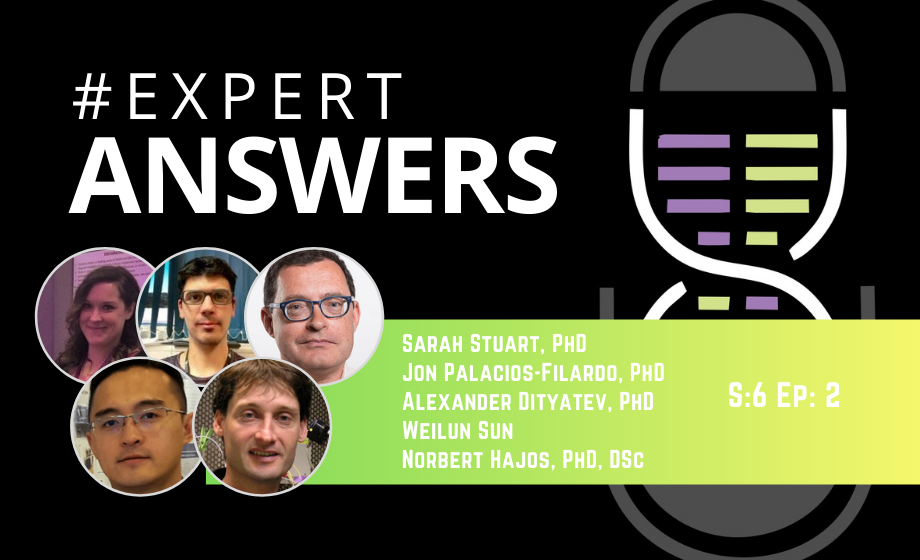
#ExpertAnswers: Sarah Stuart, Jon Pacios-Filardo, Alexander Dityatev, Weilun Sun, and Norbert Hájos on Neurophysiology
Five experts from the University of Bristol, the German Center for Neurodegenerative Diseases, and the Hungarian Academy of Sciences answer questions from a webinar where they present methodology and research findings from neurophysiological studies in head-fixed, behaving mice.
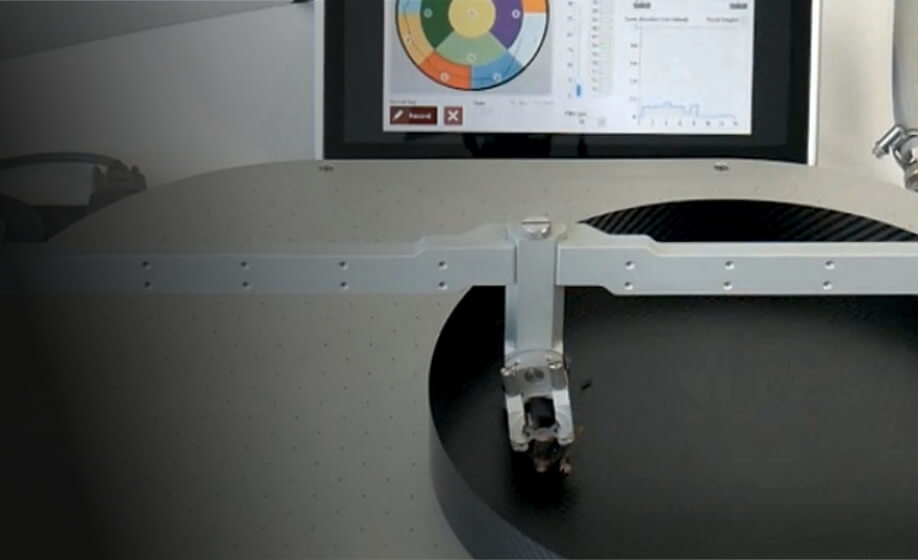
Single-Cell Electrophysiology and 2-Photon Imaging in Awake Mice with 2D-Locomotion Tracking
Scientists present case studies featuring single-cell electrophysiology and 2-photon microscopy in head-fixed, behaving mice.
How to Synchronize Participant Video With Physiology Data
An essential webinar for scientists interested in recording synchronized video with physiological measurements in human or animal research applications.
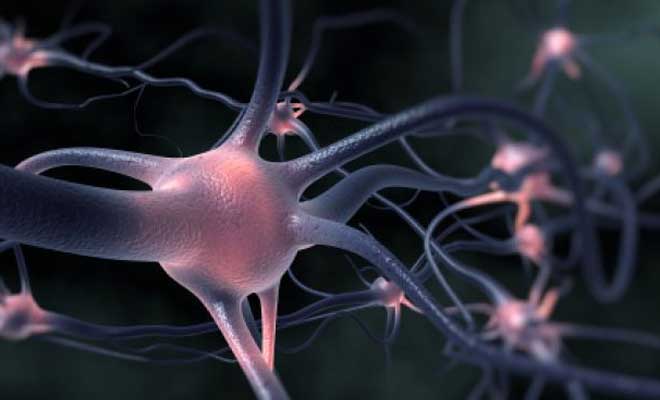
In Vivo Research Approaches in the Study of Neurological Disease and Psychiatric Disorders
According to the WHO, 1 in 4 people will be affected by mental illness or a neurological disorder at [...]