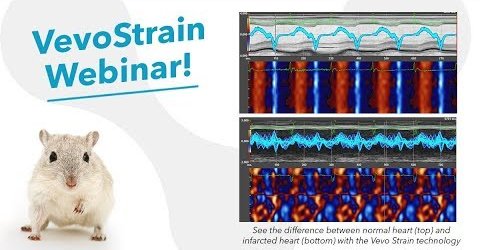
WEBINAR REVIEW: Understanding Subtle Cardiac Changes by Fujifilm VisualSonics
In October 2017, VisualSonics hosted an interesting webinar about using speckle-tracking echocardiography as a clinical indicator for heart strain.
#ExpertAnswers: Clive May and Yugeesh Lankadeva on Measuring Tissue Perfusion
Clive May and Yugeesh Lankadeva present groundbreaking research in models of Acute Kidney Injury, and the methods used to gather these insights using the latest in fibre optic sensing technology to obtain dissolved oxygen and microvascular blood perfusion at the tissue level.
#ExpertAnswers: Carlos Del Rio & Megan Fine on Telemetry and Ultrasound
In this episode of Expert Answers, Carlos Del Rio, PhD and Megan Fine, DVM discuss a novel method of recording serial measurements of cardiac function in rodents.
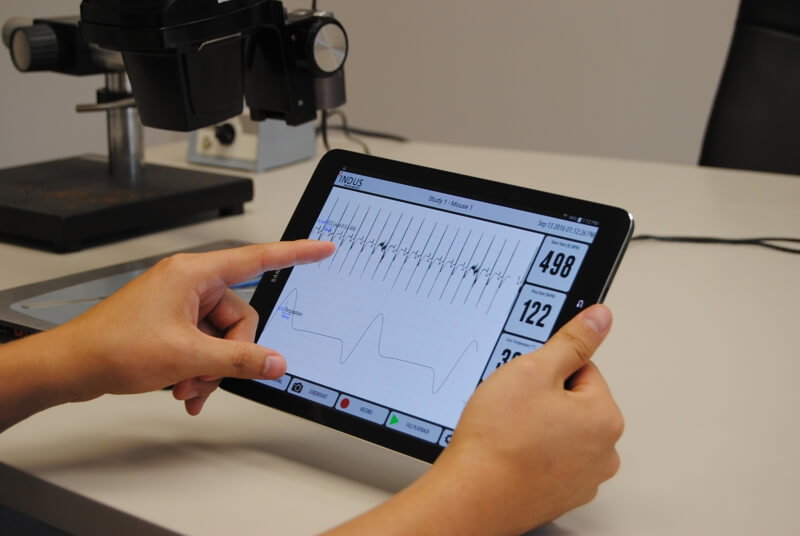
WEBINAR REVIEW: A Scientific Discussion of the Advancements in Rodent Surgical Monitoring
On January 15, 2014, InsideScientific and Indus Industries hosted a webinar about the importance of multimetric surgical monitoring to ensure survival rate and more consistent results.
#ExpertAnswers: Jay W. Mason & Mike Gralinski on ECG Interval and Arrhythmia Assessment
In this episode of Expert Answers, Dr. Jay W. Mason and Mike Gralinski review advances in ECG safety assessment.
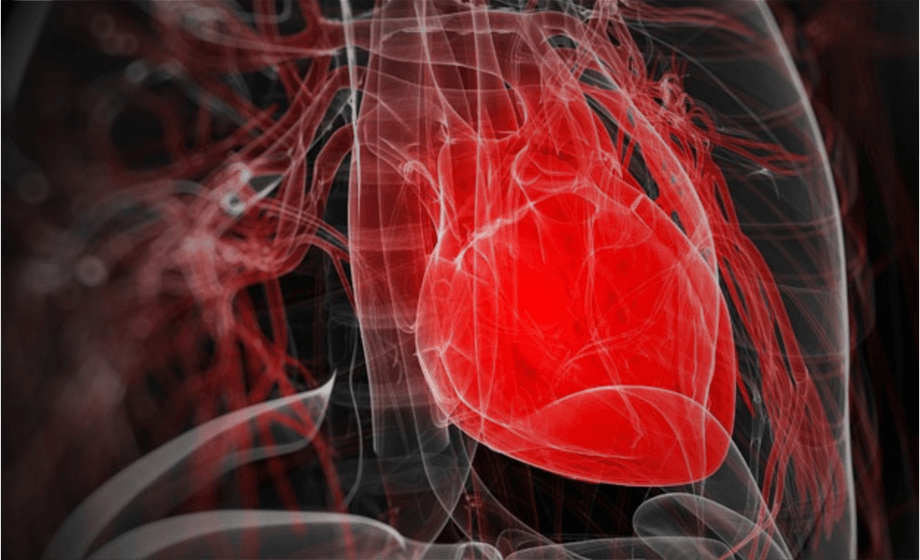
Combining Telemetry and Ultrasound for Serial Investigation of Cardiovascular Function in Rats
Experts discuss a novel method of recording serial measurements of cardiac function in rodents using high-resolution ultrasound paired with implantable telemetry.
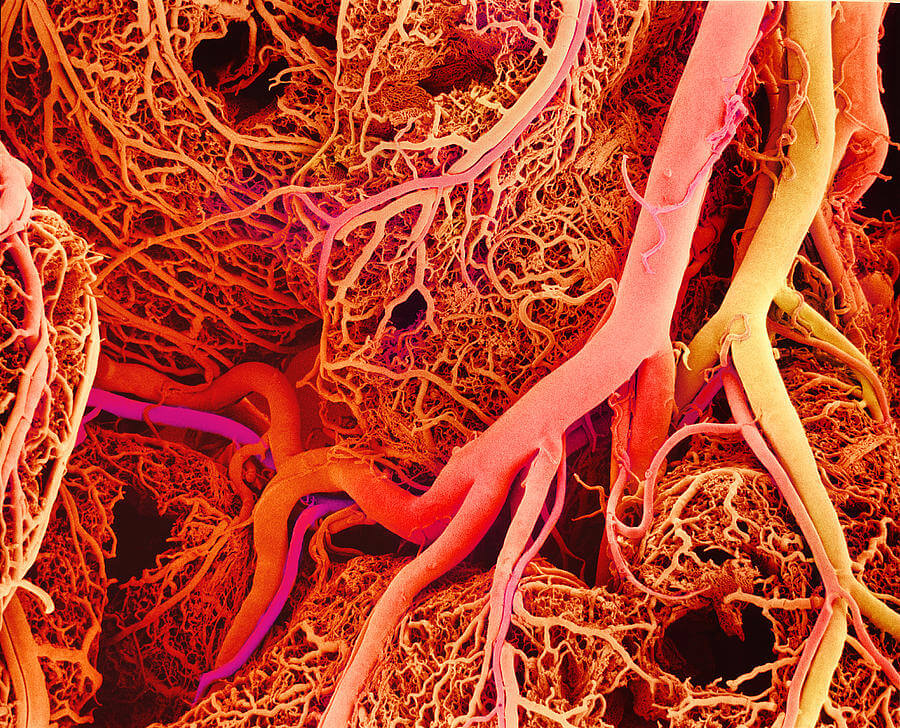
Measuring Tissue Perfusion and PO2 in Conscious Animals to Investigate Organ Failure
Experts present new, ground breaking research using the latest in fibre optic sensing technology to obtain dissolved oxygen and microvascular blood perfusion in models of Acute Kidney Injury (AKI).
Improving Preclinical and Clinical Regulatory Submissions Through Enhanced ECG Interval and Arrhythmia Assessment
Experts in preclinical and clinical ECG safety assessment discuss how advances in arrhythmia detection and concentration effects modelling improve study outcomes.
#ExpertAnswers: Thomas Smith on Blood Pressure Measurements
Thomas Smith discusses the fundamentals of invasive blood pressure measurements for pre-clinical research.
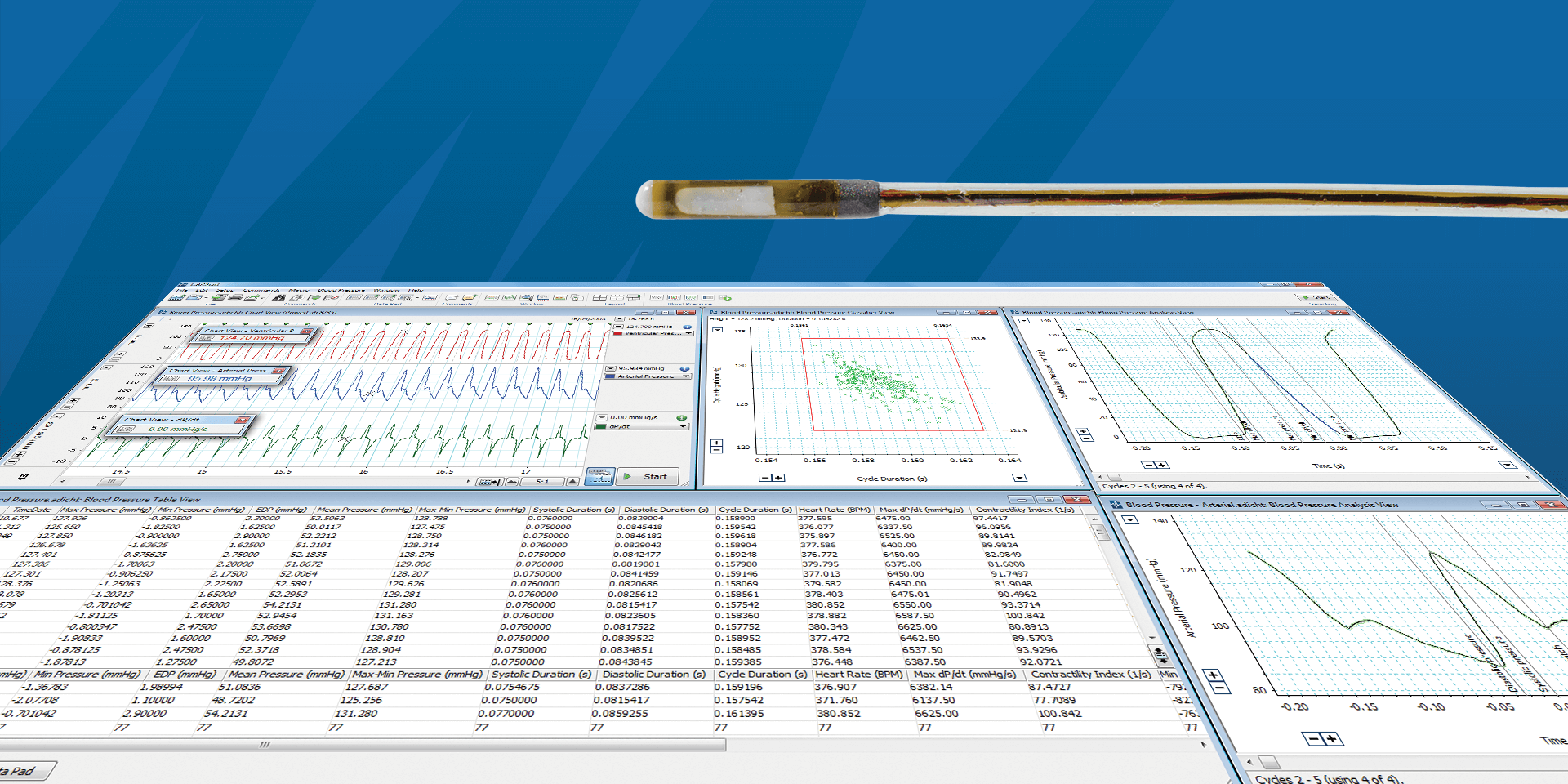
Invasive Blood Pressure: fundamentals and best-practices for preclinical research
Tom Smith presents the fundamentals of invasive blood pressure measurements for preclinical research, including technical considerations and best-practices that lead to accurate and consistent results.
Preclinical Cardiovascular Science 2018
A webinar series focused on advances in technology, experimental design and laboratory methods in preclinical cardiovascular research.
#ExpertAnswers: Emma Karey and John Woollard on Heart Rate Variability
Emma Karey and John Woollard discuss heart rate variability as a tool for studying disease in animal models.
#ExpertAnswers: Michiel Helmes on Analyzing Cardiac Myocytes
Michiel Helmes discusses new technology and methodology for fast data acquisition and functional analysis of cardiac myocytes.
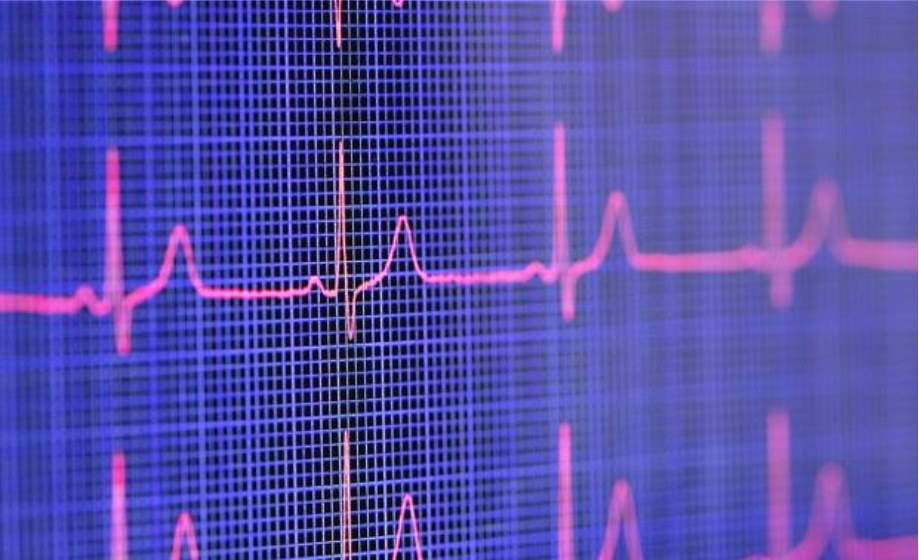
Utilizing Heart Rate Variability (HRV) for Preclinical Evaluation of Cardiovascular Function & Related Disease
Scientists discuss the value and utility of heart rate variability (HRV) as a preclinical tool for studying both cardiovascular, and non-cardiovascular related diseases in small and large animal models.
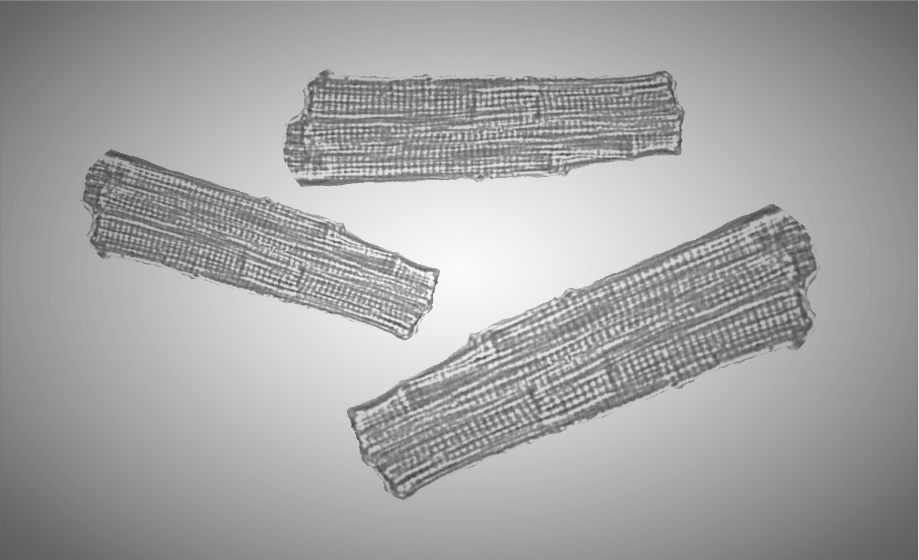
High Throughput Investigation of EC Coupling in Isolated Cardiac Myocytes
Learn about new technology and methodology for fast data acquisition and analysis of cardiomyocyte function, leading to better lab practices and data interpretation.
#ExpertAnswers: Tonya Coulthard and Anilkumar Reddy on Blood Flow Velocity
Tonya Coulthard and Anilkumar K. Reddy discuss specific questions about best practices and how to apply noninvasive blood flow velocity measurements.
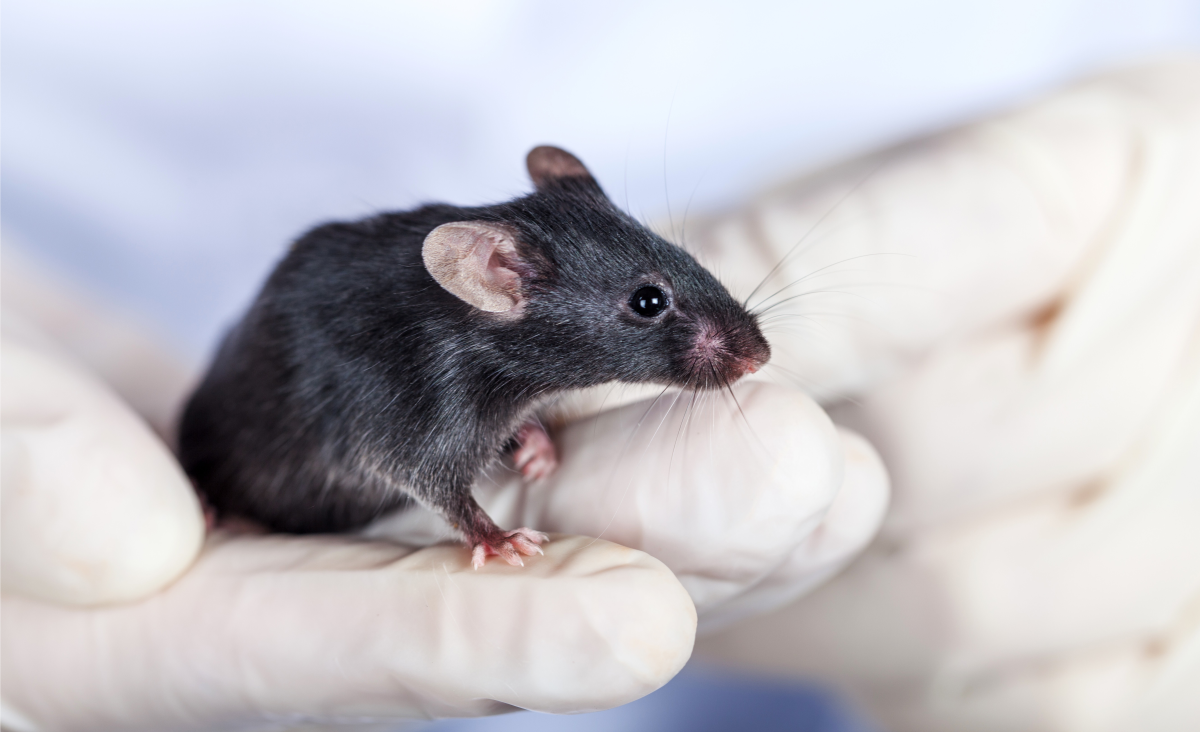
Doppler Flow Velocity Measurements for Cardiovascular Research
A special Question & Answers webinar for cardiovascular researchers interested in learning how to apply and master the use of noninvasive blood flow velocity measurements to study cardiovascular function in rodents.
#ExpertAnswers: Anilkumar Reddy on Blood Flow Velocity and Cardiac Contractility
Anilkumar Reddy discusses how to use noninvasive blood flow velocity measurements to quantify cardiac contractility as a surrogate to +dP/dtmax.
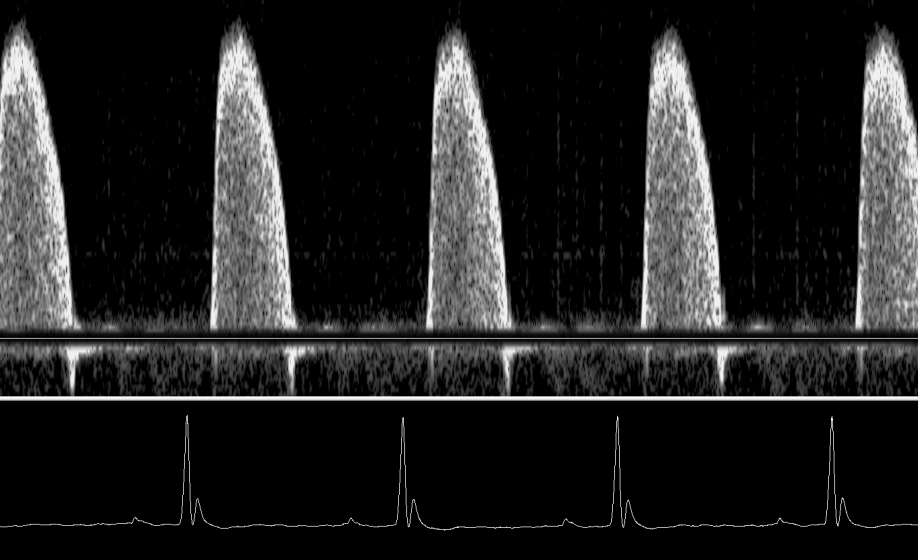
A Noninvasive Alternative to +dP/dtmax: Peak Aortic Blood Acceleration
A webinar for cardiovascular researchers interested in using noninvasive blood flow velocity measurements to quantify cardiac contractile and relaxation function in rodents.
#ExpertAnswers: Walter Habenbacher and Frazer Findlay on Noninvasive Blood Pressure Monitoring
Walter Habenbacher and Frazer Findlay discuss the fundamentals of noninvasive blood pressure (NIBP) monitoring and present new capabilities through the integration of NIBP technology and physiological recording systems.
#ExpertAnswers: Anilkumar K. Reddy on Noninvasive Blood Flow Velocity Measurements
Anilkumar K. Reddy discusses noninvasive blood flow velocity measurements to quantify changes in hemodynamics and characterize cardiac disease without the need for complex surgery or imaging.
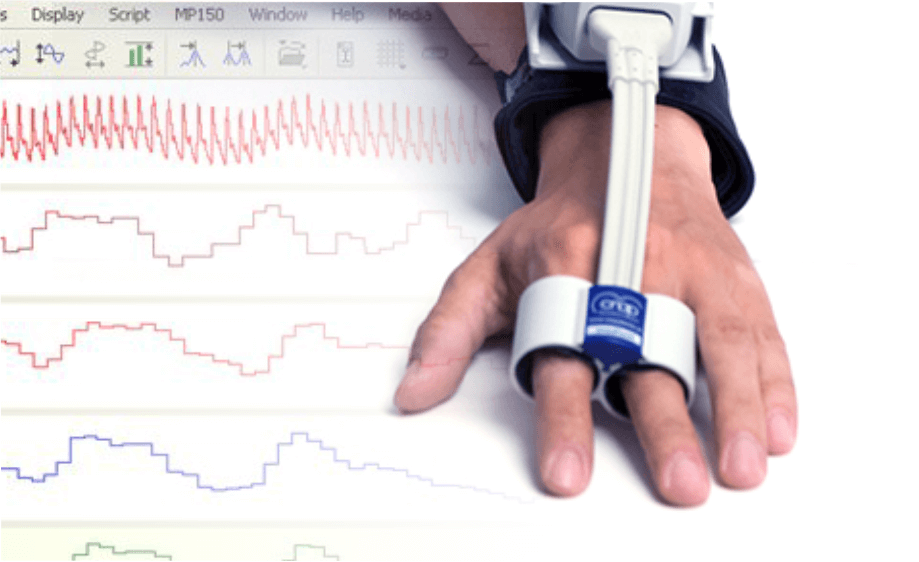
Integrating Noninvasive Blood Pressure Monitoring with Human Physiology Measurements
Experts discuss the fundamentals of real-time, beat-to-beat noninvasive blood pressure (NIBP) monitoring and present new research capabilities enabled through the integration of NIBP technology and physiological recording systems.
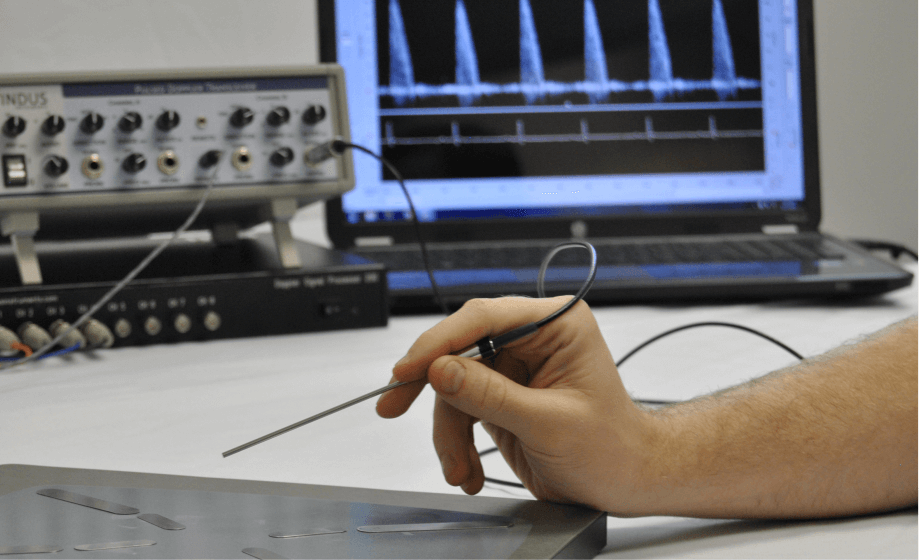
Utilizing Noninvasive Blood Flow Velocity Measurements for Cardiovascular Phenotyping in Small Animals
Learn how to quantify changes in hemodynamics using noninvasive blood flow velocity techniques without the need for complex surgery or imaging.
#ExpertAnswers: Trevor Day on the Effects of Tilt, Exercise and High Altitude
Trevor Day discusses the effects of tilt, exercise and high altitude on human cardiorespiratory and autonomic nervous systems.

Mountain Lab: studying the effects of stress and extreme conditions on human physiology
A webinar discussing the effects of tilt, exercise and high altitude on human cardiorespiratory and autonomic nervous systems, as studied in traditional laboratory settings and on location during a trek to Everest Base Camp.