The MRL/MpJ Mouse Strain Is Not Protected From Muscle Atrophy And Weakness After Rotator Cuff Tear
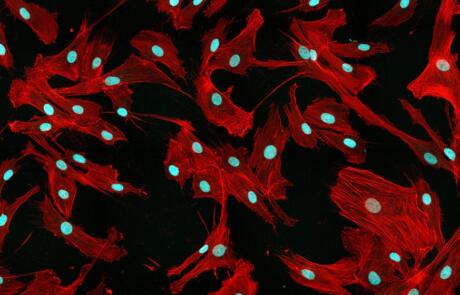
The MRL/MpJ mouse strain has been touted as a "superhealer" although different tissues have previously displayed different levels of healing ability. We sought to test that ability in skeletal muscle.

ULK2 is Essential for Degradation of Ubiquitinated Protein Aggregates and Homeostasis in Skeletal Muscle
Jordan Fuqua discusses how autophagy and proteolytic processes are regulated in skeletal muscle, specifically looking at ULK1 and ULK2 and their roles in maintaining skeletal muscle homeostasis, morphology, protein aggregate degradation and autophagy.
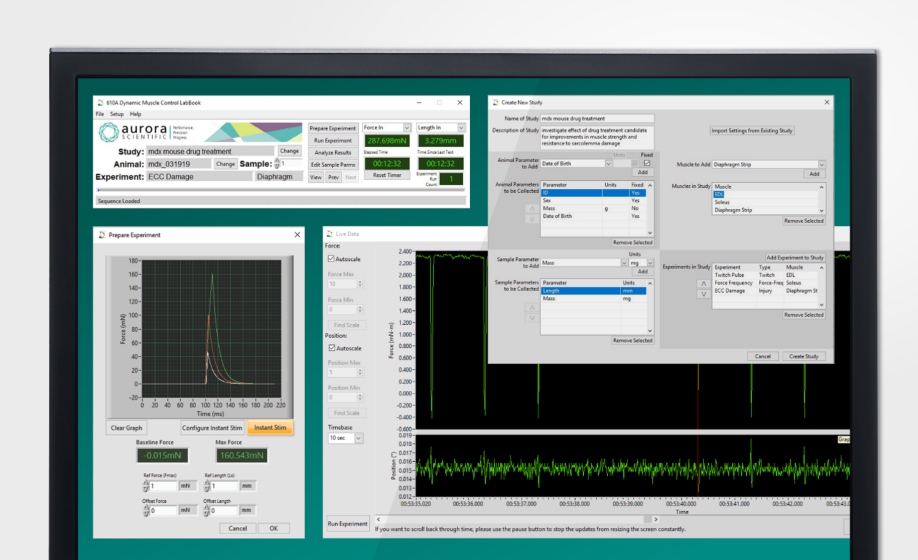
Organize and Streamline Data Collection with DMC LabBook
Matt Borkowski of Aurora Scientific discusses the latest software update for their Dynamic Muscle Control and Analysis Software, DMC LabBook

#ExpertAnswers: Keshari Thakali and Aaron Stupica on Maternal Obesity Effects on Offspring
Dr. Keshari Thakali from the University of Arkansas for Medical Sciences and Aaron Stupica from DMT answer questions from a [...]

#ExpertAnswers: Brandon Bucher on Data Acquisition and Analysis
Brandon Bucher answers questions from a webinar sharing best practices, technical considerations and expert advice on how to avoid common data acquisition system and data analysis mistakes in order to produce higher quality data.
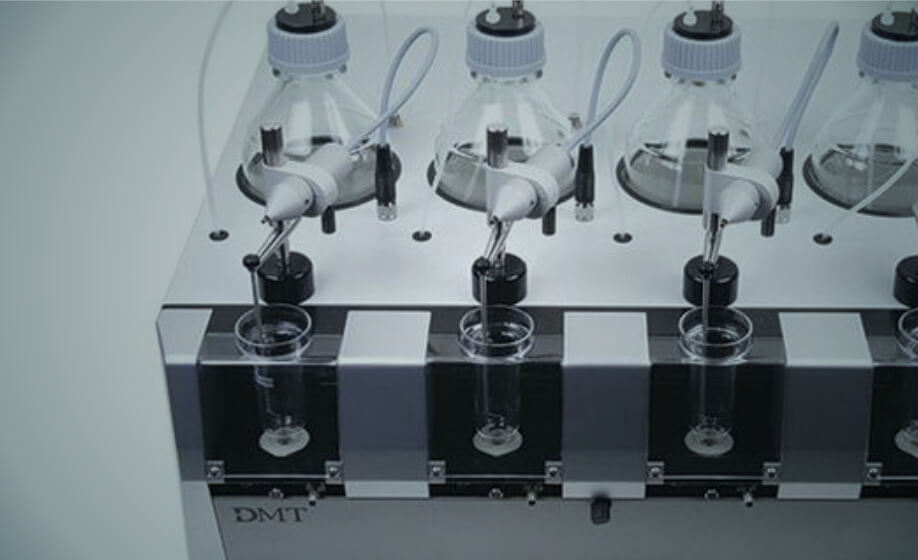
Studying Smooth and Striated Muscle Function Using Advanced Tissue Bath Systems
Aaron Stupica and Keshari Thakali discuss techniques tissue bath myography and present a unique case study looking at the effect of maternal obesity on offspring perivascular adipose tissue and vascular function.
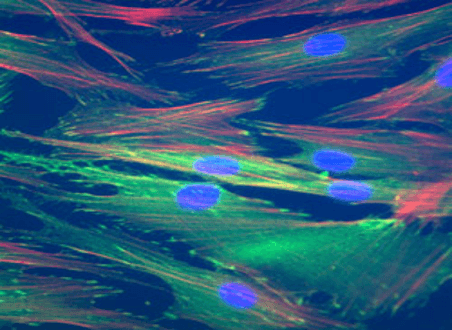
WEBINAR REVIEW: How to Study the Structural and Functional Properties of Tendon
In this webinar, Dylan Sarver and Matthew Borkowski present new research in tendon physiology and demonstrate how to measure [...]
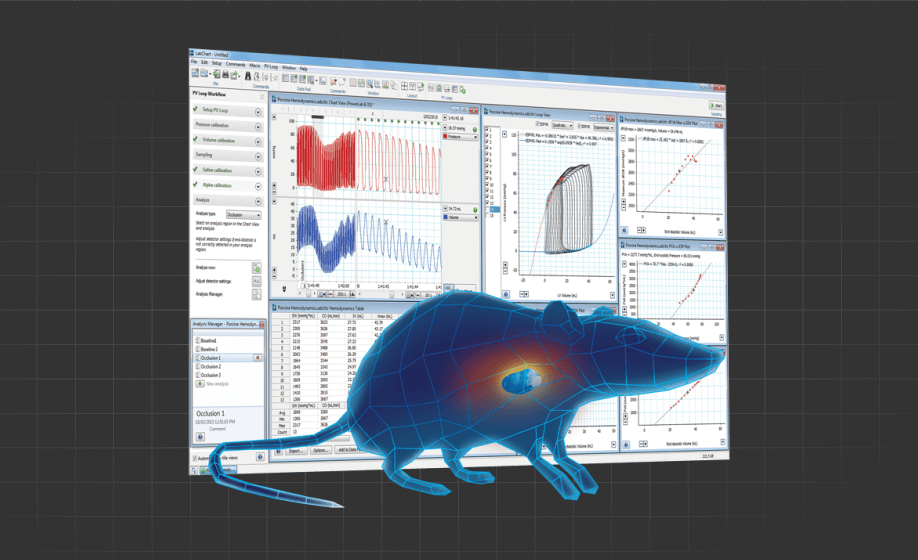
Maximizing Data Quality in Life Science Data Acquisition and Analysis
An exclusive webinar focused on best practices, technical considerations and expert advice to ensure quality data and research outcomes using ADInstruments PowerLab and LabChart.
#ExpertAnswers: Erin Feser & Coleman Bessert on Kinesiological Electromyography
In this episode of Expert Answers, Erin Feser, MSc and Coleman Bessert answer questions about kinesiological EMG.
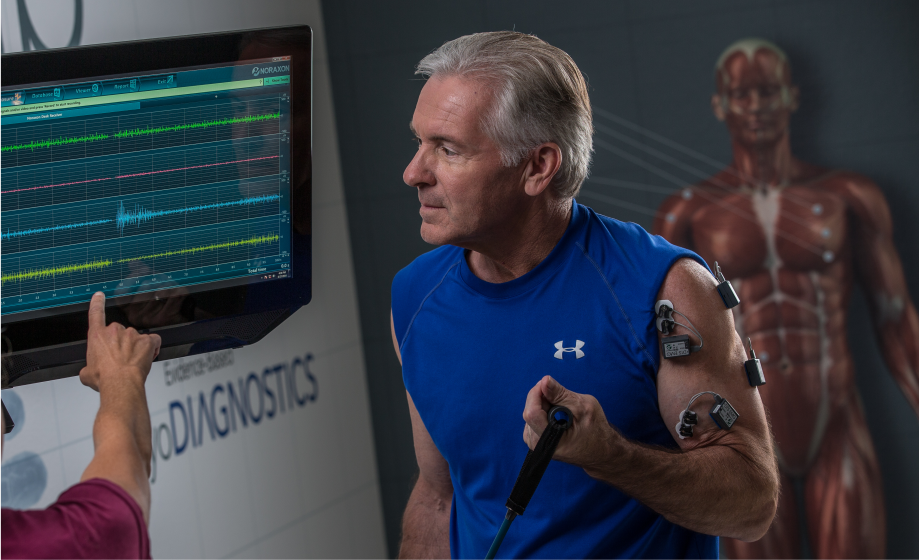
Pillar One: Kinesiological Electromyography – a practical guide to intelligent systems and assessment
Building on its popular Biomechanics 101 Introduction, Noraxon turns it attention to the fundamental pillar of biomechanics: electromyography, or EMG. This informative session covers signal origin, acquisition, processing and analysis for a comprehensive and practical understanding of EMG research and assessment.
#ExpertAnswers: Dylan Sarver and Matthew Borkowski on Tendon Properties
Dylan Sarver and Mathew Borkowski discuss how to study the mechanical properties of tendon and connective tissue samples.
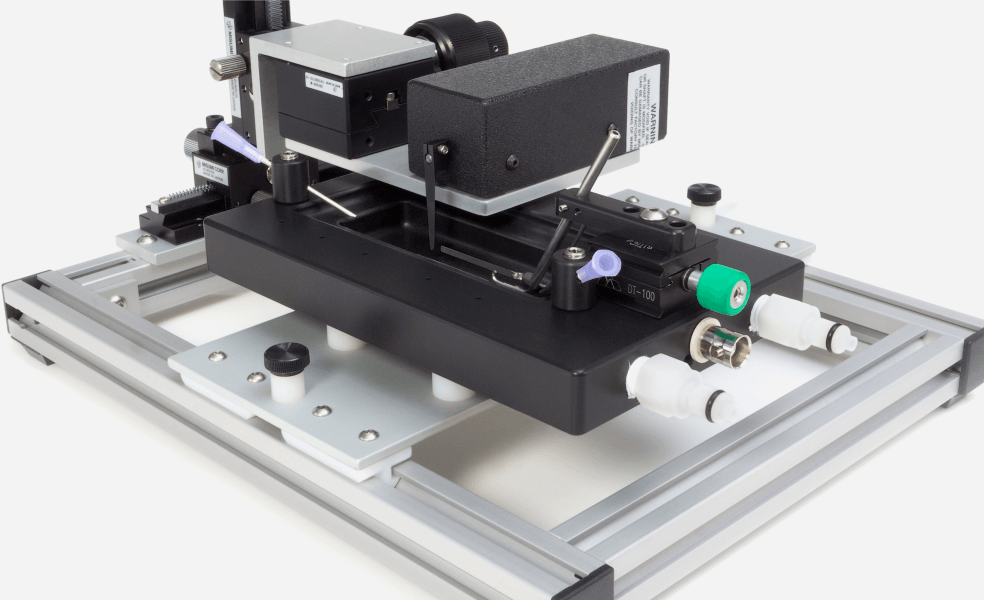
How To Study Structural and Functional Properties of Tendon
Experts discuss how to characterize the mechanical properties of tendon using a novel dual-mode lever system.
#ExpertAnswers: Seth Hays and Drew Sloan on Forelimb Function in Rats and Mice
Seth Hays and Drew Sloan discuss quantitative measurements with automated, high-throughput systems in rodent models.
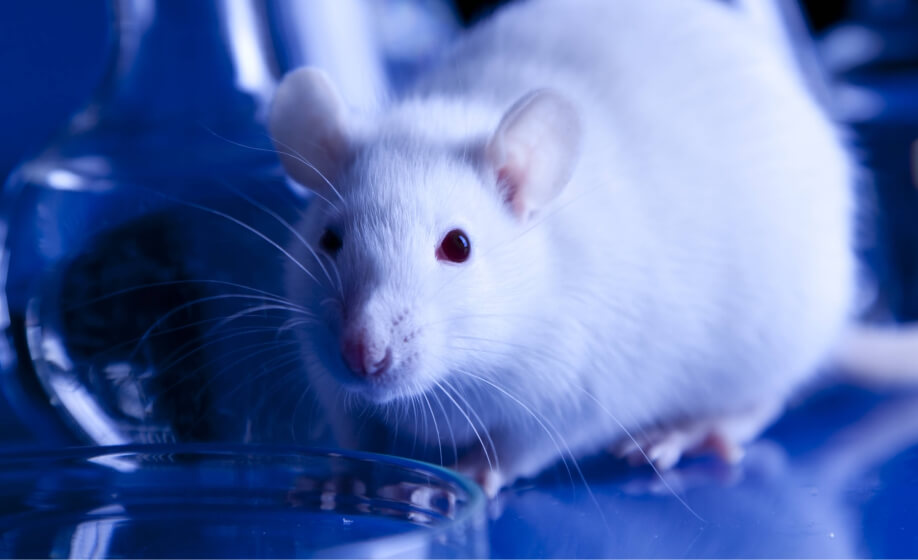
Automated Quantitative Measures of Forelimb Function in Rats and Mice
A webinar for researchers interested in transitioning from traditional qualitative forelimb assessments to quantitative measurements with automated, high-throughput systems in rodent models.
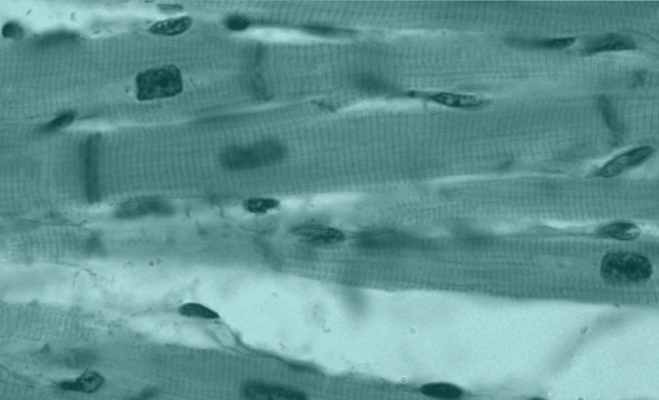
Beyond Isometric Twitch: Utilizing lengthening, shortening and isotonic contraction tests for muscle function research
Learn how to characterize complete muscle function by combining lengthening, shortening and isotonic contraction tests with traditional isometric twitch and tetanus measurements.

#ExpertAnswers: Charles Meshul, Carolanne Milligan, and Tom Hampton on Gait Analysis
Charles Meshul, Carolanne Milligan, and Tom Hampton discuss methodology, best practices, and techniques for identifying early and subtle quantitative physiological markers of strength, balance, and coordination in animal models of pain, CNS, neuromuscular, and neurodegenerative disorders.
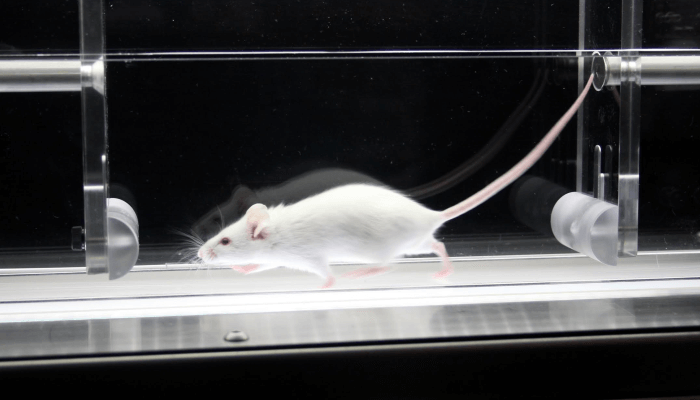
Gait Analysis in Laboratory Animals: Studying Coordinated Movement and Associated Disorders
Experts present key concepts regarding how gait can be studied and its value as a research method for animal models of pain, CNS, neuromuscular and neurodegenerative disorders.
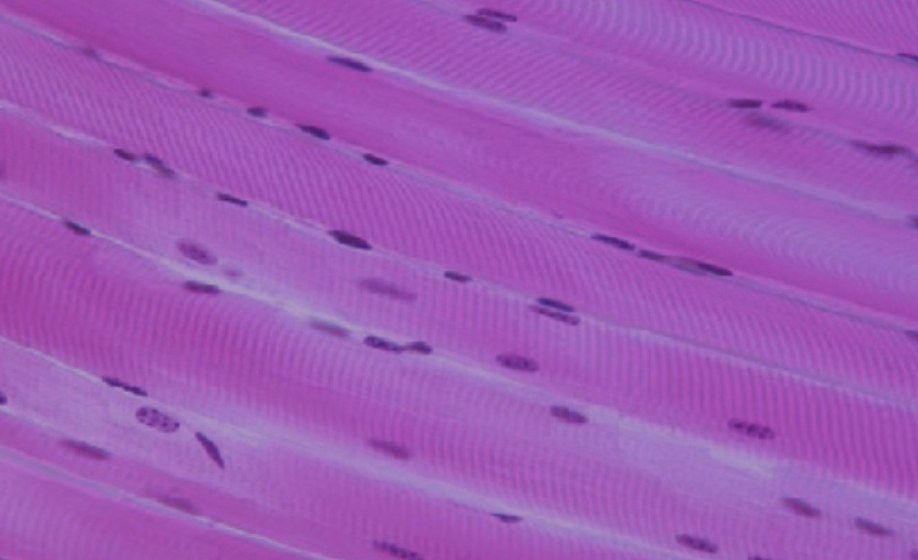
Three Techniques, One System: How to Effectively Characterize Complete Muscle Function
An essential webinar for all muscle researchers interested in methodology, best-practices, and techniques for in-vivo, in-vitro, and in-situ muscle experimentation.
#ExpertAnswers: Christopher Ward, Ramzi Khairallah, & Matthew Borkowski on basic in-vivo, in-situ and in-vitro experiments
Christopher Ward, Ramzi Khairallah, and Mathew Borkowski discuss methodology and best practices regarding basic in-vivo, in-situ and in-vitro experiments.