Precision in Human Biological Samples: Leveraging Regulatory Rigor and Deep Data for Advanced Disease Research
In this webinar, experts explore how high-quality biospecimens, longitudinal data, and regulatory rigor drive the future of biomarker discovery and clinical diagnostics.
Talking Real Science with Rachel Buckley
On this episode of #ShareScience, we spoke with Dr. Rachel Buckley, whose research interests lie in sex differences in risk for Alzheimer’s disease.
Talking Real Science with Rachel Buckley
This episode of Share Science features Rachel Buckley, PhD who shares her research on sex differences in Alzheimer's Disease and why she’s passionate about women’s health.
Genetic and Hormonal Components of Sex Differences in Alzheimer’s Disease
In this webinar, Dr. Buckley presents the sex differences in dementia, focusing on diagnosis, tauopathy, and implications for clinical trials.
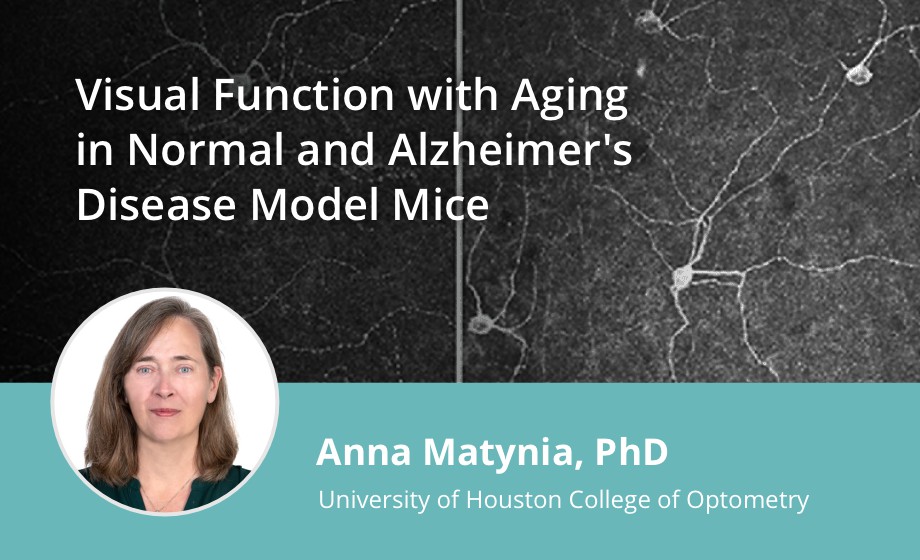
Visual Function with Aging in Normal and Alzheimer’s Disease Model Mice
In this presentation, Anna Matynia, PhD explains the effect of normal aging and Alzheimer’s Disease on visual acuity, contrast sensitivity, and pupillary light reflex as a possible early biomarker for Alzheimer’s Disease.
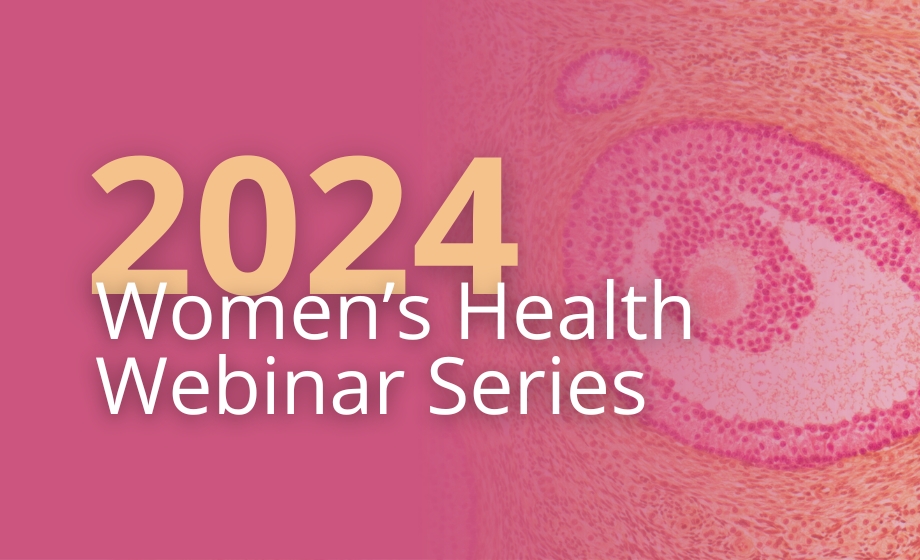
Women’s Health: A Physiological Analysis
Women’s Health: A Physiological Analysis - A webinar series covering fundamentals, late-breaking research, and novel discoveries in the field of women's health & related disease models.
New Horizons: Gonadotropin-Releasing Hormone and Cognition
Vincent Prevot answers questions from his recent webinar on the effects of gonadotropin-releasing hormone on cognition.
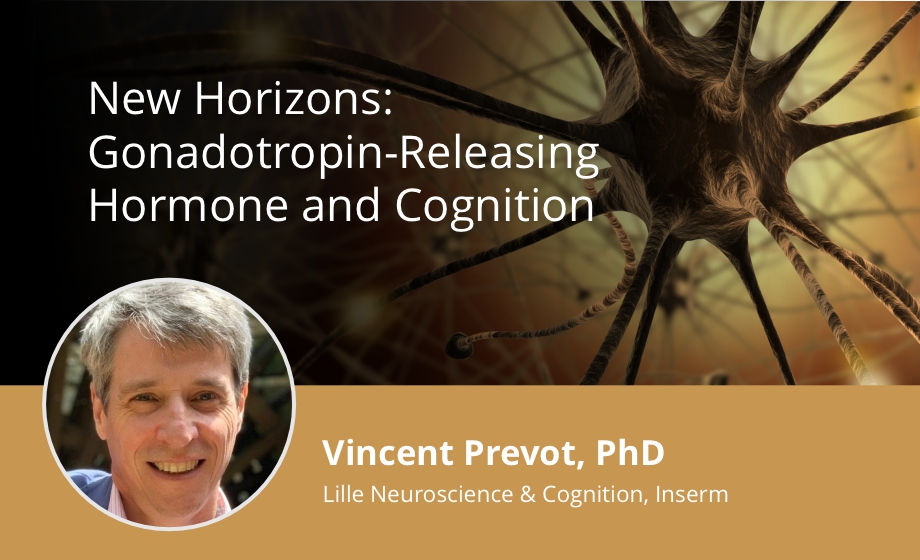
New Horizons: Gonadotropin-Releasing Hormone and Cognition
Join Vincent Prevot, PhD as he dives into the development and establishment of the gonadotropin-releasing hormone (GnRH) system and the importance of its first postnatal activation.
Neurophysiology: Exploring Basic Research and Clinical Consequences
Neurophysiology: Exploring Basic Research and Clinical Consequences - A webinar series covering fundamentals, late-breaking research, and novel discoveries in the field of neuroscience & related disease models.
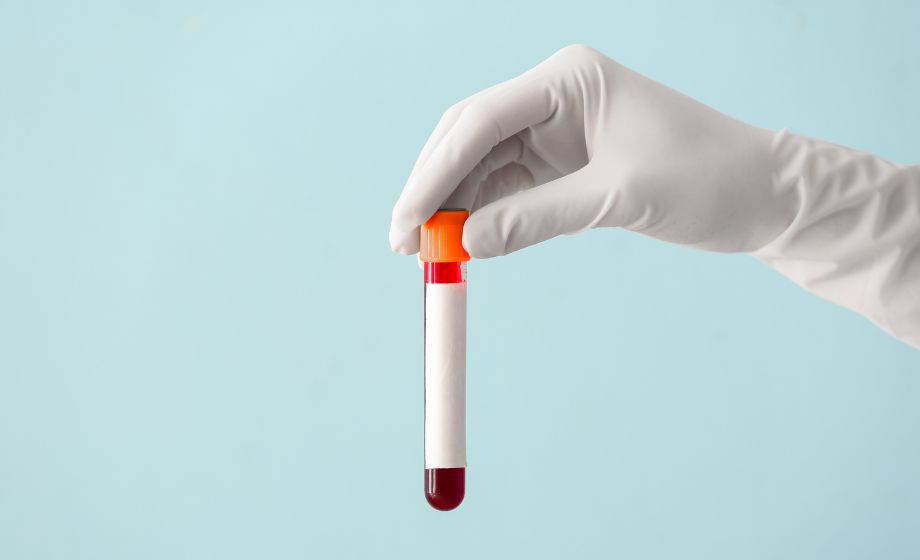
Brain-Derived Tau in Blood: the Future of Alzheimer’s Disease Diagnosis?
Recently published in Brain, Gonzalez-Ortiz et al. report the design and development of a novel blood-based biomarker specific to brain-derived tau. In this blog post, we dive into the advantages of their novel immunoassay over those that are commercially available, as well as its future implications for Alzheimer’s disease diagnosis.
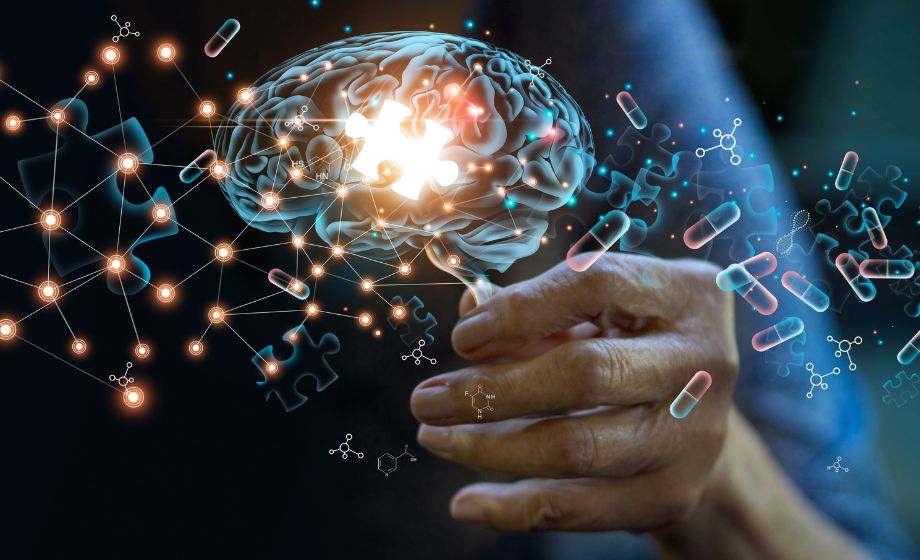
Novel Targets for Alzheimer’s Disease Treatment: Medin and PLD3
Given that Alzheimer's disease is multifactorial and heterogenous, drug development progress is more likely to occur if multiple pathways are considered. Two recent Nature publications have potentially identified medin and PLD3 as new targets for Alzheimer’s disease treatment, which we summarize in this mini-review.
#ExpertAnswers: Dennis Turner on the Metabolics of Dementia
Dennis Turner delves into dementia syndrome, the metabolic changes that occur, and the importance of proper physiological monitoring of animal models.

Strategic Approaches to Age-Related Metabolic Insufficiency and Transition into Dementia Syndrome
In this webinar, Dr. Dennis Turner delves into dementia syndrome, the metabolic changes that occur, and the importance of proper physiological monitoring of animal models.
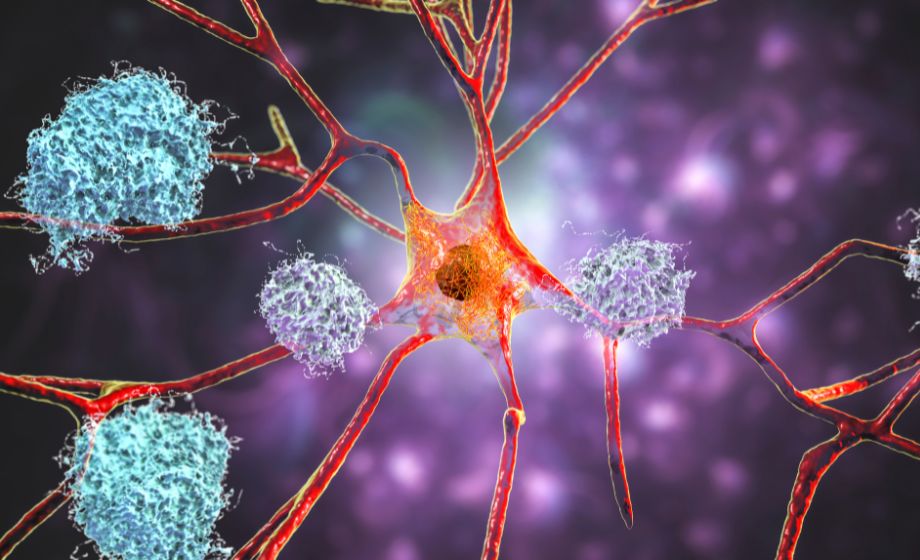
Alzheimer’s Disease: Recent Research & Therapeutic Advances
A review of Alzheimer's disease pathology, conventional treatments and their limitations, as well as emerging and potential therapies including monoclonal antibodies, metabolic therapies, and stem cell therapies.
#ExpertAnswers: Ashley Walker on Alzheimer’s Disease
Ashley Walker discusses her research on the vascular contributions to late-onset Alzheimer’s disease.
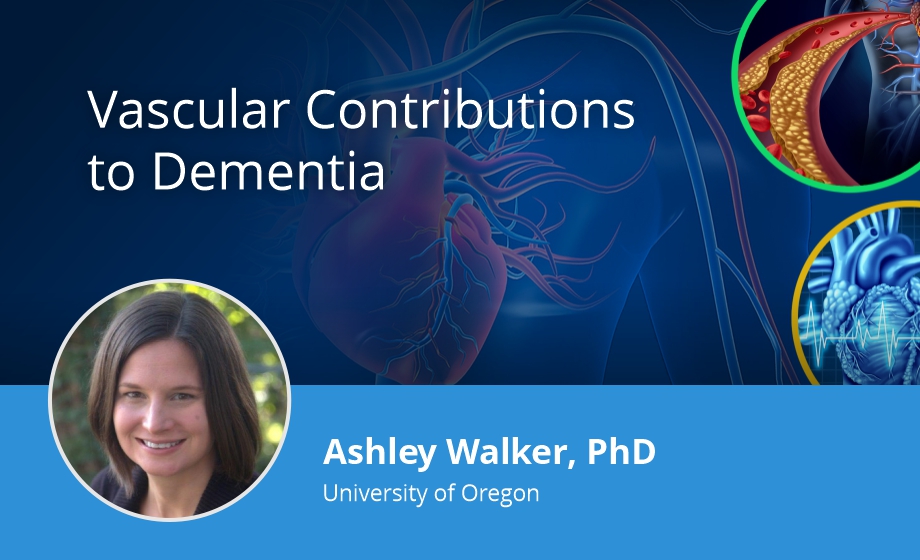
Vascular Contributions to Dementia
Ashley Walker, PhD discusses her research on the vascular contributions to late-onset Alzheimer’s disease and dementia.
Cardiovascular Connections: An Integrative Approach
Cardiovascular Connections: An Integrative Approach - A webinar series covering fundamentals, late-breaking research and novel discoveries in the field of cardiovascular science.
#ExpertAnswers: Agenor Limon on the Electrophysiology of Human Native Receptors
Agenor Limon discusses reactivation and microtransplantation of synaptic receptors from frozen human brain samples into xenopus oocytes to evaluate the relationship between synaptic activity and behavioral abnormalities.

Electrophysiology of Human Native Receptors in Neurological and Mental Disorders
Dr. Agenor Limon presents research integrating functional metrics with large anatomical, transcriptomic, and proteomic datasets to evaluate the relationship between synaptic E/I ratio and behavioral abnormalities across postmortem intervals and brain banks.
#ExpertAnswers: Joanna Hummer and Florie Le Prieult on cOFM for in vivo Cerebral Fluid Sampling
Experts discuss cerebral open flow microperfusions use, and honing in specifically on its use in drug development and neurodegenerative disease.
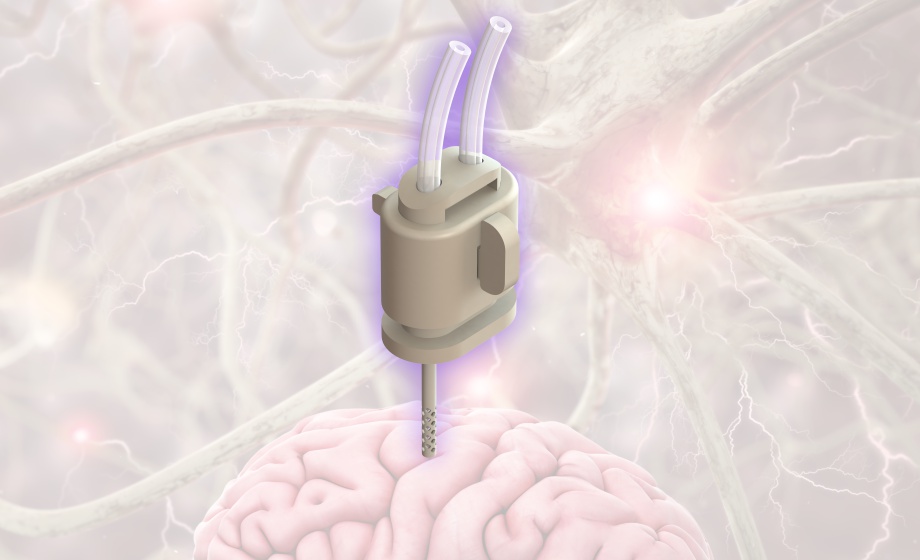
Cerebral Open Flow Microperfusion (cOFM) for in vivo Cerebral Fluid Sampling – Comparison of cOFM and Microdialysis
Dr. Joanna Hummer and Dr. Florie Le Prieult share insights into cOFM's use and utility in the broader neuroscience field and specifically for the development of drugs for neurodegenerative diseases.
#ExpertAnswers: Rohan Jagirdar on Sleep and Alzheimer’s Disease
In this episode of #ExpertAnswers join Rohan Jagirdar, PhD, from Baylor College of Medicine, as he answers questions from a [...]
#ExpertAnswers: Fiona Harrison on Early Alzheimer’s Disease
Dr. Fiona Harrison, discusses how vitamin C deficiency and exposure to toxins can impact glutamate uptake and clearance, and how even small changes in neural signaling can be detected by monitoring EEG activity and correlated with performance in learning and memory tasks.
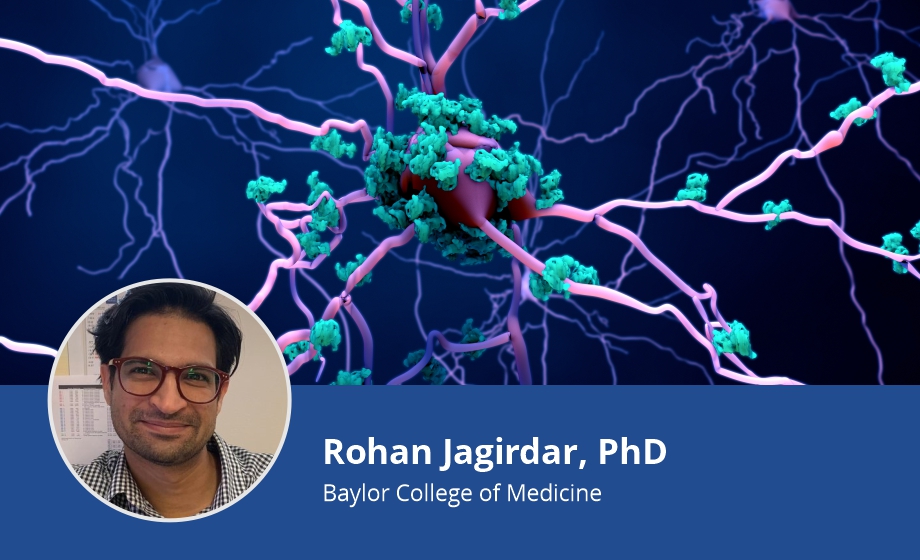
Improving Sleep to Slow the Progression of Alzheimer’s Disease
Join Rohan Jagirdar, PhD as he discusses his research on EEG activity in a mouse model of Alzheimer's disease to determine the effects of improved sleep on disease progression.
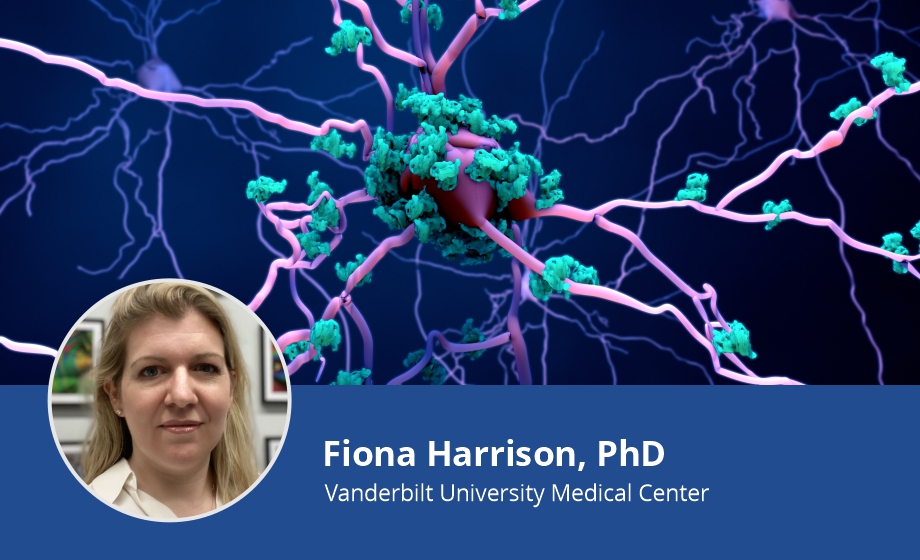
EEG Monitoring Approaches to Predict Learning and Memory Changes in Early Alzheimer’s Disease
Dr. Fiona Harrison discusses how dietary deficiency and exposure to toxins can impact glutamate uptake and clearance, and the subsequent changes in neural signaling can be detected through altered EEG activity and performance on learning and memory tasks.