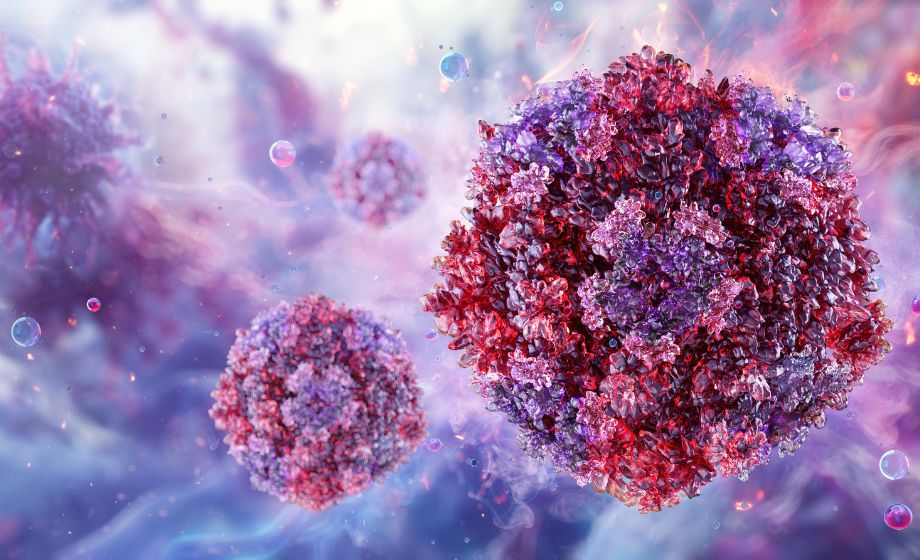
Scaling AAV9 Manufacturing: A Blueprint for Clinical-Grade Gene Therapy Production
Learn how to overcome AAV9 bottlenecks with an open-source, high-yield manufacturing blueprint designed to accelerate clinical-grade gene therapy production.
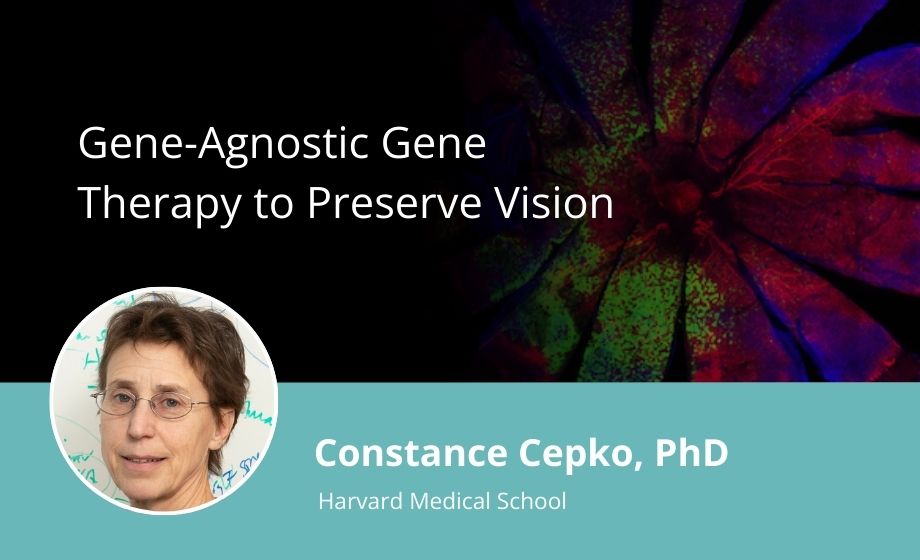
Gene-Agnostic Gene Therapy to Preserve Vision
Watch this Striatech Journal Club to explore a gene therapy approach targeting common oxidative stress and metabolic issues across multiple forms of blindness.

In Vivo panCAR™ Therapy Using Circular RNA for the Treatment of Autoimmune Disease
Learn how in vivo panCAR™ therapy, based on circular RNA and lipid nanoparticles, enables transient CAR expression and B cell depletion in preclinical models of autoimmune disease.
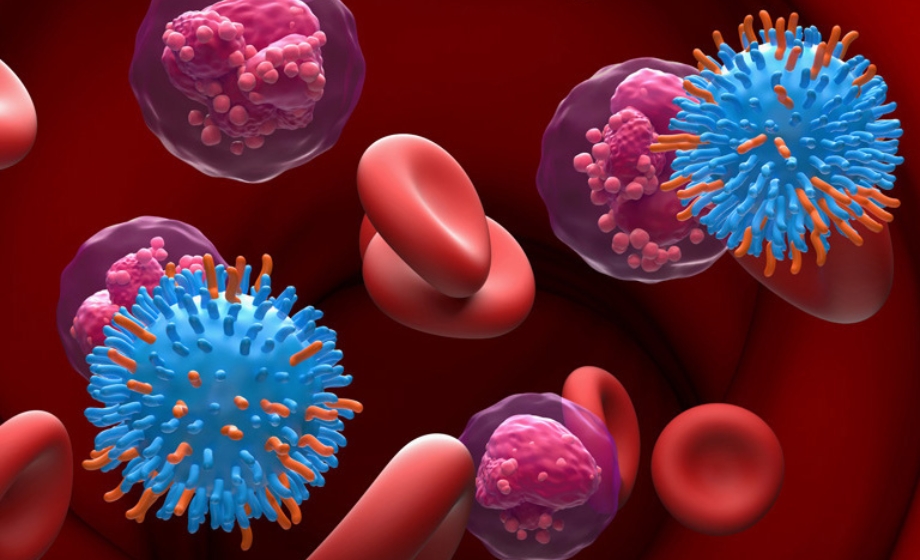
CAR Finder – A Platform for Rapid CAR T Cell Screening
Dr. Sandy Tretbar introduces CAR Finder Technology and shares practical strategies to improve mRNA-based CAR T cell screening and selection.
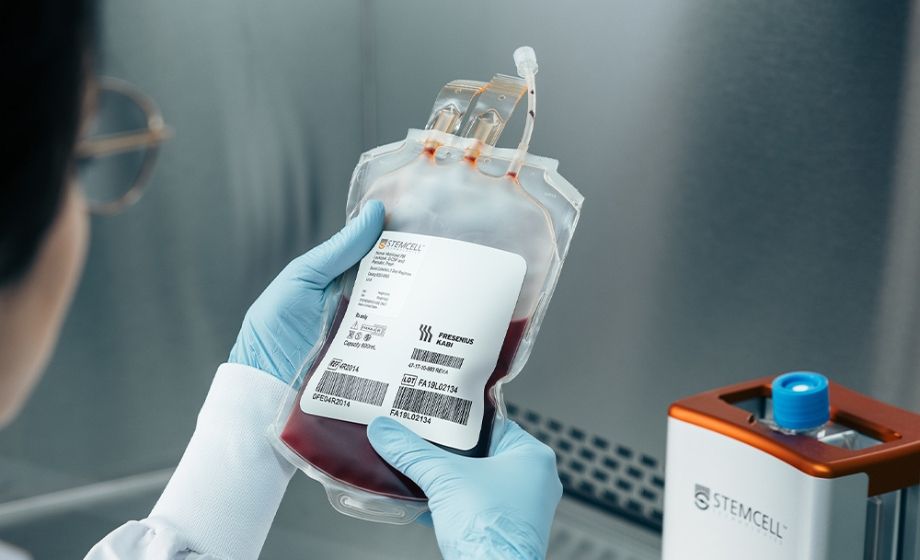
High-Quality Mobilized Leukopaks to Enhance Your Cell and Gene Therapy Research and Development
Learn about mobilized leukopaks, CD34+ cell isolation, and cutting-edge techniques in cell and gene therapy research with STEMCELL Technologies.
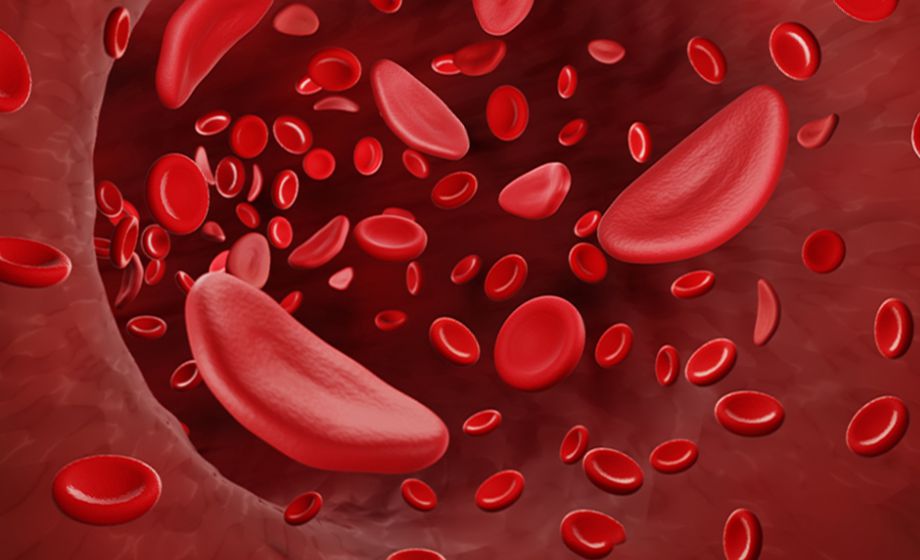
Hematopoietic Stem Cell Fitness and Function During Sickle Cell Disease
Join Dr. Shannon McKinney-Freeman as she presents research on the relationships between sickle cell disease, hematopoietic stem cells, and risks of clonal hematopoeisis and leukemia.
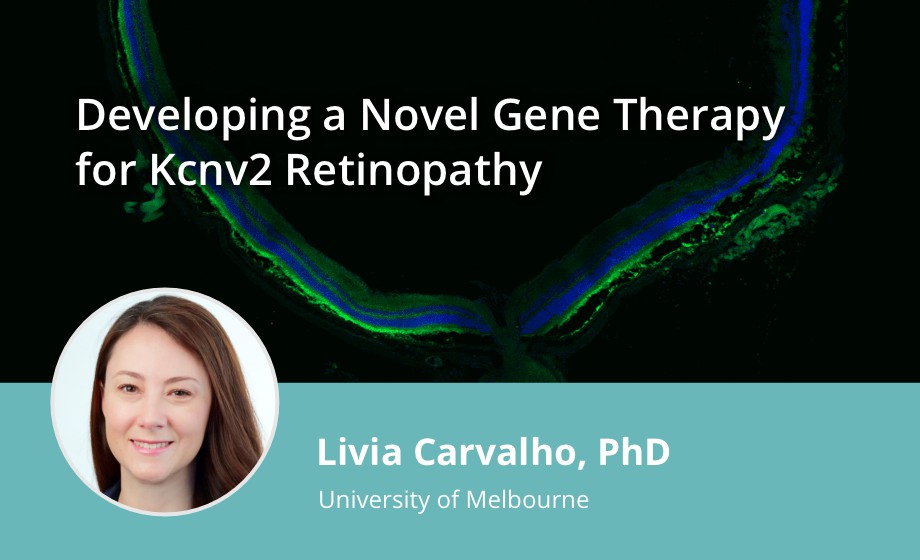
Developing a Novel Gene Therapy for Kcnv2 Retinopathy
Livia Carvalho, PhD discusses her team's successful development of a novel AAV-based gene therapy approach for KCNV2 retinopathy in a Kv8.2 knockout mouse model.
How to Create CRISPR-Edited T Cells More Efficiently for Tomorrow’s Cell Therapies
Explore future gene-editing trends, CRISPR challenges, and solutions with experts from Artisan Bio and STEMCELL Technologies.

#ExpertAnswers: Steven Loo-Yong-Kee on CRISPR-Edited T Cells
Steven Loo-Yong-Kee highlights Artisan Bio’s STAR-CRISPR system for optimized gene editing in cell therapy, with a focus on the genetic modification of T cells for cancer immunotherapy.
#ExpertAnswers: Sam Sternberg on Genome Engineering
Sam Sternberg discusses a novel CRISPR-Cas9 system using programmable, RNA-guided transposase and highlighting its implications for genome engineering in cell and gene therapies.
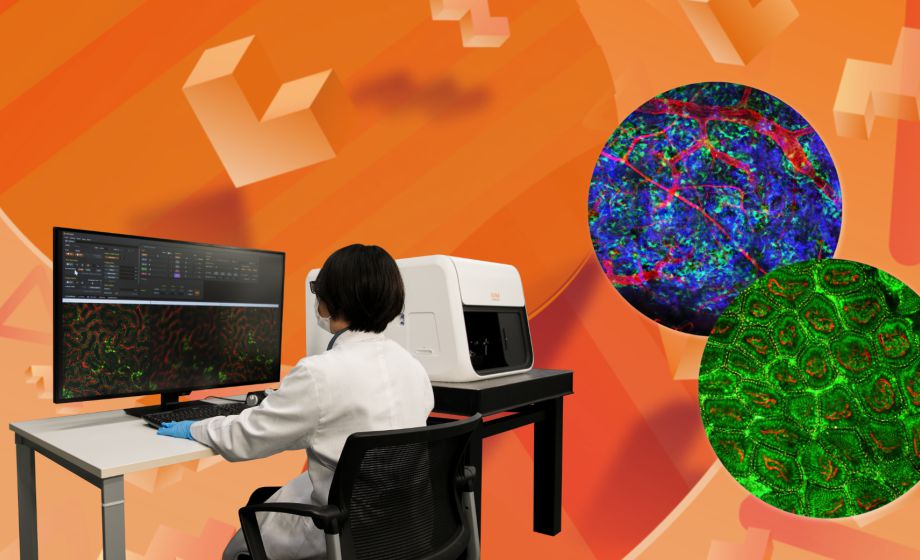
Real-time IntraVital Microscopy (IVM): In Vivo Live Cell Imaging in Immunology and Neuroscience with Live Imaging Demo
Selina Soyeon Ahn, PhD introduces IVIM Technology’s All-in-One real-time intravital confocal and two-photon microscopy system and its application to immunology and neuroscience research.
How to Create CRISPR-Edited T Cells More Efficiently for Tomorrow’s Cell Therapies
Steven Loo-Yong-Kee presents Artisan Bio's STAR-CRISPR™ system for optimized gene editing in cell therapy, with a focus on the genetifc modification of T cells for cancer immunotherapy.

Leveraging Programmable CRISPR-Associated Transposases for Next-Generation Genome Engineering
Dr. Sam Sternberg discusses a novel CRISPR-Cas9 system using programmable, RNA-guided transposase, and highlights its implications for kilobase-scale genome engineering in cell and gene therapies.

Developing Retinal Gene Therapy for Zellweger Spectrum Disorder (ZSD)
Catherine Argyriou, PhD, discusses peroxisome disease and the development of a retinal gene therapy for PEX1-mediated Zellweger Spectrum Disorder.
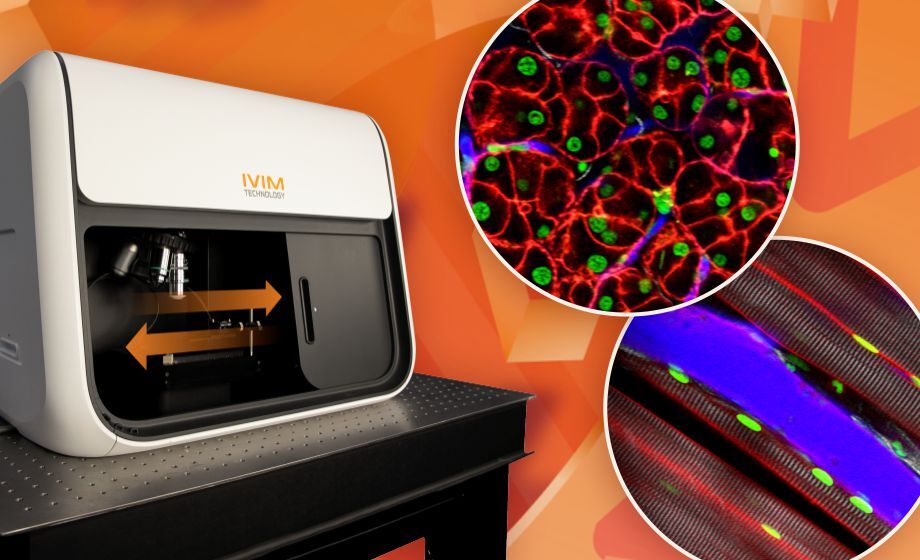
Real-time IntraVital Microscopy (IVM): In Vivo Cellular-level Imaging of Internal Organs in a Live Animal
Join Pilhan Kim, PhD for an in-depth discussion on the All-in-One intravital two-photon and confocal microscopy system.

Protocol Preview: In Vivo Gene Therapy Using Peptide-Based Delivery
Although gene therapy has been in discussion for decades, its translation to clinical practice has been a slow and challenging process. As a solution to this translational challenge, Allen et al. have proposed a peptide-based delivery method of Cre recombinase for in vivo gene therapy, which we review in this blog post.

#ExpertAnswers: Ejvind Mørtz on Protein Analysis
Ejvind Mørtz discusses the benefits and applications of mass spectrometry (MS)-based host cell protein (HCP) analysis and why HCP ELISAs are insufficient for documenting product-related impurities.

Rethink your Impurity Analysis Strategy
In this webinar, Dr. Ejvind Mørtz discusses the benefits and applications of mass spectrometry (MS)-based host cell protein (HCP) analysis and why HCP ELISAs are insufficient for documenting product-related impurities. Watch to learn where to apply the assay in a typical process and what you gain from deploying it to your workflow.
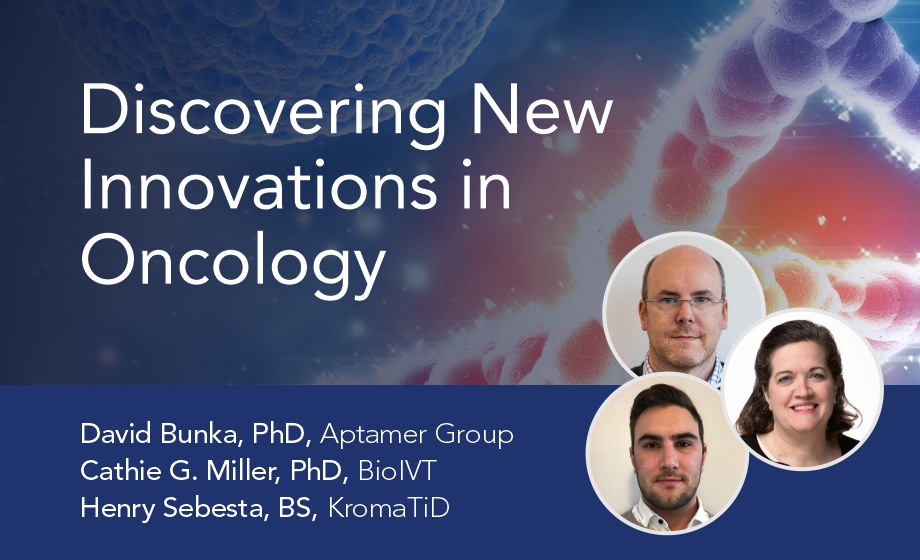
Cutting Edge Conversations: Discovering New Innovations in Oncology
Experts discuss progress in cancer research, including novel treatments, experimental therapies, and drug development.
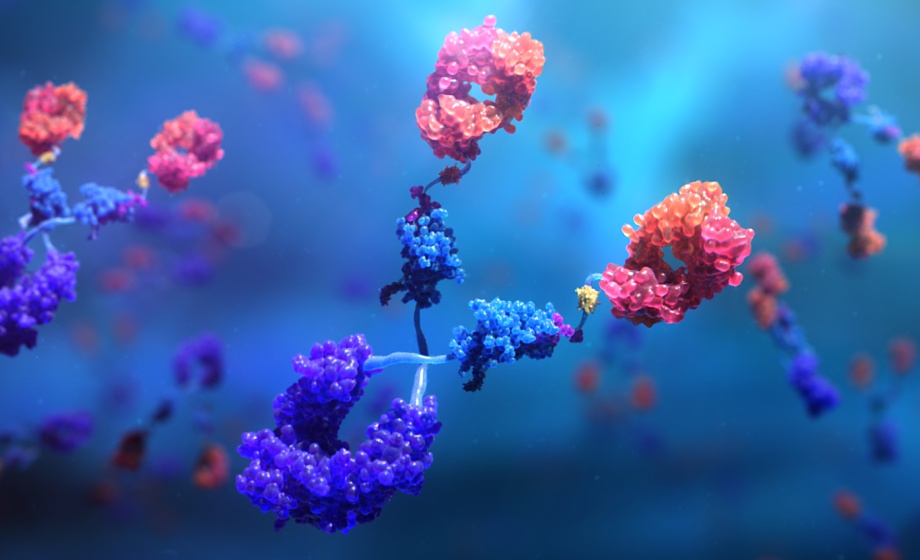
How Transformative Antibody Technology Can Improve Your Bioanalytical Assays
Dr. Royle discusses how the combination of antibody phage display and SpyTag technologies can generate critical antibody reagents with a difference.
Restoring Vision – Optogenetic Gene Therapy Targeted at Human ON-Bipolar Cells
Dr. Hulliger discusses his work with a new promoter that is raising hopes of improving the quality of life for people suffering from blindness.