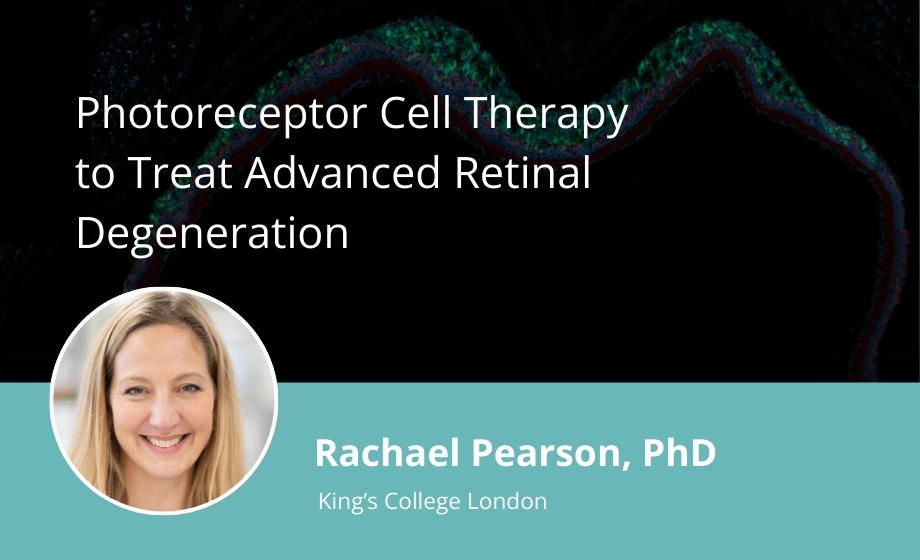
Photoreceptor Cell Therapy to Treat Advanced Retinal Degeneration
Dr. Rachael Pearson explores how transplanting human stem cell-derived cone photoreceptors can functionally restore vision and light-evoked behavior in cases of advanced retinal degeneration.
The Hidden Variable in Your Intestinal Organoids: Enhancing Differentiation for a More Predictive Model
On June 4, 2025, Dr. Martin Stahl led a webinar exploring how cellular composition affects organoid performance in drug response and toxicity assays. He also introduced IntestiCult™ Plus Organoid Growth Medium, a next-generation organoid medium that supports simultaneous expansion and differentiation of intestinal organoids. Below are answers to audience questions from the session, edited for brevity and clarity.
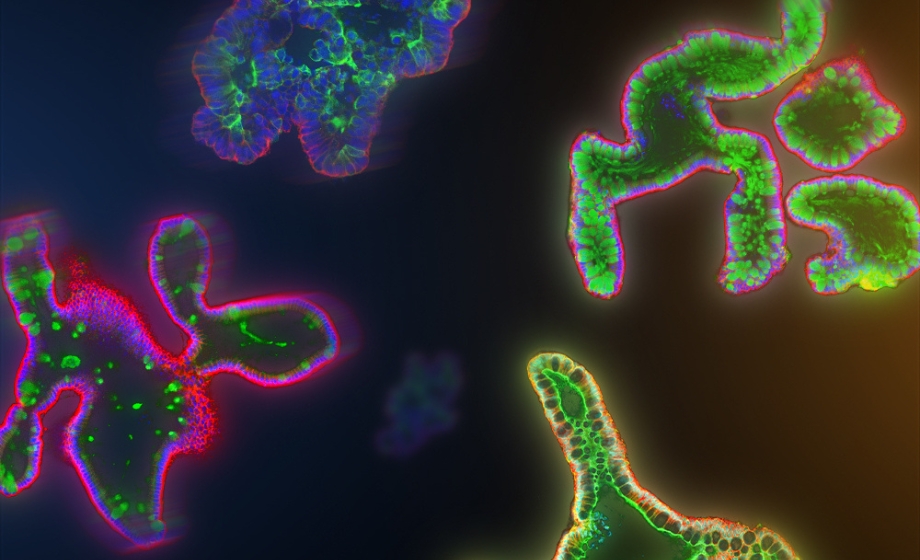
The Hidden Variable in Your Intestinal Organoids: Enhancing Differentiation for a More Predictive Model
Are you confident that your intestinal organoid models contain the right cell types to generate predictive, reproducible, and translatable results?
Industry Insights with Bas Trietsch and STEMCELL Technologies
Dr. Bas Trietsch and Dr. Jenna Moccia discuss stem cell-based models and organ-on-a-chip systems in this episode of Industry Insights.
Industry Insights with Bas Trietsch and STEMCELL Technologies
Drs. Jenna Moccia and Bas Trietsch explore how stem cell-based models are transforming drug discovery and preclinical research.
Translational T Cell Talks: Scaling for the Future
Join STEMCELL's Translational T Cell Talks on June 11, 2024 for a half-day event featuring presentations on CAR T cell research, new protocols, educational content, and special promotions.
#ExpertAnswers: Andrew Gaffney and Erin Knock on Neural Progenitor Cell Differentiation
Experts from STEMCELL Technologies answer questions from a webinar presenting an iPSC line and its differentiation into neural cells.
Fully Characterized, Standardized Human Induced Pluripotent Stem Cell Line and Ready-to-Use, High-Quality Neural Progenitor Cells for Downstream Differentiation Applications
On June 29, 2023, STEMCELL Technologies' Dr. Andrew Gaffney and Dr. Erin Knock presented on how to streamline PSC-related workflows using highly characterized induced pluripotent stem cells (iPSCs) and neural progenitor cells (NPCs), and how to differentiate these cells into a variety of cell types downstream. In this Q&A report, you can read their answers to questions asked by the audience. Answers have been edited for length and/or clarity.
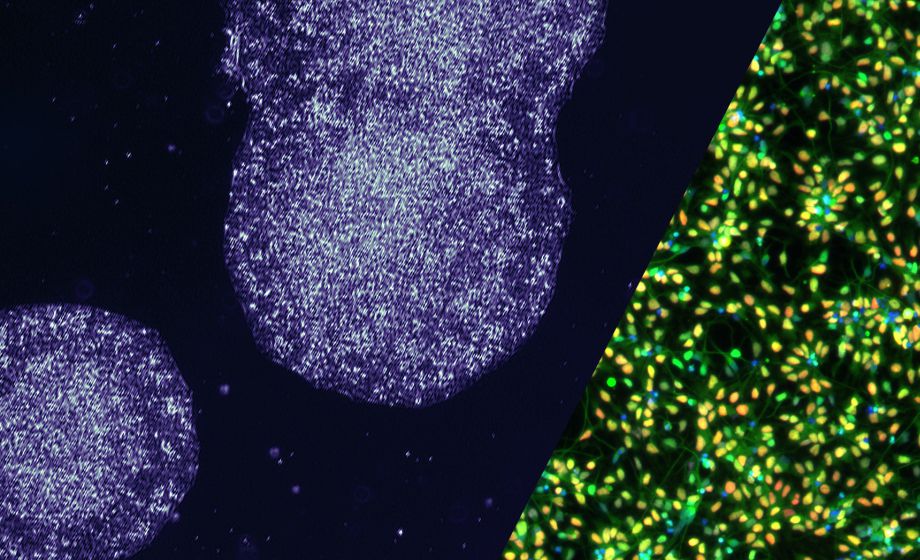
Fully Characterized, Standardized Human Induced Pluripotent Stem Cell Line and Ready-to-Use, High-Quality Neural Progenitor Cells for Downstream Differentiation Applications
In this webinar, experts present a standardized human induced pluripotent stem cell line and its differentiation into neural cells for disease modeling and assay development.
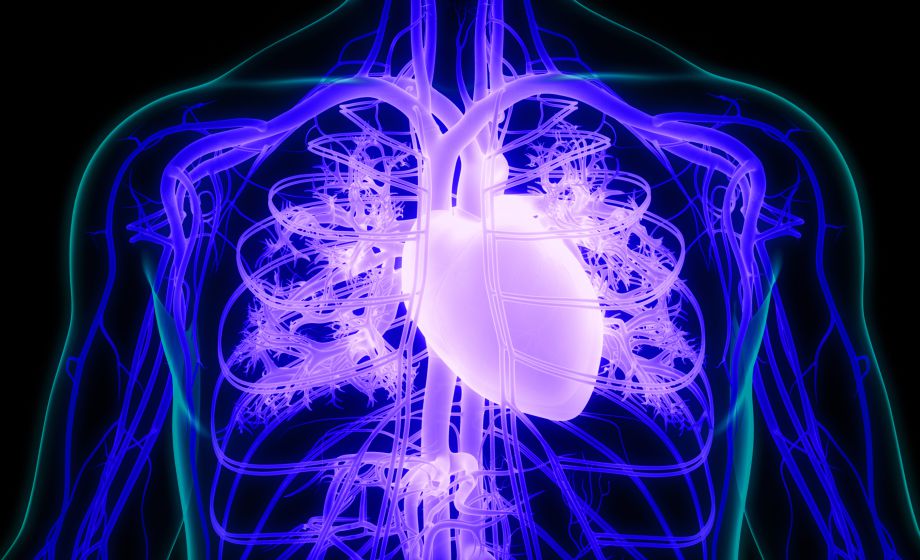
APS Physiology in Disease Modeling and Drug Development Roundtable
Key opinion leaders in cardiovascular physiology and bioengineering discuss best practices and challenges when modeling cardiomyopathies and other cardiovascular diseases using stem cells, engineered tissues and other novel platforms.
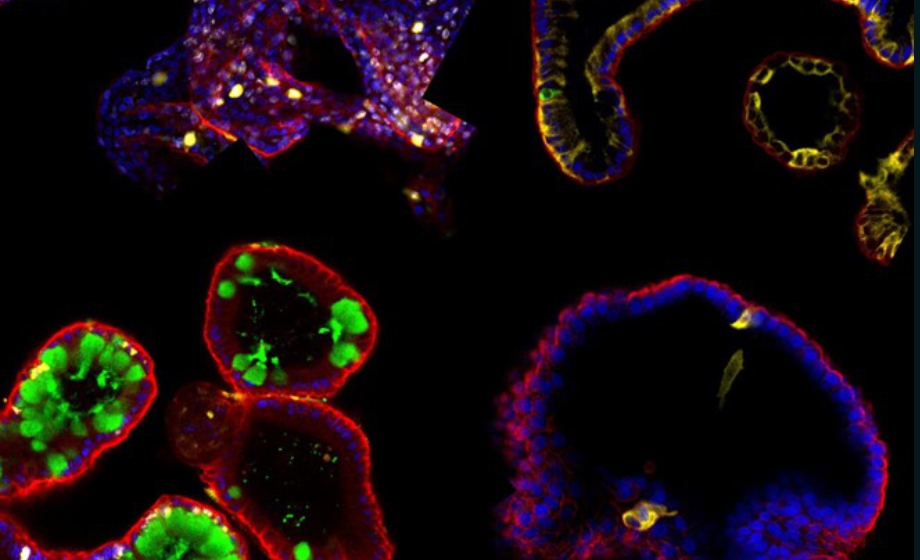
Intestinal Toxicity Assessment with Patient-Derived Organoids
Dr. Martin Stahl describes the use of patient-derived intestinal organoids to assess the toxicity of potential therapeutic compounds and study barrier function in a human-specific model system.
#ExpertAnswers: Marta Walasek and Danielle Nguyen Truong on Stem Cells
Marta Walasek and Danielle Nguyen Truong provide tips and tricks to lock down effective genome editing conditions for CD34+ cells, methods to evaluate genome editing efficiency, and optimal culture conditions to maintain Hematopoeitic stem cell function and long-term editing effects.
Optimizing CD34+ Cell Genome Editing for Efficiency and HSPC Maintenance
Experts provide tips and tricks to lock down effective genome editing conditions for CD34+ cells, methods to evaluate genome editing efficiency, and optimal culture conditions to maintain HSPC function and long-term editing effects.
#ExpertAnswers: Alexandra Lubin & Jason Otterstrom on Automated Microscopy
Experts discuss the use of deep learning-powered automated microscopy and image analysis for fast, in vivo zebrafish screening.
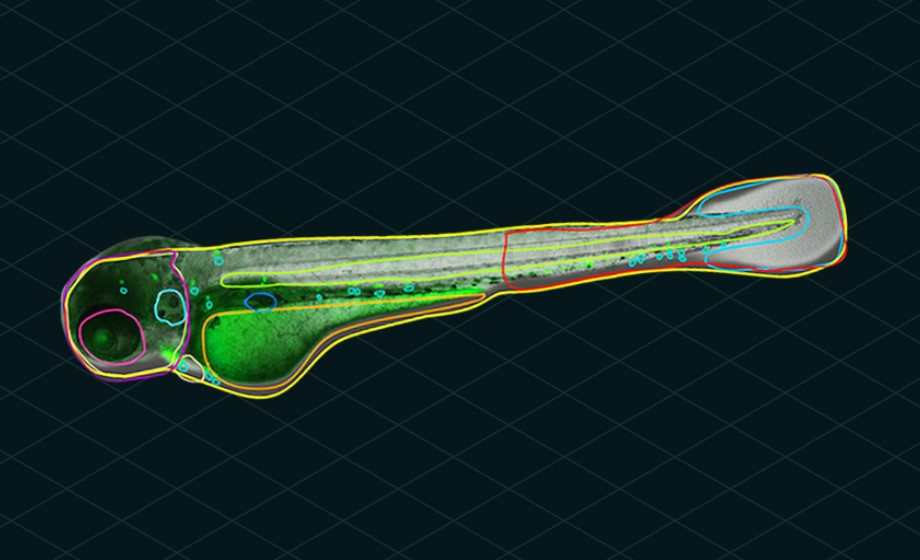
Casting a Wider Net in Zebrafish Screening with Automated Microscopy and Image Analysis
Join Dr. Alexandra Lubin and Dr. Jason Otterstrom as they discuss the use of deep learning-powered automated microscopy and image analysis for fast, in vivo zebrafish screening.
#ExpertAnswers: Rafael Carazo Salas on Multicolor High Content Microscopy
Rafael Carazo Salas discusses his lab’s research using multi-day multicolor high content microscopy to visualize cell fate decisions in human induced pluripotent stem cells.
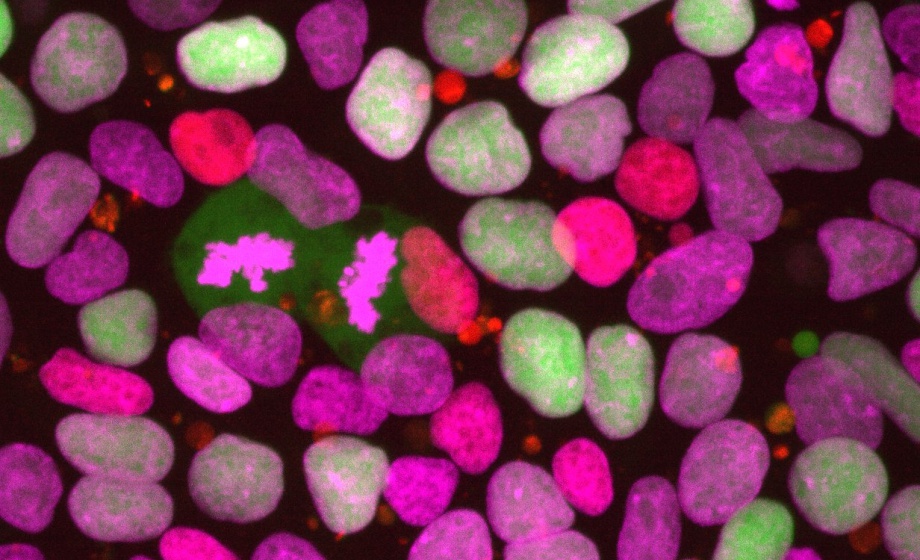
Visualizing Human Stem Cell Dynamics by Multicolor, Multiday High-Content Microscopy
Dr. Rafael Carazo Salas describes the use of multicolour, multiday high-content microscopy to visualise the dynamic cell fate changes of human pluripotent stem cells collectively and at single-cell level.