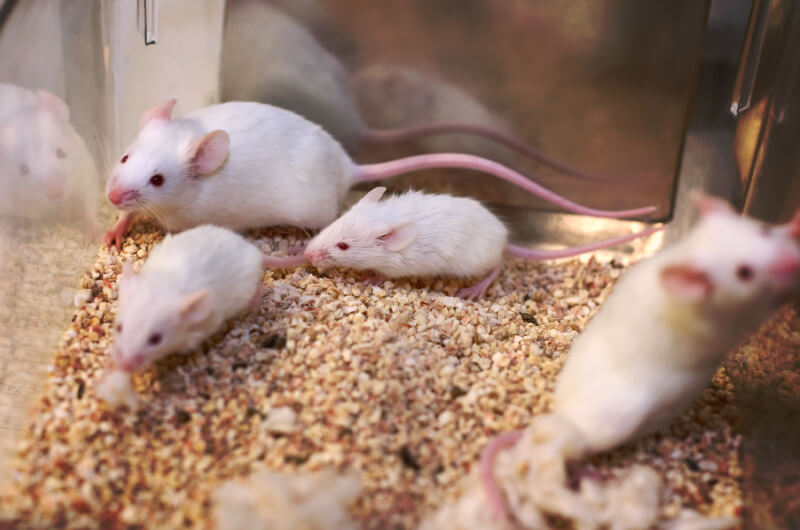
24/7 Automated Behavior Tracking for Rodent Safety Pharmacology and Phenotyping
Dr. Will Redfern of AstraZeneca and Dr. Sara Wells of MRC Harwell discuss 24/7 monitoring of group-housed rodents in their true IVC racked home cage environment for safety pharmacology and phenotyping applications.
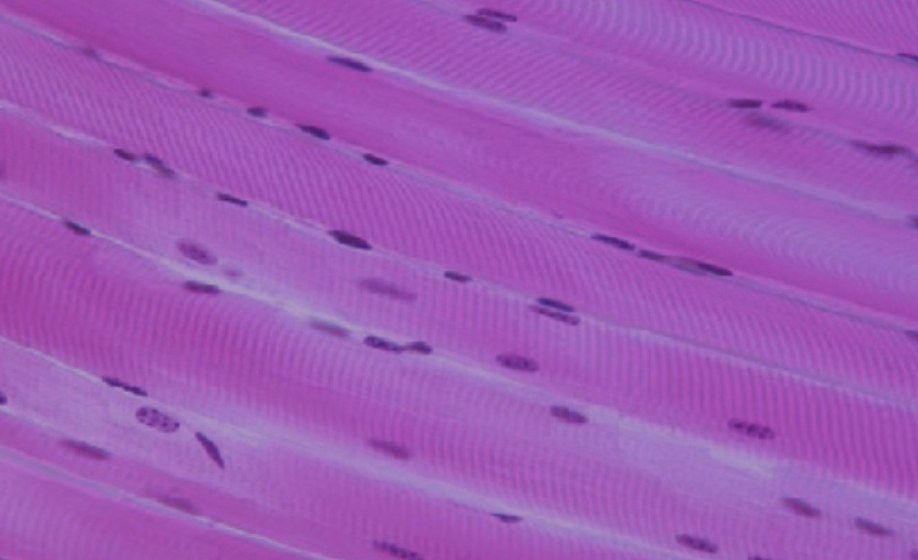
Three Techniques, One System: How to Effectively Characterize Complete Muscle Function
An essential webinar for all muscle researchers interested in methodology, best-practices, and techniques for in-vivo, in-vitro, and in-situ muscle experimentation.
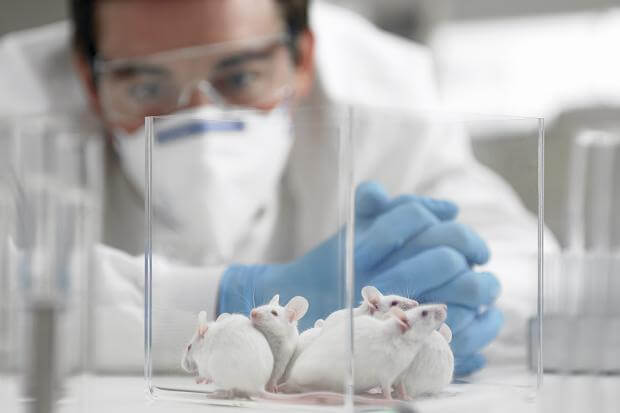
Understanding the Translational Value of PV Loops from Mouse to Man
Dr. Navin Kapur presents a detailed look at how PV loops impact outcomes in basic research and clinical therapies.
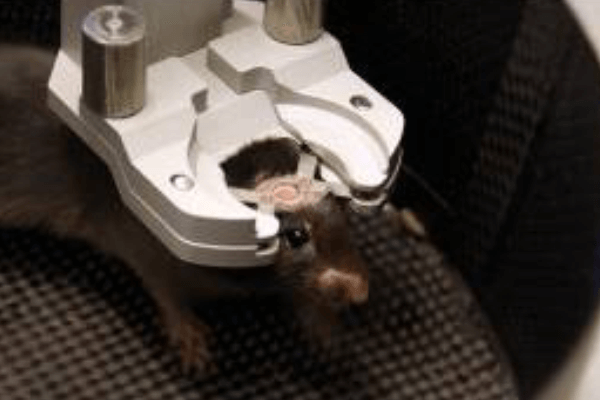
Making Optical and Electrophysiological Measurements in the Brain of Head-Fixed, Freely-Moving Rodents
The must-watch webinar for researchers interested in optical and electrophysiological recordings from the brain of head-fixed but otherwise freely moving rodents.
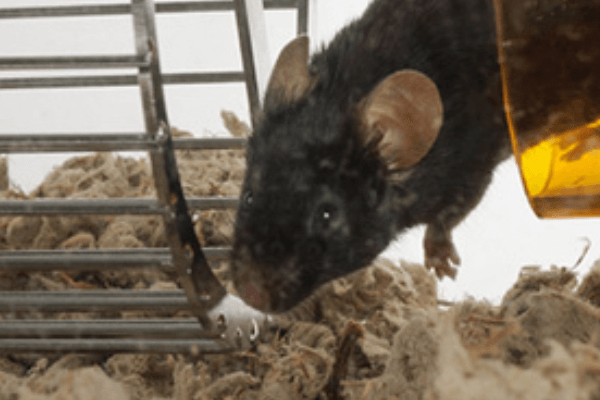
Circadian Rhythms of Food Intake: Are You Seeing The Whole Picture?
Dr. John Lighton, PhD and InsideScientific discuss the importance of metabolism and its relation to behavioral studies in the mouse model.
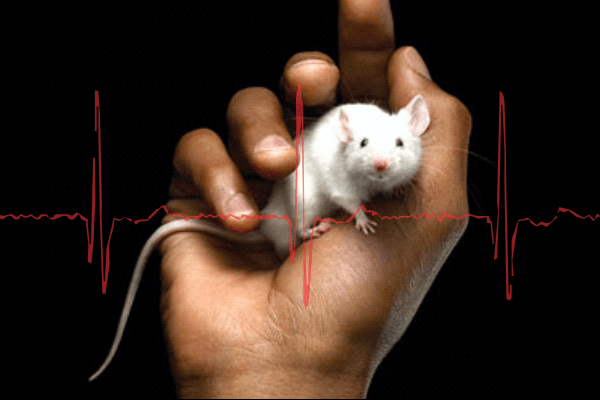
Improving Rodent Cardiovascular Research Outcomes with Integrated Surgical Monitoring
An essential webinar for both beginning and seasoned cardiovascular researchers looking to improve hemodynamic study outcome consistency by monitoring vital signs during surgery.
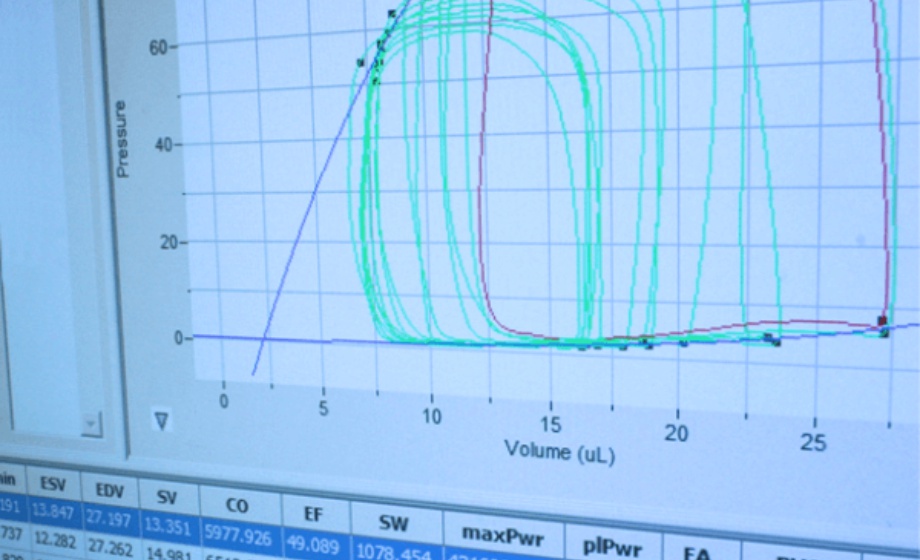
Best-Practices to Achieve Quality Pressure-Volume Loop Data in Rodents
Experts present what is essential for the researcher to be aware of in order to collect valid Pressure-Volume Loop data that can be used with confidence in the ensuing analysis stage of their research.
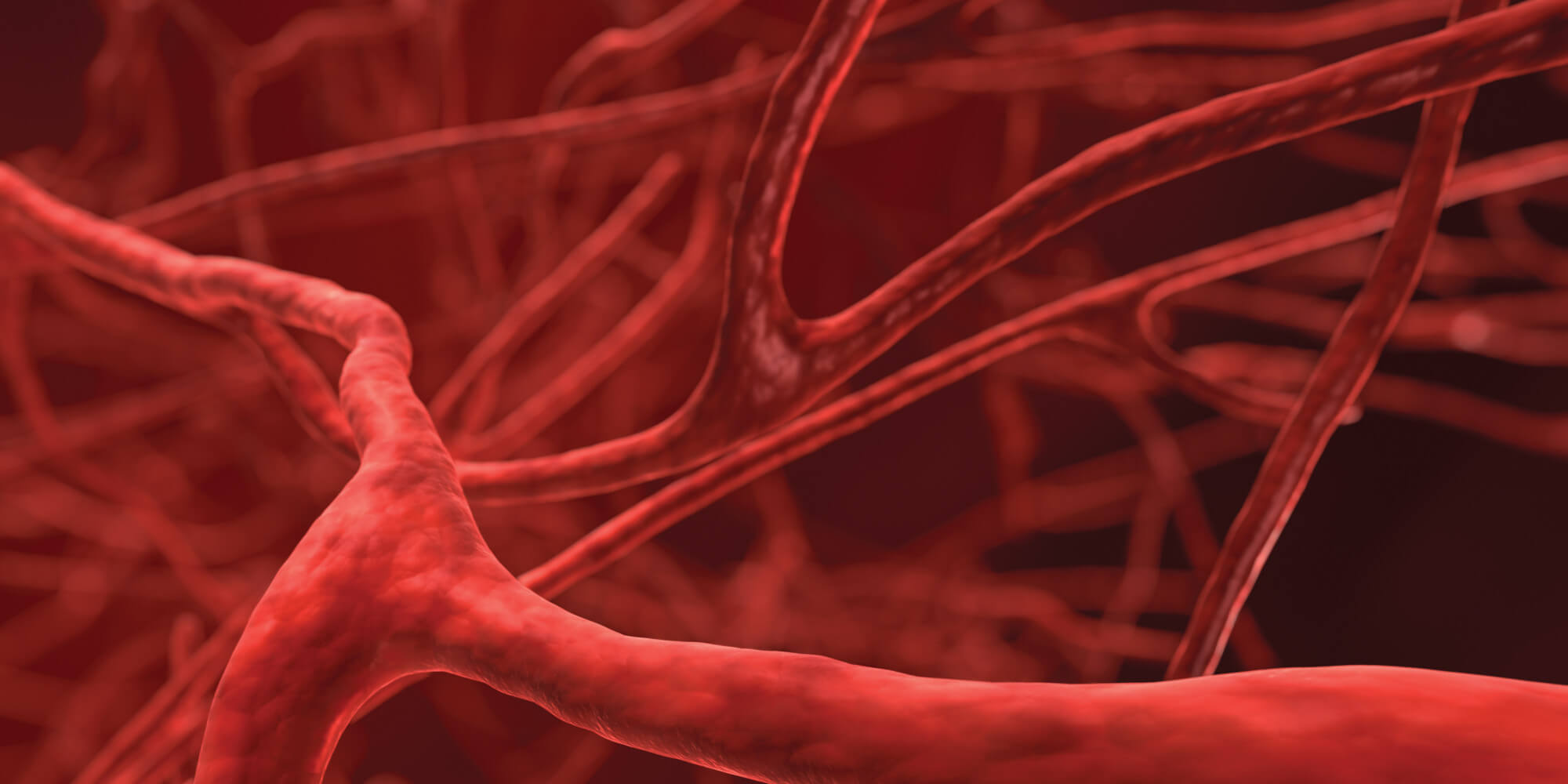
Getting Started with In-Vitro Blood Vessel Research
Dr. Scott Earley and Dr. Gerry Herrera review essential tools and techniques for studying function in isolated blood vessels using a pressurized arteriograph system.
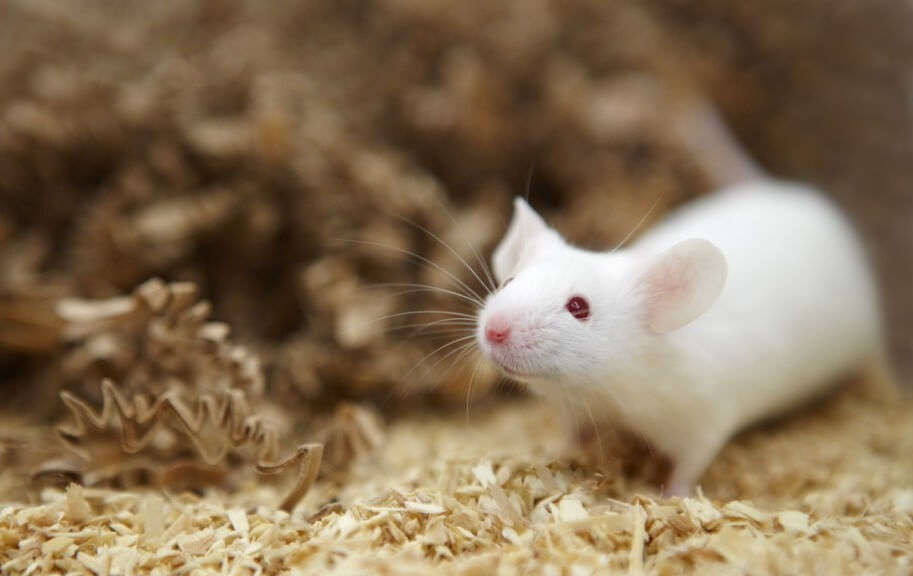
How to Investigate Behavior and Cognitive Abilities of Individual Rodents in a Social Group
Doctors Ewelina Knapska, David Wolfer, and Holger Russig provide insights into high-throughput cognition testing of individual rodents within their social environment
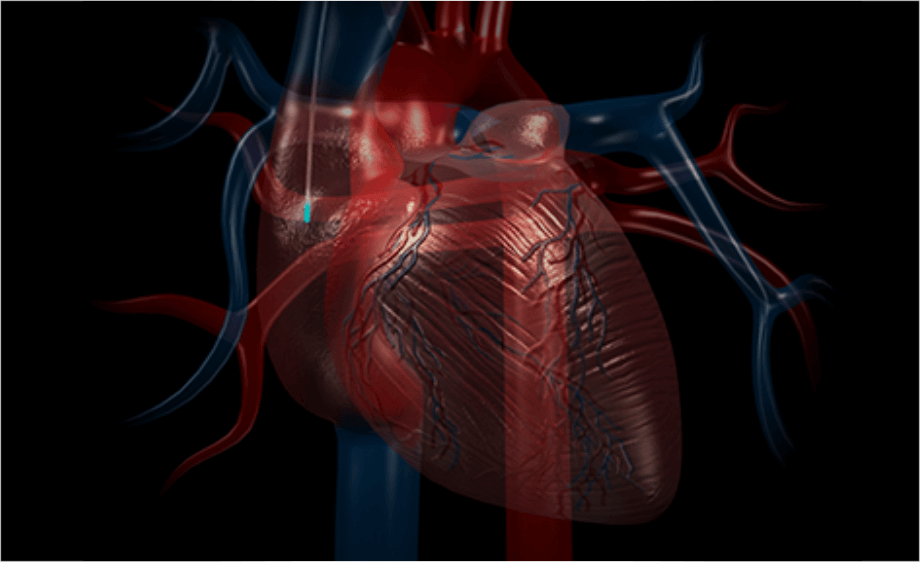
Don’t Miss a Beat: Understanding Continuous, Real Time Physiologic Monitoring
Experts discuss the importance of continuous, real-time monitoring in preclinical research, sharing case studies including using continuous EEG monitoring for sleep studies and using telemetry in Biodefense research.
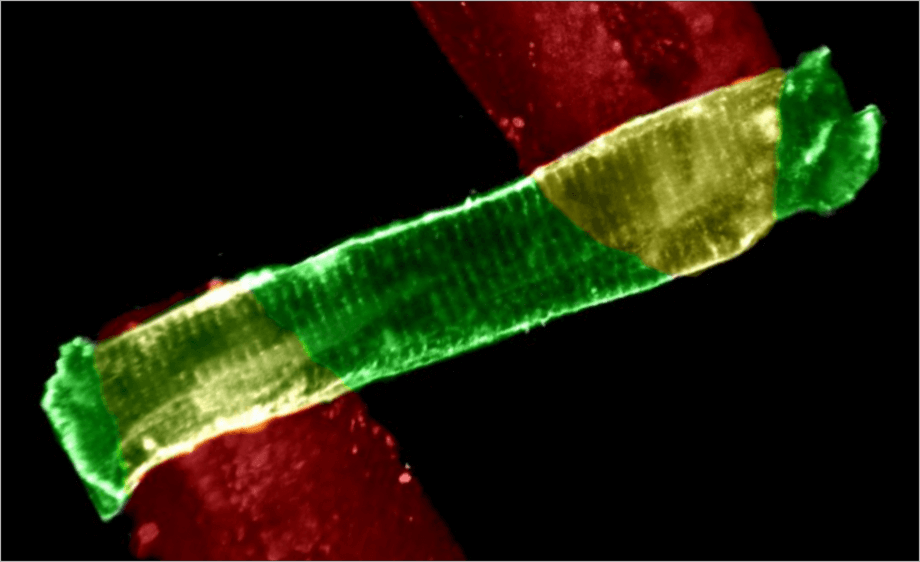
Measuring Force in Single Heart Cells
An essential webinar cardiovascular scientists interested in best-practices and techniques for attaching, stretching and studying isolated myocytes
Freedom: The Promise of Telemetry Revisited – Move Anywhere At Anytime And Still Collect Quality Data
Experts show new capabilities in wireless physiologic monitoring enabled by the Stellar Telemetry system

The Evolution of Wireless Monitoring and Review of Industry Standards in Drug-discovery and Safety Pharmacology and Toxicology
A discussion on the history of wireless monitoring technology as applied in preclinical physiology, drug-discovery, and safety pharmacology and toxicology applications.
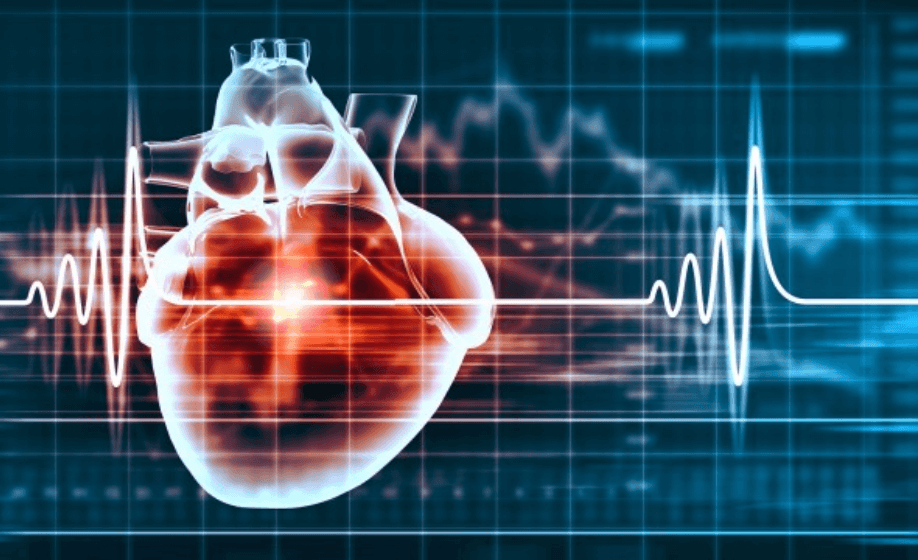
Hemodynamic Assessment: Pressure-Volume Loop Case Studies
Experts discuss the role of PV loops in HFpEF, drug-discovery and safety testing, pulmonary hypertension and for medical device testing.

Basic Hemodynamic Principles Viewed Through Pressure-Volume Relations: Fundamentals
An essential two-part webinar for cardiovascular scientists reviewing the fundamentals of hemodynamics and how cardiac function can be studied through pressure-volume loop analysis
Basic Hemodynamic Principles Viewed Through Pressure-Volume Relations: Advanced Concepts
Part 2 of an essential two-part webinar for cardiovascular scientists reviewing the fundamentals of hemodynamics and how cardiac function can be studied through pressure-volume loop analysis
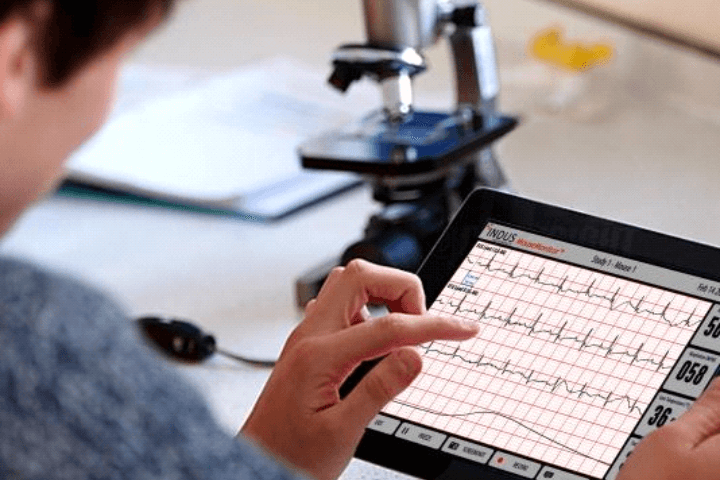
Advancements in Rodent Surgical Monitoring by Indus Instruments
Experts discuss why comprehensive surgical monitoring has become so crucial in today's scientific research space and how the MouseMonitorS is designed to address these specific needs.