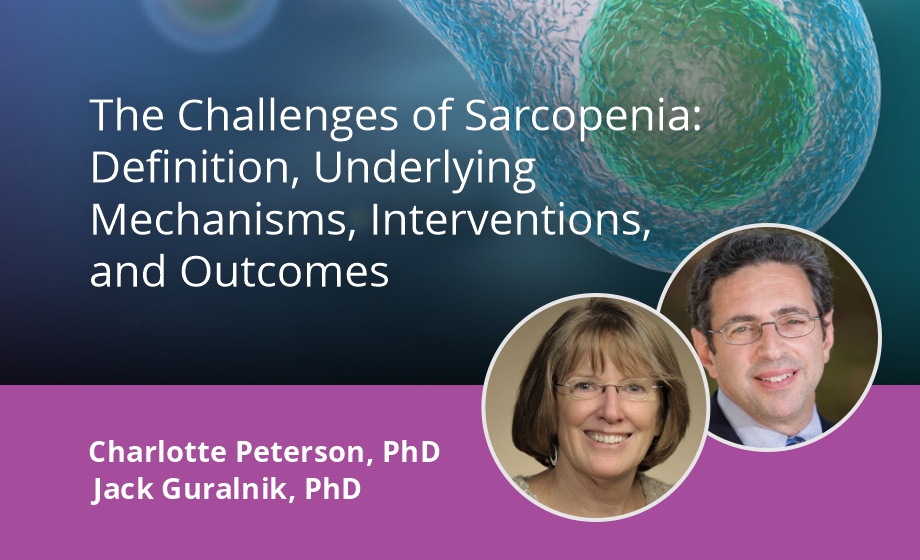
The Challenges of Sarcopenia: Definition, Underlying Mechanisms, Interventions, and Outcomes
Dr. Charlotte Peterson and Dr. Jack Guralnik will discuss the challenges of sarcopenia. They will define the disease and provide an in depth overview of the underlying mechanisms of pathology. They will then share some potential therapeutic interventions and disease outcomes for patients.
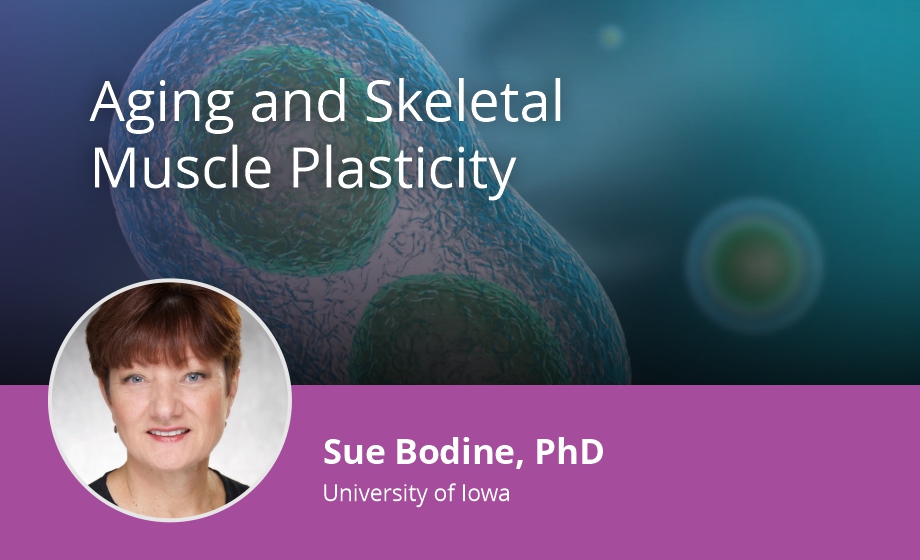
Aging and Skeletal Muscle Plasticity
Join Sue Bodine, PhD for a deep dive into her research focused on the decline in muscle mass with aging and the role that innervation plays in muscle atrophy.
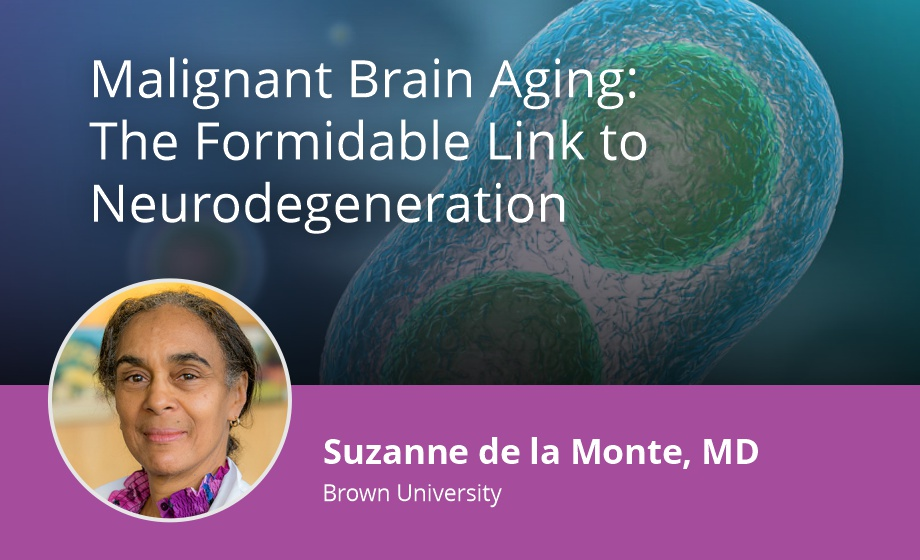
Malignant Brain Aging: The Formidable Link to Neurodegeneration
Dr. De La Monte discusses her research involving the roles of brain insulin deficiency and insulin resistance in Alzheimer's disease.
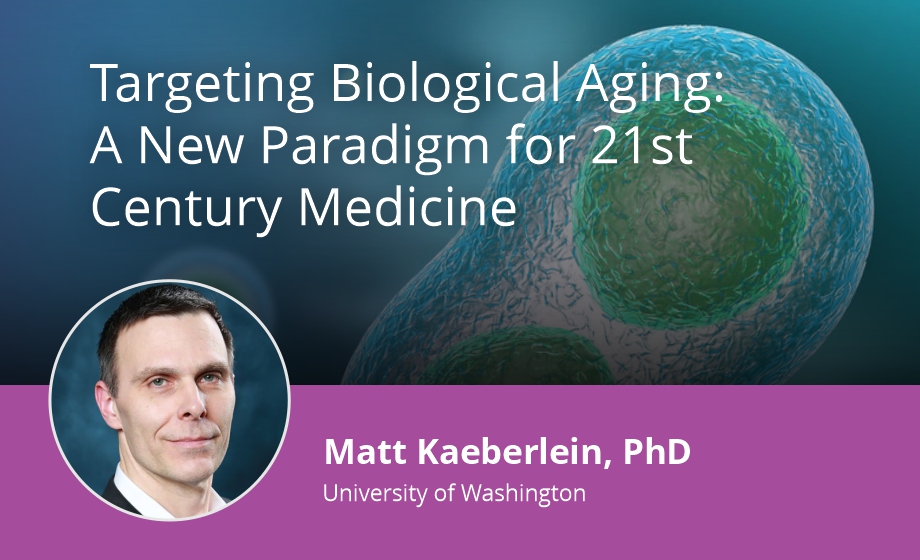
Targeting Biological Aging: A New Paradigm for 21st Century Medicine
During this webinar, Dr. Matt Kaeberlein provides an overview of translational geroscience, which he believes will become the paradigm for the practice of medicine in the 21st century. He also discusses his recent work with one such intervention, the drug rapamycin, and its potential to enhance healthspan in companion dogs and people.

Rodent Models of Pharmacotherapy and Chronotherapy for Obesity and Cardiometabolic Disease
Join Christopher Axelrod and Sander Kooijman, PhD for a discussion on their research into combatting obesity using various new therapies.
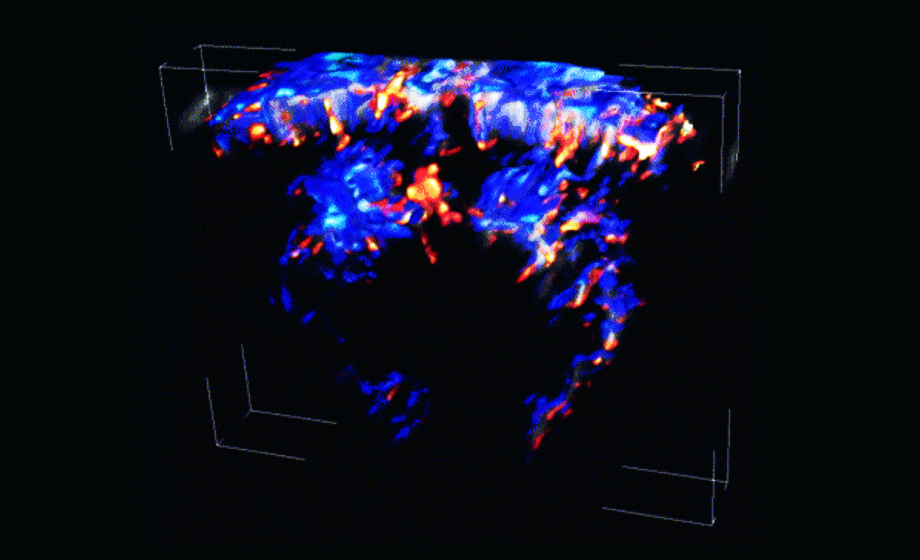
Functional Ultrasound Imaging in Pain and Pharmacology Research
Dr. Sophie Pezet and Dr. Benjamin Vidal discuss methodology, applications and new possibilities enabled by functional ultrasound (fUS) imaging, with a focus on chronic pain and neuropharmacology research.
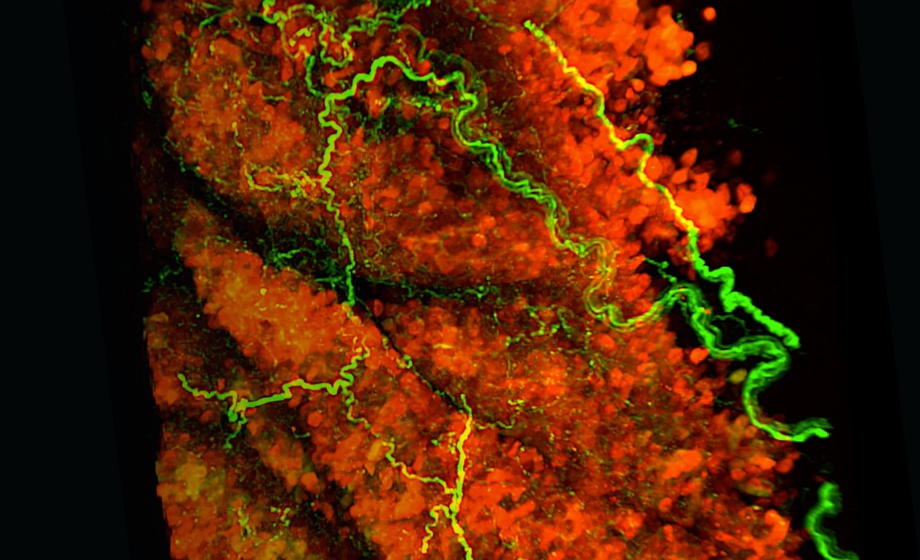
CRISPR-Enhanced Adipocyte Browning: A Cell Therapy Approach to Treat Metabolic Disease
Michael Czech, PhD discusses adipose tissue "browning" as a treatment for metabolic disease, and presents recent data using light sheet microscopy to visualize functional changes in adipose tissue depots.
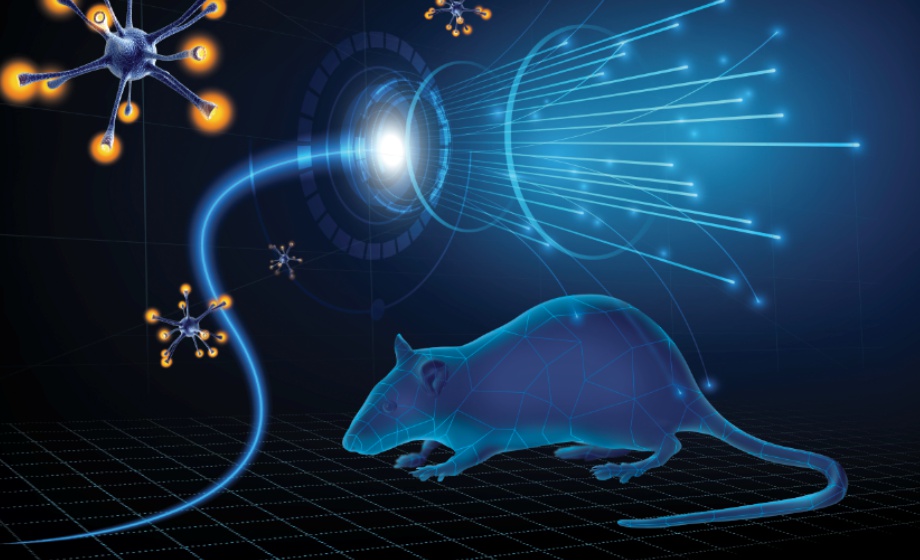
Optogenetic Activation of Selective Cardiac Autonomic Neurons
In this webinar, Dr. Angel Moreno discusses how optogenetics can be used to modulate the cardiac autonomic system, with a special emphasis on experimental preparation, troubleshooting and data analysis and interpretation.
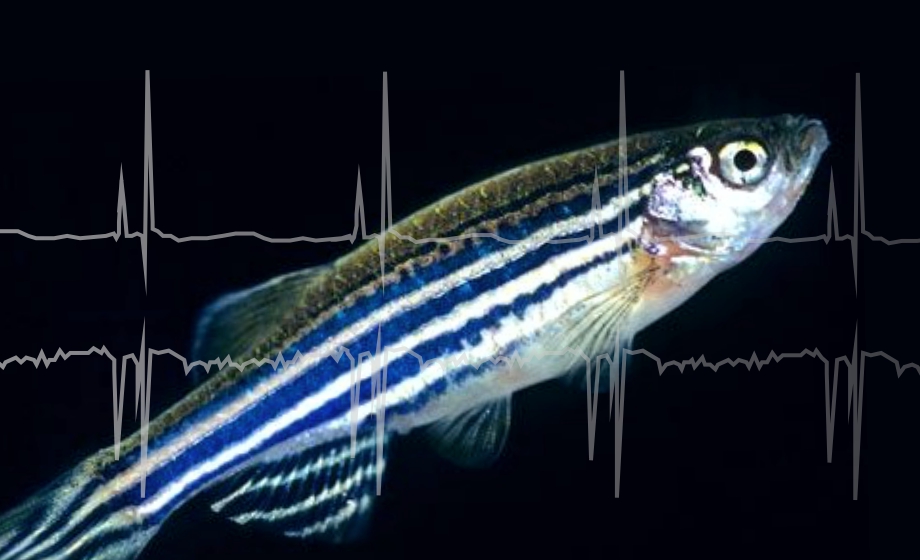
Fishing for Insights from Single-Lead and Multi-Lead ECG of Live Adult Zebrafish
In this webinar, Dr. Thao Nguyen discusses the exciting discoveries that her research team has made, debunks some common myths, and shares best-practices for data acquisition, analysis, and interpretation. Her in vivo studies of adult zebrafish cardiac electrophysiology rely on single-lead and multi-lead surface ECG in live anesthetized adult zebrafish.
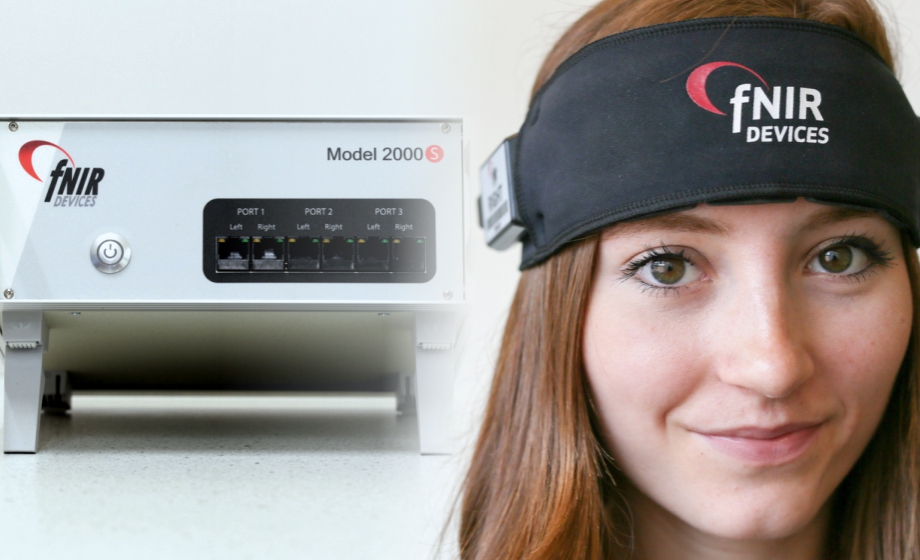
Multimodal Workload Measurements – Combining fNIRS, ECG/HRV, Eye Tracking, & Stimulus Presentation
During this webinar, Alex Dimov and Frazer Findlay walk you through all the steps of creating and analyzing multimodal experiments.
Restoring Vision – Optogenetic Gene Therapy Targeted at Human ON-Bipolar Cells
Dr. Hulliger discusses his work with a new promoter that is raising hopes of improving the quality of life for people suffering from blindness.
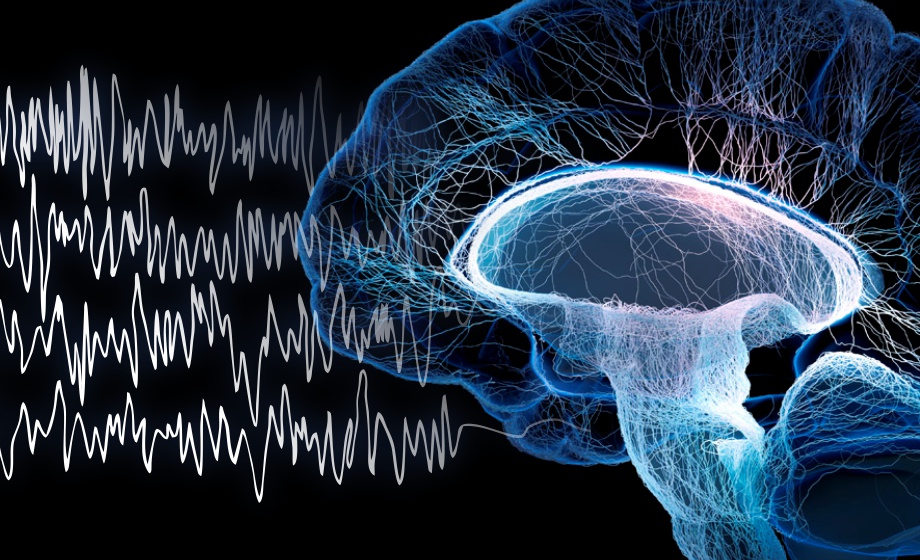
Using EEG to Evaluate the Behavioral Effects of Benzodiazepines in Rhesus Monkeys
Lais Berro, PhD presents recent research demonstrating the anxiolytic, sedative and abuse-related effects of benzodiazepine drugs, and how they correlate with telemetry-based EEG recordings in a translational non-human primate model.
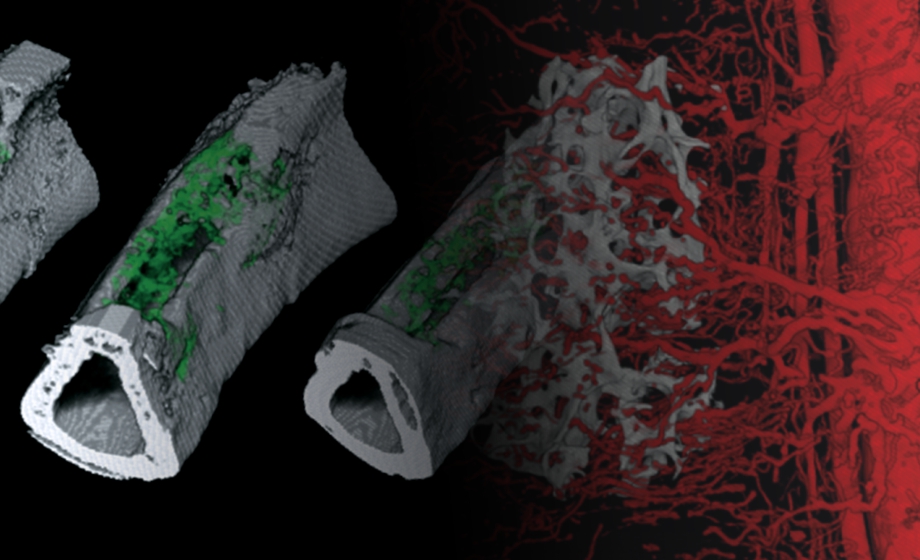
High-Resolution Exploration of ECM-based Vascularized Tissue-Flaps
Join Dr. Idan Redenski for a discussion on the use of high-resolution microCT to assess vascular development and bone turnover when fabricating composite tissue flaps.
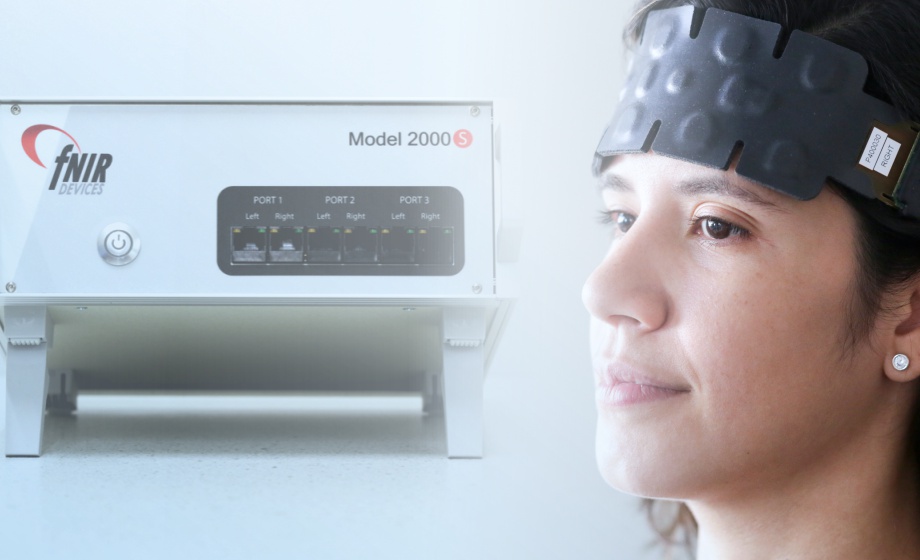
fNIRS for Mental Workload Assessment
During this webinar, Alex Dimov discusses fNIRS in mental assessment research and presents an ergonomic and easy-to-use ecosystem for recording and analysis.
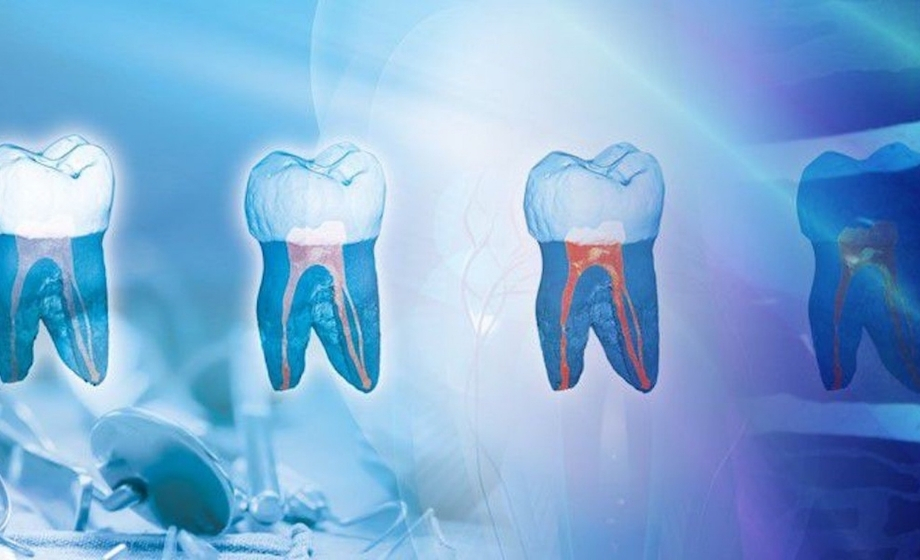
Micro-CT in 3D Data Integration and (Clinical) Workflows for Digital Orthodontics
In this webinar, Petra Julia Koch and Paul Zaslansky, from Charité - Universitätsmedizin Berlin, discuss the importance of 3D data in current digital orthodontics applications and how clinical research can build on the data micro-CT can provide.
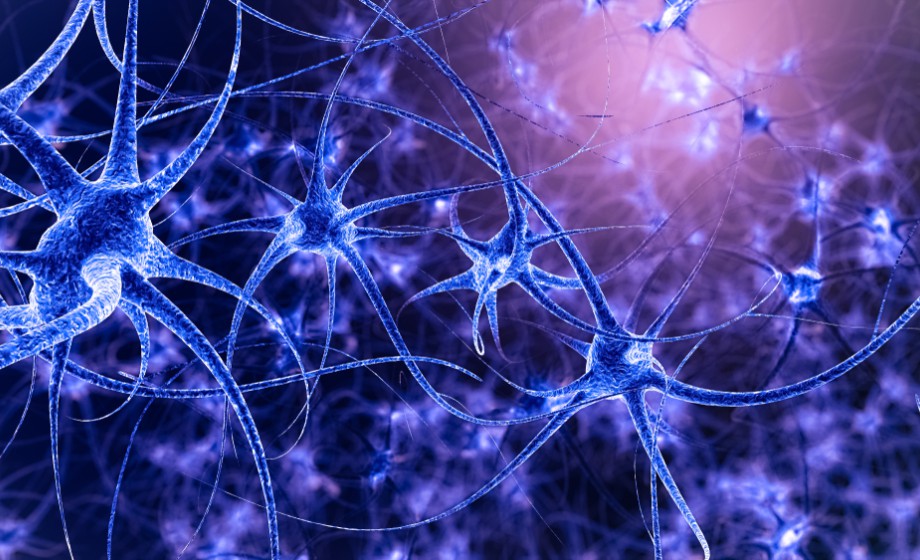
How Estrogen Influences Respiratory Function and Spinal Respiratory Neuroplasticity
Dr. Brendan Dougherty discusses how sex hormones influence respiratory function and the development of respiratory neuroplasticity.

Pulse Wave Velocity: Theory, Applications, Methods, and Future Directions
Arguably, the “gold-standard” method for noninvasive assessment of cardiovascular disease risk is pulse wave velocity (PWV). Join experts for a complete, in-depth overview of their research involving PWV in a variety of different applications and a deep dive into the methods they use to record high-quality, repeatable data.
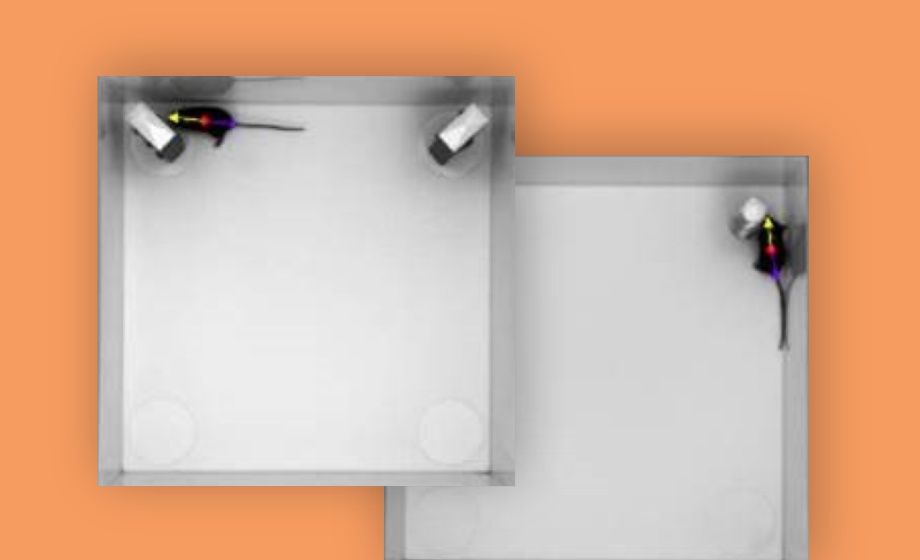
Increasing Reproducibility and Reliability of Novel Object Tests Through Standardization and Automation
In this webinar, Dr. Alicia Brantley summarizes some of the challenges to reproducing novel object tests and the physical and technological solutions she's exploring to overcome these challenges.
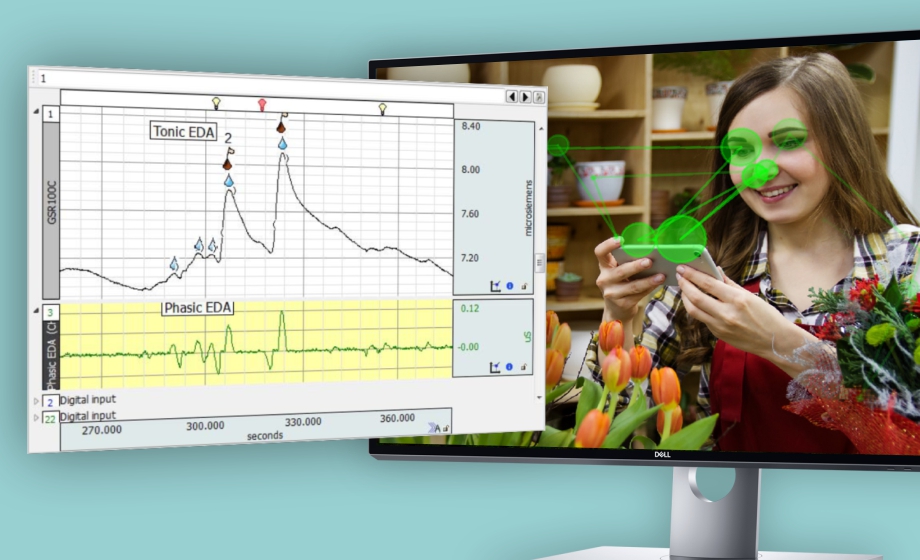
Event-Related EDA Combined with Stimulus Presentation: Set up, Optimize Quality and Analyze
Frazer Findlay and Alex Dimov review how EDA (Electrodermal Activity) combined with physiological stimulus and eye tracking provides insights into physiological processes.

Comfort Food: Effects of Stress and High-Fat Diets on Neuronal Activity and Mitochondrial Remodeling in Mice
Julio Ayala, PhD and Matthew Robinson, PhD share their research focusing on feeding behavior in mice and the effects of stress and exercise on metabolism. They will discuss neuronal activity and high-fat diets as well as mitochondrial remodeling and exercise training in mouse models of obesity.
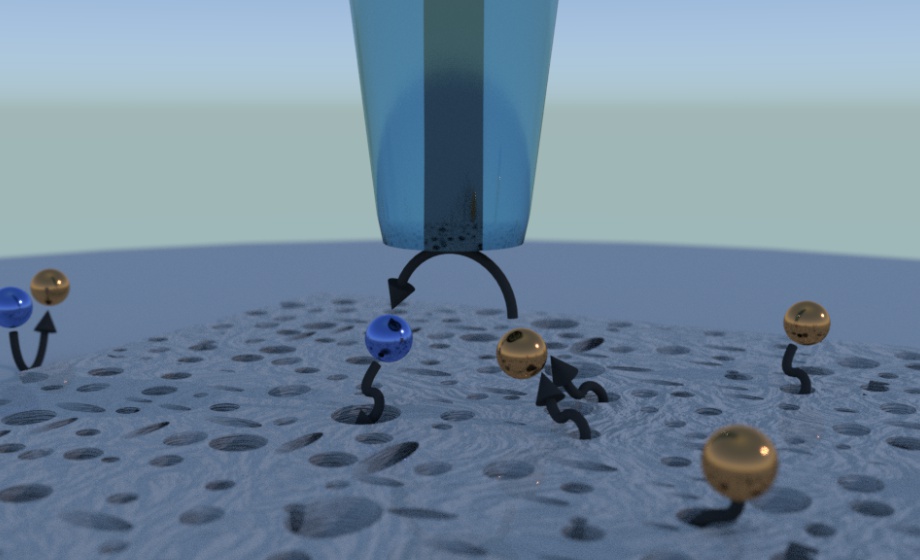
The Wonderful World of Scanning Electrochemical Microscopy (SECM)
Dr. Janine Mauzeroll discusses the fundamentals, critical experimental parameters and recent applications for scanning electrochemical microscopy (SECM).
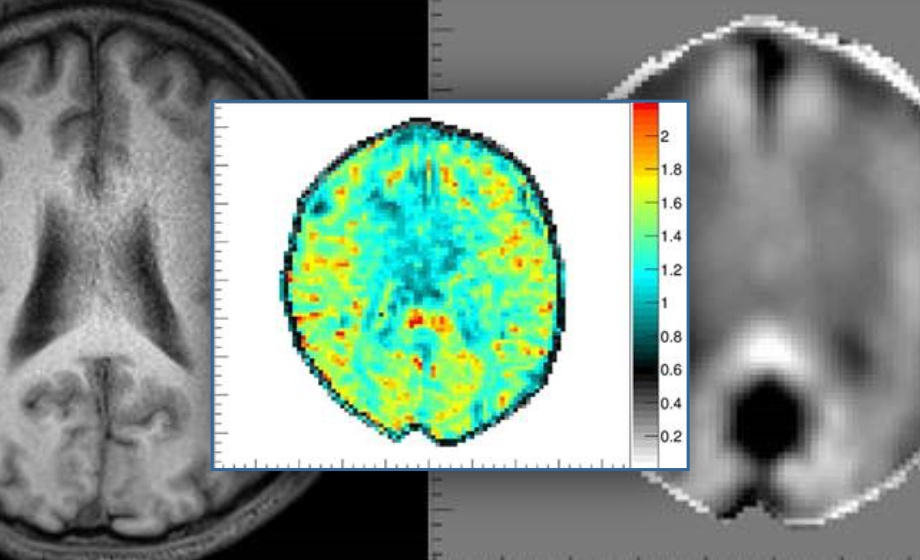
Magnetic Resonance Elastography (MRE): Techniques and Preclinical Applications
Experts outline techniques and analysis methods for MRE, and both discuss and demonstrate implementation of MRE in a broad range of preclinical research applications in healthy animals and models of disease.
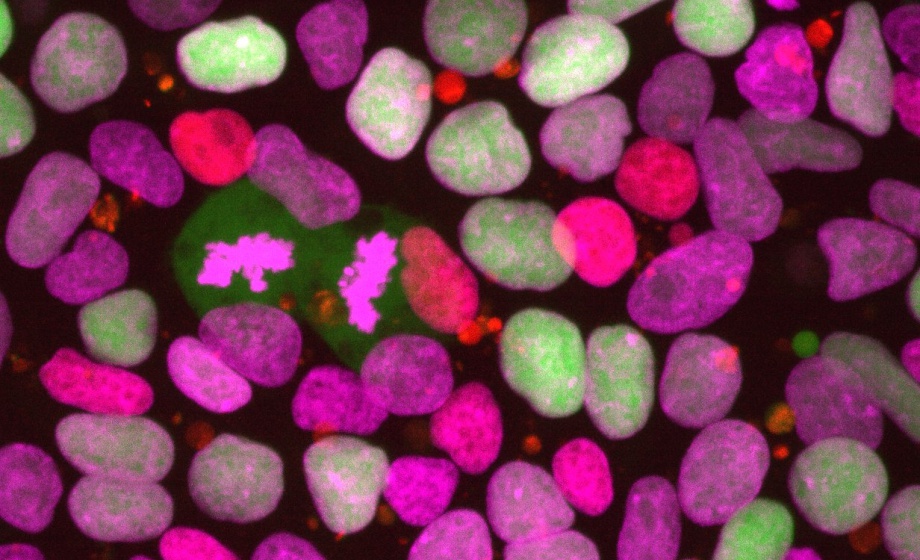
Visualizing Human Stem Cell Dynamics by Multicolor, Multiday High-Content Microscopy
Dr. Rafael Carazo Salas describes the use of multicolour, multiday high-content microscopy to visualise the dynamic cell fate changes of human pluripotent stem cells collectively and at single-cell level.

Reductions in Impulsivity in an Animal Model of Attention Deficit Hyperactivity Disorder (ADHD)
Dr. F. Scott Hall presents his research that focuses on treatments for impulsive behavior commonly associated with Attention Deficit Hyperactivity Disorder (ADHD).
The Role of Nogo-A in Visual Deficits Induced by Retinal Injury
Julius Baya Mdzomba, PhD shows the link between Nogo-A, a membrane protein and potent inhibitor of neuronal growth, and visual deficits aggravation after retinal injury.