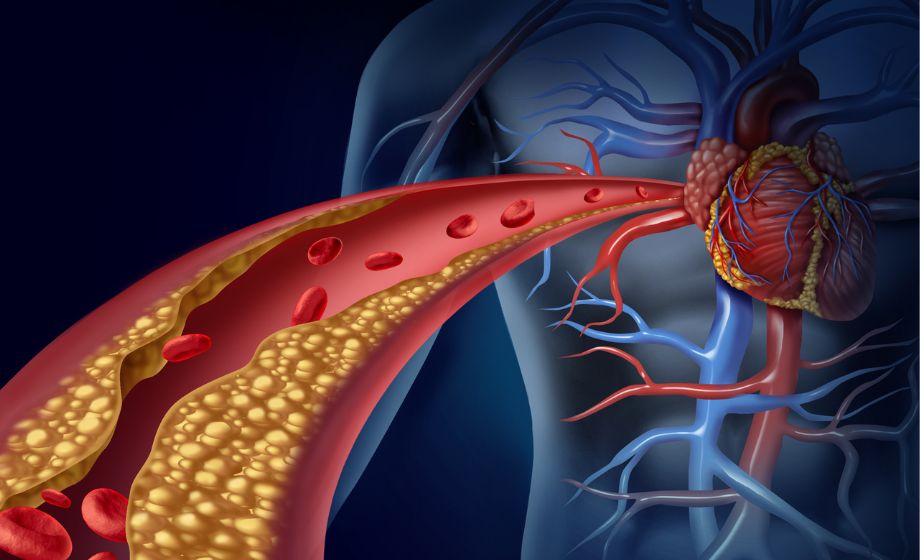
Orphan Receptor GPR55: A New Therapeutic Target for Atherosclerosis?
Since the role of GPR55 in adaptive B cell response regulation has not yet been reported in the context of atherosclerosis, Guillamat-Prats et al. have investigated how GPR55 in B cells affects atherosclerosis development. In this blog post, we highlight the main findings from this study, which was published this month in Nature Cardiovascular Research.
#ExpertAnswers: Bradley Palmer on Measuring Cardiac Tissue
Bradley Palmer answers questions from a recent webinar where he highlighted and demonstrated the challenging preparation of cardiac tissue slices and measurement of force and calcium.
#ExpertAnswers: Adrián Rodríguez-Contreras and Barbara Lind on Neurovascular Coupling
Adrián Rodríguez-Contreras and Barbara Lind discuss their work on neurovascular coupling in awake head-fixed and anesthetized mice, with a focus on the effects of anesthetics.
#ExpertAnswers: Ana Briones on Targeting Inflammation and Vascular Damage in Hypertension
Ana Briones discusses her research on the effects and potential therapeutic targets of excessive inflammation and vascular damage in hypertension.
#ExpertAnswers: Licy Yanes Cardozo on Androgens in Cardiovascular Physiology
Licy Yanes Cardozo expands on her research exploring the role of androgens on cardiovascular physiology in cis and transgender patients.
Sugar, Spice, and a Troubling Vice: Cardiovascular and Cancer Risk with Artificial Sweeteners
Artificial sweeteners appear to be the perfect solution to many of the health problems associated with high sugar consumption, but two recent publications may change the public's opinion on these sugar substitutes.
Mitochondrial Contributions to Muscle Weakness: Student Research from the MHRC
The Muscle Health Research Centre (MHRC) is one of Canada's leading innovators in muscle physiology research. In this blog post, we continue our series of interviews with student researchers at the MHRC and learn more about their research objectives, findings, and goals.
#ExpertAnswers: Aaron Phillips on Neural Hemodynamic Control
Aaron Phillips discusses questions from a recent webinar on his research involving neural hemodynamic control in pre-clinical and clinical models.
Muscle Health Research Centre (MHRC)
The Muscle Health Research Centre (MHRC) provides a centralized and focused research emphasis on the importance of skeletal muscle to [...]
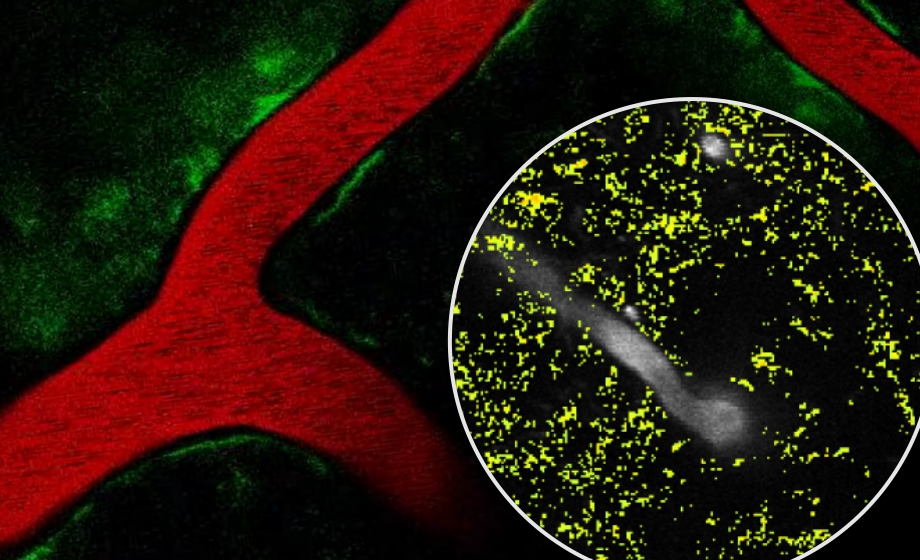
Neurovascular Coupling: Novel Insights from Studies in Awake Head-Fixed and Anesthetized Mice
Join Dr. Barbara Lind and Dr. Adrián Rodríguez-Contreras as they discuss neurovascular coupling in awake head-fixed and anesthetized mice, with a focus on the effects of anesthetics.
Talking Real Science with Tim Hacker
This episode of Share Science features Tim Hacker, PhD, director of the Cardiovascular Physiology and Surgery core facility at the University of Wisconsin-Madison. Tim shares his career path and insights for young scientists on what it's like to run a core lab at an academic institution.
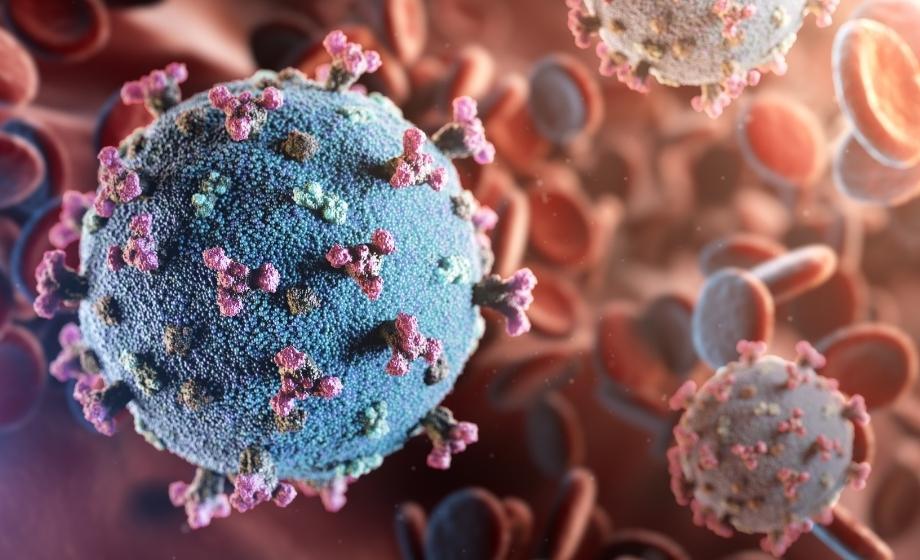
Long-Term Cardiovascular Symptoms of Mild COVID-19
Although the SARS-CoV-2 pandemic has been ongoing for more than two years, a clear understanding of the symptoms of long COVID remains elusive. In this blog post, we review a recent study published in Nature Medicine that investigated cardiovascular symptoms in individuals with prior mild SARS-CoV-2 infections.
Experimental Design Considerations to Optimize Chronic Cardiovascular Telemetry Studies
Phil Griffiths, PhD, presents a summary of chronic cardiovascular telemetry studies and considerations for experimental design.
Cardiometabolic Disease Pathophysiology & Novel Therapies for Atherosclerosis & Calcification
In this webinar, Dr. Michael Sturek reviews features of macrovascular atherosclerosis and microvascular dysfunction that underly ischemic events and the need for appropriate animal models for optimal translation.

Next-Generation Techniques for Understanding Neural Hemodynamic Control
Join Aaron Phillips, PhD, as he shares his research involving neural hemodynamic control in human patients and rodents.
Cardiac Tissue Slices: Preparation, Data Acquisition, and Analysis
Dr. Bradley Palmer demonstrates the challenging preparation of cardiac tissue slices and measurement of force and calcium.
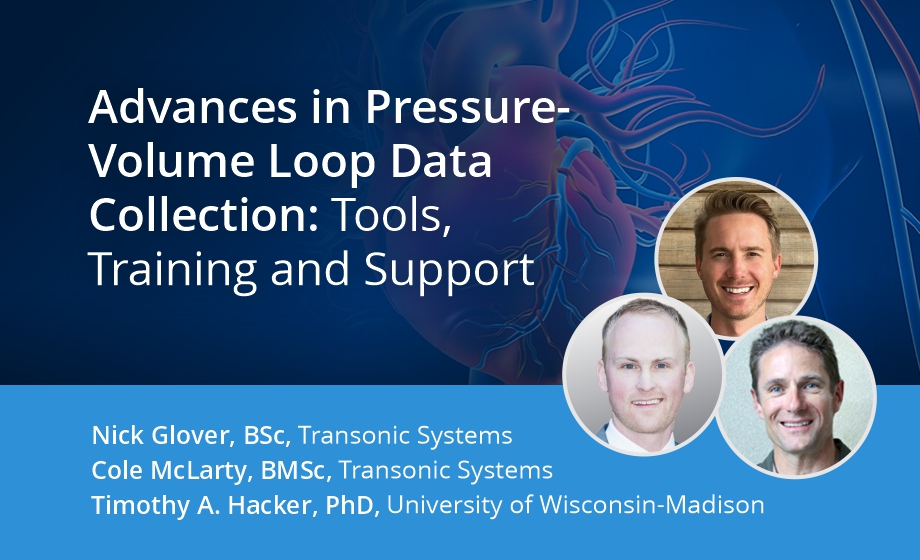
Advances in Pressure-Volume Loop Data Collection: Tools, Training and Support
Join three experts in this technical overview of Pressure-Volume Loop collection and data analysis for cardiovascular research.
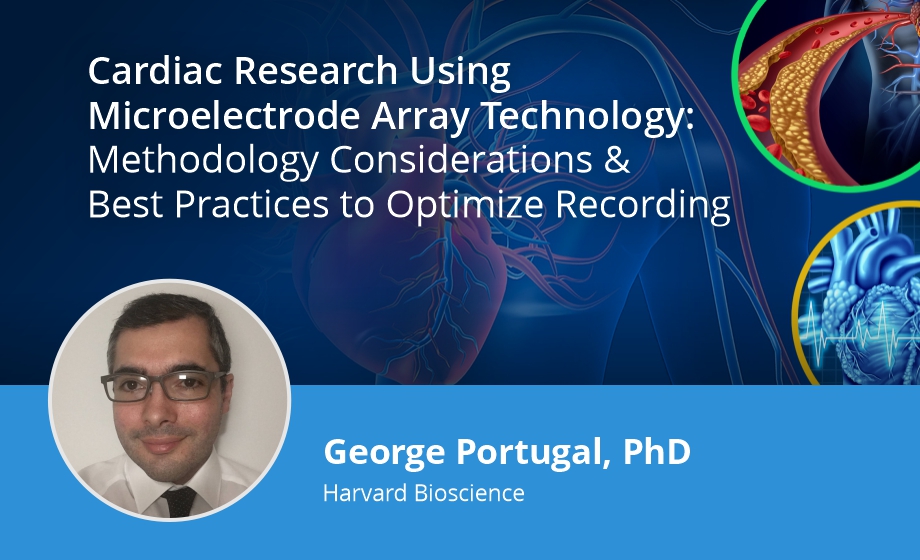
Cardiac Research Using Microelectrode Array Technology: Methodology Considerations and Best Practices to Optimize Recording
Join George Portugal, PhD for an overview of microelectrode array (MEA) technology used for cardiac research and some best practices for integrating this technique into your research.
Talking Real Science with Tim Hacker
Tim Hacker shares his expertise, career path and insights for young scientists on what its like to run a core lab at an academic institution.
#ExpertAnswers: Louise Naylor on Exercise and the Cardiovascular System
Louise Naylor focuses on the benefits of exercise to optimize and maintain the cardiovascular system.
#ExpertAnswers: Guto Montezano on COVID-19 and the Endothelium
Guto Montezano discusses the role of endothelial inflammation and ACE2 biology in COVID-19 infections and the resulting long-term effects.
Investigating a Novel Regulator of Atrial Contractility
Dr. David Barefield gives an in-depth discussion on his research investigating the role of the MyBP-HL protein in atrial contractility.
Vascular Contributions to Dementia
Dr. Ashley Walker answers top questions from a recent webinar titled "Vascular Contributions to Dementia".
#ExpertAnswers: Ashley Walker on Alzheimer’s Disease
Ashley Walker discusses her research on the vascular contributions to late-onset Alzheimer’s disease.