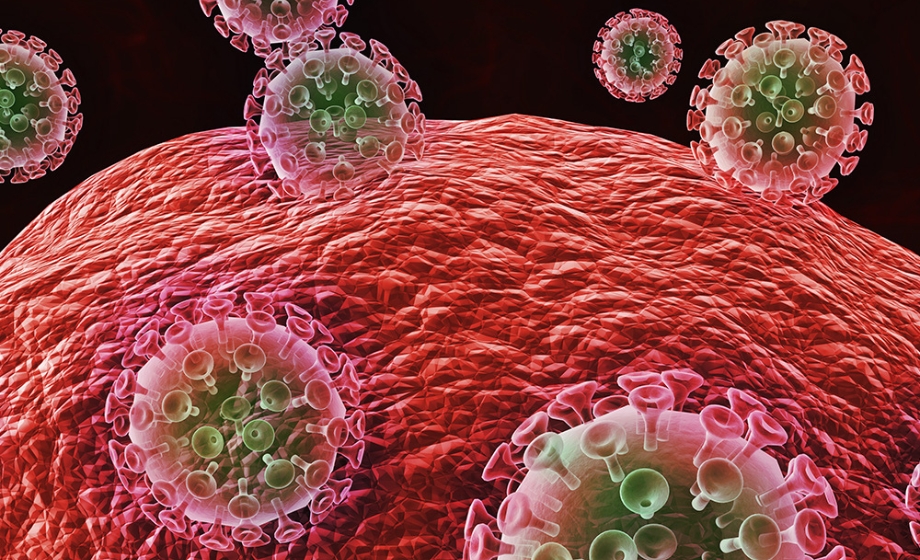
CRISPR Gene Editing in Primary T Cells: A Case Study in the Fight Against HIV
Get practical insight into CRISPR-Cas9 gene editing in primary immune cells and how it can be applied to study drug action in a physiologically relevant model.
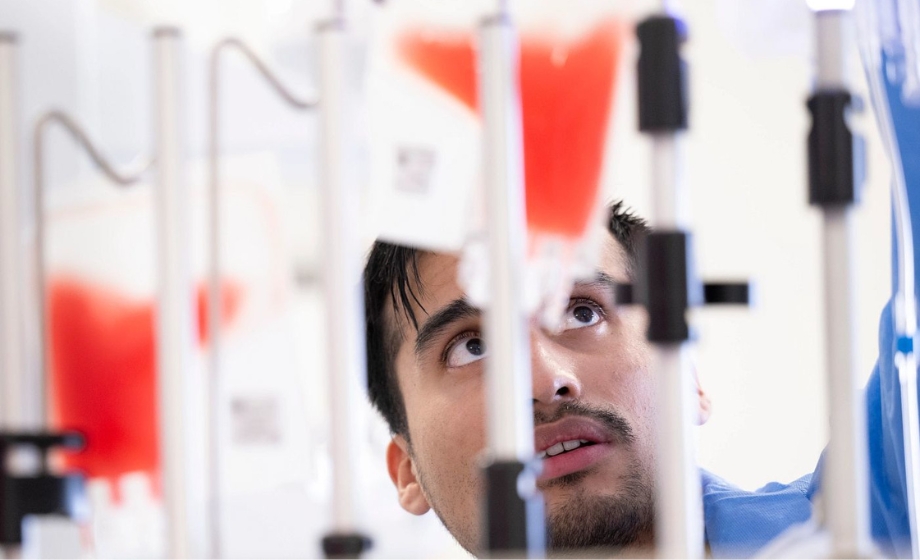
Fresh or Cryopreserved Leukopaks? Assessing the Impact of Different Storage Conditions on Leukopak Stability
Join Dr. Wassim Basheer from Charles River Laboratories as he shares impactful data looking at stability of fresh and cryopreserved leukopaks.
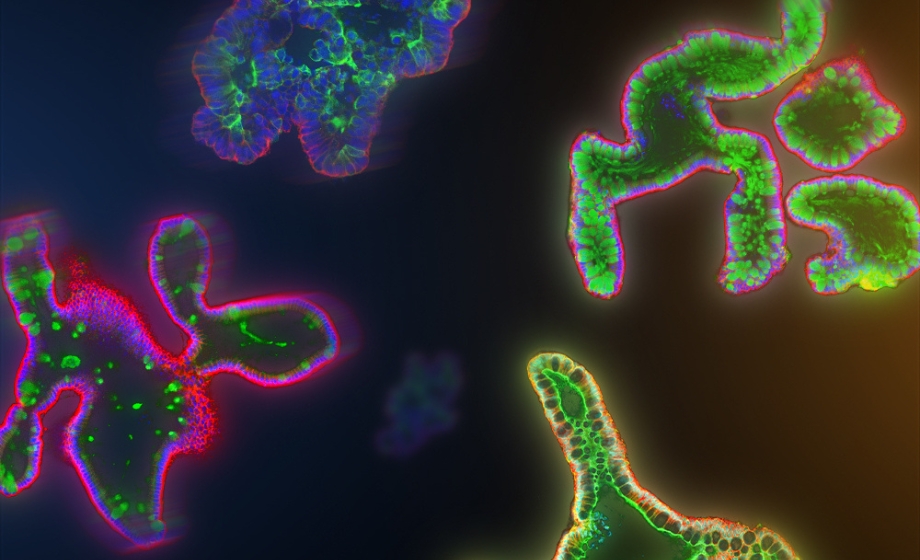
The Hidden Variable in Your Intestinal Organoids: Enhancing Differentiation for a More Predictive Model
Are you confident that your intestinal organoid models contain the right cell types to generate predictive, reproducible, and translatable results?
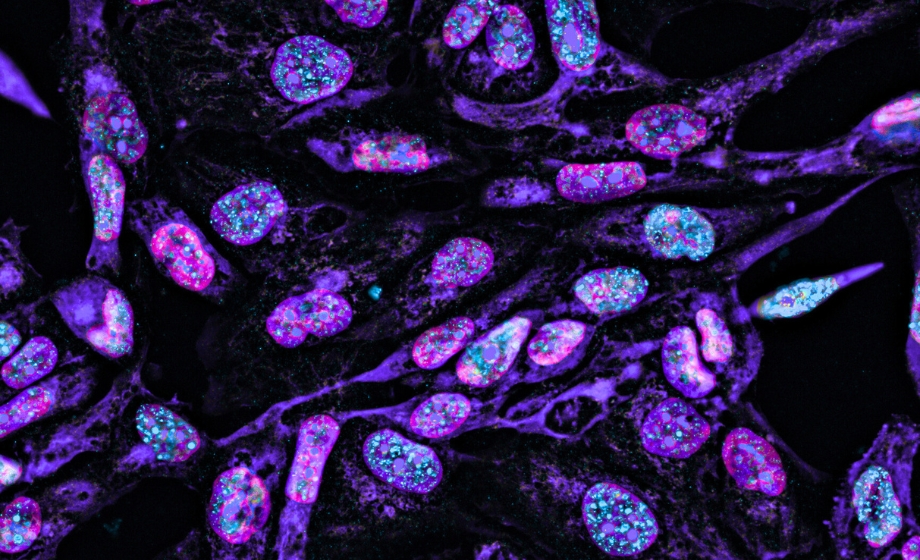
Biomarkers from Bench to Bedside: Tools, Targets, and Translational Insights
Explore how new tools and strategies are advancing biomarker discovery, standardization, and translational research in oncology and beyond.
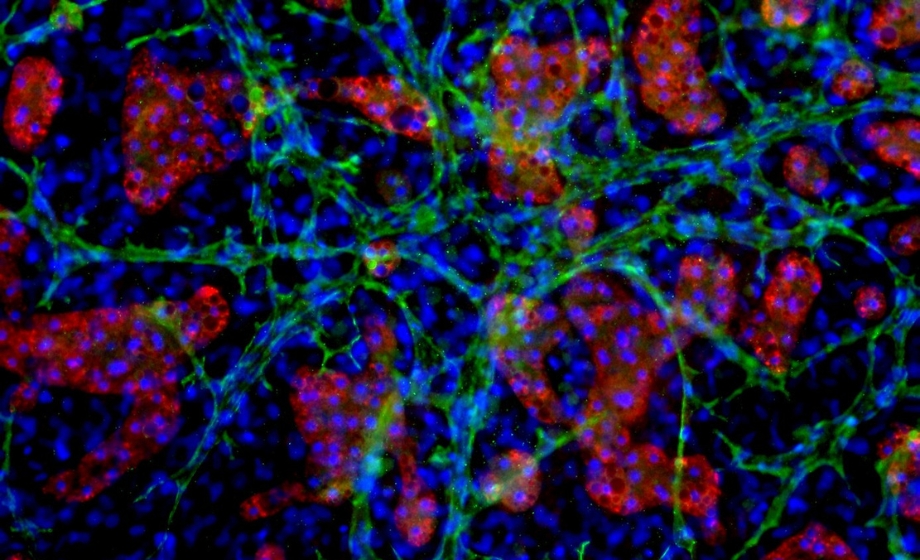
Improved Clearance Predictions for Aldehyde Oxidase Substrates Using TruVivo, a Novel Human Hepatocyte Model
In this exclusive session, Stephanie Piekos, PhD, Senior Scientist at Boehringer Ingelheim, shares insights into the challenges of evaluating AO substrates and how more predictive, human-relevant models are shaping the future of DMPK studies.
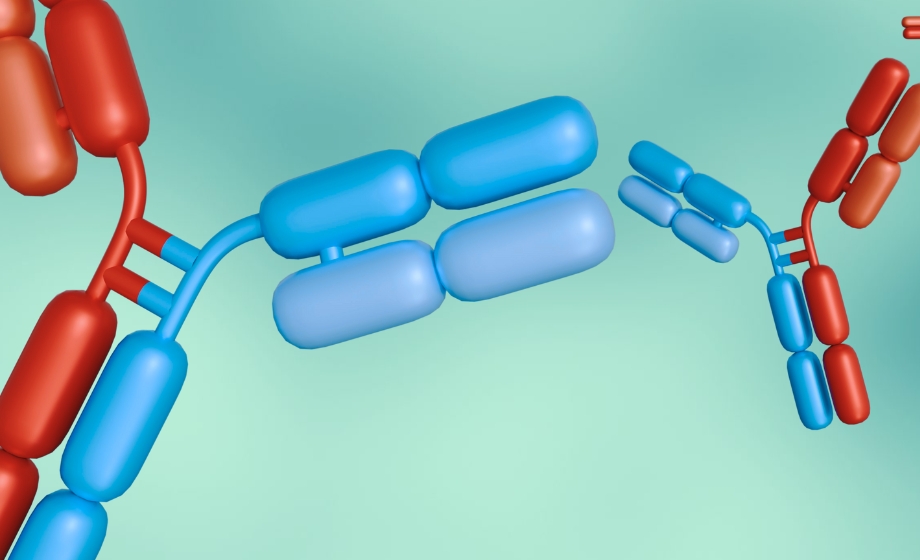
Introduction to Bispecific Antibodies and Their Production
In this webinar, Dr. Brady Wu discusses bispecific antibody drugs and their production.

Integrating Functionalized Multi-omics in Oncology Drug Discovery
Discover how cutting-edge multi-omics approaches and Generative AI are reshaping oncology drug discovery.
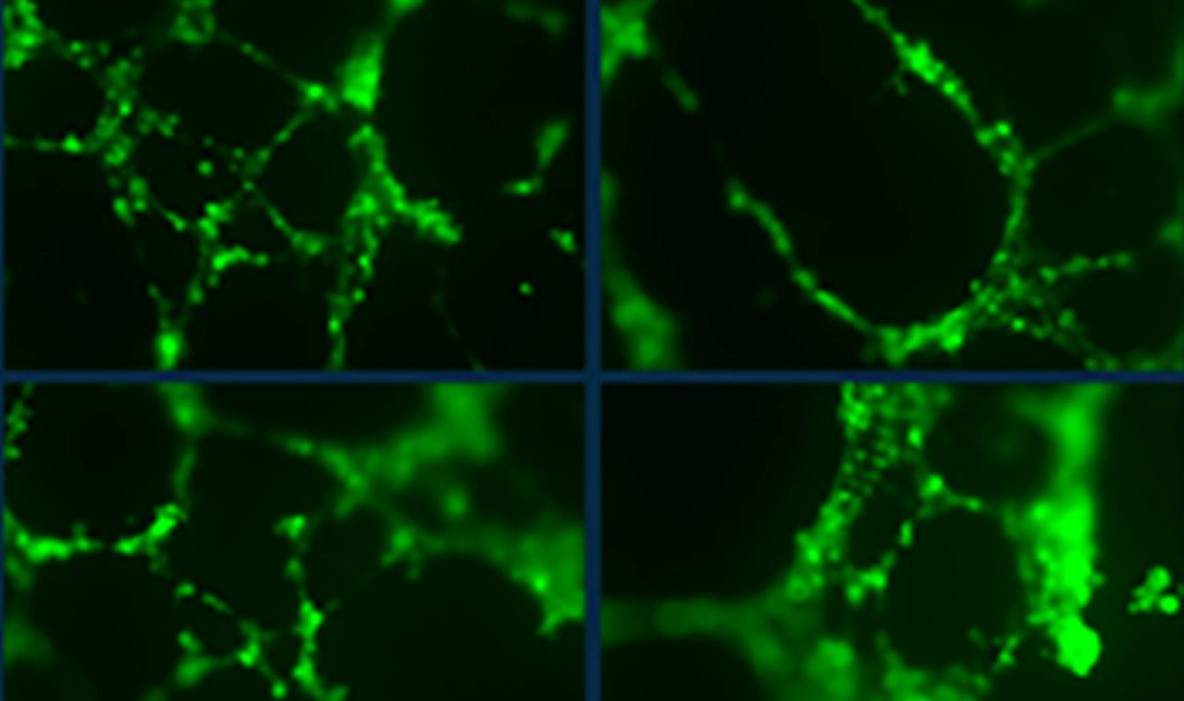
Modeling Angiogenesis in Real Time – A Qualitative, Real-time, In-vitro Tube Formation Assay
Lonza demonstrates the successful development of a tube formation assay using their primary human umbilical vein endothelial cells that can be used to visualize angiogenesis in real-time.

When Smoke Gets in Your Brain: Wildfires and the Lung-Brain Axis
Learn how combustion products from wildfires penetrate the brain, disrupt the blood-brain barrier, and cause persistent inflammation, with researchers also examining the reproductive toxicity and epigenetic risks associated with smoke exposure.
Breaking the Bottleneck: Harnessing Proteomics Services to Overcome Challenges in Clinical Research
This webinar will demonstrate how integrating high-plex proteomics services can help overcome barriers, accelerating decision-making throughout drug development.

Piezo1 Protein: A Key Player in Gut Motility and Inflammation Regulation
Discover how the Piezo1 protein in intestinal neurons influences gut motility and inflammation, offering new insights and potential therapies for conditions like IBD.

Why Women Experience Higher Rates of Chronic Pain than Men
This study uncovers sex-specific mechanisms of chronic pain, highlighting hormone differences that may lead to more personalized and effective treatments for women.

Matchmaking for Heart Cells – Mechanisms Behind Heart Cell Pairing
Researchers at the NIH have created a 4D brain map using a marmoset model to uncover early lesion development in multiple sclerosis, potentially advancing treatment strategies and understanding of brain injuries.
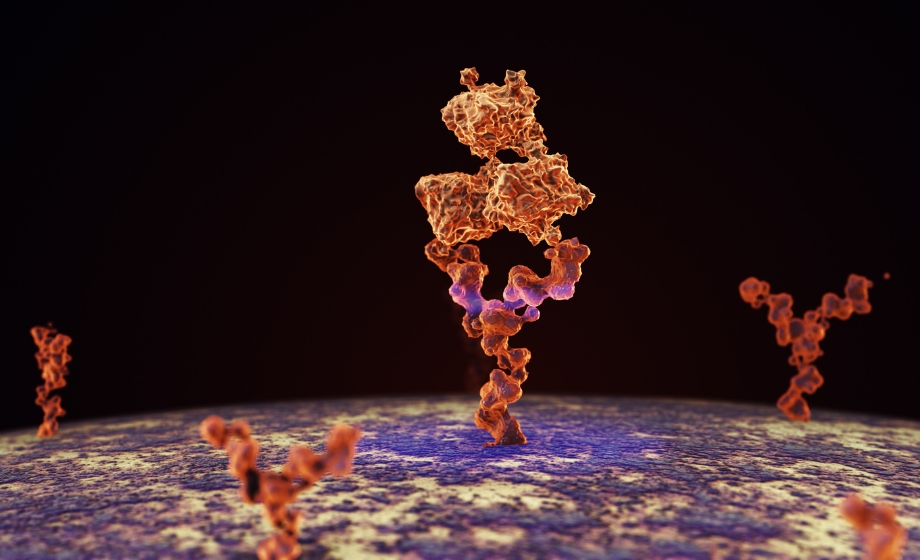
Discovery and Engineering of High-Affinity Soluble T Cell Receptors via a High-Throughput Yeast-Based Platform
Join Dr. Garrett Rappazzo as he presents his team’s research on the discovery and engineering of soluble T cell receptors for peptide-HLA targeting therapeutics.
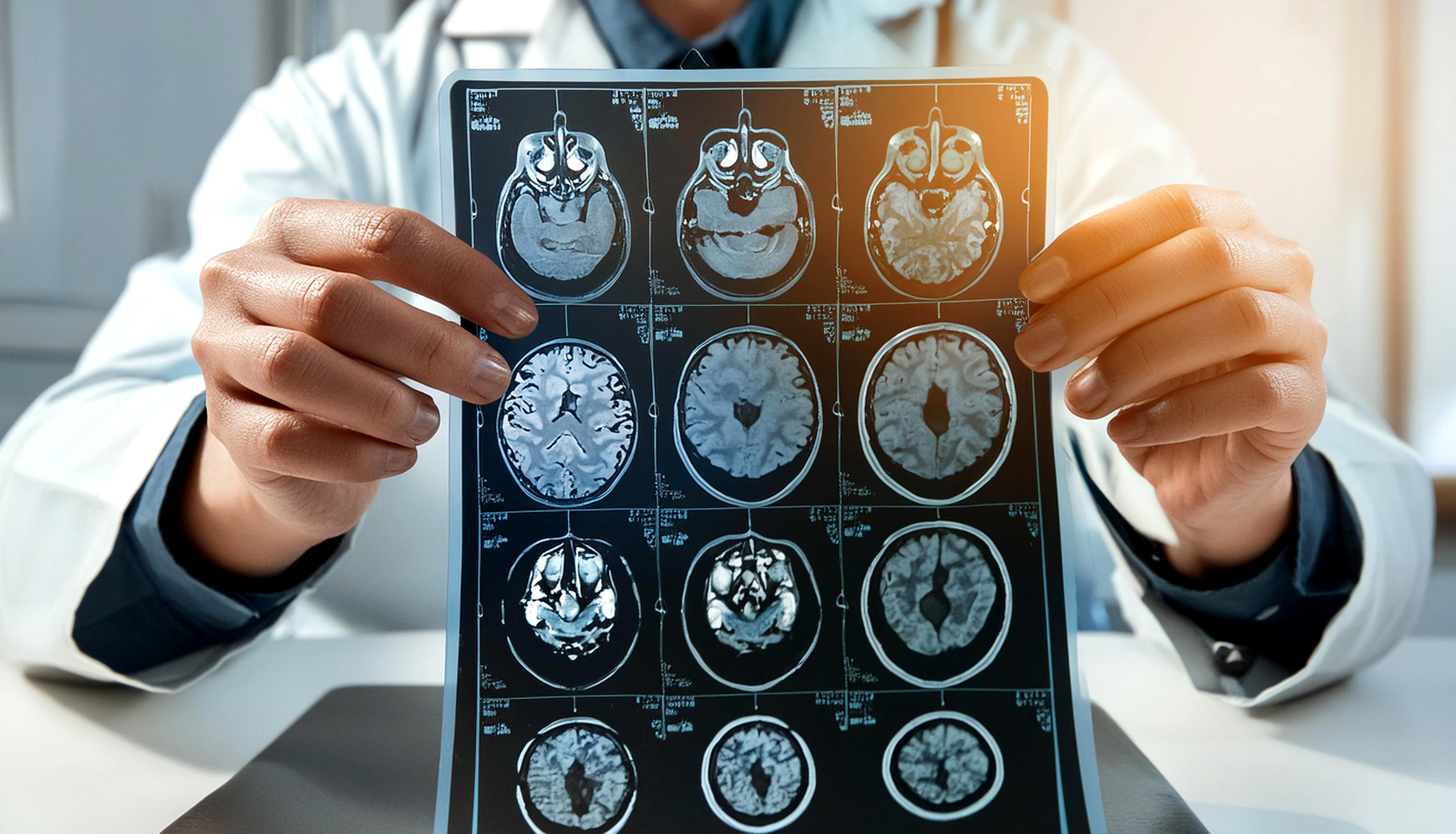
Innovative Brain Map Uncovers Potential Key Players in Multiple Sclerosis Progression
Researchers at the NIH have created a 4D brain map using a marmoset model to uncover early lesion development in multiple sclerosis, potentially advancing treatment strategies and understanding of brain injuries.
Innovative Rabbit Antibodies and Engineering for Therapeutics and Diagnostics
In this webinar, Abwiz Bio scientists present innovative methods for developing rabbit monoclonal antibodies for therapeutic and diagnostic applications, showcasing cutting-edge phage display and antibody engineering techniques.

Understanding Sex Differences in Stress Response
This study by UF Health reveals sex-specific differences in stress responses linked to the neurosteroid allopregnanolone, offering insights for developing personalized treatments for stress-related disorders.
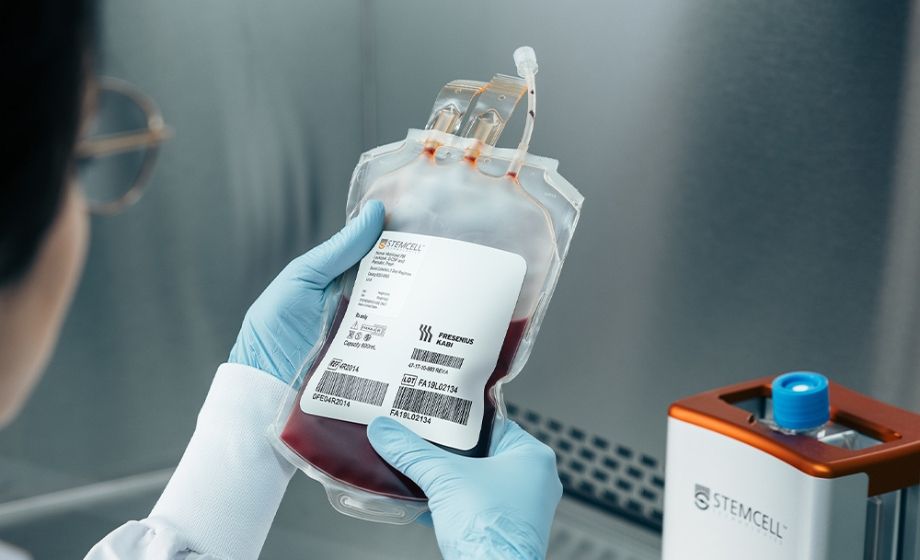
High-Quality Mobilized Leukopaks to Enhance Your Cell and Gene Therapy Research and Development
Learn about mobilized leukopaks, CD34+ cell isolation, and cutting-edge techniques in cell and gene therapy research with STEMCELL Technologies.
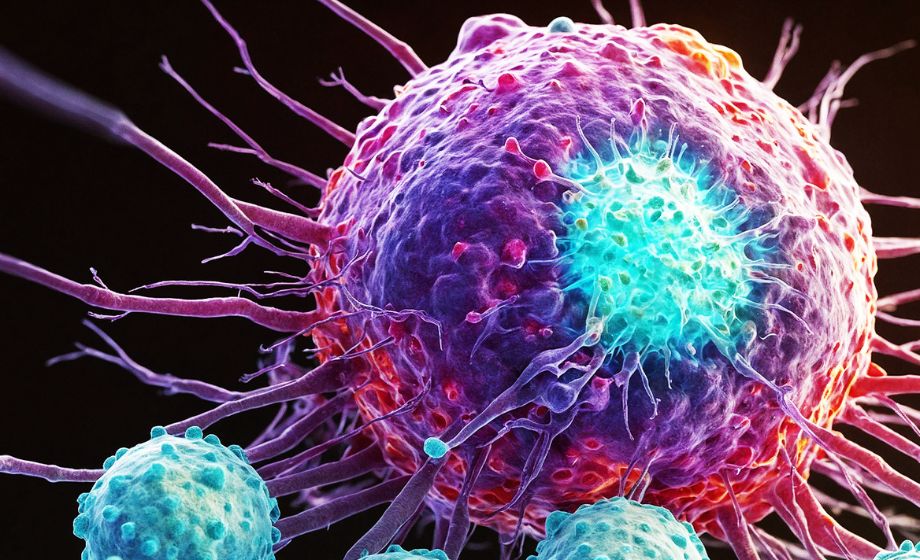
Considerations in Tissue Acquisition and Characterization for the Development of Long-Term Tumoroid Models
Join experts from Discovery Life Science as they explore cutting-edge 3D tumor models and their potential to accelerate cancer research and development.
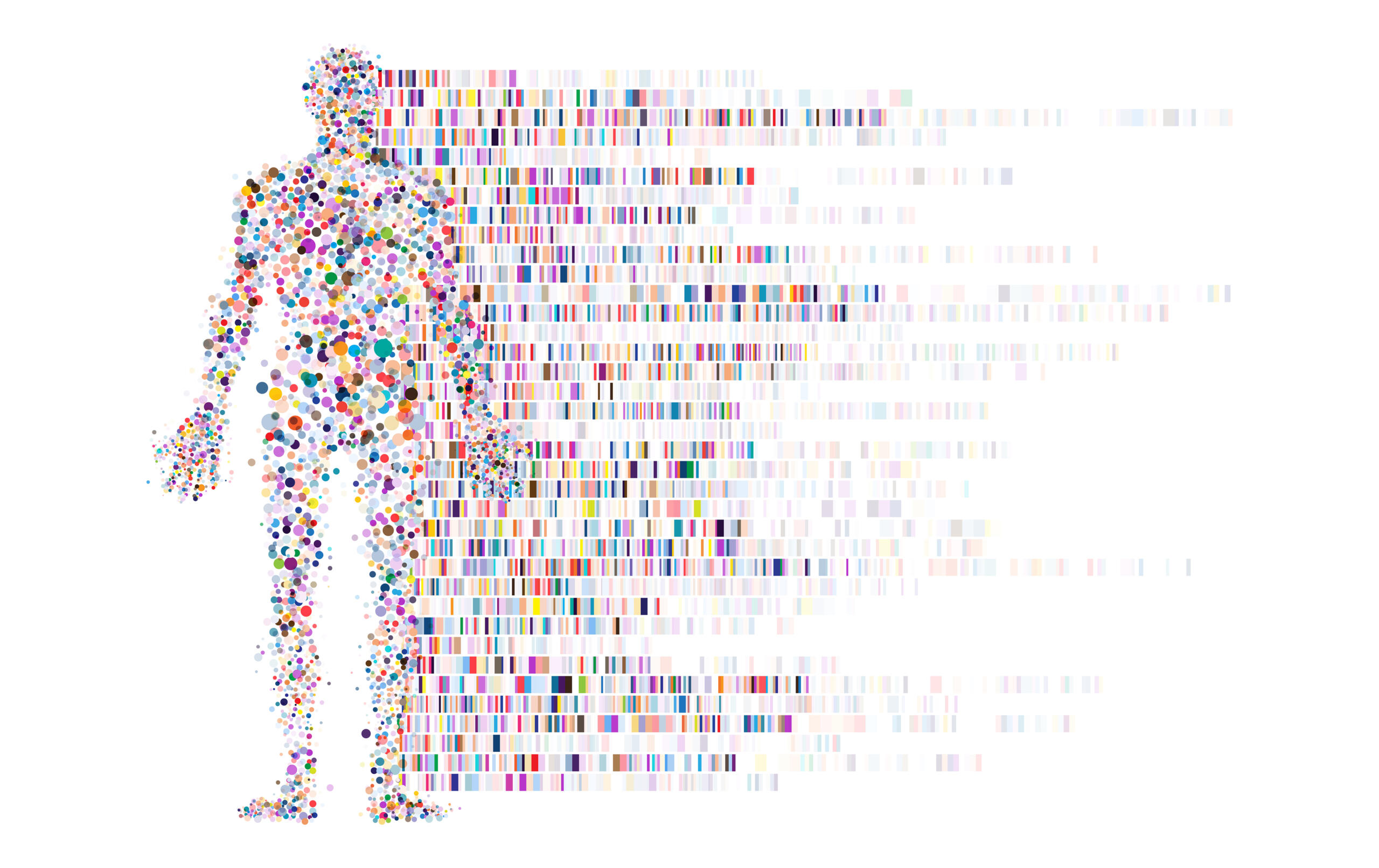
New Insights into Aging: Which Aging Theory Prevails?
Read about groundbreaking research from UC San Diego linking genetic mutations and epigenetic changes, offering new insights into the molecular mechanisms of aging and reshaping future anti-aging strategies.

Xenon Gas: A Promising New Approach for Alzheimer’s Treatment
Discover how xenon gas, traditionally used as an anesthetic, shows promise in treating Alzheimer's disease by activating brain immune cells to reduce plaques and inflammation.

Can Nonagenarians Defy Cardiovascular Risks to Brain Health?
Research from UC Irvine questions traditional views on cardiovascular risks and brain health in individuals 90 and over.

Advancing Your Innovation: Navigating the Complexity of Stable Cell Line Development
Join experts from ProteoGenix and Eurofins as they share strategies and solutions to streamline stable cell line development, ensuring high yields, clonal homogeneity, and seamless GMP transitions for biopharmaceutical success.
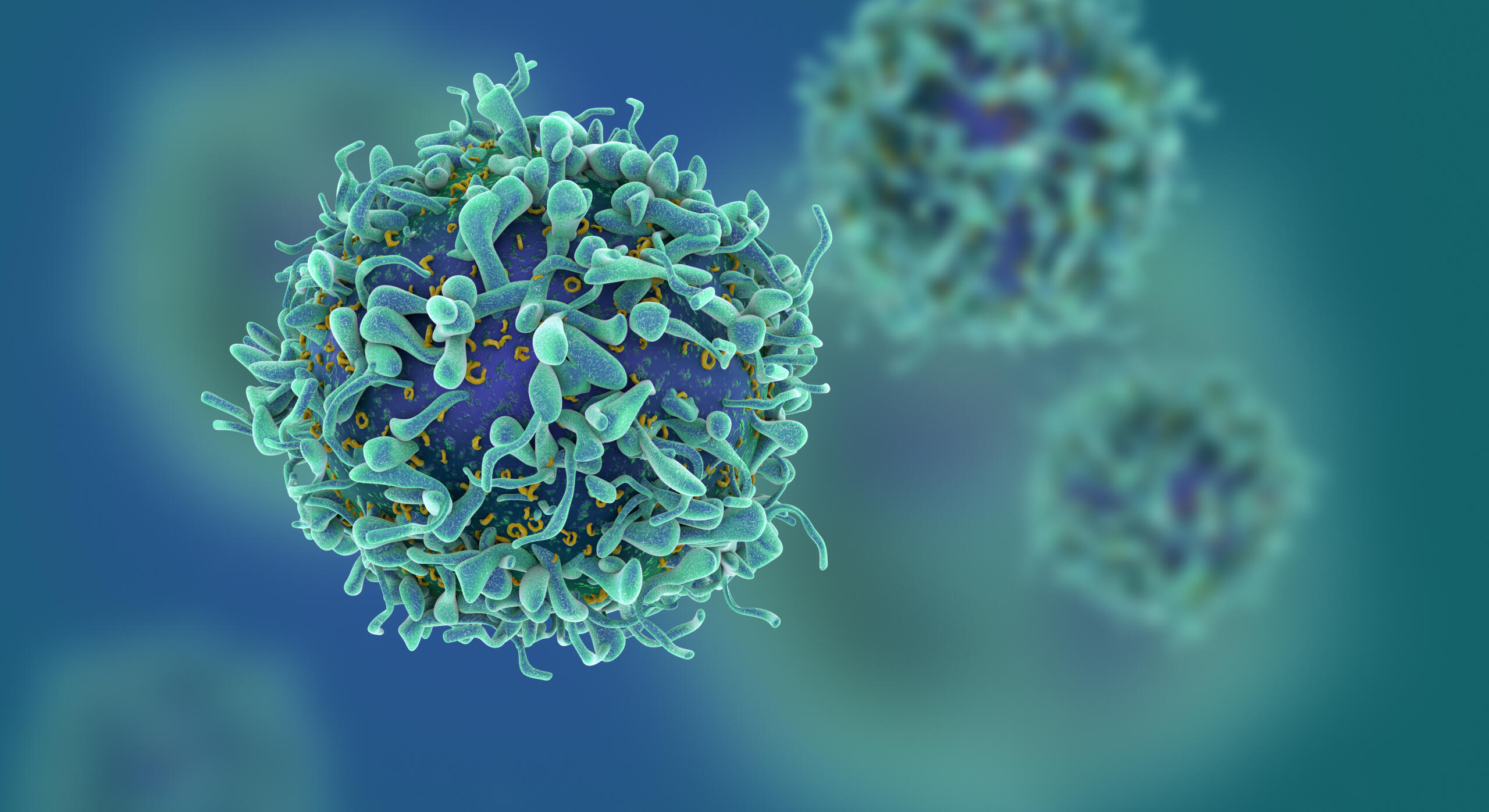
The Impact of Nutrition on T Cell Fate and Exhaustion
Researchers at the Salk Institute have discovered that a switch from acetate to citrate as a nutritional source significantly influences T cell identity, particularly transforming active effector T cells into exhausted ones in chronic infections like cancer and HIV.