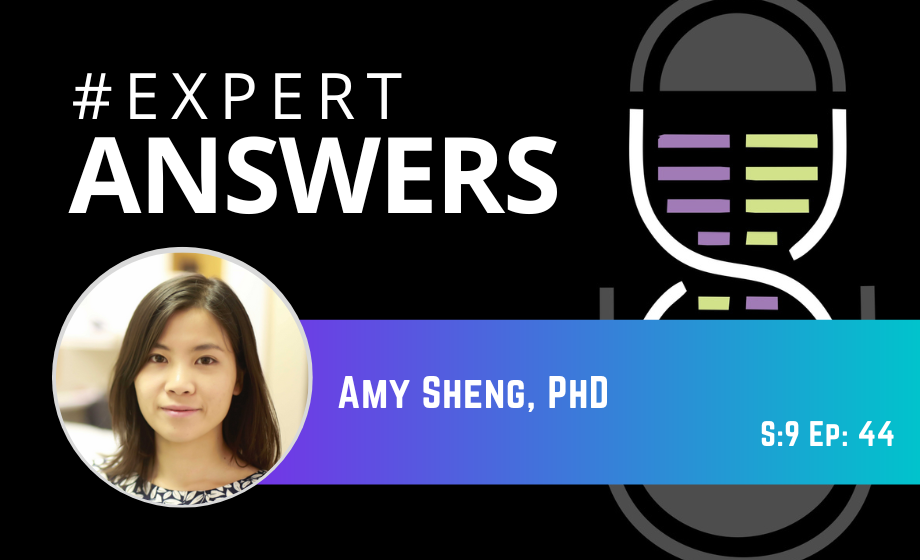
#ExpertAnswers: Amy Sheng on Antibody Screening and Discovery
Amy Sheng provides an overview of antibody screening platforms and presents applications and case studies using the Beacon® platform for antibody discovery.

#ExpertAnswers: Ejvind Mørtz on Protein Analysis
Ejvind Mørtz discusses the benefits and applications of mass spectrometry (MS)-based host cell protein (HCP) analysis and why HCP ELISAs are insufficient for documenting product-related impurities.
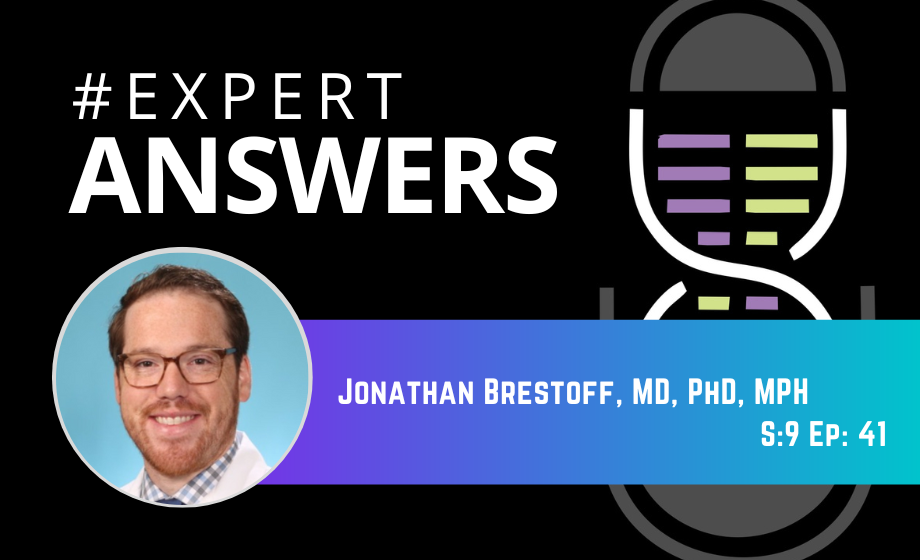
#ExpertAnswers: Jonathan Brestoff on Energy Expenditure
Jonathan Brestoff explains how energy expenditure can be better described thanks to a new bioinformatic algorithm known as Clambake.
#ExpertAnswers: Michael Sturek on Macrovascular Atherosclerosis and Microvascular Dysfunction
Michael Sturek reviews features of macrovascular atherosclerosis and microvascular dysfunction that underlie ischemic events and the need for appropriate animal models for optimal translation.
#ExpertAnswers: David Barefield on Atrial Dysfunction
David Barefield discusses his work investigating the role of the Myosin binding protein H-like (MyBP-HL) protein in atrial dysfunction.
#ExpertAnswers: Eduardo Marbán on Regenerative Cardiovascular Medicine
Eduardo Marbán dives into the complexities of regenerative cardiovascular medicine and the future directions for cell therapies.

#ExpertAnswers: Bradley Palmer on Measuring Cardiac Tissue
Bradley Palmer answers questions from a recent webinar where he highlighted and demonstrated the challenging preparation of cardiac tissue slices and measurement of force and calcium.
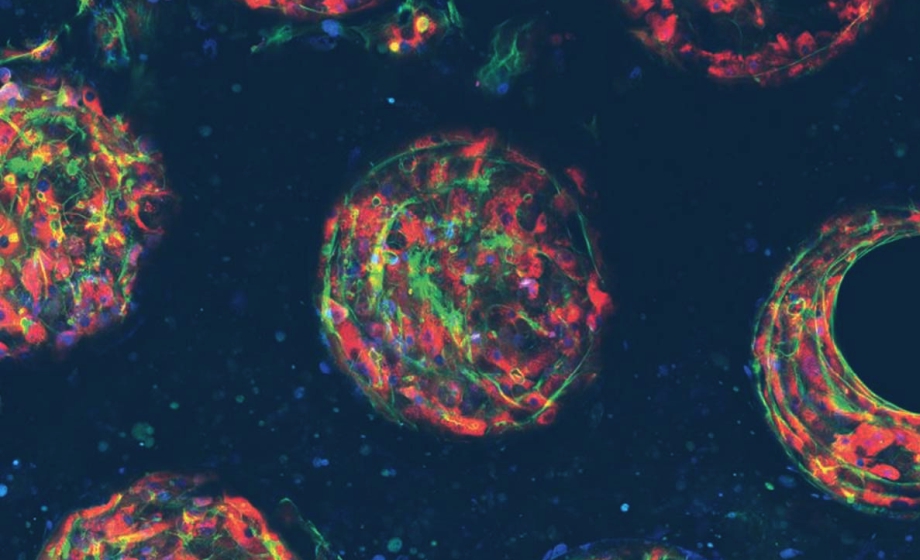
It’s Life, but Not As We Know It: How Predictive Human Organ Models Are Transforming and Reshaping the Efficiency of Drug Discovery
Dr. Audrey Dubourg and Dr. Gareth Guenigault explore the value that an organ-on-a-chip approach can bring to drug discovery and development workflows, and how the regulatory landscape is shifting to encourage their widespread adoption.
Industry Insights with Crown Bioscience: In Vitro Technologies for Studying the Cancer-Immunity Cycle
Rajendra Kumari and Gera Goverse from Crown Bioscience provide an overview of the cancer-immunity cycle and describe in vivo, in vitro, and ex vivo research tools to study immuno-oncology.
Mitochondrial Contributions to Muscle Weakness: Student Research from the MHRC
The Muscle Health Research Centre (MHRC) is one of Canada's leading innovators in muscle physiology research. In this blog post, we continue our series of interviews with student researchers at the MHRC and learn more about their research objectives, findings, and goals.
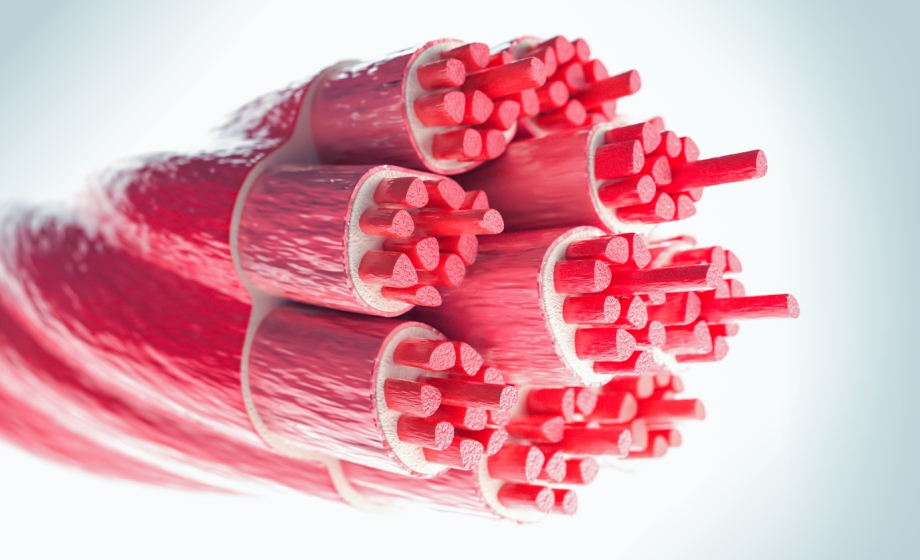
Functional Recovery of the Musculoskeletal System Following Injury – Leveraging the Large Animal Model
Watch Dr. Sarah Greising discuss the current pathophysiologic understanding of the skeletal muscle remaining following traumatic musculoskeletal injuries.
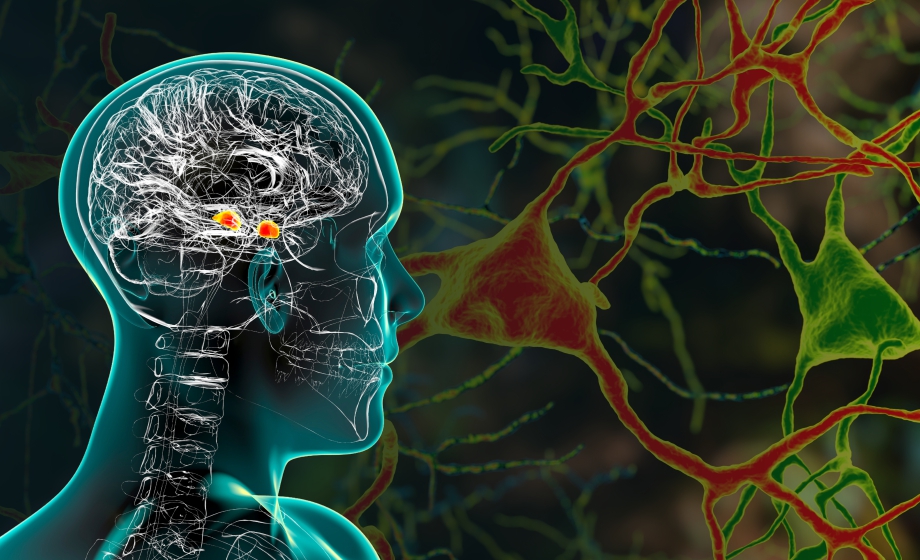
Fright or Delight? Dopamine-Mediated Fear Response in the Amygdala
Since little is known about how dopamine affects aversive learning in humans, Frick et al. recently sought to describe the role of dopamine in fear memory formation within the human amygdala, which we review in this blog post.
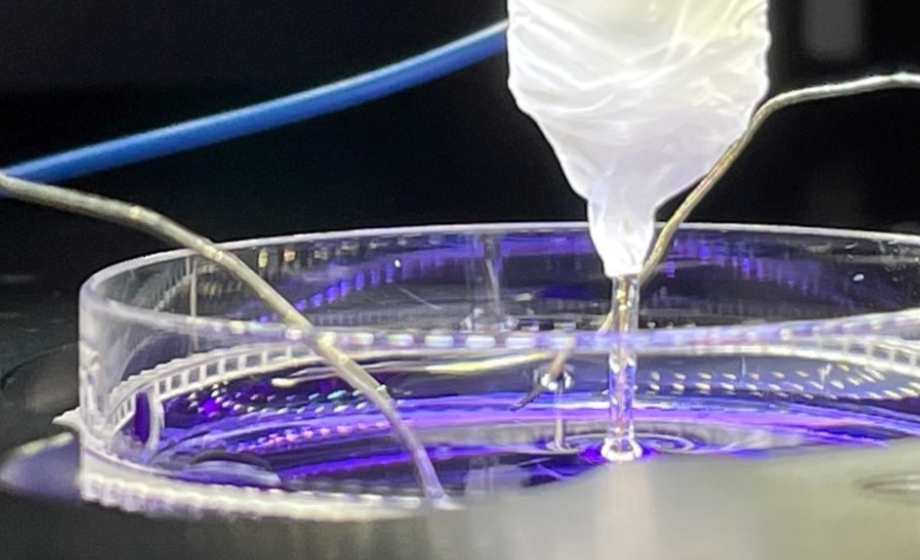
Molecule Transport across Cell Membranes: Electrochemical Quantification at the Microscale
In this webinar, Dr. Sabine Kuss discusses the importance of transmembrane molecule exchange and how to detect and quantify membrane transport of molecules in cells.
The Future of Muscle Physiology: Student Research at the MHRC
The Muscle Health Research Centre (MHRC) is home to many researchers who push the boundaries of muscle physiology. In this blog post, we summarize an interview with three students from the Muscle Health Research Centre (MHRC) at York University.
We Are More Than What We Eat: Dietary Interventions Depend on Sex and Genetic Background
Dudley Lamming, PhD, explains how sex and strain type are highly important factors in observing responses to dietary interventions in mice.
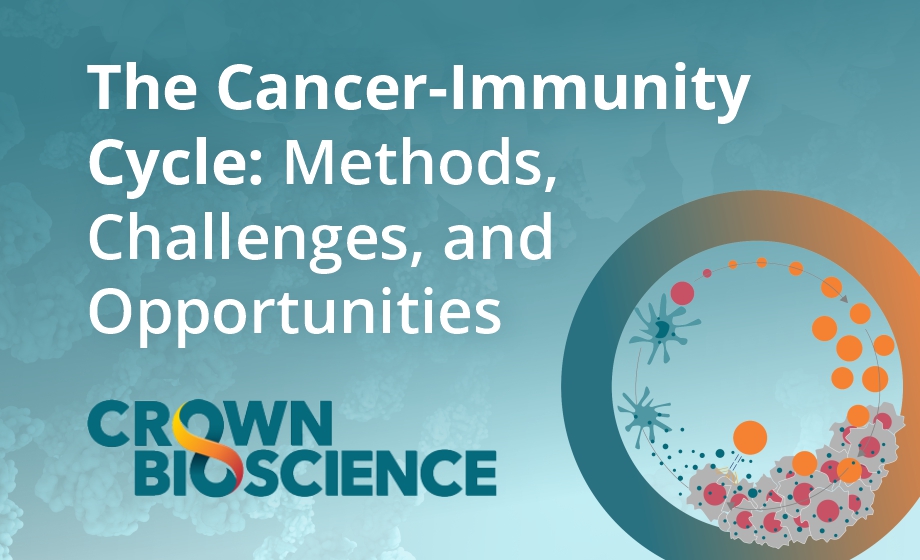
The Cancer-Immunity Cycle: Methods, Challenges, and Opportunities
In this series, experts provide an overview of technologies, techniques, challenges, and emerging research questions along each step of the cancer immunity cycle.
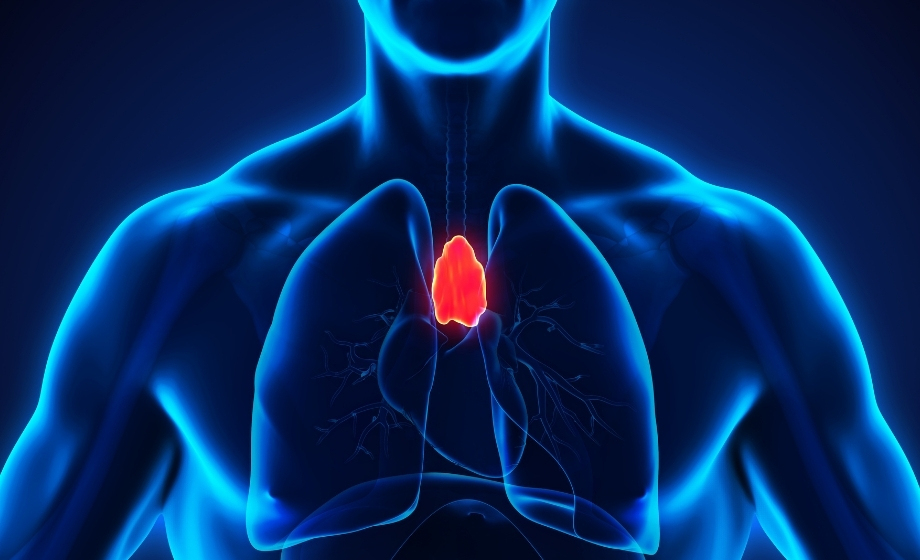
Protocol Preview: Creating an Artificial Human Thymus in Mice
The majority of treatments for immunodeficiencies are temporary fixes, in part due to a lack of preclinical models that can accurately predict immune responses in humans. However, a novel model recently published in Nature Methods has potential to greatly improve future immune response studies, which we review in this blog post.
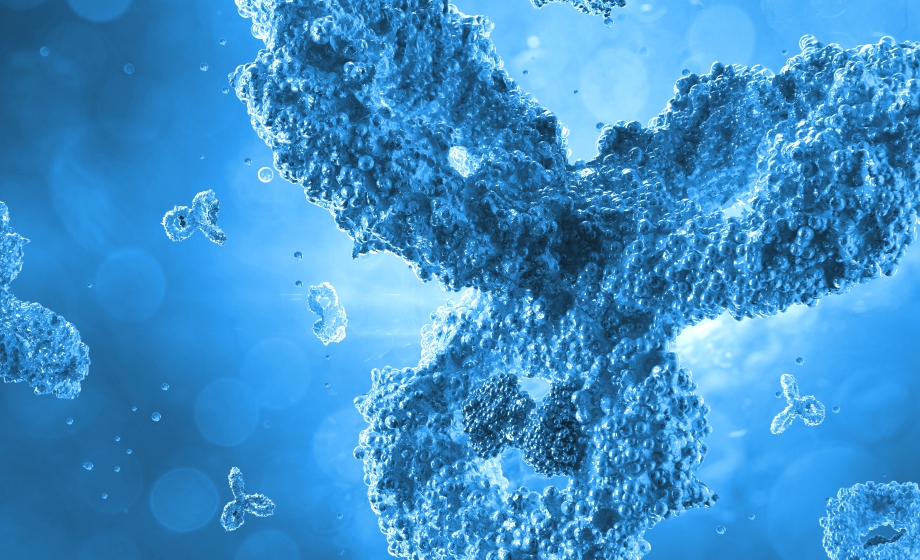
Rethink your Impurity Analysis Strategy
In this webinar, Dr. Ejvind Mørtz discusses the benefits and applications of mass spectrometry (MS)-based host cell protein (HCP) analysis and why HCP ELISAs are insufficient for documenting product-related impurities. Watch to learn where to apply the assay in a typical process and what you gain from deploying it to your workflow.
Muscle Health Research Centre (MHRC)
The Muscle Health Research Centre (MHRC) provides a centralized and focused research emphasis on the importance of skeletal muscle to [...]
Optimizing CD34+ Cell Genome Editing for Efficiency and HSPC Maintenance
Experts answer questions about CD34+ cell gene editing, methods to evaluate genome editing efficiency, and optimal culture conditions to maintain HSPC function and long-term editing effects.
Analyzing the Suppressive TME in in Vitro Based Assays
Experts describe suppressive tumor immune microenvironment compartments and patient-derived tissue technologies capable of recapitulating the TME for clinically-relevant studies.
What’s Next in Preclinical Cancer Immunotherapy Research?
This webinar will include a panel discussion of key topics in the field of cancer immunotherapy, including new and emerging methods, recent publications, and future directions.
Targeting T Cells Within the Cancer Immunity Cycle
In this webinar, speakers will discuss the role of T cell biology in cancer immunotherapy.
Advanced In Vitro Technologies to Investigate Therapeutic Impact on the Cancer Immunity Cycle
Experts provide an overview of ex vivo and in vitro methods, techniques, and model systems for research within the cancer-immunity cycle framework.